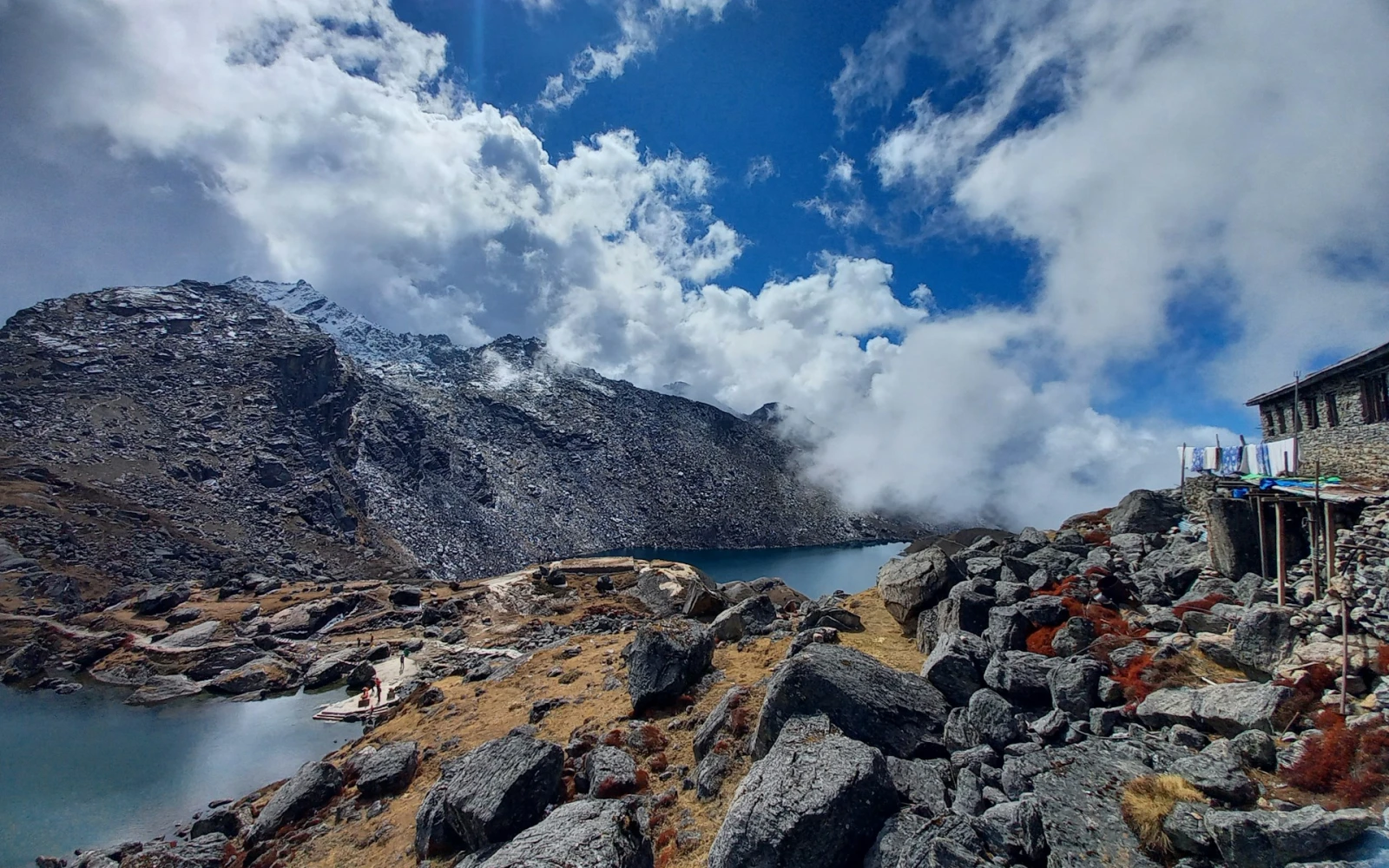
Nestled high in the Himalayas within Langtang National Park, Gosaikunda Lake stands as one of Nepal’s most breathtaking alpine destinations. At an elevation of 4,380 meters, this sacred lake captivates visitors with its pristine turquoise waters, dramatic mountain backdrop, and serene spiritual atmosphere. Surrounded by rugged peaks and often fringed with snow, the lake offers a rare blend of natural beauty and religious reverence.
For trekkers and pilgrims alike, Gosaikunda represents more than just a destination—it is a transformative journey. The trail leading to the lake passes through lush forests, traditional Tamang villages, and panoramic ridgelines, making it an accessible yet rewarding trek that typically takes 3–5 days. With the expertise of Asiana Treks and Tours, travelers can experience this remarkable journey safely while gaining deeper insight into the region’s culture and landscapes.
Key Highlights:
Gosaikunda Lake is often described as a sacred alpine jewel, shimmering beneath the vast Himalayan sky. Its crystal-clear waters reflect the surrounding snow-capped peaks, creating a mesmerizing scene that feels both tranquil and powerful. The lake remains frozen during the winter months and melts into a brilliant blue during summer, attracting visitors from around the world.
This destination is especially significant for Hindu pilgrims, who believe the lake was created by Lord Shiva. Every year during the Janai Purnima festival in August, thousands of devotees make their way to Gosaikunda to take a holy dip in its icy waters, seeking purification and blessings. With guidance from Asiana Treks and Tours, visitors can witness this vibrant cultural event while enjoying a well-organized trekking experience.
Why Visit Gosaikunda:
Gosaikunda Lake lies in Nepal’s Rasuwa District, north of Kathmandu, within the protected area of Langtang National Park. The lake is part of a larger system of alpine lakes spread over approximately 1,030 hectares, making it an important ecological zone. Its remote yet accessible location allows trekkers to experience both wilderness and cultural diversity within a relatively short timeframe.
The geography of the region is characterized by steep trails, glacial moraines, and high-altitude ridges. As trekkers ascend, they pass through rhododendron forests, alpine meadows, and rocky terrain, eventually reaching the stark beauty of the high Himalayas. Asiana Treks and Tours ensures that travelers are well-prepared for altitude changes and varying landscapes, enhancing both safety and enjoyment.
Geographical Features:
Gosaikunda holds profound religious importance in Hindu mythology. According to legend, Lord Shiva created the lake by striking his trident into the mountain to obtain water and soothe his throat after consuming poison. This myth imbues the lake with sacred energy, making it one of the most revered pilgrimage sites in Nepal.
Culturally, the lake becomes a focal point of devotion during Janai Purnima, when pilgrims gather in large numbers to perform rituals and bathe in its holy waters. The journey itself is considered an act of faith and endurance. With Asiana Treks and Tours, travelers can explore not only the physical landscape but also the spiritual depth and local traditions that define this extraordinary destination.
Cultural Highlights:
Reaching Gosaikunda Lake is a rewarding journey that begins from Nepal’s capital, Kathmandu. The most common route is a drive to either Dhunche or Syabrubesi in the Rasuwa District, both serving as gateway towns to Langtang National Park. From these points, the trek gradually ascends through forests, villages, and high alpine terrain until reaching the sacred lake.
The journey typically takes 3–5 days, depending on the chosen route and pace. Trekkers can opt for a more gradual ascent via Dhunche or a slightly more challenging trail via Lauribina Pass. With organized support from Asiana Treks and Tours, transportation, permits, guides, and accommodation are well managed, making the trek smoother and safer.
Key Access Points:
The ideal seasons to visit Gosaikunda are spring (March–May) and autumn (September–November). During these months, the weather is stable, the skies are clear, and mountain views are at their best. The trails are also decorated with blooming rhododendrons in spring, adding vibrant color to the landscape.
One of the most significant times to visit is during the Janai Purnima in August, when thousands of Hindu pilgrims visit the lake for religious rituals. However, this period also brings heavy foot traffic and unpredictable monsoon weather. Travelers who prefer peaceful trekking conditions often choose the post-monsoon autumn season.
Best Time Highlights:
The climate around Gosaikunda Lake varies dramatically due to its high altitude of 4,380 meters. Temperatures can drop below freezing even during summer nights, while daytime conditions may remain cool and comfortable. Weather changes quickly, making preparation essential for trekkers.
The region experiences four distinct seasons, with heavy snowfall in winter and monsoon rains affecting lower trails in summer. At higher elevations, strong winds and sudden temperature drops are common. Trekkers should always be prepared for cold conditions, especially near the lake itself.
Climate Overview:
The trek to Gosaikunda is a moderately challenging yet highly rewarding Himalayan experience. Starting from lower altitudes, trekkers gradually ascend through lush forests, waterfalls, and traditional Tamang settlements before reaching alpine landscapes. Each day brings new scenery, from green valleys to rocky high-altitude terrain.
As the altitude increases, the trail becomes more demanding due to thinner air and steep sections. However, the breathtaking views of snow-capped peaks and serene wilderness make every step worthwhile. With professional guidance from Asiana Treks and Tours, trekkers receive proper acclimatization support, safety guidance, and cultural insights throughout the journey.
Trekking Experience Highlights:
The area around Gosaikunda Lake is filled with dramatic Himalayan scenery and spiritually significant landmarks. The main attraction is the sacred lake itself, surrounded by rocky cliffs and snow-capped peaks that create a powerful and serene atmosphere. Nearby, several smaller lakes form the larger Gosaikunda lake system, each with its own mythological importance and natural charm.
One of the most iconic experiences is witnessing the sunrise or sunset over the Himalayas, when the lake reflects golden and pink hues from the surrounding mountains. Pilgrims and trekkers also visit sacred rock formations believed to be associated with Hindu mythology, especially linked to Lord Shiva. With guidance from Asiana Treks and Tours, visitors can explore these attractions with a deeper cultural understanding.
Major Attractions:
The trekking route to Gosaikunda Lake is filled with diverse landscapes and cultural encounters. Starting from lower elevations, trekkers pass through dense rhododendron forests, suspension bridges, and traditional Tamang villages that showcase the rich heritage of the region. Each day of the trek offers a new perspective of the Himalayan foothills.
As the trail ascends into Langtang National Park, the scenery becomes more rugged and alpine. Trekkers experience panoramic views of snow-covered peaks, high ridgelines, and peaceful yak grazing fields. With professional support from Asiana Treks and Tours, the journey becomes more organized, safe, and culturally enriching.
Route Highlights:
The region surrounding Langtang National Park is one of Nepal’s richest biodiversity zones. The lower trekking trails are covered with lush forests of rhododendron, oak, and bamboo, while higher elevations feature alpine shrubs and moss-covered landscapes. In spring, the entire region blooms with vibrant flowers, creating a colorful Himalayan paradise.
Wildlife in the area includes Himalayan species such as red pandas, musk deer, Himalayan tahr, and a variety of birds. Though sightings are rare, the protected ecosystem ensures that nature thrives undisturbed. Guided treks with Asiana Treks and Tours help travelers learn about this fragile environment and its conservation importance.
Natural Highlights:
Gosaikunda Lake is most famous as a sacred pilgrimage site and a breathtaking Himalayan trekking destination. According to Hindu mythology, the lake was created by Lord Shiva, making it a highly revered spiritual destination. Thousands of pilgrims visit each year, especially during the Janai Purnima festival.
Beyond its religious importance, Gosaikunda is also popular for its dramatic alpine scenery, trekking adventure, and peaceful environment. The combination of spirituality, natural beauty, and cultural richness makes it one of Nepal’s most iconic high-altitude destinations. Travelers exploring with Asiana Treks and Tours experience both adventure and spiritual connection in one journey.
Why Gosaikunda is Famous:
Gosaikunda Lake is not only a sacred destination but also a place filled with meaningful outdoor and spiritual activities. One of the most popular activities is taking a ritual dip in the icy waters of the lake, believed by Hindu pilgrims to cleanse sins and bring spiritual blessings. The serene environment also makes it an ideal place for meditation and reflection, especially against the backdrop of the Himalayas.
Trekkers and visitors also enjoy exploring nearby alpine lakes, hiking surrounding ridgelines, and photographing breathtaking landscapes. The region offers excellent opportunities for sunrise and sunset views over snow-covered peaks. With organized support from Asiana Treks and Tours, travelers can safely enjoy these activities while learning about local culture and religious traditions.
Major Activities:
Facilities along the route to Gosaikunda Lake are basic but sufficient for a high-altitude trek. Teahouses and small lodges are available in lower villages, offering simple accommodation and meals. As the altitude increases, facilities become more limited, so trekkers must prepare for more rustic conditions near the lake.
Essential services such as food, lodging, and hot drinks are available along most of the route, but luxury amenities are not present due to the remote Himalayan location. Trekking agencies like Asiana Treks and Tours help organize permits, guides, porters, and emergency support to ensure a safe and comfortable journey.
Available Facilities:
Accommodation on the Gosaikunda trek mainly consists of teahouses and small family-run lodges. In lower regions like Dhunche and Sing Gompa, trekkers will find relatively better facilities with private rooms and basic comfort. However, as the altitude increases, accommodations become simpler, often offering shared rooms and minimal facilities.
Near Gosaikunda Lake, lodging is very basic due to extreme altitude and weather conditions. Most trekkers stay in nearby high-altitude shelters during pilgrimage season. With arrangements from Asiana Treks and Tours, travelers can secure the best available accommodations and ensure safe overnight stays.
Accommodation Options:
Food along the Gosaikunda trekking route is simple, nutritious, and designed to provide energy for high-altitude hiking. Most teahouses serve traditional Nepali meals such as dal bhat (rice and lentils), noodles, soups, potatoes, and seasonal vegetables. Meals are freshly prepared, but options become more limited as altitude increases.
Near Gosaikunda Lake, food supplies are carried up by porters or yaks, so prices are higher and variety is limited. Despite this, hot meals and drinks are always available to help trekkers stay warm and energized. With guidance from Asiana Treks and Tours, trekkers are well-informed about food hygiene, nutrition, and dietary planning.
Food Highlights:
Trekking to Gosaikunda Lake at 4,380 meters requires careful preparation because of the cold, changing weather, and remote Himalayan terrain. A well-planned packing list ensures comfort, safety, and a more enjoyable trekking experience. Since temperatures can drop suddenly, especially at higher elevations, layering and weather protection are essential.
Trekkers should pack light but smart, focusing on essentials that support both hiking and high-altitude survival. With guidance from Asiana Treks and Tours, travelers receive a clear checklist and recommendations based on season and fitness level, ensuring nothing important is missed.
Essential Packing List:
Trekking to Gosaikunda Lake involves ascending to a high altitude where oxygen levels are lower. Altitude sickness is a common concern, and proper acclimatization is essential. Trekkers are advised to ascend slowly, stay hydrated, and avoid overexertion during the journey.
Safety is a key priority in the Himalayas, as weather conditions can change quickly and trails can become challenging. Professional support from Asiana Treks and Tours ensures experienced guides, emergency planning, and proper acclimatization schedules, making the trek safer and more enjoyable.
Safety Tips:
One of the most remarkable times to visit Gosaikunda Lake is during the sacred Janai Purnima festival, which usually falls in August. During this time, thousands of Hindu pilgrims travel to the lake to perform religious rituals, change their sacred thread (janai), and take holy dips in the icy waters. The atmosphere becomes vibrant, spiritual, and deeply cultural.
Despite the challenging monsoon season, the festival transforms the region into a lively pilgrimage site filled with chants, rituals, and devotion. For trekkers, it is a unique opportunity to witness Nepal’s spiritual traditions up close. With organized trips by Asiana Treks and Tours, visitors can safely experience this cultural event while managing weather and crowd conditions.
Festival Highlights:
Gosaikunda Lake is one of the most photogenic high-altitude destinations in Nepal, offering dramatic reflections, rugged Himalayan landscapes, and ever-changing light conditions. The crystal-clear water often mirrors surrounding snow peaks, creating perfect natural compositions for landscape photography. Early morning and late afternoon are the best times to capture soft light and vibrant colors.
Because of its altitude at 4,380 meters, weather conditions can shift quickly, creating unique photographic opportunities such as mist over the lake or dramatic cloud formations. Photographers are encouraged to carry protective gear for their equipment and be patient, as the best shots often appear during brief moments of clear weather. With support from Asiana Treks and Tours, trekkers can reach the best viewpoints safely and at the right times for photography.
Photography Tips:
Traveling to Gosaikunda Lake requires a strong sense of environmental responsibility, as the region lies within the protected area of Langtang National Park. The fragile alpine ecosystem is highly sensitive to waste, pollution, and overcrowding, making sustainable trekking practices essential. Visitors are encouraged to respect nature, wildlife, and local traditions throughout the journey.
Responsible trekking ensures that future generations can continue to enjoy the pristine beauty of the Himalayas. Simple actions such as carrying reusable bottles, avoiding plastic waste, and staying on designated trails make a significant difference. Asiana Treks and Tours promotes eco-friendly trekking practices and educates travelers on minimizing their environmental impact.
Responsible Travel Guidelines:
Gosaikunda Lake is more than just a trekking destination—it is a powerful combination of natural beauty, spiritual significance, and Himalayan adventure. From its sacred waters believed to be created by Lord Shiva to its breathtaking mountain scenery, the lake offers an unforgettable experience for both pilgrims and trekkers.
Whether you seek adventure, cultural exploration, or spiritual peace, Gosaikunda delivers all in one journey. The moderate trek, stunning landscapes, and rich traditions make it one of Nepal’s most rewarding high-altitude experiences. With professional support from Asiana Treks and Tours, your journey becomes safe, well-organized, and truly memorable.
Why It Belongs on Your Bucket List:
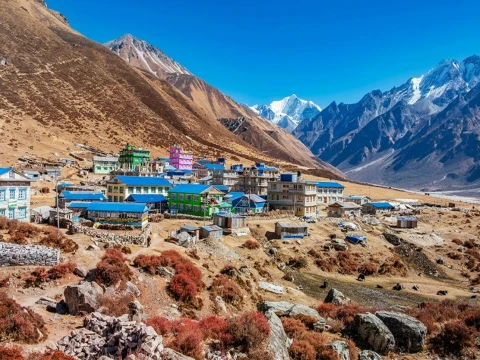
Kyanjin Gompa is one of the most serene and captivating destinations in Nepal’s Langtang Valley, offering a harmonious blend of natural beauty, cultural richness, and spiritual calm. Surrounded by towering Himalayan peaks, glaciers, and alpine meadows, this small settlement sits at a high altitude and serves as a rewarding endpoint
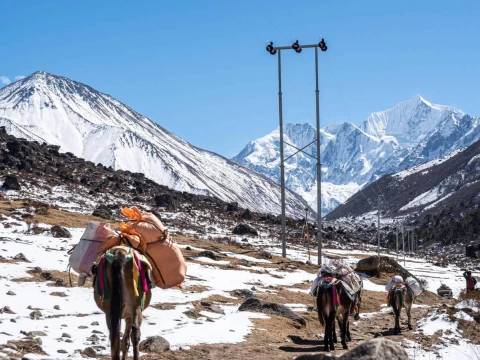
The day hikes to Kyanjin Ri (4,773 m) and Tserko Ri (4,984 m) are among the most rewarding short trekking experiences in Nepal’s stunning Langtang Valley. These hikes offer breathtaking panoramic views of snow-capped peaks, glaciers, and alpine landscapes without requiring technical climbing skills. For beginners, they provide an excellent
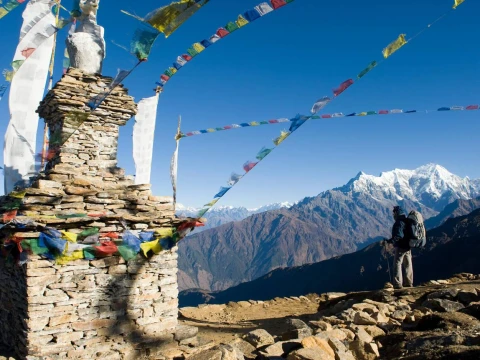
Lauri Binayak (also spelled Lauribinayak) and the nearby Lauribina La Pass together form one of the most rewarding high-altitude experiences in Nepal’s Langtang region. Sitting at elevations ranging from about 3,660 meters to 4,610 meters, this area serves as both a scenic ridge viewpoint and a vital crossing point along the Langtang


 (2)
(2)  100% recommend (0)
 (0)
(0)