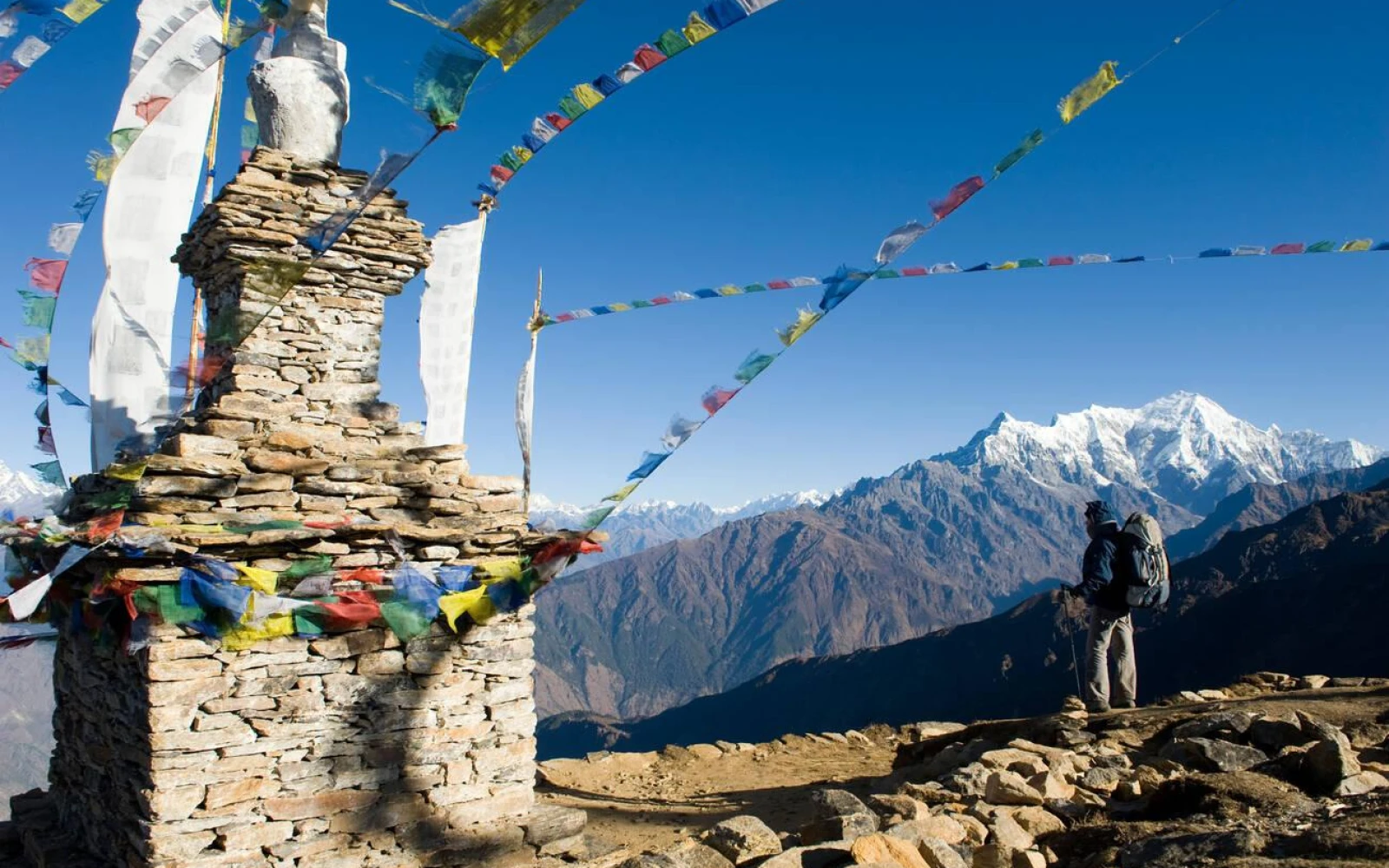
Lauri Binayak (also spelled Lauribinayak) and the nearby Lauribina La Pass together form one of the most rewarding high-altitude experiences in Nepal’s Langtang region. Sitting at elevations ranging from about 3,660 meters to 4,610 meters, this area serves as both a scenic ridge viewpoint and a vital crossing point along the Langtang–Gosaikunda trekking route. While many trekkers focus on the more famous destinations like Gosaikunda Lake, Lauri Binayak quietly stands out for its dramatic Himalayan panoramas and peaceful alpine environment.
The ridge is especially valued as an acclimatization stop before attempting the higher Lauribina La Pass. From here, trekkers are treated to sweeping views of snow-capped ranges, rolling hills, and deep valleys that stretch endlessly into the horizon. Asiana Treks and Tours highlights this destination as a must-visit for those seeking both adventure and serenity in a less crowded section of Nepal’s trekking network.
Key Highlights:
Lauri Binayak is more than just a stop along the trail—it’s an experience that captures the essence of high-altitude trekking in Nepal. The name itself is associated with a sacred and scenic ridge that blends natural beauty with spiritual significance. Trekkers often find themselves pausing longer than expected here, drawn by the tranquility and the vast mountain vistas.
Asiana Treks and Tours frequently recommends Lauri Binayak for trekkers who want to go beyond the typical routes and immerse themselves in quieter, more authentic Himalayan landscapes. Whether you are an experienced trekker or a passionate explorer, this destination offers a unique balance of challenge and reward.
What Makes It Special:
Lauri Binayak lies within Nepal’s Langtang National Park, north of Kathmandu, along the popular trekking route connecting Dhunche, Gosaikunda, and Helambu. It is typically reached after ascending through dense forests, alpine meadows, and rugged terrain, making the journey as memorable as the destination itself.
The nearby Lauribina La Pass, at 4,610 meters, is one of the highest points on this trek. It connects the sacred Gosaikunda Lake region with the Helambu Valley, offering trekkers a dramatic transition between landscapes. Asiana Treks and Tours carefully plans itineraries to ensure proper acclimatization before crossing this challenging yet rewarding pass.
Location Insights:
Despite its incredible beauty, Lauri Binayak remains relatively underappreciated compared to Nepal’s more famous trekking destinations. This makes it an ideal spot for those seeking solitude and a deeper connection with nature. The peaceful environment, combined with unobstructed mountain views, creates a rare sense of isolation and awe.
Another reason it stands out is its role as a natural viewpoint. Sunrise and sunset from Lauri Binayak are unforgettable, with golden light illuminating peaks across the Langtang, Ganesh Himal, and Manaslu ranges. Asiana Treks and Tours often emphasizes this location as one of the best-kept secrets for panoramic Himalayan views.
Why Visit:
The trek to Lauri Binayak is an adventure that unfolds through diverse terrains and cultural landscapes. Starting from lower elevations, trekkers pass through lush forests of rhododendron and oak, charming Tamang villages, and gradually ascend into alpine zones with rugged beauty. Each step brings a noticeable change in scenery and atmosphere.
As the trail climbs higher, the air becomes thinner and the views more expansive. Reaching Lauri Binayak feels like a milestone, both physically and emotionally. With expert guidance from Asiana Treks and Tours, trekkers can enjoy a well-paced journey that balances challenge with comfort, ensuring a safe and memorable experience.
Trekking Experience:
The journey to Lauri Binayak is a gradual yet deeply rewarding trek through the diverse landscapes of Langtang National Park. Starting from lower elevations, the trail winds through dense forests, ridgelines, and traditional settlements, offering trekkers a dynamic and ever-changing experience. The path is well-defined but can be steep in sections, especially as you approach higher altitudes, requiring steady pacing and proper acclimatization.
As you move closer to Lauri Binayak and onward toward Lauribina La Pass, the terrain becomes more rugged and alpine. The tree line fades, giving way to open landscapes with sweeping mountain views. Asiana Treks and Tours ensures trekkers are well-prepared for these transitions, providing experienced guides and thoughtfully planned itineraries that prioritize safety and enjoyment.
What to Expect:
The region surrounding Lauri Binayak is rich in biodiversity, making the trek not just a physical journey but also a visual and ecological delight. In the lower sections of Langtang National Park, trekkers walk through lush forests filled with rhododendron, oak, and pine trees. During spring, the rhododendrons bloom in vibrant reds and pinks, transforming the trail into a colorful corridor.
Wildlife is also a highlight of this region. While sightings are never guaranteed, lucky trekkers might encounter Himalayan birds, langurs, and even the elusive red panda. As the altitude increases, vegetation becomes sparse, but the stark beauty of rocky slopes and snow-dusted ridges takes over. Asiana Treks and Tours encourages responsible trekking practices to preserve this fragile ecosystem.
Natural Highlights:
Arriving at Lauri Binayak is a moment of pure reward. After hours of trekking, the ridge opens up to reveal breathtaking panoramic views of some of Nepal’s most iconic mountain ranges. Peaks from the Langtang, Ganesh Himal, and Manaslu regions stretch across the horizon, creating a dramatic and unforgettable backdrop.
Sunrise and sunset are particularly magical times at Lauri Binayak. As the first light touches the Himalaya's peaks, the mountains glow in shades of gold and orange, offering a spectacle that few places can match. Asiana Treks and Tours often plans early morning viewpoints here, ensuring trekkers don’t miss this extraordinary experience.
Viewpoint Highlights:
Choosing the right season is essential for making the most of your trek to Lauri Binayak. The best times to visit are during spring (March to May) and autumn (September to November), when the weather is stable, and the skies are generally clear. These seasons offer the best visibility of the surrounding peaks and comfortable trekking conditions.
Winter treks are possible but come with added challenges such as snow-covered trails and colder temperatures, especially near Lauribina La Pass. Monsoon season (June to August) brings heavy rainfall, making trails slippery and views less reliable. Asiana Treks and Tours carefully schedules treks during optimal seasons to ensure both safety and the best possible experience.
Best Seasons:
The trek to Lauri Binayak passes through culturally rich areas inhabited mainly by the Tamang and Sherpa communities, whose traditions are deeply rooted in Tibetan Buddhism. Life in these high-altitude villages revolves around agriculture, livestock, and seasonal tourism, and visitors often get a chance to observe a simple yet meaningful way of living. Prayer flags flutter across ridges, mani walls line the trails, and small monasteries offer a glimpse into the spiritual life of the region.
Festivals, rituals, and daily practices reflect a strong connection to nature and the mountains. Trekkers may witness locals performing prayers for safe journeys or visiting sacred sites like Gosaikunda Lake, which holds religious significance for both Hindus and Buddhists. Asiana Treks and Tours emphasizes respectful cultural interaction, encouraging trekkers to learn from and engage with local communities in a meaningful way.
Cultural Highlights:
Accommodation along the Lauri Binayak route is primarily in teahouses—simple mountain lodges that provide basic yet comfortable shelter. Rooms are usually twin-sharing with minimal furnishings, and communal dining areas serve as warm gathering spaces where trekkers can relax and socialize. While facilities become more basic at higher altitudes, the hospitality remains warm and welcoming.
Food options are surprisingly varied considering the remote setting. Trekkers can enjoy local dishes such as dal bhat (rice, lentils, and vegetables), as well as noodles, soups, potatoes, and sometimes even bakery items. Asiana Treks and Tours ensures that trekkers stay in reliable teahouses known for hygiene and quality meals, helping maintain energy levels throughout the trek.
What to Expect:
Trekking to Lauri Binayak and crossing Lauribina La Pass requires proper preparation and awareness of altitude-related challenges. One of the most important aspects is acclimatization—ascending gradually and allowing your body time to adjust to decreasing oxygen levels. Staying hydrated, eating well, and listening to your body are essential practices for a safe journey.
Weather conditions in the Himalayas can change rapidly, so flexibility in your itinerary is key. Asiana Treks and Tours provides experienced guides who monitor conditions and adjust plans as needed. Having travel insurance, carrying necessary permits, and trekking with a knowledgeable team significantly enhances both safety and overall enjoyment.
Safety Tips:
Packing wisely can make a significant difference in your trekking experience to Lauri Binayak. Since temperatures vary greatly between day and night, layering is crucial. Lightweight clothing for daytime trekking, combined with warm insulated layers for cold evenings, ensures comfort throughout the journey.
In addition to clothing, essential gear such as sturdy trekking boots, a good-quality backpack, and basic medical supplies is indispensable. Asiana Treks and Tours provides guidance on packing lists to ensure trekkers are fully prepared without carrying unnecessary weight, helping maintain a balance between comfort and efficiency.
Packing Checklist:
Trekking to Lauri Binayak and crossing Lauribina La Pass is a rewarding adventure, but it does come with real challenges that shouldn’t be underestimated. The most significant difficulty is altitude. As you climb above 3,500 meters toward 4,600 meters, the risk of Acute Mountain Sickness increases. Symptoms like headaches, nausea, and fatigue can affect even experienced trekkers, making proper acclimatization essential rather than optional.
The weather is another major factor. Conditions in Langtang National Park can shift quickly—from clear skies to snow or strong winds within hours. Trails near the pass may become icy or snow-covered, especially in winter or early spring. Asiana Treks and Tours carefully plans itineraries with buffer days and experienced guides to help trekkers navigate these uncertainties safely while maintaining a steady pace.
Preparation Tips:
Lauri Binayak lies within the ecologically sensitive area of Langtang National Park, making responsible travel practices crucial for preserving its natural beauty. The region is home to fragile alpine ecosystems, and even small actions—like improper waste disposal—can have long-term environmental impacts. Trekkers are encouraged to follow “Leave No Trace” principles, ensuring that the trails remain as pristine as they were found.
Equally important is respecting local culture and supporting the communities that make trekking possible. Staying in locally run teahouses, hiring local guides, and purchasing regional products all contribute to sustainable tourism. Asiana Treks and Tours promotes eco-friendly trekking by partnering with local communities and encouraging travelers to act as responsible guests in this beautiful yet delicate environment.
Responsible Travel Practices:
Lauri Binayak and the crossing of Lauribina La Pass offer a rare combination of adventure, serenity, and breathtaking natural beauty. Unlike more crowded trekking regions, this route provides a quieter, more intimate Himalayan experience where the landscapes feel untouched, and the connection to nature is profound. From forested trails to high alpine ridges, every stage of the journey offers something unique and memorable.
What truly sets this destination apart is the sense of achievement and perspective it provides. Standing at Lauri Binayak, surrounded by vast mountain ranges and open skies, creates a moment that stays with you long after the trek ends. With careful planning and expert guidance from Asiana Treks and Tours, this hidden gem becomes not just a trek but a life-enriching journey.
Why It’s Worth It:
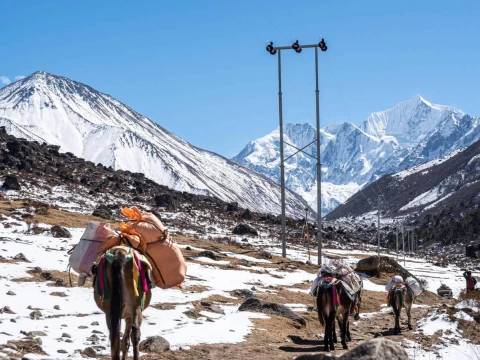
The day hikes to Kyanjin Ri (4,773 m) and Tserko Ri (4,984 m) are among the most rewarding short trekking experiences in Nepal’s stunning Langtang Valley. These hikes offer breathtaking panoramic views of snow-capped peaks, glaciers, and alpine landscapes without requiring technical climbing skills. For beginners, they provide an excellent
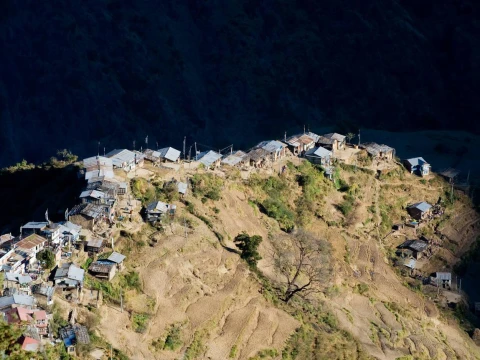
Nestled in the folds of the Himalayas, Thulo Syabru is one of the most culturally rich and visually rewarding stops in the Langtang region. Perched on a ridge with sweeping views of terraced hills and distant snow peaks, the village offers a rare blend of natural beauty and traditional Tamang heritage. Unlike more commercial trekking hubs, Thulo
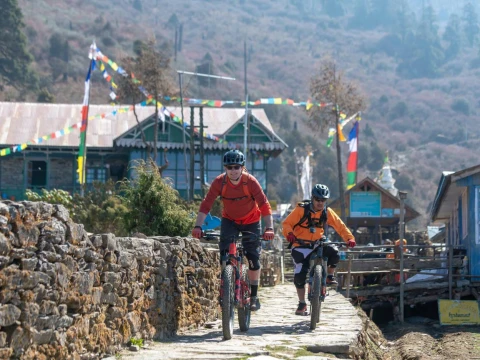
Sing Gompa, also known as Chandanbari, is a serene and culturally rich stop along the Langtang Valley trekking route in Nepal. Nestled at an altitude of around 3,250 meters, this tranquil settlement offers trekkers a refreshing pause amid dense forests, alpine landscapes, and breathtaking mountain views. Unlike busier trekking hubs, Sing Gompa


 (2)
(2)  100% recommend (0)
 (0)
(0)