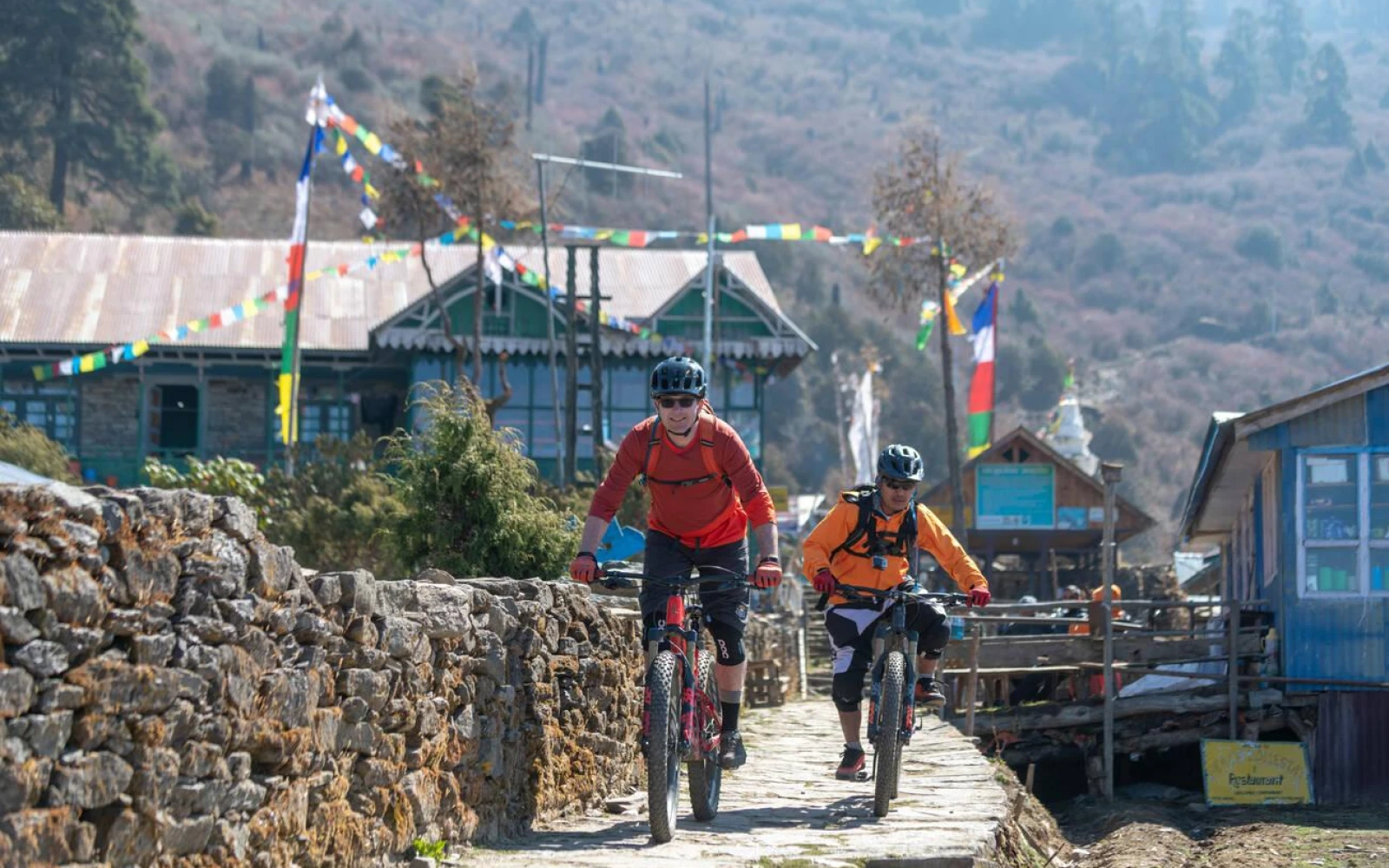
Sing Gompa, also known as Chandanbari, is a serene and culturally rich stop along the Langtang Valley trekking route in Nepal. Nestled at an altitude of around 3,250 meters, this tranquil settlement offers trekkers a refreshing pause amid dense forests, alpine landscapes, and breathtaking mountain views. Unlike busier trekking hubs, Sing Gompa retains a quiet charm that allows visitors to slow down and connect with the natural surroundings.
Trekkers passing through Sing Gompa often find it to be more than just a resting point. The area is known for its traditional monastery, yak cheese factory, and peaceful environment that reflects the authentic Himalayan lifestyle. Whether you're acclimatizing or simply taking in the scenery, Sing Gompa provides a meaningful experience that combines nature, culture, and relaxation.
Key Highlights:
The Himalayas are often associated with adventure, high-altitude challenges, and dramatic landscapes. However, places like Sing Gompa reveal a softer, more contemplative side of the mountains. Here, the pace of life slows, prayer flags flutter gently in the wind, and the air feels deeply calming. It’s a destination where trekkers can step away from the physical demands of the trail and reconnect with inner peace.
For many travelers, Sing Gompa becomes a highlight not because of grandeur, but because of its simplicity. The surrounding forests of rhododendron and pine, combined with the quiet presence of the monastery, create an atmosphere that encourages reflection. It’s a reminder that the journey through the Himalayas is not just about reaching destinations, but also about experiencing moments of stillness along the way.
Why It Feels Special:
Sing Gompa lies within the Langtang National Park, north of Kathmandu, along the trekking route that leads toward Kyanjin Gompa. It is typically reached after trekking from Dhunche or Thulo Syabru, making it an important midpoint for those exploring the Langtang region. The trail to Sing Gompa winds through beautiful forests and offers occasional glimpses of snow-capped peaks.
Despite being on a well-known trekking route, Sing Gompa remains relatively quiet compared to other destinations. Its location makes it an excellent stop for acclimatization before heading to higher altitudes. The combination of accessibility and tranquility makes it a favorite among trekkers seeking both comfort and authenticity.
Location Details:
The journey to Sing Gompa is as rewarding as the destination itself. Most trekkers begin their route from Dhunche or Thulo Syabru, gradually ascending through lush forests of oak, pine, and rhododendron. As you walk along winding mountain trails, the sound of birds, rustling leaves, and distant streams creates a peaceful rhythm that accompanies your trek. The trail is moderately challenging, with steady inclines that allow trekkers to acclimatize naturally while enjoying the scenery.
As you approach Sing Gompa, the environment begins to shift. Dense forests open into more alpine terrain, and the air grows crisper and cooler. The first impression of Sing Gompa is often one of calm simplicity—small lodges, prayer flags fluttering in the wind, and the quiet presence of the monastery set against a dramatic Himalayan backdrop. It feels like stepping into a slower, more mindful way of life.
Trail Highlights:
Sing Gompa holds deep spiritual importance within the Langtang region. The monastery itself has been a center of Buddhist practice for generations, serving as a place of prayer, meditation, and learning for local monks and villagers. Its remote location enhances its spiritual atmosphere, making it a place where tradition and devotion remain largely untouched by modern influences.
The name “Sing Gompa” translates to “Lion Monastery,” symbolizing strength and protection in Tibetan Buddhist culture. Over the years, the monastery has played an essential role in preserving local customs, rituals, and religious teachings. Visitors often feel a sense of reverence here, as the quiet chants, spinning prayer wheels, and colorful prayer flags create a deeply spiritual environment.
Spiritual Insights:
Life at Sing Gompa revolves around simplicity, discipline, and spiritual practice. Monks living in the monastery follow a daily routine that includes early morning prayers, meditation sessions, and communal activities. Their lifestyle reflects a deep connection to Buddhist teachings and a commitment to inner peace, which is evident in the calm and welcoming atmosphere they maintain.
Visitors to Sing Gompa often have the opportunity to observe or respectfully engage with monastic life. Watching monks perform rituals or hearing their chants echo through the mountains can be a moving experience. It offers a rare chance to understand a way of life that is deeply rooted in mindfulness and detachment from material distractions.
Monastic Life Features:
One of the most distinctive aspects of Sing Gompa is its famous yak cheese factory, a highlight for many trekkers. Established to support the local economy, the factory produces traditional Himalayan cheese using yak milk sourced from nearby pastures. The cheese has a rich, slightly tangy flavor and is a must-try for visitors passing through the area.
In addition to yak cheese, Sing Gompa offers a variety of local dishes that reflect the flavors of the high Himalayas. Meals are often simple yet hearty, designed to provide energy for trekking at higher altitudes. From warm soups to traditional Nepali meals, the food experience here adds another layer of authenticity to the journey.
Food Experience Highlights:
Sing Gompa is surrounded by the pristine beauty of the Langtang National Park, making it a haven for nature lovers and trekkers alike. The region is covered in dense forests of rhododendron, oak, and pine, which create a vibrant and ever-changing landscape throughout the year. In spring, the hillsides burst into color with blooming rhododendrons, while autumn offers crisp air and crystal-clear mountain views.
Beyond its forests, the area is also rich in wildlife and natural diversity. Trekkers may encounter Himalayan species such as red pandas, langurs, and various birdlife if they are attentive and lucky. The landscape gradually transitions from lush greenery to alpine terrain, offering a striking contrast that enhances the trekking experience. This harmony of forest, wildlife, and mountains makes Sing Gompa feel like a truly untouched corner of the Himalayas.
Nature Highlights:
Choosing the right time to visit Sing Gompa can significantly enhance your trekking experience. The most popular seasons are spring (March to May) and autumn (September to November). During these periods, the weather is generally stable, the skies are clear, and the mountain views are at their best. Spring adds the bonus of colorful rhododendron blooms, while autumn provides crisp air and excellent visibility.
Winter and monsoon seasons also offer unique experiences, though they come with challenges. Winter brings snow and colder temperatures, creating a peaceful and less crowded environment. Monsoon, on the other hand, transforms the landscape into a lush green paradise but can make trails slippery and obscure mountain views due to clouds. Each season has its own charm, depending on what kind of experience you’re seeking.
Best Seasons Overview:
Accommodation in Sing Gompa is simple yet comfortable, reflecting the remote mountain setting. Most trekkers stay in local teahouses or lodges that provide basic rooms with twin beds, warm blankets, and shared facilities. While the amenities are not luxurious, they are sufficient for a restful stay after a day of trekking. The hospitality of local hosts often adds warmth and charm to the experience.
Facilities in Sing Gompa are gradually improving, but visitors should still be prepared for limited resources. Electricity is usually available, often powered by solar energy, and charging devices may come with a small fee. Meals are served in communal dining areas, where trekkers gather around warm stoves, share stories, and enjoy hearty food. The simplicity of these accommodations enhances the authentic Himalayan experience.
Accommodation Features:
What sets Sing Gompa apart from other trekking stops is its unique blend of tranquility, culture, and natural beauty. Unlike busier villages along popular trekking routes, Sing Gompa maintains a peaceful and unhurried atmosphere. The presence of the monastery adds a spiritual dimension that influences the entire environment, making it feel more reflective and calming.
Another reason Sing Gompa feels different is its authenticity. It has not been overly commercialized, allowing visitors to experience the genuine lifestyle of the Himalayan region. From the quiet trails to the traditional practices of the locals, everything about Sing Gompa encourages a deeper connection with nature and culture. It’s not just a stop along the way—it’s a place that leaves a lasting impression.
What Makes It Unique:
Visiting Sing Gompa is a rewarding experience, but proper preparation can make your journey smoother and more enjoyable. Since the area lies within the Langtang National Park at a relatively high altitude, it’s important to pace yourself and allow time for acclimatization. Staying hydrated, eating well, and trekking at a steady pace will help reduce the risk of altitude-related discomfort. Packing appropriate clothing for changing weather conditions is also essential, as temperatures can vary significantly between day and night.
Respect for local culture and environment is equally important when visiting Sing Gompa. The monastery is a sacred place, so visitors should dress modestly, maintain silence when appropriate, and always ask permission before taking photographs. Supporting local businesses, such as teahouses and the yak cheese factory, contributes to the sustainability of the region. Being mindful of waste and practicing eco-friendly trekking habits will help preserve the natural beauty of the area for future travelers.
Travel Tips:
Sing Gompa offers something that many trekking destinations often lack—an opportunity to truly slow down. In a world that constantly pushes for speed and productivity, this peaceful Himalayan stop encourages a different approach. Sitting quietly near the monastery, listening to the wind through the trees, or watching the clouds drift over the mountains can be deeply grounding experiences.
For many trekkers, the memories of Sing Gompa are not defined by dramatic achievements but by subtle, meaningful moments. The simplicity of life here, combined with the natural beauty and spiritual presence, creates a sense of clarity and calm. It reminds visitors that sometimes the most valuable part of a journey is not reaching the highest point, but appreciating the stillness along the way.
Moments to Appreciate:
As your journey continues beyond Sing Gompa, the sense of peace you experience here often stays with you. The quiet trails, spiritual ambiance, and natural beauty leave a lasting impression that goes beyond the physical trek. It becomes a reminder of the importance of balance—between movement and stillness, adventure and reflection.
Carrying the essence of Sing Gompa with you means embracing a slower, more mindful perspective even after returning home. Whether it’s through small daily pauses, appreciation of nature, or a deeper awareness of the present moment, the lessons from this tranquil place can continue to influence your life. Sing Gompa is not just a destination—it’s a feeling that stays long after the journey ends.
Takeaways:
Lasting sense of peace and mindfulness
Appreciation for simplicity and nature
Inspiration for slower, more intentional living
Emotional connection to the Himalayan journey
Memories that extend beyond the trek
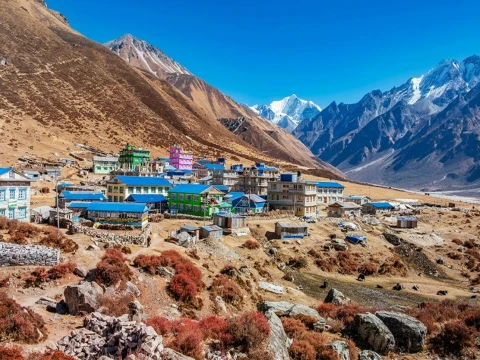
Kyanjin Gompa is one of the most serene and captivating destinations in Nepal’s Langtang Valley, offering a harmonious blend of natural beauty, cultural richness, and spiritual calm. Surrounded by towering Himalayan peaks, glaciers, and alpine meadows, this small settlement sits at a high altitude and serves as a rewarding endpoint
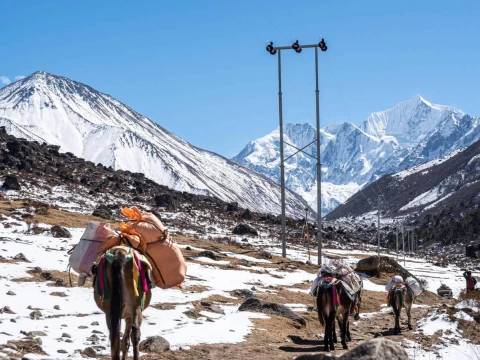
The day hikes to Kyanjin Ri (4,773 m) and Tserko Ri (4,984 m) are among the most rewarding short trekking experiences in Nepal’s stunning Langtang Valley. These hikes offer breathtaking panoramic views of snow-capped peaks, glaciers, and alpine landscapes without requiring technical climbing skills. For beginners, they provide an excellent
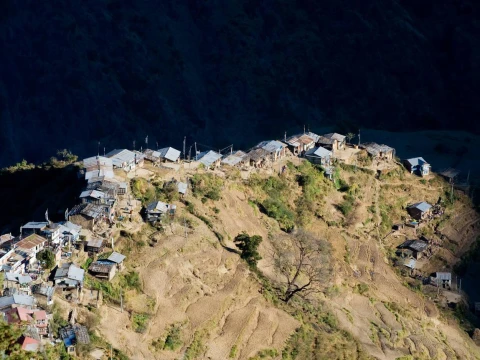
Nestled in the folds of the Himalayas, Thulo Syabru is one of the most culturally rich and visually rewarding stops in the Langtang region. Perched on a ridge with sweeping views of terraced hills and distant snow peaks, the village offers a rare blend of natural beauty and traditional Tamang heritage. Unlike more commercial trekking hubs, Thulo


 (2)
(2)  100% recommend (0)
 (0)
(0)