
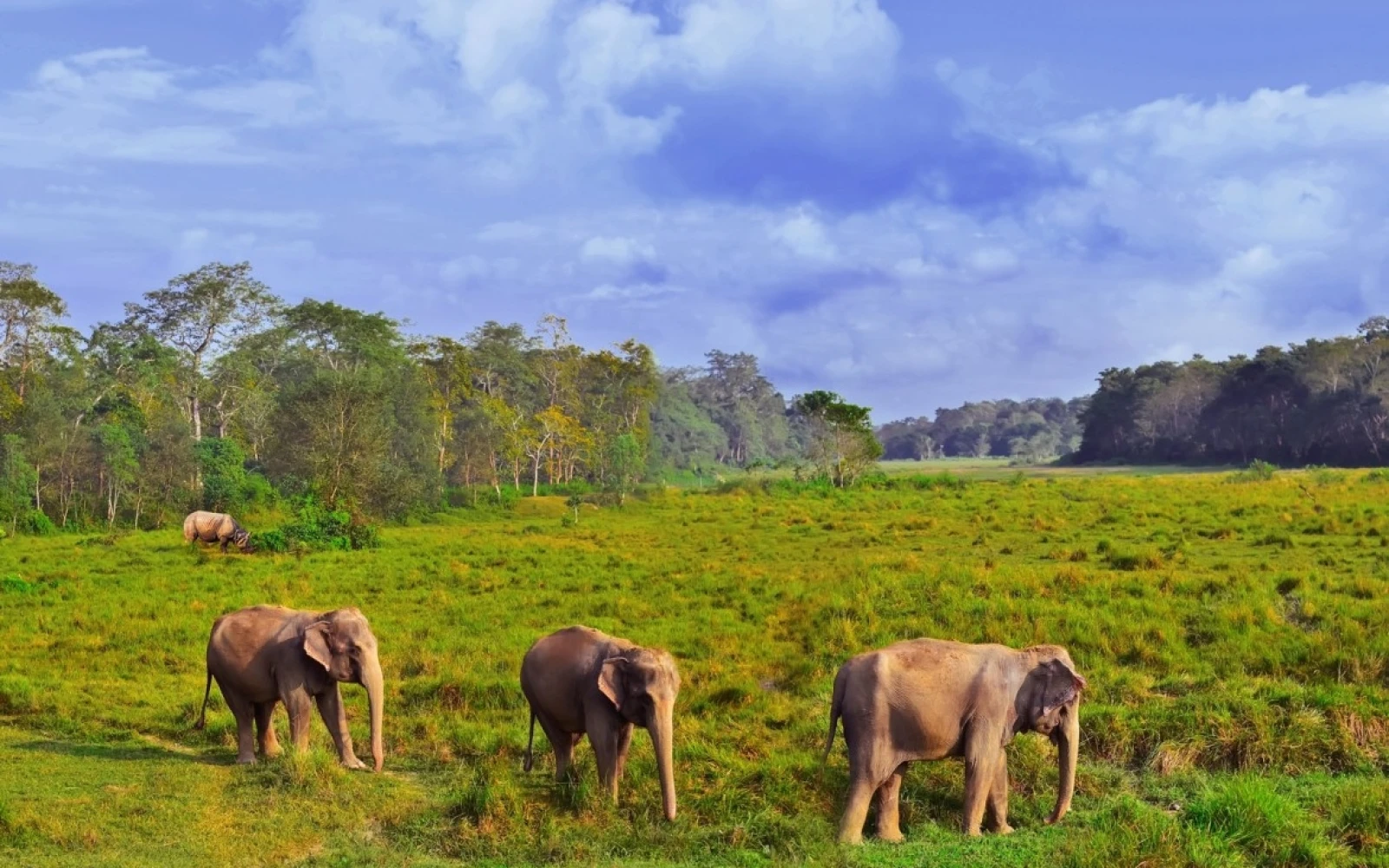
Nepal is widely known for its towering Himalayan peaks, yet the country offers far more than mountain trekking. Dense jungles, lush wetlands, river ecosystems, and botanical forests make Nepal one of Asia’s most exciting destinations for wildlife and nature exploration. Through carefully designed nature itineraries, Asiana Treks and Tours invites travelers to discover a different side of the country, one filled with wildlife safaris, bird watching, jungle adventures, and cultural experiences in remote natural landscapes.
These tours combine adventure with conservation and education. Visitors can explore protected areas such as Chitwan National Park, Bardiya National Park, and Koshi Tappu Wildlife Reserve while enjoying activities like jeep safaris, canoe trips, bird watching, and guided nature walks. Every journey is designed to showcase Nepal’s remarkable biodiversity while supporting sustainable tourism.
While Nepal is globally celebrated for Mount Everest and the Himalayan trekking routes, the country’s lowland forests and river plains offer equally remarkable travel experiences. The southern Terai region is home to vast tropical jungles and wildlife reserves that protect endangered species such as rhinos, Bengal tigers, and elephants. These landscapes provide a completely different perspective of Nepal—one filled with wildlife encounters and serene natural beauty.
Through nature-focused tours organized by Asiana Treks and Tours, visitors can explore these hidden ecosystems while learning about Nepal’s conservation success stories. From guided safaris to peaceful bird watching excursions, these experiences reveal a fascinating side of Nepal that many travelers overlook.
What Makes Nepal’s Wildlife Tourism Unique
Nepal may be a relatively small country, but it hosts extraordinary biodiversity due to its dramatic variation in altitude and climate. From the lowland plains of the Terai to mid-hill forests and alpine ecosystems, the country supports thousands of plant and animal species. Protected areas such as Chitwan National Park and Bardiya National Park safeguard many endangered animals while offering visitors incredible wildlife viewing opportunities.
Nepal’s wetlands, especially in Koshi Tappu Wildlife Reserve, attract hundreds of migratory bird species each year. Meanwhile, the mid-hill regions around places like Phulchowki and Godawari Botanical Garden are renowned for botanical diversity and forest ecosystems. This rich combination of habitats makes Nepal a true paradise for nature lovers and wildlife enthusiasts.
Key Natural Ecosystems of Nepal
Wetlands and Bird Habitats
Mid-Hill Forests and Botanical Diversity
Why Nepal is a Paradise for Nature Lovers
Nepal’s wildlife tours offer an exciting opportunity to explore the rich ecosystems of the country’s southern plains and protected forests. While the Himalayas dominate Nepal’s global image, its jungles and wetlands are equally remarkable for biodiversity and adventure. With carefully planned itineraries, Asiana Treks and Tours provides travelers with immersive wildlife experiences that combine nature exploration, cultural encounters, and outdoor adventure.
A typical Nepal Wildlife Tour takes visitors through several of the country’s major wildlife destinations such as Chitwan National Park, Bardiya National Park, and Koshi Tappu Wildlife Reserve. These regions are home to dense jungles, grasslands, and river habitats where travelers can encounter rare animals and hundreds of bird species. Guided safaris and nature walks allow visitors to observe wildlife in their natural environment while learning about conservation efforts in Nepal.
Popular Wildlife Activities
Wildlife You May Encounter
Located in the subtropical lowlands of southern Nepal, Chitwan National Park is the country’s most famous wildlife sanctuary. Established in 1973 and later recognized as a UNESCO World Heritage Site in 1984, the park protects a diverse ecosystem of forests, grasslands, and river habitats. With the expertise of Asiana Treks and Tours, travelers can explore this remarkable natural reserve through guided safari adventures.
Chitwan is renowned for its successful conservation programs, particularly for the endangered Greater One-Horned Rhinoceros and the elusive Bengal Tiger. Visitors can explore the park through jeep safaris, canoe rides on the Rapti River, jungle walks, and bird watching excursions. The park also offers cultural insights through visits to the local Tharu villages, providing a unique blend of wildlife and cultural discovery.
Highlights of the Chitwan National Park Tour
Wildlife in Chitwan
For travelers seeking a more remote and less crowded wildlife experience, Bardiya National Park offers one of Nepal’s best jungle adventures. Located in the western Terai region, Bardiya is the largest national park in the lowlands and remains relatively untouched compared to other parks. Asiana Treks and Tours organizes immersive tours that allow visitors to explore this pristine wilderness through guided safaris and nature walks.
The park’s dense forests, grasslands, and river ecosystems provide ideal habitats for many rare species. Bardiya is considered one of the best places in Nepal to spot the majestic Bengal Tiger in the wild. Visitors may also encounter wild elephants, deer, and various bird species while exploring the park’s quiet jungle trails. Because the park receives fewer tourists, wildlife sightings are often more authentic and rewarding.
Why Visit Bardiya National Park
Wildlife Highlights
Situated in eastern Nepal near the Sapta Koshi River, Koshi Tappu Wildlife Reserve is a paradise for bird lovers and nature photographers. The reserve is a wetland ecosystem made up of rivers, floodplains, and marshes that provide ideal habitats for migratory birds from across Asia. Asiana Treks and Tours offers specialized bird watching tours that allow visitors to explore this unique ecological region.
Koshi Tappu is internationally recognized for its incredible bird diversity, with more than 500 recorded bird species. During the winter season, thousands of migratory birds arrive from Siberia and Central Asia. In addition to birds, the reserve is also famous for the endangered Wild Water Buffalo, one of the last remaining populations in the world.
Highlights of Koshi Tappu Wildlife Reserve
Wildlife and Bird Species
Nepal is considered one of the best bird-watching destinations in Asia thanks to its incredible geographic diversity. Within a relatively small area, the country features tropical wetlands, subtropical forests, river valleys, and alpine ecosystems, each providing habitat for different bird species. With expert naturalist guides from Asiana Treks and Tours, travelers can explore some of the most productive birding sites while learning about Nepal’s avian biodiversity.
The country is home to more than 800 species of birds, making it a dream destination for ornithologists and nature enthusiasts. Bird watching tours often include visits to places like Phulchowki, Nagarjun Forest, and Koshi Tappu Wildlife Reserve, where forests, wetlands, and hills attract both resident and migratory birds. The best bird-watching seasons are usually autumn and winter, when migratory birds arrive from Central Asia and Siberia.
Highlights of Bird Watching Tours in Nepal
Popular Bird Watching Locations
Nepal is not only rich in wildlife but also incredibly diverse in plant life. Because of its dramatic altitude range—from tropical lowlands to alpine mountains—the country supports thousands of plant species, many of which are rare or medicinal. Through botanical exploration tours organized by Asiana Treks and Tours, visitors can study and appreciate Nepal’s remarkable plant diversity.
Botanical tours typically include visits to areas such as Godawari Botanical Garden and the forested slopes of Phulchowki, which are famous for orchids, rhododendrons, and medicinal herbs. These tours are ideal for researchers, students, and nature enthusiasts interested in botany, ecology, and environmental conservation. Along the way, participants can also learn how local communities traditionally use plants for medicine, food, and cultural practices.
Highlights of Botanical Tours in Nepal
Unique Botanical Features
Honey hunting is one of Nepal’s most fascinating cultural traditions, practiced for centuries by indigenous mountain communities. In remote Himalayan villages, skilled honey hunters climb cliffs using handmade rope ladders to collect wild honey from giant beehives. This remarkable tradition can still be witnessed in areas such as Ghan Pokhara and nearby mountain villages. Through guided cultural tours organized by Asiana Treks and Tours, visitors can observe this rare and adventurous practice.
The honey hunting process is both dangerous and fascinating. Hunters must carefully smoke the hives to calm the bees before harvesting honey from towering cliffs that can reach hundreds of meters high. This traditional practice is not only about collecting honey—it also carries deep cultural and spiritual significance for the local communities who perform rituals before the harvest. Today, honey hunting tours combine adventure travel with cultural immersion, giving visitors a rare glimpse into one of Nepal’s oldest traditions.
Highlights of the Honey Hunting Tour
What Makes Honey Hunting Unique
Nepal’s diverse climate and ecosystems make it a year-round destination for nature and wildlife exploration, but certain seasons offer better opportunities for wildlife sightings and bird watching. The most favorable months are generally autumn (October–November) and spring (March–April) when the weather is pleasant, skies are clear, and national parks are easily accessible. During these seasons, travelers joining tours with Asiana Treks and Tours can comfortably explore major wildlife areas such as Chitwan National Park, Bardiya National Park, and Koshi Tappu Wildlife Reserve.
Winter (December–February) is also an excellent time for wildlife tours, especially for bird-watching enthusiasts. Migratory birds arrive from colder regions of Central Asia and Siberia, creating spectacular birding opportunities in wetlands and forests. Summer and monsoon months (June–September) bring lush greenery and active ecosystems, but heavy rainfall may limit travel and safari activities in some national parks.
Best Seasons for Wildlife Experiences
Travel Tips for Nature Tours
Responsible wildlife tourism plays an important role in protecting Nepal’s natural heritage. National parks and wildlife reserves across the country are carefully managed to preserve fragile ecosystems and endangered species. When travelers explore places such as Chitwan National Park and Bardiya National Park with Asiana Treks and Tours, they are encouraged to follow ethical travel practices that help protect wildlife and their habitats.
Responsible tourism not only safeguards nature but also supports local communities that depend on conservation-based tourism for their livelihoods. By choosing eco-friendly tours, visitors contribute to wildlife protection programs, community development, and environmental education. This ensures that future generations will also have the opportunity to experience Nepal’s incredible biodiversity.
Principles of Responsible Wildlife Tourism
Supporting Local Communities
Planning a wildlife or nature tour in Nepal requires expert knowledge of destinations, seasons, and conservation practices. Asiana Treks and Tours specializes in organizing authentic wildlife adventures that combine exploration, education, and responsible tourism. With experienced guides and carefully designed itineraries, the company provides travelers with safe and memorable journeys into Nepal’s most beautiful natural landscapes.
From jungle safaris in Chitwan National Park to bird watching expeditions in Koshi Tappu Wildlife Reserve and remote adventures in Bardiya National Park, Asiana Treks and Tours ensures that every trip is well organized and enriching. The company focuses on sustainable travel, cultural experiences, and personalized services that allow travelers to fully enjoy Nepal’s wild side.
Why Travel with Asiana Treks and Tours
Nepal is often associated with towering Himalayan peaks, but its natural beauty extends far beyond the mountains. The country’s jungles, wetlands, and forests provide extraordinary opportunities to experience wildlife, bird watching, and botanical exploration. From thrilling safaris in Chitwan National Park to remote wilderness adventures in Bardiya National Park and peaceful bird watching in Koshi Tappu Wildlife Reserve, Nepal offers unforgettable journeys for nature lovers.
With expert guidance from Asiana Treks and Tours, travelers can explore these incredible landscapes while supporting conservation and sustainable tourism. Whether you are a wildlife enthusiast, bird watcher, researcher, or nature explorer, Nepal’s rich biodiversity and cultural heritage promise an adventure unlike any other.
Why Nepal Is Perfect for Nature Travelers
Discover Nepal beyond the mountains and experience the wild heart of the Himalayas.
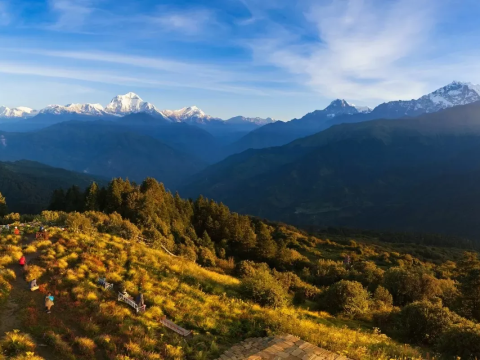
Our comprehensive Nepal tour itineraries include visits to UNESCO World Heritage Sites in Kathmandu Valley, serene lakeside experiences in Pokhara, jungle adventures in Chitwan, and panoramic sunrise views from hill stations like Nagarkot, Sarangkot, and Ghorepani Poon Hill. Whether you want adventure activities like Trishuli River rafting
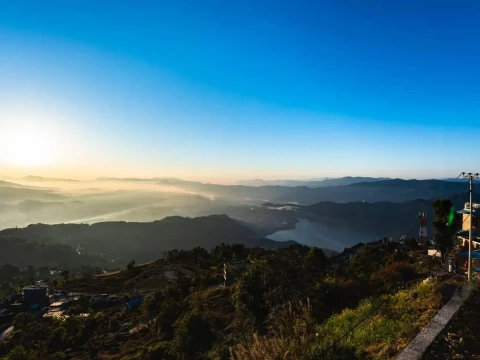
Nepal, the land of towering Himalayan peaks, rich cultural heritage, and diverse natural landscapes, has always been a dream destination for travelers. In 2026, Asiana Treks and Tours offers a range of carefully curated tour packages designed to provide an unforgettable experience of Nepal’s beauty, adventure, and cultural richness.

Nepal is one of the most culturally rich destinations in the world, offering travelers a unique blend of ancient history, spiritual traditions, and vibrant local lifestyles. From centuries-old temples and sacred monasteries to historic cities filled with art and architecture, the country preserves a heritage that has remained alive for thousands


 (2)
(2)  100% recommend (0)
 (0)
(0)