The Jugal Everest View Point Trek 2026 is one of Nepal’s newest and most exciting Himalayan trekking adventures, offering trekkers a rare opportunity to explore remote mountain landscapes close to Kathmandu. Organized by Asiana Treks and Tours, this hidden trekking route takes travelers deep into the untouched Jugal Himal region of Sindhupalchok district. Unlike the crowded Everest and Annapurna trekking trails, this trek provides peaceful wilderness, authentic Tamang culture, pristine alpine valleys, and extraordinary mountain panoramas without heavy tourist traffic.
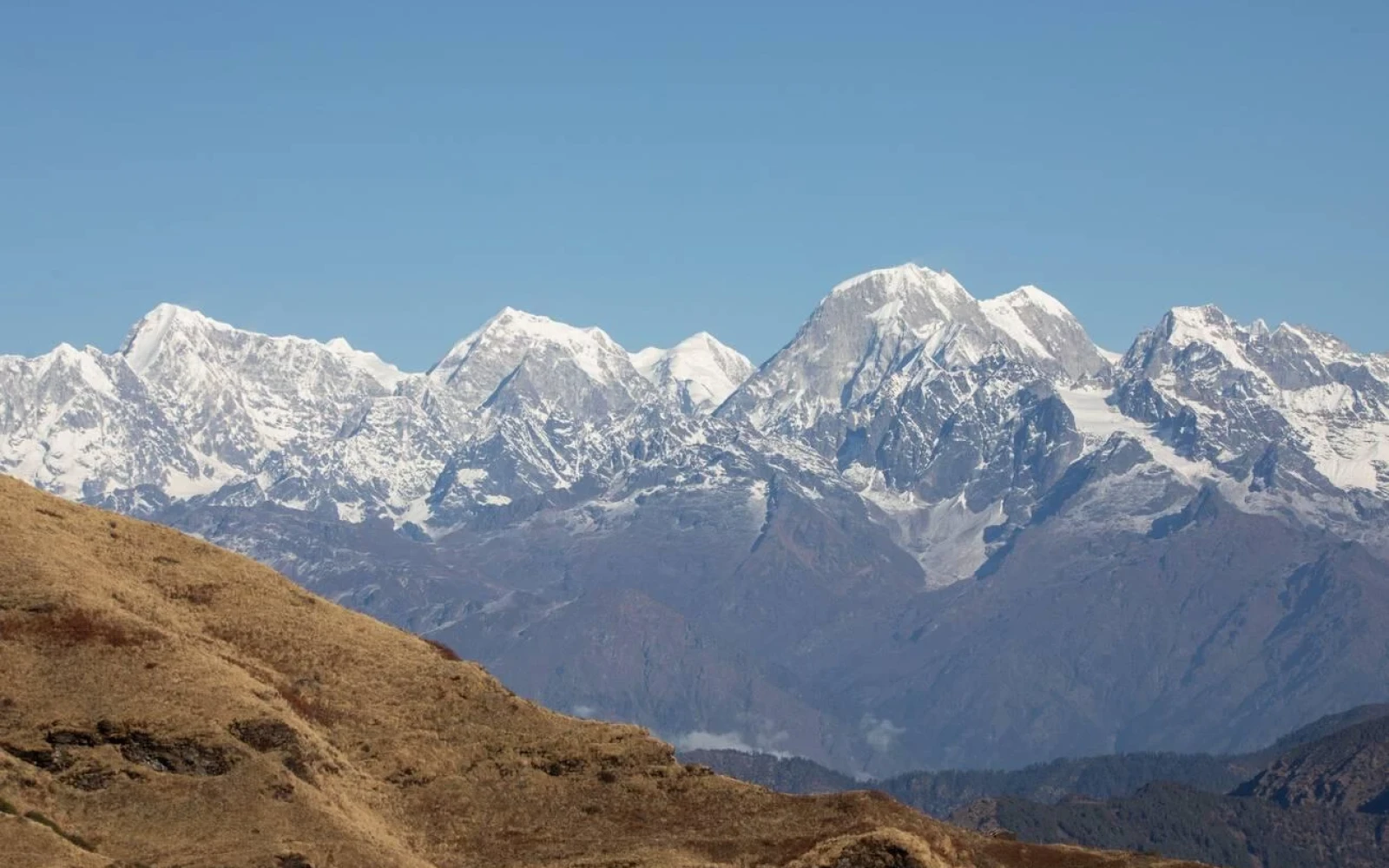
The highlight of the trek is reaching the spectacular Jugal Himal Base Camp and Everest View Point at around 4,500 meters. From this high Himalayan viewpoint, trekkers can witness breathtaking panoramic views of famous Himalayan giants including Mount Everest, Dorje Lakpa, Gaurishankar, and Shishapangma. The route combines natural beauty, adventure, cultural exploration, and wilderness trekking, making it ideal for trekkers looking for a less-commercialized Himalayan experience in 2026.
Quick Highlights of the Trek
The Jugal Everest View Point Trek is a newly promoted trekking destination in eastern Nepal that offers a unique combination of remote mountain scenery and accessible adventure near Kathmandu. This trekking route explores the hidden valleys and alpine landscapes of the Jugal Himal range, an area still untouched by mass tourism. Trekkers pass through charming mountain villages, dense rhododendron forests, traditional grazing lands, glacial streams, and high Himalayan viewpoints throughout the journey.
One of the most remarkable features of this trek is its incredible mountain panorama. While trekking through remote alpine terrain, visitors are rewarded with close-up views of snow-capped Himalayan peaks rarely seen from such peaceful surroundings. The route also introduces travelers to authentic local cultures, especially the Tamang communities who preserve ancient Buddhist traditions, mountain lifestyles, and warm hospitality. For travelers seeking adventure away from busy trekking regions, the Jugal Everest View Point Trek 2026 is an outstanding alternative.
Main Features of the Trek
The Jugal Everest View Point Trek stands out because it combines wilderness adventure, authentic culture, and Himalayan scenery within a relatively short trekking duration. Many trekking routes in Nepal have become crowded with tourists, but the Jugal region still remains peaceful and unexplored. Trekkers can enjoy the true beauty of the Himalayas while walking through isolated mountain trails and untouched landscapes.
Another reason to choose this trek is the diversity of experiences it offers. Within just ten days, trekkers travel from Kathmandu’s cultural atmosphere to remote alpine valleys above 4,000 meters. The route passes through forests, terraced farmland, grazing meadows, rocky ridges, and glacier landscapes. In addition, the spectacular Everest viewpoint near Jugal Himal Base Camp provides unforgettable Himalayan scenery that rivals many famous trekking destinations in Nepal.
Reasons to Choose This Trek
The Jugal Everest View Point is located in the remote Jugal Himal region of Sindhupalchok district in eastern Nepal. This mountainous area lies northeast of Kathmandu near the Nepal–Tibet border. The region is named after the Jugal Himal mountain range, which includes several beautiful snow-covered peaks visible throughout the trek. Despite its close proximity to Kathmandu, the area remains relatively unexplored and retains its untouched natural beauty.
The trekking route begins with a drive from Kathmandu to Chautara, the district headquarters of Sindhupalchok. From there, the trail gradually ascends through traditional Tamang settlements, dense forests, and alpine grazing lands toward the high Himalayan viewpoint near Jugal Himal Base Camp. Because the area is less developed than Nepal’s mainstream trekking regions, trekkers can experience genuine wilderness and authentic mountain culture throughout the journey.
Location Details
The Jugal Everest View Point Trek is one of the newest and most rewarding trekking adventures in eastern Nepal, offering a perfect combination of Himalayan scenery, authentic culture, and remote wilderness exploration. Organized by Asiana Treks and Tours, this incredible trekking route takes travelers deep into the hidden Jugal Himal region, far from the crowded trekking trails of Everest and Annapurna. The trek is especially popular among adventure seekers looking for untouched mountain landscapes, peaceful trails, and extraordinary panoramic mountain views close to Kathmandu.
One of the major highlights of the trek is the breathtaking viewpoint near Jugal Himal Base Camp at 4,500 meters. From this spectacular location, trekkers can enjoy panoramic views of famous Himalayan peaks including Mount Everest, Dorje Lakpa, Gaurishankar, and Shishapangma. The route also passes through traditional Tamang villages, alpine meadows, rhododendron forests, glacier valleys, and remote mountain settlements, creating an unforgettable Himalayan experience for trekkers in 2026.
Major Trek Highlights
The best seasons for the Jugal Everest View Point Trek 2026 are spring (March to May) and autumn (September to November). These months provide the most stable weather conditions, clear skies, comfortable temperatures, and excellent visibility of the Himalayan mountain ranges. During spring, the lower hills and forests bloom with colorful rhododendron flowers, creating vibrant trekking landscapes filled with natural beauty. The weather remains moderately warm at lower elevations while staying cool and pleasant in higher alpine regions.
Autumn is considered the most popular trekking season because the monsoon rain clears the atmosphere, offering crystal-clear mountain views and dry trekking trails. The skies are usually bright blue, and the panoramic scenery of Everest and the surrounding Himalayan peaks becomes exceptionally clear. Winter trekking is possible for experienced trekkers, but heavy snowfall and freezing temperatures may create challenges at higher elevations. The summer monsoon season is generally less recommended due to slippery trails, rain, and limited mountain visibility.
Best Seasons for the Trek
Weather Advantages During Peak Seasons
The Jugal Everest View Point Trek is considered a moderate to challenging trekking adventure because of its remote mountain terrain, high altitude, and long trekking days. The route gradually ascends from Kathmandu Valley toward alpine Himalayan landscapes above 4,500 meters. Trekkers walk through forest trails, rocky ridges, grazing lands, steep uphill sections, and remote mountain paths that require good physical endurance and mental preparation. Although no technical climbing skills are needed, the trek becomes physically demanding due to altitude gain and rugged terrain.
The higher sections near Bomba Sherpu and Jugal Himal Base Camp involve trekking above the tree line where temperatures become colder and oxygen levels decrease. Proper acclimatization, steady walking pace, hydration, and basic fitness are essential for completing the trek comfortably. Trekkers with previous hiking experience will find the journey highly rewarding, while beginners with good preparation can also successfully complete the trek under professional guidance from Asiana Treks and Tours.
Difficulty Factors
Recommended Preparation
Trekkers planning the Jugal Everest View Point Trek in 2026 require several official trekking permits issued by the Government of Nepal and local authorities. These permits are necessary to ensure trekking safety, regulate tourism activities, and support conservation and local development in the region. Most trekking packages organized by Asiana Treks and Tours include assistance with permit arrangements, documentation, and logistics before the trek begins.
The required permits may vary slightly depending on updated government regulations and trekking route conditions in 2026. Since the Jugal Himal region lies near restricted Himalayan border areas, additional local permissions may sometimes be necessary. Trekkers are advised to carry passport copies, passport-sized photographs, and travel insurance documents while applying for permits in Kathmandu.
Common Permits Required
Documents Usually Needed
Important Permit Information
The Jugal Everest View Point Trek 2026 is a carefully designed Himalayan adventure that combines remote mountain exploration, cultural discovery, and breathtaking Everest panoramas within a 10-day itinerary. Organized by Asiana Treks and Tours, the trek begins in Kathmandu before heading toward the hidden Jugal Himal region of Sindhupalchok district. Throughout the journey, trekkers experience scenic drives, peaceful mountain villages, alpine landscapes, high-altitude camping, and unforgettable Himalayan scenery.
This trekking itinerary is designed to allow gradual altitude gain for proper acclimatization while maximizing opportunities to enjoy the natural beauty and cultural richness of the region. The route passes through traditional Tamang settlements, dense rhododendron forests, mountain grazing lands, glacier valleys, and remote Himalayan terrain before reaching the spectacular Jugal Himal Base Camp and Everest View Point at 4,500 meters. The trek then descends back through scenic mountain trails before returning to Kathmandu.
Complete Trek Itinerary Overview
Trekking Features Included in the Itinerary
The trekking route begins with a scenic drive from Kathmandu to Chautara, a peaceful hill town that serves as the gateway to the Jugal Himal region. From Chautara, the trail gradually ascends through terraced farmland, forests, and traditional Tamang villages toward Tembathang and Chhendang. These lower sections provide excellent opportunities to experience authentic mountain lifestyles, Buddhist culture, and the natural beauty of rural Nepal.
As the trek continues toward Nepemacchal and Bomba Sherpu, the environment changes dramatically from forested hills to rugged alpine landscapes above the tree line. Trekkers pass grazing meadows, glacial streams, rocky ridges, and remote mountain valleys before reaching the spectacular Jugal Himal Base Camp. The return journey follows a descending route back through Chhendang before driving to Kathmandu, allowing trekkers to enjoy the mountain scenery from a completely different perspective.
Daily Route Highlights
Landscape Changes During the Trek
The journey to the Jugal Everest View Point Trek begins from Kathmandu, the capital city of Nepal. After arriving at Tribhuvan International Airport, trekkers are welcomed by representatives from Asiana Treks and Tours and transferred to their hotel in Kathmandu. Before the trek begins, travelers receive a complete trekking briefing, equipment check, and route overview from their trekking guide.
On the second day, the trekking group travels by private jeep or local vehicle from Kathmandu to Chautara, the administrative headquarters of Sindhupalchok district. The drive usually takes around 6–7 hours depending on road and weather conditions. The road journey passes through scenic hills, rivers, terraced farmland, small towns, and traditional villages, offering beautiful countryside views throughout the drive. Chautara serves as the official starting point of the trekking adventure.
Transportation Details
Transportation Services Usually Included
The Jugal Everest View Point Trek route follows a remote Himalayan trail through the beautiful Jugal Himal region in Sindhupalchok district of eastern Nepal. The trekking path gradually ascends from the lower hills of Chautara toward the high alpine landscapes near Jugal Himal Base Camp. Along the route, trekkers pass through traditional villages, forest trails, open meadows, rocky mountain ridges, and glacier valleys before reaching the spectacular Everest viewpoint area.
The trail remains less developed and far less crowded compared to Nepal’s commercial trekking routes, making it ideal for travelers seeking solitude and untouched Himalayan wilderness. The route also provides outstanding panoramic views of famous peaks including Mount Everest, Dorje Lakpa, Gaurishankar, and Shishapangma. The combination of cultural exploration and dramatic mountain scenery makes the route one of Nepal’s most promising new trekking destinations for 2026.
Main Trek Route
Kathmandu → Chautara → Tembathang → Dipu → Chidakpu → Chhendang → Nimala → Chachung Kharka → Ganazi Khola → Tongsokpa Cave → Nepemacchal → Bomba Sherpu → Jugal Himal Base Camp
Route Overview Highlights
The Jugal Everest View Point Trek 2026 takes trekkers through several beautiful mountain villages and remote alpine settlements in the hidden Jugal Himal region of eastern Nepal. Organized by Asiana Treks and Tours, the trekking route offers a perfect blend of cultural exploration and Himalayan wilderness. Each village along the trail provides unique experiences, from traditional Tamang culture and Buddhist traditions to spectacular mountain scenery and peaceful natural surroundings.
The journey begins from Chautara, the district headquarters of Sindhupalchok, before gradually ascending toward remote settlements such as Tembathang, Chhendang, Nepemacchal, and Bomba Sherpu. As trekkers move higher into the alpine region, the environment changes dramatically from terraced hills and forests to rugged mountain landscapes and glacial valleys. The final destination, Jugal Himal Base Camp, rewards trekkers with panoramic views of Mount Everest and surrounding Himalayan peaks. Remote stops along the route also provide opportunities to interact with local herders and experience authentic mountain lifestyles untouched by modern tourism.
Major Villages and Trek Stops
Cultural and Natural Attractions Along the Route
Accommodation during the Jugal Everest View Point Trek varies according to altitude and remoteness of the trail. In Kathmandu, trekkers stay in comfortable tourist-standard hotels with modern facilities before and after the trek. Along the lower sections of the route, villages such as Chautara and Tembathang provide simple lodges, local guesthouses, and homestays where trekkers can experience authentic mountain hospitality and local culture. These accommodations are basic but comfortable, offering clean sleeping rooms and traditional meals.
As the trek reaches higher alpine areas such as Nepemacchal, Bomba Sherpu, and Jugal Himal Base Camp, accommodation changes to tented camping due to limited infrastructure in these remote mountain regions. Camping arrangements are professionally managed by Asiana Treks and Tours, including tents, sleeping arrangements, kitchen equipment, and trekking staff support. Although tea house facilities are limited in higher elevations, the remote wilderness camping experience becomes one of the most memorable parts of the journey.
Types of Accommodation During the Trek
Common Facilities Available
Important Accommodation Notes
Food during the Jugal Everest View Point Trek mainly consists of traditional Nepali and mountain-style meals that provide energy and nutrition for trekking at high altitude. Lower villages along the route offer local dishes such as Dal Bhat, noodles, fried rice, potatoes, Tibetan bread, soups, and seasonal vegetables. Meals are generally freshly prepared by local families or trekking staff, giving trekkers an opportunity to experience authentic Himalayan cuisine and local hospitality.
As the trek reaches remote alpine sections, meals are prepared by the camping crew accompanying the trekking group. Drinking water is available from village sources, mountain streams, and natural springs along the route, but proper purification is strongly recommended before consumption. Trekkers are advised to carry reusable water bottles and purification tablets or filtration systems. Organized treks with Asiana Treks and Tours usually include boiled or treated drinking water arrangements during the camping sections for safety and convenience.
Common Food Available on the Trek
Drinking Water Sources
Food and Water Tips
The cost of the Jugal Everest View Point Trek 2026 depends on group size, trekking season, accommodation standard, transportation type, guide services, and camping arrangements. Since this is a newly explored and remote trekking destination, organized trekking packages provide the safest and most convenient way to complete the journey. Asiana Treks and Tours offers professionally managed trekking packages that include transportation, accommodation, meals, permits, guides, camping equipment, and logistical support throughout the trek.
Generally, the package cost includes airport transfers, Kathmandu hotel accommodation, private transportation to the trek starting point, licensed trekking guides, support staff, meals during the trek, permits, and camping arrangements in high-altitude sections. Additional personal expenses such as international flights, travel insurance, trekking gear, extra beverages, and tips for trekking staff are usually excluded. Costs may vary depending on private departures, customized itineraries, and seasonal demand during 2026.
Usually Included in Trek Cost
Usually Excluded from Cost
Factors Affecting Trek Cost
The Jugal Everest View Point Trek 2026 offers flexible trekking styles for different types of travelers, ranging from affordable budget adventures to premium luxury trekking experiences. Organized by Asiana Treks and Tours, both options provide access to the remote beauty of the Jugal Himal region, but the level of comfort, services, transportation, accommodation, and support differs significantly. Budget treks are ideal for backpackers and adventure travelers seeking a cost-effective Himalayan experience, while luxury packages focus on comfort, convenience, personalized service, and upgraded facilities.
Budget trekking packages generally include standard hotels in Kathmandu, local lodges, homestays, shared transportation, basic camping facilities, and simple meals during the trek. Luxury packages, on the other hand, may include premium hotels in Kathmandu, private jeep transportation, upgraded camping arrangements, private guides, additional acclimatization support, hot meals, and extra comfort services. Both trekking styles still provide the same incredible mountain scenery, Everest viewpoints, and cultural experiences throughout the route.
Budget Trek Features
Luxury Trek Features
Which Option is Best?
Hiring professional trekking guides and porters is highly recommended for the Jugal Everest View Point Trek due to the remote nature of the route and limited infrastructure in the higher Himalayan region. Experienced guides from Asiana Treks and Tours help trekkers with route navigation, altitude management, local communication, safety support, and cultural interpretation throughout the journey. Porters assist by carrying trekking bags and camping equipment, allowing trekkers to walk more comfortably on steep and high-altitude trails.
In 2026, guide and porter costs may vary depending on trekking season, group size, route customization, and level of service required. Licensed trekking guides generally cost more because of their professional experience, language skills, and emergency response training. Porters are usually hired separately or included within trekking packages. Tipping guides and porters at the end of the trek is also a common practice in Nepalese trekking culture.
Estimated Guide Costs in 2026
Estimated Porter Costs in 2026
Better safety in remote mountain areas
Trekkers planning the Jugal Everest View Point Trek 2026 often compare solo trekking and guided trekking options before choosing their adventure style. Solo trekking offers greater independence, flexibility, and personal exploration, making it attractive for experienced trekkers who enjoy traveling alone. However, the Jugal Himal region remains remote and less developed compared to Nepal’s major trekking routes, which can create navigation and safety challenges for independent travelers.
Guided trekking with Asiana Treks and Tours provides a safer and more organized experience, especially in high-altitude and remote mountain sections where trail signs and facilities are limited. Guided treks include route planning, permits, transportation, accommodation arrangements, camping logistics, local support staff, and emergency preparedness. For most trekkers, especially international visitors, guided trekking is considered the most reliable and comfortable option for exploring this newly promoted Himalayan destination.
Solo Trek Advantages
Solo Trek Challenges
Guided Trek Advantages
Recommended Option
Proper trekking gear is extremely important for the Jugal Everest View Point Trek because the route passes through diverse landscapes ranging from warm lower hills to cold alpine Himalayan terrain above 4,500 meters. Trekkers should prepare carefully for changing weather conditions, remote camping environments, and long trekking days. Essential gear includes layered clothing, warm sleeping equipment, sturdy trekking boots, waterproof outerwear, and high-altitude protection accessories.
Since the higher sections near Bomba Sherpu and Jugal Himal Base Camp can experience freezing temperatures and strong winds, quality trekking equipment significantly improves safety and comfort. Organized trekking packages through Asiana Treks and Tours often provide camping gear and logistical support, but trekkers are still responsible for carrying personal clothing, footwear, and basic trekking essentials.
Essential Clothing Checklist
Trekking Equipment Checklist
Health and Personal Items
Important Gear Tips
The Jugal Everest View Point Trek 2026 reaches a maximum altitude of around 4,500 meters at the Jugal Himal Base Camp viewpoint. Organized by Asiana Treks and Tours, the trek gradually ascends from Kathmandu (1,400m) through mid-hill villages and forested regions into high alpine terrain. This steady elevation gain helps trekkers adapt, but altitude becomes a significant factor above 3,000 meters, especially around Nepemacchal and Bomba Sherpu.
Weather conditions vary greatly depending on altitude and season. Lower regions are generally mild and pleasant, while higher elevations become cold, windy, and unpredictable. At the base camp area, temperatures can drop below freezing at night even during peak trekking seasons. Clear skies in autumn and spring provide the best mountain visibility, while winter brings heavy snow and monsoon season brings rain and cloud cover.
Altitude Overview
Weather Conditions by Season
Temperature Guide
The Jugal Everest View Point Trek is a moderately challenging Himalayan adventure that requires good physical fitness and endurance. Since the trek involves long walking hours, steep ascents, and high-altitude terrain, trekkers should prepare their body at least 4–6 weeks in advance. Asiana Treks and Tours recommends regular cardio training and hiking practice before joining the trek to ensure a safe and enjoyable experience.
Preparation is not only physical but also mental. Trekkers should be ready for basic accommodation, changing weather conditions, and remote trekking environments. Building stamina through walking, jogging, cycling, or stair climbing helps significantly. Strength training for legs and core muscles is also beneficial for handling uphill and downhill trails comfortably.
Fitness Preparation Tips
Trek Preparation Checklist
Who Can Do This Trek?
Connectivity on the Jugal Everest View Point Trek is limited and gradually decreases as trekkers move into higher altitude regions. In Kathmandu and lower villages like Chautara, mobile networks and internet access are generally available. However, as the trail progresses toward remote areas such as Nepemacchal and Bomba Sherpu, signal strength becomes weak or completely unavailable. This makes the trek a true digital detox experience in the Himalayas.
Charging facilities are available in Kathmandu and some lower lodges, but they become rare or unreliable in higher regions. Trekkers are advised to carry power banks and extra batteries for essential devices such as cameras and phones. Organized treks by Asiana Treks and Tours usually help manage communication through guides who carry emergency communication tools in remote sections.
Mobile Network Availability
Internet Access
Charging Facilities
Safety is a top priority on the Jugal Everest View Point Trek due to its remote location, high altitude, and changing weather conditions. Trekkers should always follow the instructions of professional guides from Asiana Treks and Tours, who are trained in mountain safety, first aid, and emergency response. Proper acclimatization, hydration, and slow walking pace are essential for reducing risks during the trek.
Altitude sickness (Acute Mountain Sickness) can occur above 3,000 meters, especially when ascending too quickly. Common symptoms include headache, dizziness, nausea, and fatigue. Trekkers should always communicate any discomfort immediately to their guide. The itinerary is designed with gradual altitude gain and rest points to minimize risks, but personal awareness and prevention are equally important.
Safety Tips for the Trek
Altitude Sickness Prevention
Emergency Preparedness
The Jugal Everest View Point Trek 2026 offers a deep cultural journey into the heart of Nepal’s mid-hill and Himalayan communities, especially the Tamang people who are the dominant ethnic group in the region. Organized by Asiana Treks and Tours, this trek allows travelers to experience authentic rural lifestyles that have remained largely unchanged for generations. The Tamang communities are known for their rich Buddhist traditions, warm hospitality, and strong connection to the mountains, which they consider sacred.
Along the trekking route, villages such as Tembathang and Chhendang showcase traditional stone houses, prayer flags, mani walls, and small Buddhist monasteries. Local people follow a simple agrarian lifestyle, combining farming, animal husbandry, and seasonal herding in higher alpine pastures. Trekkers often encounter traditional music, cultural festivals, and spiritual practices that reflect deep-rooted Himalayan heritage.
Cultural Highlights
Cultural Experiences for Trekkers
The Jugal Everest View Point Trek is a paradise for nature lovers, offering an incredible diversity of flora, fauna, and dramatic Himalayan landscapes. The trail begins in lush green hills filled with terraced farmland and gradually ascends into dense rhododendron, oak, and pine forests. As trekkers move higher, the vegetation changes into alpine meadows and rugged rocky terrain, creating a constantly evolving natural environment.
Wildlife in the region includes Himalayan birds, langurs, deer, and occasionally mountain goats in higher elevations. The pristine environment of the Jugal Himal region remains largely untouched due to limited tourism, making it an ideal destination for eco-trekking. The scenic beauty includes deep valleys, glacier-fed rivers, snow-covered peaks, and panoramic Himalayan ridgelines.
Flora Highlights
Fauna Highlights
Scenic Landscapes
The Jugal Everest View Point Trek is one of Nepal’s most underrated photography destinations, offering breathtaking landscapes and dramatic Himalayan scenery throughout the journey. From lush green valleys to high alpine viewpoints, every section of the trek provides excellent opportunities for landscape, cultural, and wildlife photography. Organized by Asiana Treks and Tours, the itinerary is designed to maximize scenic viewpoints, especially near sunrise and sunset locations.
The most iconic photography highlight is the Jugal Himal Base Camp viewpoint at 4,500 meters, where trekkers can capture panoramic views of Mount Everest and surrounding peaks glowing during sunrise. Early morning light over the snow-covered Himalayas creates unforgettable golden hues. Other scenic spots include forest trails, suspension bridge crossings, traditional villages, and alpine meadows filled with grazing animals.
Best Photography Locations
Sunrise & Sunset Highlights
Photography Tips
The Jugal Everest View Point Trek 2026 stands out as one of Nepal’s newest and most peaceful trekking routes compared to popular destinations like Everest Base Camp, Annapurna Circuit, or Langtang Valley Trek. Unlike heavily crowded trekking regions, this route offers a remote wilderness experience close to Kathmandu with fewer tourists, making it ideal for trekkers seeking solitude and authentic Himalayan exploration. Organized by Asiana Treks and Tours, the trek combines accessibility with untouched natural beauty.
While the Everest Base Camp Trek focuses on reaching the base of the world’s highest peak, the Jugal trek emphasizes panoramic viewpoints, cultural immersion, and off-the-beaten-path exploration. It is shorter in duration but still offers spectacular views of Everest and surrounding Himalayan giants. Compared to Annapurna and Langtang treks, Jugal is less commercialized, more remote, and offers a more authentic camping-style adventure experience.
Comparison with Other Nepal Treks
Advantages of Jugal Everest View Point Trek
Key Differences from Major Treks
The Jugal Everest View Point Trek 2026 passes through one of Nepal’s most pristine and less-disturbed Himalayan regions, making responsible trekking essential for preserving its natural beauty and cultural integrity. Organized by Asiana Treks and Tours, this trek encourages environmentally conscious travel practices that help protect fragile ecosystems, reduce waste, and support local communities. Since the route passes through remote villages and high-altitude landscapes, even small actions by trekkers can have a significant environmental impact.
Responsible trekking also means respecting local traditions, minimizing plastic use, and supporting sustainable tourism practices. The Jugal Himal region is home to sensitive alpine environments, glacial streams, and biodiversity that must be preserved for future generations. Trekkers are encouraged to follow “Leave No Trace” principles and engage respectfully with local Tamang communities throughout the journey.
Eco-Friendly Trekking Tips
Responsible Cultural Practices
Packing properly for the Jugal Everest View Point Trek is essential due to the dramatic variation in climate from low hills to high-altitude alpine regions above 4,500 meters. Weather conditions can change quickly, especially in the Jugal Himal region, so trekkers must prepare for both warm daytime temperatures and freezing nights. Organized treks by Asiana Treks and Tours recommend a layered clothing system to adapt easily to changing conditions.
Each trekking season requires specific preparation. Spring and autumn are the most favorable seasons, while winter demands heavy insulation and monsoon requires waterproof protection. Proper packing ensures comfort, safety, and better performance during long trekking days on rugged Himalayan terrain.
General Packing Essentials
Seasonal Packing Guide
Spring (Mar–May)
Autumn (Sep–Nov)
Winter (Dec–Feb)
Monsoon (Jun–Aug)
Many trekkers underestimate the difficulty of the Jugal Everest View Point Trek, especially because it is a lesser-known route. However, despite being close to Kathmandu, the terrain is remote, altitude is significant, and weather conditions can be unpredictable. Avoiding common mistakes is essential for a safe and enjoyable experience. emphasizes proper preparation, acclimatization, and guided trekking for first-time visitors.
One of the biggest mistakes is rushing the ascent without proper acclimatization, which increases the risk of altitude sickness. Another common issue is poor packing, especially inadequate warm clothing for high-altitude camping. Trekkers also sometimes ignore hydration, underestimate walking distances, or fail to carry essential personal items like medication and power banks.
Common Mistakes to Avoid
Trekking Best Practices
The Jugal Everest View Point Trek can be extended or combined with several nearby destinations to create a richer Himalayan travel experience. Because the route is located near Kathmandu, trekkers have excellent opportunities to explore cultural heritage sites, additional trekking regions, or short adventure extensions before or after the main trek. offers customized itineraries that allow travelers to combine multiple destinations based on time and interest.
Nearby trekking regions such as Langtang Valley, Helambu, and Panch Pokhari are popular extensions that offer similar cultural and natural beauty. Additionally, Kathmandu Valley sightseeing adds historical and spiritual depth to the journey with UNESCO World Heritage Sites. These extensions are ideal for trekkers who want to maximize their Nepal experience beyond the Jugal Himal region.
Recommended Trek Extensions
Cultural and Adventure Add-Ons
Benefits of Extensions
The Jugal Everest View Point Trek 2026 is a newly emerging Himalayan trekking route, and many travelers have common questions before planning their journey. Organized by Asiana Treks and Tours, this trek offers remote mountain exploration, cultural immersion, and breathtaking Everest views, but it also requires proper preparation due to its wilderness nature. Below are the most frequently asked questions to help trekkers understand the route, difficulty, cost, and logistics.
This section helps clarify important concerns such as altitude, accommodation, permits, fitness level, and trekking safety. Since the route is less commercialized than other famous treks in Nepal, proper guidance and information are essential for a smooth and safe trekking experience.
FAQs About the Trek
1. How difficult is the Jugal Everest View Point Trek?
2. Do I need a guide for this trek?
3. What is the highest altitude of the trek?
4. Is prior trekking experience required?
5. What type of accommodation is available?
6. What permits are required?
7. When is the best time to do this trek?
The Jugal Everest View Point Trek 2026 is one of Nepal’s most promising off-the-beaten-path trekking experiences, offering a perfect combination of remote Himalayan wilderness, cultural richness, and spectacular mountain views. Unlike heavily crowded trekking routes, this journey allows trekkers to experience peaceful trails, untouched landscapes, and authentic village life in the Jugal Himal region. With proper planning and support from Asiana Treks and Tours, this trek becomes a safe, enjoyable, and unforgettable Himalayan adventure.
What makes this trek truly special is its balance between accessibility and wilderness. Located relatively close to Kathmandu, it still feels completely remote once the trek begins. The stunning viewpoints of Mount Everest and surrounding peaks, combined with Tamang cultural experiences and alpine camping, make it an ideal choice for trekkers seeking something unique in 2026.
Key Final Highlights
The Jugal Everest View Point Trek 2026 stands out as a remarkable Himalayan journey that combines natural beauty, cultural depth, and adventure in one complete package. From the bustling streets of Kathmandu to the remote alpine landscapes of Jugal Himal Base Camp, every step of this trek offers unforgettable scenery and meaningful experiences. It is a perfect alternative for travelers who want to explore Nepal beyond the mainstream trekking routes.
With expert organization from Asiana Treks and Tours, trekkers can enjoy a well-planned itinerary, professional guidance, and safe logistics throughout the journey. Whether you are a photographer, adventure seeker, or cultural explorer, this trek delivers a complete Himalayan experience that leaves lasting memories.
Final Conclusion Points


 (2)
(2)  100% recommend (0)
 (0)
(0)