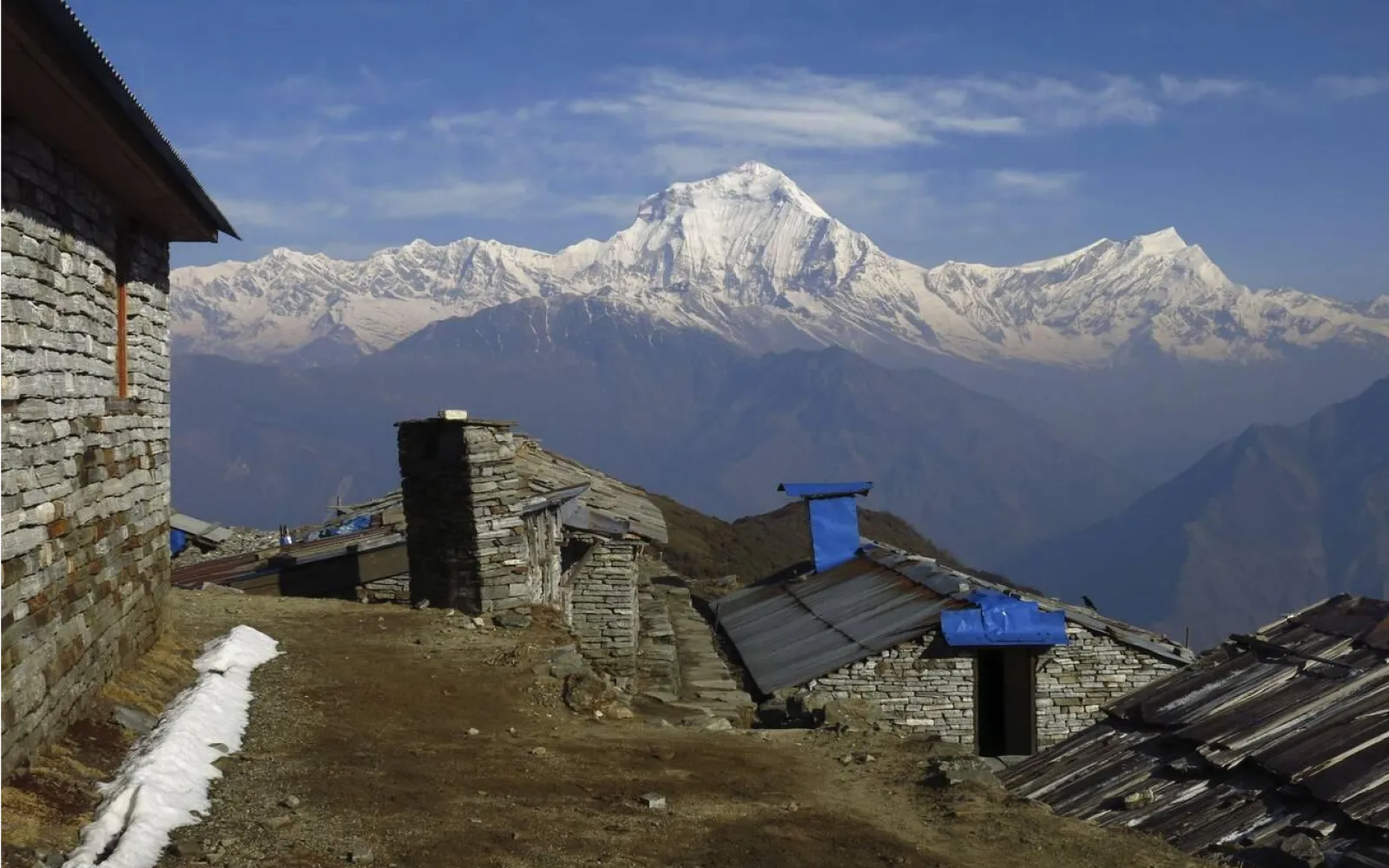
The Khopra Danda Trek is one of Nepal’s finest off-the-beaten-path treks, offering dramatic Himalayan panoramas, rich cultural encounters, and peaceful mountain trails far from the crowds of Annapurna Base Camp and Poon Hill. This trek takes you through lush forests, high alpine ridges, and traditional Gurung and Magar villages, culminating at the spectacular Khopra Ridge (Khopra Danda) and the sacred Khayar Lake.
Operated by Asiana Treks and Tours, this itinerary is carefully designed to ensure proper acclimatization, scenic variety, and cultural immersion. The trek is ideal for trekkers seeking solitude, authentic mountain life, and breathtaking views of Dhaulagiri, Annapurna South, Nilgiri, Machhapuchhre (Fishtail), and many other Himalayan giants.
The Khopra Danda Trek lies within the Annapurna Conservation Area (ACA) and is considered a hidden gem among Nepal’s trekking routes. Unlike the busy Annapurna Circuit or Ghorepani Poon Hill Trek, Khopra Danda offers quieter trails and pristine nature while still providing comfortable community lodges.
This trek is especially known for its panoramic ridge walk, stunning sunrise and sunset views, and the spiritual journey to Khayar Lake, a sacred alpine lake revered by Hindu pilgrims. With altitudes reaching up to 4,500 meters, the trek is moderately challenging and rewarding for trekkers with a reasonable level of fitness.
Khopra Danda is located in western Nepal, north of Pokhara, within the Annapurna region. The ridge sits above traditional villages like Swanta and Ghorepani and provides a dramatic vantage point overlooking deep valleys and towering Himalayan peaks.
Why Visit Khopra Danda?
The Khopra Danda Trek is a spectacular off-the-beaten-path journey in Nepal’s Annapurna region, offering dramatic mountain scenery, peaceful trails, and authentic cultural encounters. Unlike the crowded Annapurna Base Camp or Ghorepani–Poon Hill routes, Khopra Danda provides a quieter trekking experience with panoramic views of Dhaulagiri, Annapurna South, Nilgiri, and Machhapuchhre (Fishtail). The trek combines lush forests, alpine meadows, high ridges, and traditional Gurung and Magar villages.
The route begins after arriving in Pokhara and gradually ascends through Tadapani and Dobato before reaching Upper Chistibung and the highlight viewpoint at Khopra Danda (3,660 m). A major attraction is the optional but rewarding hike to Khayar Lake (4,500 m), a sacred alpine lake surrounded by towering peaks. The descent passes through Swanta and Ghorepani, allowing trekkers to experience varied landscapes and cultures before returning to Pokhara.
Route Highlights (Summary):
The cost of the Khopra Danda Trek varies depending on group size, trekking season, services included, and the level of comfort desired. When organized through a reputable company like Asiana Treks and Tours, the cost typically includes professional guides, porters, permits, accommodations, meals during the trek, and transportation. This ensures safety, comfort, and a smooth trekking experience in remote areas.
On average, a 12–13 day Khopra Danda Trek is more affordable than many high-altitude treks, as it does not require expensive flights or technical equipment. Additional costs may include personal expenses, hot showers, charging electronic devices, and tips for trekking staff. Asiana Treks and Tours provides transparent pricing with no hidden costs, making it easier for trekkers to plan their budget.
Typical Cost Includes:
To trek in the Khopra Danda region, trekkers must obtain specific government-issued permits regulated by the Nepal Tourism Board. These permits help manage tourism, protect natural resources, and support local communities. Without the proper permits, trekkers may be denied entry at checkpoints along the trail.
When booking with Asiana Treks and Tours, all permit arrangements are handled on your behalf, saving time and avoiding administrative hassles. Trekkers only need to provide passport copies and photos, while the company ensures compliance with all trekking regulations.
Required Permits:
Accommodation during the Khopra Danda Trek is primarily in local tea houses and community lodges, which are simple but comfortable. Rooms usually have twin beds with blankets, and higher-altitude areas may have more basic facilities. The lodges at Khopra Danda and Upper Chistibung are community-run, meaning your stay directly supports local livelihoods.
Meals are freshly prepared and provide the energy needed for trekking at altitude. The menu typically includes traditional Nepali food like dal bhat, as well as pasta, noodles, rice dishes, soups, and pancakes. As altitude increases, menu options become simpler, but the food remains nutritious and filling.
Meals & Lodging Overview:
The best seasons for the Khopra Danda Trek are spring (March–May) and autumn (September–November). During these months, the weather is stable, skies are clear, and mountain views are at their best. Spring is especially beautiful due to blooming rhododendron forests, while autumn offers crisp air and excellent visibility after the monsoon.
Winter trekking (December–February) is possible but can be challenging due to snowfall at higher elevations, particularly near Khopra Danda and Khayar Lake. The monsoon season (June–August) brings lush greenery but also rain, leeches, and limited mountain views, making it less ideal for trekking.
Best Trekking Seasons at a Glance:
Food on the Khopra Danda Trek is simple, nourishing, and designed to provide enough energy for long trekking days in the Annapurna region. Most meals are prepared in local tea houses using fresh, locally sourced ingredients. While the menu becomes more limited at higher elevations, the quality remains satisfying, and portions are generous. Eating warm, carbohydrate-rich meals is essential for maintaining energy and adapting to altitude.
The most popular meal among trekkers is the traditional Nepali dal bhat, which includes rice, lentil soup, seasonal vegetables, and pickles. Dal bhat is not only nutritious but also usually offered with unlimited refills, making it ideal for trekkers. Through Asiana Treks and Tours, meal planning is carefully managed to ensure balanced nutrition and food safety throughout the journey.
Typical Meal Options:
Accommodation along the Khopra Danda route consists mainly of tea houses and community lodges, offering basic but comfortable facilities. Lower-altitude villages provide relatively better amenities, while higher elevations such as Upper Chistibung and Khopra Danda offer simpler, more rustic lodging. These community-run lodges play a vital role in supporting local economies.
Rooms typically have twin beds with mattresses, pillows, and blankets. Bathrooms are often shared, and hot showers may be available for an extra cost. Dining areas usually feature a communal fireplace, creating a warm and social atmosphere in the evenings. Asiana Treks and Tours carefully selects clean and reputable lodges to ensure trekkers’ comfort and safety.
Accommodation Features:
The Khopra Danda Trek follows a well-paced itinerary designed to allow gradual altitude gain and proper acclimatization. The trek starts with a scenic drive from Kathmandu to Pokhara, followed by trekking days through forested trails, alpine pastures, and traditional villages. Each day includes 4–6 hours of walking, depending on elevation and terrain.
A highlight of the itinerary is the acclimatization and exploration day at Khopra Danda, which includes an optional hike to Khayar Lake (4,500 m). This side trip offers breathtaking scenery and spiritual significance. The descent route through Swanta and Ghorepani adds cultural richness and variety to the trek before returning to Pokhara. Asiana Treks and Tours ensures a flexible itinerary that can be adjusted based on group fitness and weather conditions.
Daily Trekking Pattern:
The Khopra Danda Trek is considered a moderate-level trek, suitable for trekkers with reasonable physical fitness. While it does not require technical climbing skills, the trek involves sustained uphill and downhill walking on uneven trails, stone staircases, and forest paths. The highest point, Khayar Lake at 4,500 meters, requires good endurance and proper acclimatization.
Trekkers with prior hiking experience will find the trek comfortable, but beginners can also complete it with adequate preparation. Cardiovascular fitness, leg strength, and mental determination are key to enjoying the journey. Asiana Treks and Tours provides experienced guides who monitor health conditions, pace the trek properly, and assist with altitude-related concerns.
Fitness & Difficulty Summary:
Packing wisely is essential for a comfortable and successful Khopra Danda Trek, as weather conditions, altitude, and facilities vary throughout the route. Since the trek reaches elevations above 4,500 meters at Khayar Lake, trekkers must be prepared for cold mornings, warm afternoons, and potentially freezing nights. Layered clothing is the key to staying comfortable in changing conditions.
As tea houses provide only basic amenities, personal trekking gear and essentials should not be overlooked. Asiana Treks and Tours recommends packing light but smart, as porters usually carry a limited weight. Having the right equipment not only increases comfort but also enhances safety and enjoyment on the trail.
Essential Packing Items:
The weather on the Khopra Danda Trek changes significantly with the seasons, influencing trail conditions and visibility. Spring (March to May) offers mild temperatures and blooming rhododendron forests, making it one of the most scenic times to trek. Daytime temperatures are pleasant, while nights at higher altitudes can still be cold.
Autumn (September to November) is considered the best season due to stable weather and crystal-clear mountain views. Winter (December to February) brings colder temperatures and snowfall, especially around Khopra Danda and Khayar Lake, which can make trekking more challenging. The monsoon season (June to August) brings heavy rain and leeches but rewards trekkers with lush greenery and fewer crowds. Asiana Treks and Tours plans itineraries carefully according to seasonal conditions.
Average Temperature Overview:
Safety is a top priority when trekking in high-altitude regions like Khopra Danda. Gradual ascent, proper hydration, and listening to your body are crucial to preventing altitude sickness. Taking rest days seriously and maintaining a steady pace helps your body adapt naturally to increasing elevations.
Hiring a licensed guide significantly improves safety, navigation, and cultural understanding. With Asiana Treks and Tours, trekkers benefit from experienced guides trained in first aid and altitude awareness. Following local customs, respecting the environment, and maintaining flexibility in plans will enhance both safety and enjoyment.
Safety Tips to Remember:
The Khopra Danda Trek and Ghorepani Poon Hill Trek are both located in the Annapurna region, but they offer very different experiences. Ghorepani Poon Hill is a short, popular trek known for its sunrise viewpoint and well-developed infrastructure. It is ideal for beginners or trekkers with limited time.
In contrast, the Khopra Danda Trek is longer, more remote, and less crowded. It offers deeper immersion into nature, higher elevations, and unique attractions such as Khayar Lake. Trekkers seeking solitude, dramatic ridge walks, and a more adventurous experience often prefer Khopra Danda. Asiana Treks and Tours offers both treks and can help choose the best option based on time, fitness, and interests.
Comparison at a Glance:
The Khopra Danda Trek is a rewarding journey that combines breathtaking Himalayan views, peaceful trails, and authentic village life. Its off-the-beaten-path nature makes it ideal for trekkers seeking a quieter alternative to Nepal’s more commercial routes. With proper preparation, this trek offers a perfect balance of challenge and natural beauty.
Choosing a reliable trekking company plays a major role in the overall experience. Asiana Treks and Tours provides professional guides, well-planned itineraries, and personalized service to ensure a safe and memorable trek. Booking in advance, training beforehand, and maintaining a positive mindset will help you fully enjoy this Himalayan adventure.
Helpful Travel Tips:

Upper Chistibung, sitting at an altitude of 2,975 meters (9,760 feet), is a scenic village that serves as a significant rest point for trekkers heading towards the majestic Khopra Danda. Asiana Treks and Tours highlights Upper Chistibung as a unique blend of natural beauty, cultural heritage, and breathtaking Himalayan panoramas.
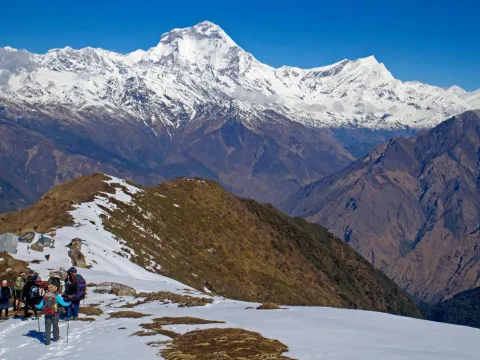
Exploring Khopra Danda Ridge and the sacred Khayar Lake is one of the most rewarding and less-crowded trekking experiences in the Annapurna region. Carefully designed by Asiana Treks and Tours, this journey blends cultural immersion, alpine wilderness, and dramatic Himalayan scenery while avoiding the busy classic trekking routes.
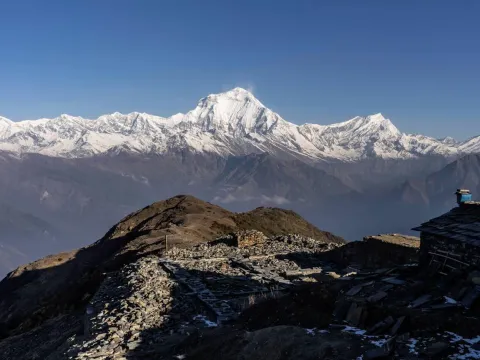
The Bayeli Kharka Adventure is a spectacular trek that begins at Khopra Danda, offering trekkers some of the most panoramic Himalayan vistas in the Annapurna region. This trek is ideal for those seeking a blend of high-altitude adventure, serene landscapes, and cultural immersion.


 (2)
(2)  100% recommend (0)
 (0)
(0)