
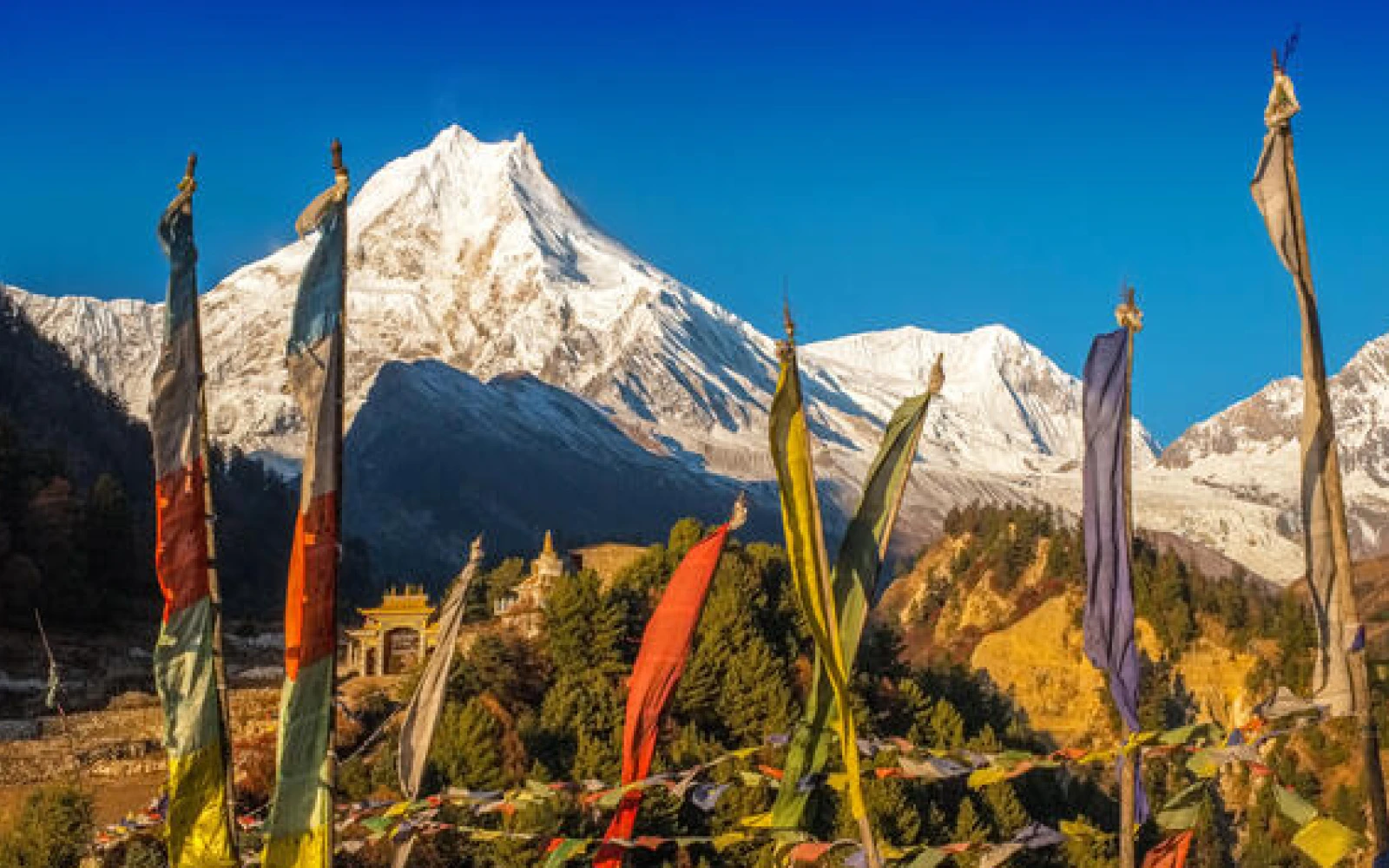
The Manaslu Circuit Trek in 2026 requires several permits because the route passes through the Manaslu Restricted Area and the Manaslu Conservation Area, with the itinerary commonly continuing toward the Annapurna Conservation Area after crossing Larkya La. Trekkers should arrange the required permits before entering the respective areas. Asiana Treks and Tours can assist with the permit process and required trekking documentation.
The main permits and documents generally include:
The Manaslu Circuit Trek is a regulated trekking route in Nepal, and permit requirements are designed to manage tourism, protect the conservation areas, and control access to the restricted section. The Manaslu Restricted Area Permit (RAP) is particularly important because the route through the restricted region has additional regulations compared with ordinary trekking areas.
For 2026, trekkers should confirm the latest fees and entry requirements with the Department of Immigration, Nepal Tourism Board, or a registered trekking agency such as Asiana Treks and Tours before departure, as government rules and permit charges can change. A licensed trekking agency normally handles the permit application and coordinates the necessary documents.
The principal permit for the restricted section is the Manaslu Restricted Area Permit (RAP). The fee depends on the trekking season and the number of days spent inside the restricted area. Trekkers also need the Manaslu Conservation Area Permit (MCAP) to enter the Manaslu Conservation Area.
If the trekking itinerary continues into the Annapurna Conservation Area after Larkya La, an Annapurna Conservation Area Permit (ACAP) is also required. The TIMS Card requirement should likewise be checked for the current 2026 regulations because Nepal's trekking registration requirements can be updated.
The Manaslu Circuit Trek permit cost in 2026 depends mainly on the number of days covered by the Manaslu Restricted Area Permit and the trekking season. RAP charges are generally calculated differently for the September–November peak season and the December–August period. MCAP and ACAP are separate conservation-area fees, while the applicable TIMS fee is additional where required.
Because government permit rates can be revised, Asiana Treks and Tours should verify the current 2026 rates before issuing the final trekking quotation. The total permit budget should therefore be calculated from the trek's exact itinerary, restricted-area days, season, and whether the route enters the Annapurna Conservation Area.
The Manaslu Restricted Area Permit (RAP) is the principal permit required for trekking through the restricted section of the Manaslu region. The Nepal Department of Immigration currently lists the Gorkha Manaslu permit at USD 100 per person per week during September–November, plus USD 15 per day beyond one week, and USD 75 per person per week during December–August, plus USD 10 per day beyond one week. The applicable fee is based on the time spent in the restricted area, rather than simply the total length of the trek.
The RAP is arranged through the required trekking-agency process rather than treated as an ordinary independent trail-entry ticket. Asiana Treks and Tours can coordinate the permit application according to the trek itinerary, dates, and number of restricted-area days.
The Manaslu Conservation Area Permit (MCAP) is required for entry into the Manaslu Conservation Area. Nepal Tourism Board's current protected-area fee information lists the Manaslu Conservation Area entrance fee for foreign visitors at NPR 3,000 per person per entry and for SAARC nationals at NPR 1,000 per person per entry.
The MCAP is separate from the Manaslu Restricted Area Permit. Therefore, paying the RAP does not replace the conservation-area entry fee. Asiana Treks and Tours can arrange the MCAP together with the other permits before the trek begins.
The Annapurna Conservation Area Permit (ACAP) is required when a Manaslu Circuit itinerary enters the Annapurna Conservation Area. This commonly becomes relevant on itineraries continuing beyond the Manaslu section toward the Annapurna side, so trekkers should not assume that the Manaslu permit alone covers the entire route.
Nepal Tourism Board's current fee table lists the Annapurna Conservation Area entry fee at NPR 3,000 for foreign visitors and NPR 1,000 for SAARC nationals per person per entry. Asiana Treks and Tours can determine whether ACAP is necessary from the exact route and arrange it as part of the permit package.
The Trekkers' Information Management System (TIMS) is a separate trekking-registration requirement. Nepal Tourism Board states that trekkers must obtain a TIMS Card for applicable trekking routes, and its current service information says agencies submit trekker, guide, and route information online before the electronic TIMS card is generated. The current NTB service page lists NPR 2,000 for applicants from countries outside SAARC and NPR 1,000 for SAARC applicants.
For the Manaslu Circuit, travelers should have their trekking agency confirm the TIMS category applicable to their particular itinerary and nationality before departure because trekking-registration procedures can be updated. Asiana Treks and Tours can handle the applicable TIMS registration together with the other trekking permits.
The Manaslu Circuit is subject to both restricted-area regulations and conservation-area entry requirements. The Department of Immigration identifies Manaslu as a restricted trekking area and publishes specific seasonal and duration-based permit fees. Consequently, trekkers should not enter the restricted section without the appropriate permit arranged for their itinerary.
Permit applications also involve agency documentation. The Department of Immigration's current citizen-charter information for Manaslu permits includes items such as the trekking program schedule, trekker name list, individual trekker application with photograph, agency documents, and insurance documentation for foreign nationals and Nepali staff. Asiana Treks and Tours can prepare and submit the applicable paperwork.
The documents needed can vary according to the permit and current government procedure, but the trekker's passport details, photographs, itinerary, and personal information are central to the application. Nepal Tourism Board also identifies a passport copy and passport-size photographs as requirements associated with TIMS registration.
For the restricted-area permit, the Department of Immigration's agency requirements additionally include an online application receipt, trekking program schedule, trekker name list, trekker application with photograph, and relevant agency and insurance documentation. Asiana Treks and Tours can collect the necessary information from each traveler and complete the applicable permit formalities before the trek.
Getting the permits for the Manaslu Circuit Trek in 2026 involves preparing your passport details, photographs, trekking itinerary, and other required information before entering the restricted section. The Manaslu Restricted Area Permit (RAP) is processed through the applicable registered trekking-agency procedure, while the Manaslu Conservation Area Permit (MCAP), Annapurna Conservation Area Permit (ACAP), and TIMS requirements depend on the route and current regulations.
Asiana Treks and Tours can arrange the required permits before your trek and coordinate the documentation according to your itinerary. Providing your passport information and proposed trekking dates in advance helps the agency calculate the applicable permit charges and prepare the paperwork.
The Manaslu Restricted Area is regulated differently from many ordinary trekking destinations in Nepal. The restricted-area permit is subject to the applicable agency and trekking regulations, so travelers should not plan the Manaslu Circuit as an independent trek without first confirming the current requirements.
For 2026, Asiana Treks and Tours can arrange a licensed guide and process the required restricted-area permits. Having the permits prepared through an authorized trekking agency also helps ensure that the trekker information, itinerary, and permit dates correspond correctly.
The permit requirements are based primarily on the restricted-area regulations and the itinerary rather than simply whether a traveler calls the trek "solo" or "group." A person traveling alone should therefore check the current minimum-group and guide requirements before booking the trek, while organized groups can have their permit applications coordinated together.
Asiana Treks and Tours can organize the permit application for individual travelers and groups according to the regulations in force in 2026. For groups, providing the complete trekker name list and passport details together can make the administrative process easier.
Manaslu Restricted Area Permit fees vary according to the season. The Department of Immigration currently lists USD 100 per person per week during September–November, plus USD 15 per day beyond one week, while the December–August rate is USD 75 per person per week, plus USD 10 per day beyond one week.
The conservation-area fees are separate from the RAP. Nepal Tourism Board currently lists NPR 3,000 per foreign visitor for both the Manaslu and Annapurna Conservation Areas, with different rates for SAARC nationals. Because government fees can change, Asiana Treks and Tours should verify the applicable 2026 rates when preparing your final trek quotation.
One of the most common problems is assuming that one permit covers the entire Manaslu Circuit. The RAP covers the restricted section, while MCAP covers the Manaslu Conservation Area, and ACAP is required if the itinerary enters the Annapurna Conservation Area. TIMS is another separate trekking-registration requirement where applicable.
Another mistake is providing incorrect passport information or planning an itinerary that does not match the permit dates. Asiana Treks and Tours can review the itinerary and documentation before submission to reduce administrative problems during the trek.
Before beginning the Manaslu Circuit Trek, travelers should make sure all required permits and supporting documents have been prepared. The exact checklist depends on nationality, itinerary, and trekking arrange the relevant permits must be arranged. Preparing the documents early is particularly useful for trekkers traveling during the bus section of the Manaslu trekking route requires the applicable RAP, with the fee determined by season and the number of days, while MCAP is the conservation-area entry permit. Both may specific trek and nationality under the regulations applicable in 2026. Nepal Tourism Board currently operates the TIMS system through registered important part of preparing for the Manaslu Circuit Trek. The principal requirements can accurate passport information, confirm your trekking dates, and use the current government fee schedule rather than relying, documentation, guide coordination, and overall preparation for your Manaslu Circuit Trek in 202 season, and the current regulations applicable in 2026.
Asiana Treks and Tours can review the complete documentation before departure and arrange the relevant permits. Preparing the documents early is particularly useful for trekkers traveling during the busier autumn season.
Do I need a Manaslu Restricted Area Permit?
Yes. The restricted section of the Manaslu trekking route requires the applicable RAP, with the fee determined by season and the number of days spent in the restricted area.
Is MCAP different from RAP?
Yes. RAP is for the restricted Manaslu section, while MCAP is the conservation-area entry permit. Both may be required for a standard Manaslu Circuit itinerary.
Do I need ACAP on the Manaslu Circuit?
You need ACAP when your itinerary enters the Annapurna Conservation Area. The requirement therefore depends on your specific route.
Do I need a TIMS Card?
TIMS requirements should be checked for your specific trek and nationality under the regulations applicable in 2026. Nepal Tourism Board currently operates the TIMS system through registered trekking agencies.
Can Asiana Treks and Tours arrange my permits?
Yes. A trekking agency such as Asiana Treks and Tours can coordinate the applicable permit applications and documentation as part of your Manaslu Circuit Trek arrangements.
Planning the permits is an important part of preparing for the Manaslu Circuit Trek. The principal requirements can include the Manaslu Restricted Area Permit, Manaslu Conservation Area Permit, Annapurna Conservation Area Permit, and TIMS registration, depending on your itinerary and the regulations applicable at the time of travel.
For a smooth permit process, provide accurate passport information, confirm your trekking dates, and use the current government fee schedule rather than relying on old information. Asiana Treks and Tours can assist with the permit arrangements, documentation, guide coordination, and overall preparation for your Manaslu Circuit Trek
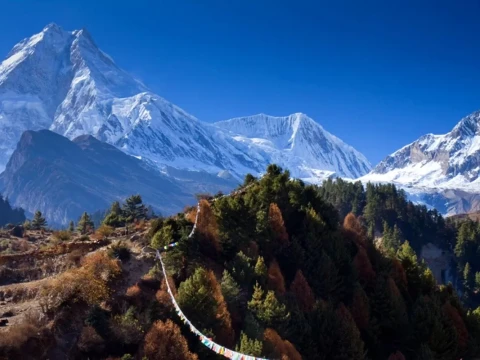
The Manaslu Circuit Trek is one of Nepal’s most rewarding high-altitude trekking adventures, combining dramatic Himalayan landscapes, remote mountain villages, rich Tibetan-influenced culture, and the challenging Larkya La Pass at 5,160 meters. The journey takes trekkers around Mount Manaslu, the eighth-highest mountain in the world
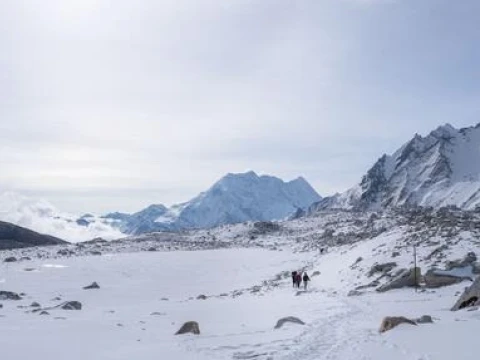
The Manaslu Circuit Trek is one of Nepal’s most scenic Himalayan journeys, combining dramatic mountain landscapes, traditional villages, Buddhist culture, and the challenging Larkya La Pass. The route gradually moves from lower green valleys into the high alpine environment surrounding Mount Manaslu.


 (2)
(2)  100% recommend (0)
 (0)
(0)