Nepal is a living museum of ancient civilizations, sacred architecture, and vibrant traditions, making it one of the most culturally rich destinations in South Asia. A UNESCO World Heritage Tour in Nepal offers travelers a rare opportunity to experience centuries-old palaces, temples, stupas, and settlements that still play an active role in daily life. Centered mainly in the Kathmandu Valley, these heritage sites reflect the artistic brilliance of the Licchavi and Malla periods and the deep spiritual harmony between Hinduism and Buddhism. With Asiana Treks and Tours, visitors can explore these iconic landmarks in a well-planned, immersive, and comfortable way while gaining meaningful historical and cultural insights.
The UNESCO World Heritage tour typically takes place during Day 2 of your itinerary, allowing ample time to explore Kathmandu’s most significant cultural treasures. Each site showcases intricate wood carvings, stone sculptures, pagoda-style temples, and sacred courtyards where rituals have been performed for centuries. Beyond architecture, these places provide a window into Nepalese life—festivals, prayer ceremonies, local markets, and traditional craftsmanship are all part of the experience. Traveling with a knowledgeable guide from Asiana Treks and Tours enhances the journey by connecting stories, legends, and history to what you see on the ground.
Must-Visit UNESCO World Heritage Sites in Nepal
Together, these sites form an unforgettable cultural circuit that highlights Nepal’s identity as a crossroads of art, faith, and history.
Nepal is home to ten UNESCO World Heritage Sites, seven of which are located within the Kathmandu Valley, making it one of the highest concentrations of protected heritage areas in the world. These sites were inscribed by UNESCO due to their outstanding universal value, representing exceptional achievements in architecture, town planning, religious tradition, and artistic expression. The Kathmandu Valley itself is recognized as a single World Heritage Zone, comprising royal palace squares, sacred Hindu temples, and monumental Buddhist stupas that coexist in remarkable harmony.
The UNESCO sites of Nepal are not frozen monuments; they are living heritage spaces where worship, festivals, and community life continue uninterrupted. For example, Pashupatinath Temple remains the most sacred Hindu temple in Nepal, while Boudhanath and Swayambhunath are among the most important Buddhist pilgrimage sites in the world. Durbar Squares in Kathmandu, Patan, and Bhaktapur showcase royal history, medieval urban planning, and exquisite craftsmanship in wood, metal, and stone. Visiting these places with Asiana Treks and Tours ensures responsible tourism practices, insightful guiding, and smooth logistics, allowing travelers to focus fully on the cultural experience.
Beyond the Kathmandu Valley, Nepal’s UNESCO heritage also includes Lumbini—the birthplace of Lord Buddha—and natural wonders like Sagarmatha National Park and Chitwan National Park, both featured later in your itinerary. Together, these heritage sites narrate Nepal’s story from ancient spirituality to natural conservation, making the country a truly holistic destination for cultural and experiential travelers.
Nepal’s exceptional concentration of UNESCO World Heritage Sites is rooted in its unique geographic, cultural, and spiritual history. Located between India and Tibet, Nepal has long served as a cultural crossroads where Hindu and Buddhist traditions flourished side by side. For centuries, powerful dynasties such as the Licchavis and Mallas patronized art, architecture, and religion, resulting in an extraordinary legacy of temples, palaces, stupas, and monuments. These rulers invested heavily in craftsmanship, urban planning, and spiritual centers, many of which remain intact today and continue to function as living heritage sites rather than static relics.
Another reason Nepal stands out globally is that its heritage sites are deeply woven into daily life. Temples are still actively worshipped, palace squares host festivals, and ancient courtyards remain community gathering spaces. This continuity of tradition is one of the key reasons UNESCO recognized the Kathmandu Valley as a World Heritage Zone. With Asiana Treks and Tours, travelers can experience this living heritage firsthand, guided by local experts who explain how history, religion, and culture intersect in everyday Nepalese life.
Nepal’s heritage also extends beyond architecture into spiritual philosophy and cultural tolerance. Hindu temples often stand next to Buddhist stupas, symbolizing centuries of religious harmony. This coexistence, combined with masterful Newari craftsmanship and resilient preservation efforts, makes Nepal one of the most culturally significant destinations in Asia.
Key Reasons for Nepal’s UNESCO Richness:
Kathmandu Durbar Square is one of the most historically significant sites in Nepal and a centerpiece of any UNESCO World Heritage Tour organized by Asiana Treks and Tours. Once the royal palace of the Malla and Shah kings, this grand square reflects the political, cultural, and religious heart of ancient Kathmandu. Surrounded by pagoda-style temples, courtyards, statues, and palace buildings, the square is a testament to Newari architectural excellence and intricate woodcarving traditions that date back several centuries.
Walking through Kathmandu Durbar Square feels like stepping into a living history book. Highlights include the Hanuman Dhoka Palace, the Taleju Temple, and the famous Kumari Ghar—the residence of the Living Goddess Kumari. Despite damage caused by the 2015 earthquake, careful restoration has preserved the square’s historical charm while showcasing Nepal’s commitment to heritage conservation. Local guides from Asiana Treks and Tours bring the site to life by explaining royal rituals, coronation ceremonies, and the symbolism behind each structure.
Beyond its monuments, Kathmandu Durbar Square remains a vibrant cultural hub. Religious ceremonies, traditional music, local markets, and festivals continue to animate the square daily. This blend of history and modern life makes it one of the most engaging heritage sites in Nepal.
Highlights of Kathmandu Durbar Square:
Bhaktapur Durbar Square is often regarded as the best-preserved medieval city center in Nepal. Unlike Kathmandu, Bhaktapur has retained much of its traditional lifestyle, architecture, and urban design, making it a highlight of any UNESCO tour with Asiana Treks and Tours. The square showcases grand palaces, towering pagoda temples, and open courtyards that reflect the city’s former status as a powerful Malla kingdom.
The architectural gems of Bhaktapur include the 55-Window Palace, Golden Gate, Nyatapola Temple, and Bhairabnath Temple. These monuments display extraordinary craftsmanship, particularly in wood, brick, and metalwork. What makes Bhaktapur unique is its authenticity—locals still practice pottery, weaving, and farming as they have for generations. Festivals and rituals are celebrated with great enthusiasm, offering visitors a genuine cultural experience.
Asiana Treks and Tours ensures ample time to explore the square at a relaxed pace, allowing travelers to appreciate both monumental architecture and everyday life. Bhaktapur is not just a heritage site; it is a living museum where tradition continues uninterrupted.
Highlights of Bhaktapur Durbar Square:
Changu Narayan Temple is considered the oldest Hindu temple in Nepal and holds immense historical and religious importance. Dedicated to Lord Vishnu, this UNESCO World Heritage Site dates back to the 4th century and features some of the earliest stone inscriptions found in the country. Located on a hilltop overlooking the Kathmandu Valley, the temple offers a serene atmosphere combined with panoramic views, making it a meaningful stop on tours arranged by Asiana Treks and Tours.
The temple complex is adorned with beautifully carved stone, metal, and wooden sculptures depicting various forms of Vishnu and mythological figures. These artworks provide valuable insight into early Nepalese art and religious expression. Despite its age, Changu Narayan remains an active place of worship where rituals and festivals continue throughout the year.
Unlike busier heritage sites, Changu Narayan offers a quieter and more contemplative experience. Visitors can explore the surrounding traditional village, interact with locals, and understand how ancient temples continue to shape rural life in Nepal.
Highlights of Changu Narayan Temple:
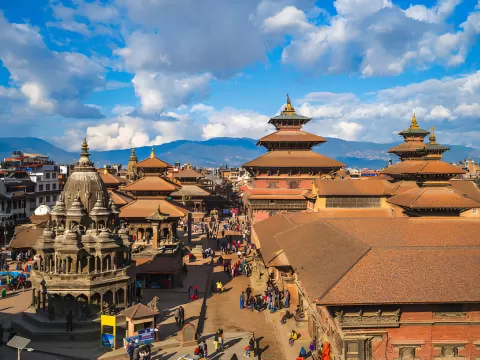
Patan Durbar Square, located in Lalitpur, is renowned as the artistic heart of the Kathmandu Valley. Known as the “City of Fine Arts,” Patan boasts the highest concentration of temples and monuments among the Durbar Squares. With Asiana Treks and Tours, visitors can explore this UNESCO World Heritage Site while learning about its rich tradition of metalwork, sculpture, and craftsmanship.
The square features remarkable structures such as the Krishna Mandir, Hiranya Varna Mahavihar (Golden Temple), and the Patan Museum—widely regarded as one of the best museums in South Asia. The architecture here reflects refined aesthetics, balance, and artistic sophistication developed over centuries. Every corner of the square showcases detailed carvings and harmonious design.
Patan remains a center for traditional artisans who continue to practice ancient skills passed down through generations. Exploring Patan Durbar Square offers not just historical knowledge but also an appreciation of Nepal’s living artistic heritage.
Highlights of Patan Durbar Square:
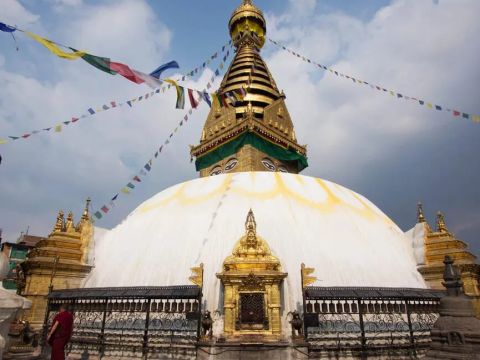
Swayambhunath Stupa, famously known as the Sacred Monkey Temple, is one of the most ancient and revered religious sites in Nepal. Perched atop a forested hill on the western edge of Kathmandu Valley, this UNESCO World Heritage Site offers a spiritual atmosphere combined with sweeping panoramic views of the city below. According to legend, Swayambhunath emerged spontaneously from a lotus flower that bloomed on an ancient lake, symbolizing self-enlightenment. With Asiana Treks and Tours, visitors experience not only the architectural grandeur of the stupa but also the profound spiritual meaning that makes this site sacred to both Buddhists and Hindus.
The stupa’s iconic white dome represents the world, while the gilded spire rising above it symbolizes the path to enlightenment. The all-seeing eyes of Buddha, painted on all four sides, watch over the valley, reminding devotees of wisdom and compassion. Surrounding the main stupa are prayer wheels, monasteries, shrines, and statues reflecting centuries of devotion. The site is also home to hundreds of monkeys, considered holy and protected, adding to its unique character and lively atmosphere.
Asiana Treks and Tours ensures a guided exploration that explains the symbolism, rituals, and historical evolution of Swayambhunath. Whether you visit during sunrise or sunset, the temple provides a deeply moving cultural and spiritual experience that remains one of Nepal’s most cherished landmarks.
Highlights of Swayambhunath Stupa:
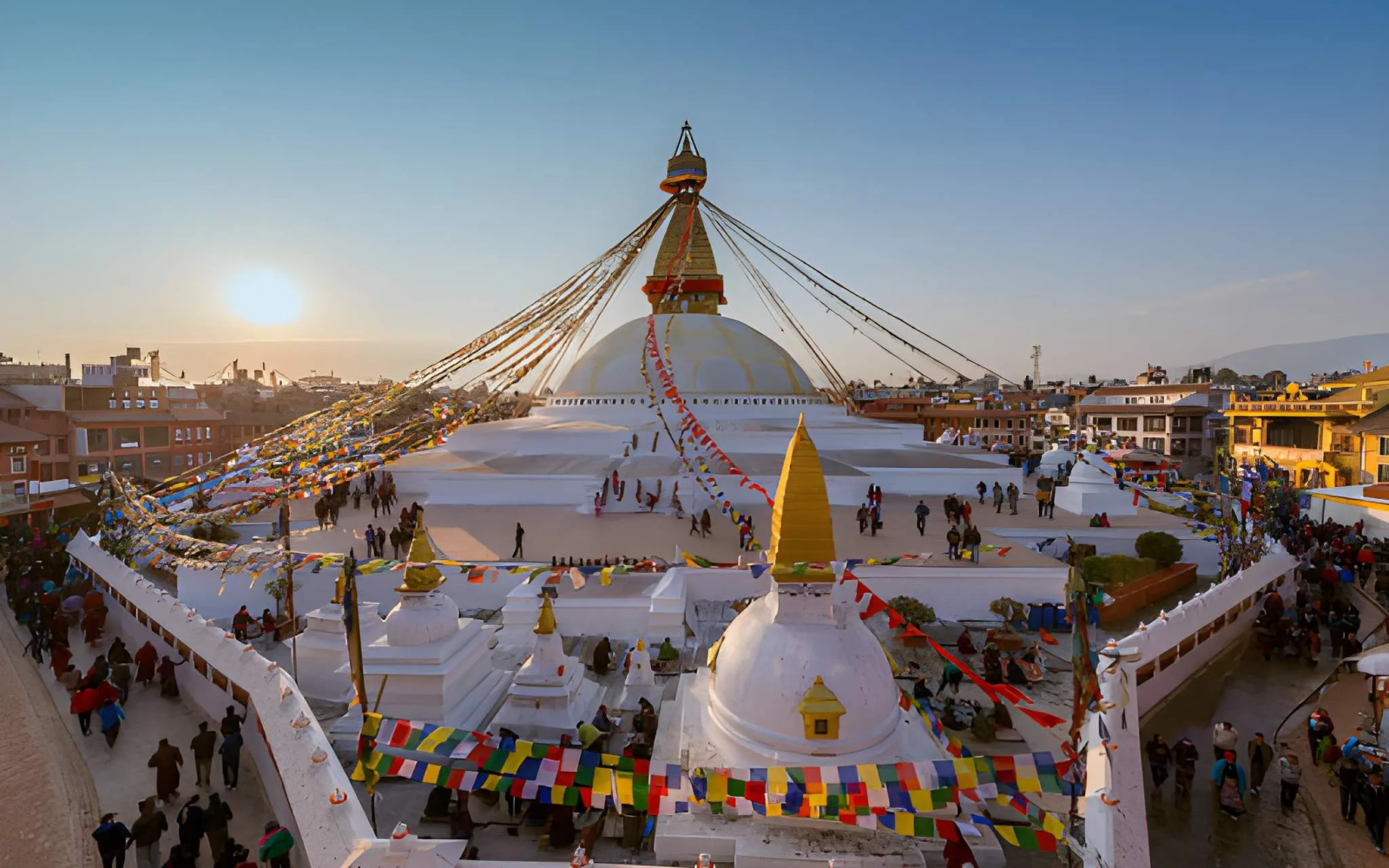
Boudhanath Stupa is the largest Buddhist stupa in Nepal and one of the most important pilgrimage sites for Tibetan Buddhism in the world. Located on the eastern outskirts of Kathmandu, this monumental structure stands as a powerful symbol of peace, compassion, and enlightenment. Recognized as a UNESCO World Heritage Site, Boudhanath has long been a focal point for Tibetan culture, especially after the arrival of Tibetan refugees in the mid-20th century. Tours organized by Asiana Treks and Tours allow travelers to witness the living spiritual traditions that continue to thrive around this sacred monument.
The massive white dome represents the universe, while the towering golden spire above it is adorned with the all-seeing eyes of Buddha, similar to Swayambhunath. Hundreds of prayer flags flutter in the wind, carrying mantras and prayers to the heavens. Monks, pilgrims, and locals walk clockwise around the stupa, spinning prayer wheels and chanting sacred texts, creating a deeply meditative atmosphere. The surrounding area is filled with monasteries, traditional shops, and rooftop cafés offering stunning views of the stupa.
With knowledgeable guides from Asiana Treks and Tours, visitors gain insight into Buddhist philosophy, ritual practices, and the cultural significance of the stupa. Boudhanath is not merely a monument—it is a spiritual center where faith and daily life blend seamlessly.
Highlights of Boudhanath Stupa:
Pashupatinath Temple is the most sacred Hindu shrine in Nepal and one of the most important Shiva temples in the world. Situated along the banks of the holy Bagmati River, this UNESCO World Heritage Site holds immense religious significance for Hindus, particularly devotees of Lord Shiva. The temple’s pagoda-style architecture, gilded roof, and richly carved silver doors reflect classical Nepalese design. With Asiana Treks and Tours, visitors can respectfully explore the temple complex while learning about Hindu rituals, symbolism, and beliefs.
Although non-Hindus are not permitted inside the main sanctum, the surrounding complex offers a profound cultural experience. Sacred cremation ceremonies take place on the riverbanks, illustrating Hindu beliefs about life, death, and rebirth. Sadhus (holy men), pilgrims, and priests gather daily, creating a deeply spiritual and sometimes intense atmosphere. Festivals such as Maha Shivaratri attract thousands of devotees from across Nepal and India, transforming the temple into a vibrant center of devotion.
Asiana Treks and Tours provides guided visits that emphasize cultural sensitivity and historical understanding. Observing the rituals at Pashupatinath offers travelers a rare and authentic glimpse into Nepal’s spiritual heart.
Highlights of Pashupatinath Temple:
Lumbini is one of the most sacred pilgrimage sites in the world as the birthplace of Lord Buddha, the founder of Buddhism. Located in the peaceful plains of southern Nepal, Lumbini is a UNESCO World Heritage Site that attracts pilgrims, scholars, and travelers seeking spiritual reflection. According to historical records, Queen Maya Devi gave birth to Siddhartha Gautama here in 623 BCE. With Asiana Treks and Tours, visitors can explore Lumbini in a meaningful and well-organized way, guided through its spiritual and historical landmarks.
The heart of Lumbini is the Maya Devi Temple, which marks the exact birthplace of Buddha. Nearby lies the Sacred Garden, the Ashoka Pillar erected by Emperor Ashoka in the 3rd century BCE, and ancient monastic ruins. The broader Lumbini Development Zone features monasteries built by Buddhist communities from around the world, showcasing diverse architectural styles and interpretations of Buddhist philosophy.
Lumbini’s calm atmosphere encourages meditation, reflection, and learning. Unlike bustling city temples, Lumbini offers a serene environment where visitors can connect deeply with Buddhist teachings and universal messages of peace and compassion.
Highlights of Lumbini:
Chitwan National Park is Nepal’s first national park and one of South Asia’s finest examples of wildlife conservation, earning its designation as a UNESCO World Heritage Site for outstanding natural value. Located in the subtropical lowlands of southern Nepal, Chitwan protects a diverse ecosystem of dense sal forests, grasslands, wetlands, and river systems. Unlike Nepal’s cultural heritage sites found in historic cities, Chitwan offers a completely different experience—an immersion into raw wilderness and biodiversity. With Asiana Treks and Tours, travelers can explore this natural treasure safely and responsibly through well-organized jungle activities.
The park is renowned for its successful conservation of endangered species, including the one-horned rhinoceros, Bengal tiger, gharial crocodile, Asian elephant, and more than 500 species of birds. Guided jeep safaris, canoe rides, jungle walks, and visits to elephant breeding centers allow visitors to experience wildlife up close while learning about conservation efforts and local Tharu culture. Chitwan’s inclusion in a UNESCO World Heritage Tour highlights Nepal’s unique ability to offer both ancient cultural heritage and exceptional natural environments within a single journey.
Asiana Treks and Tours ensures eco-friendly travel practices and expert naturalist guides who enhance understanding of the park’s ecological importance. Chitwan National Park stands as a symbol of Nepal’s commitment to preserving nature while supporting sustainable tourism.
Highlights of Chitwan National Park:
Sagarmatha National Park is one of the most iconic natural heritage sites in the world, home to Mount Everest—the highest peak on Earth. Designated as a UNESCO World Heritage Site, this park lies in the Khumbu region of northeastern Nepal and encompasses dramatic Himalayan landscapes, glacial valleys, alpine forests, and traditional Sherpa villages. For travelers who may not have time or physical readiness for trekking, Asiana Treks and Tours offers the unforgettable Mount Everest Scenic Flight, allowing guests to witness Everest and surrounding peaks from the air.
The scenic flight provides breathtaking aerial views of Mount Everest, Lhotse, Nuptse, Makalu, and other Himalayan giants. Flying close to these snow-capped peaks offers a once-in-a-lifetime experience, combining adventure, comfort, and safety. Sagarmatha National Park is not only about towering mountains; it also preserves unique flora and fauna adapted to high-altitude conditions and protects the cultural heritage of the Sherpa people, whose Buddhist traditions and mountain lifestyle are deeply connected to the land.
Asiana Treks and Tours enhances the experience by offering well-timed flights, knowledgeable commentary, and seamless logistics. Sagarmatha National Park represents Nepal’s natural grandeur and spiritual connection to the Himalayas, making it an essential component of a UNESCO Heritage Tour.
Highlights of Sagarmatha National Park:
The best time to visit UNESCO World Heritage Sites in Nepal largely depends on weather, visibility, and travel comfort. Generally, spring (March to May) and autumn (September to November) are considered the ideal seasons. During these months, the weather is stable, skies are clear, and temperatures are pleasant—perfect for sightseeing, photography, wildlife viewing, and scenic flights. Asiana Treks and Tours carefully plans itineraries during these peak seasons to maximize cultural experiences and natural beauty.
Spring brings blooming flowers and comfortable conditions across Kathmandu Valley, Chitwan, and Lumbini, while autumn offers crisp air and exceptional mountain visibility, especially for Mount Everest scenic flights. Winter (December to February) is suitable for cultural tours at lower elevations, though mornings can be chilly. Summer/monsoon (June to August) sees fewer tourists and lush landscapes but occasional travel delays due to rain.
Choosing the right season ensures a smoother and more enjoyable UNESCO tour experience, something Asiana Treks and Tours prioritizes in its customized travel planning.
Best Seasons at a Glance:
Planning a UNESCO World Heritage Tour in Nepal requires thoughtful preparation to fully appreciate the country’s cultural and natural diversity. Nepal offers a rare combination of ancient cities, sacred religious sites, wildlife reserves, and Himalayan landscapes, all within relatively short travel distances. Choosing a reliable and experienced operator like Asiana Treks and Tours ensures smooth transportation, knowledgeable guides, and well-paced itineraries.
It is advisable to allocate enough time for each destination, respect cultural norms, and travel responsibly. Hiring licensed guides enhances understanding of historical context and religious significance. Comfortable clothing, respectful behavior at sacred sites, and awareness of local customs all contribute to a rewarding experience.
Asiana Treks and Tours specializes in tailoring UNESCO heritage itineraries that balance education, comfort, and authenticity, allowing travelers to explore Nepal deeply and responsibly.
Planning Tips:
Nepal’s UNESCO World Heritage Sites collectively tell a story unlike any other destination in the world. From sacred temples and medieval palace squares to wildlife-filled jungles and the towering peaks of the Himalayas, Nepal offers a complete spectrum of human and natural heritage. These sites are not isolated monuments; they are living spaces where history, spirituality, and daily life continue in harmony.
With Asiana Treks and Tours, travelers gain access to expertly crafted journeys that connect cultural discovery with natural wonder. Whether witnessing ancient rituals at Pashupatinath, spotting wildlife in Chitwan, flying past Mount Everest, or walking in the footsteps of Buddha in Lumbini, each experience leaves a lasting impression.
UNESCO Heritage Sites make Nepal more than a destination—they make it a transformative journey. For travelers seeking meaning, beauty, and authenticity, Nepal stands as a truly must-visit country.
Why Nepal Stands Out:
Nestled in the lap of the Himalayas, Nepal is a land of unparalleled natural beauty, cultural richness, and spiritual heritage. Known as the home of Mount
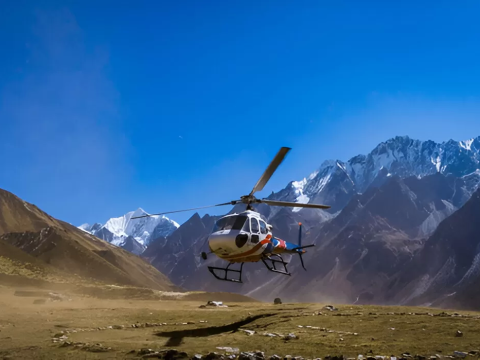
Heli tours in Nepal offer an extraordinary way to experience the country's majestic landscapes, from the towering peaks of the Himalayas to serene, remote villages that are otherwise difficult to access.
Nepal is often described as a land where ancient traditions meet spectacular natural beauty, making it a top destination for travelers in 2025/2026. A Nepal Tour with Asiana Treks and Tours is much more than sightseeing; it’s an immersive cultural and spiritual


 (2)
(2)  100% recommend (0)
 (0)
(0)