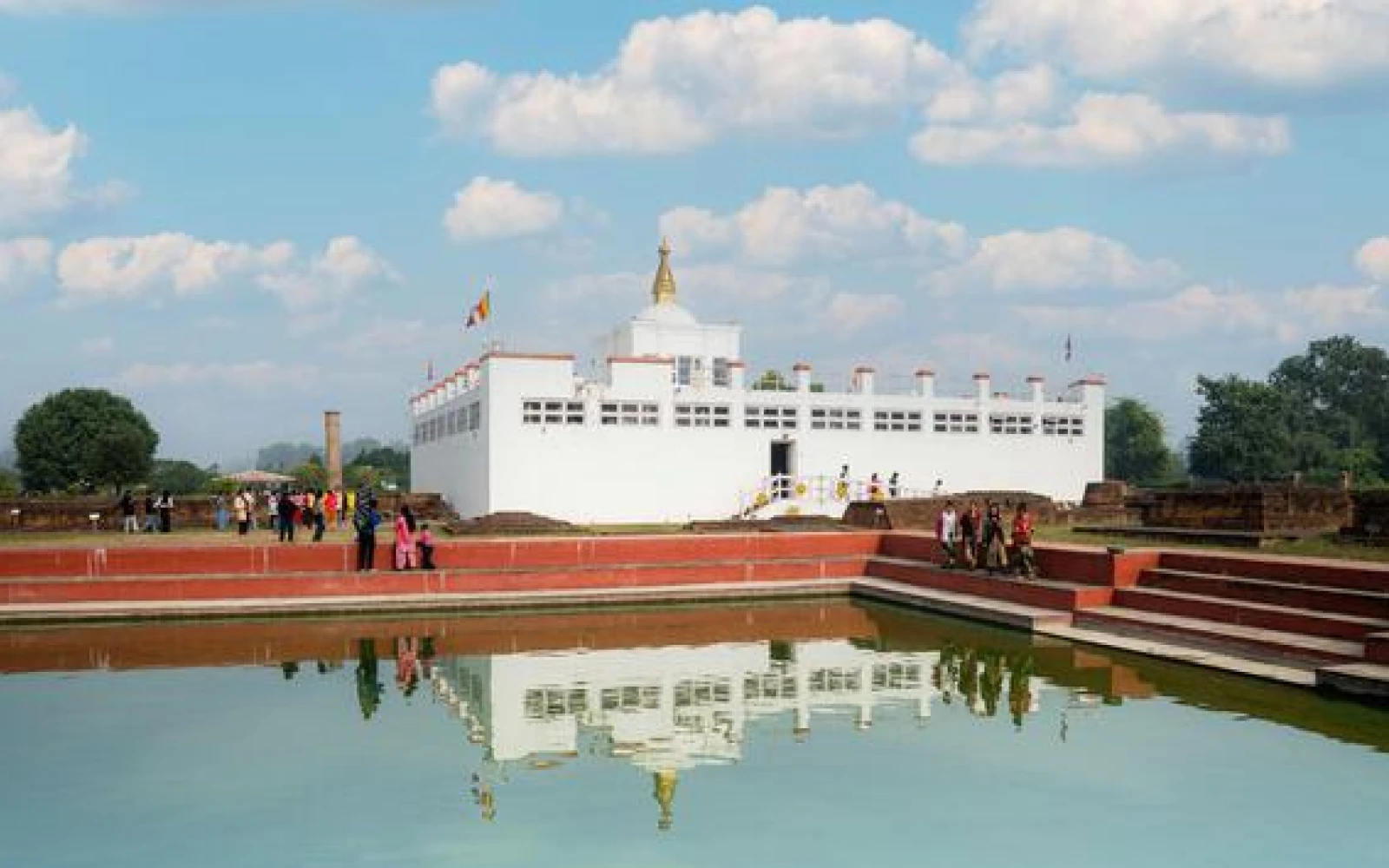
Nepal is a beautiful Himalayan country renowned for its ancient temples, sacred monasteries, religious festivals, and rich cultural traditions. As the birthplace of Lord Buddha and home to numerous important Hindu pilgrimage sites, Nepal offers visitors from around the world a unique spiritual experience. Hinduism and Buddhism have flourished together for centuries, creating a remarkable blend of religious beliefs, customs, rituals, and celebrations.
With Asiana Treks and Tours, travelers can discover the spiritual beauty of Nepal through carefully designed Hindu religious tours, Buddhist pilgrimage journeys, cultural sightseeing, and traditional festival experiences. From the sacred Pashupatinath Temple and Muktinath Temple to the peaceful monasteries of Namo Buddha and the holy birthplace of Lord Buddha in Lumbini, every destination offers a meaningful connection with Nepal's spiritual heritage.
Our religious and cultural journeys allow visitors to experience Nepal beyond ordinary sightseeing. Travelers can participate in traditional ceremonies, observe colorful festivals, interact with local communities, and explore sacred destinations surrounded by breathtaking Himalayan landscapes.
Highlights of Nepal's religious and cultural experiences:
Nepal is a land of diverse ethnic communities, religious beliefs, and centuries-old cultural traditions. Religious festivals play an essential role in Nepalese society, bringing families, communities, and visitors together through prayers, rituals, music, dance, traditional food, and joyful celebrations. Throughout the year, different regions of Nepal celebrate unique festivals according to their religious calendars, local customs, and historical traditions.
Hindu and Buddhist traditions are deeply connected in Nepalese culture. Many religious celebrations are observed by both communities, reflecting the country's remarkable religious harmony. Temples, monasteries, stupas, and pilgrimage sites become important gathering places during festivals, where devotees offer prayers, light butter lamps, perform rituals, and seek blessings for happiness, peace, prosperity, and good health.
For international travelers, experiencing Nepal's religious festivals provides an excellent opportunity to understand the country's history, spirituality, and cultural identity. Asiana Treks and Tours offers opportunities to explore these traditions through guided cultural sightseeing, religious tours, and visits to important festival destinations.
Important cultural traditions of Nepal include:
Nepal is one of the most important spiritual destinations for Hindu pilgrims, offering numerous sacred temples, holy rivers, and religious sites associated with Hindu mythology and traditions. The country is particularly famous for Pashupatinath Temple, dedicated to Lord Shiva, as well as Muktinath Temple, Manakamana Temple, and Janaki Mandir in Janakpur. These sacred destinations attract thousands of devotees seeking spiritual blessings, religious experiences, and inner peace.
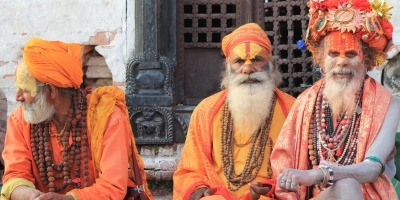
The Hindu Religious Tour in Nepal organized by Asiana Treks and Tours is designed to provide an unforgettable pilgrimage experience through the country's most significant Hindu destinations. This journey combines temple visits, traditional rituals, cultural exploration, and scenic travel through the Himalayan region, allowing travelers to experience both Nepal's religious heritage and natural beauty.
Hindu Religious Tour in Nepal – 10 Days Itinerary
Major attractions of the Hindu Religious Tour:
Nepal holds a special place in the Buddhist world as the birthplace of Siddhartha Gautama, Lord Buddha. The sacred land of Lumbini, where Buddha was born, is one of the most important Buddhist pilgrimage destinations and a UNESCO World Heritage Site. Nepal is also home to ancient Buddhist stupas, monasteries, meditation centers, and peaceful spiritual retreats that attract Buddhist pilgrims and travelers from around the globe.
The Buddhist Spiritual Nepal Tour offered by Asiana Treks and Tours provides an opportunity to explore Nepal's most meaningful Buddhist destinations while experiencing the peaceful atmosphere of monasteries and sacred landscapes. From the ancient spiritual center of Namo Buddha to the beautiful lakeside city of Pokhara and the holy birthplace of Lord Buddha in Lumbini, this journey combines Buddhist heritage, meditation, cultural discovery, and relaxation.
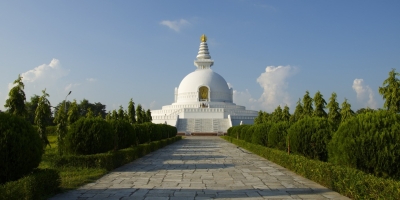
Travelers can learn about Buddhist philosophy, observe prayer ceremonies, explore monasteries, spin prayer wheels, and experience the peaceful lifestyle of Buddhist communities. This spiritual journey is suitable for pilgrims, Buddhist practitioners, cultural travelers, and anyone interested in discovering the teachings and heritage of Lord Buddha.
Buddhist Spiritual Nepal Tour – Itinerary
Major attractions of the Buddhist Spiritual Nepal Tour:
Nepal celebrates numerous Hindu festivals throughout the year, reflecting the country's deep religious devotion, traditional values, and cultural diversity. These festivals bring people together through worship, family gatherings, traditional music, dancing, colorful decorations, and religious ceremonies. Each festival has its own historical significance and spiritual meaning, providing visitors with an excellent opportunity to experience Nepalese culture and hospitality.
Among the most popular Hindu festivals are Dashain, Tihar, Holi, Maha Shivaratri, Teej, and Janai Purnima. During these celebrations, temples become crowded with devotees, streets are decorated with lights and flowers, and communities participate in traditional rituals. International travelers visiting Nepal during festival seasons can enjoy a fascinating cultural experience while learning about Hindu mythology and religious customs.
Major Hindu Festivals in Nepal
1. Dashain Festival
Dashain is Nepal's biggest Hindu festival, celebrated for approximately 15 days in honor of Goddess Durga and the victory of good over evil. Families gather together, visit temples, receive tika and jamara blessings from elders, and celebrate with traditional meals and cultural activities.
2. Tihar Festival
Tihar, also known as the festival of lights, is a five-day celebration honoring different animals, including crows, dogs, and cows, as well as Goddess Laxmi. Houses are decorated with colorful lights, oil lamps, and marigold garlands, creating a beautiful festive atmosphere throughout Nepal.
3. Maha Shivaratri
Maha Shivaratri is one of the most important Hindu festivals dedicated to Lord Shiva. Thousands of Hindu devotees and holy men gather at Pashupatinath Temple in Kathmandu to offer prayers, perform religious rituals, meditate, and observe fasting. It is one of the most significant spiritual events in Nepal.
4. Holi – Festival of Colors
Holi is a joyful Hindu festival celebrating the arrival of spring and the victory of good over evil. People celebrate by applying colorful powders, throwing colored water, singing, dancing, and sharing happiness with friends and family.
5. Teej Festival
Teej is a traditional Hindu festival primarily celebrated by women, especially in honor of Goddess Parvati and Lord Shiva. Women wear beautiful red clothing, visit temples, sing traditional songs, dance, and observe fasting while praying for marital happiness and family well-being.
6. Janai Purnima
Janai Purnima is a sacred Hindu festival during which many Hindu men change their sacred thread, known as Janai, while devotees receive a protective thread called Raksha Bandhan. Pilgrimage destinations such as Gosaikunda attract devotees during this religious celebration.
Why experience Hindu festivals in Nepal?
Buddhist festivals in Nepal celebrate the life, teachings, and spiritual contributions of Lord Buddha while preserving centuries-old religious traditions. These celebrations are particularly important in Buddhist communities across Kathmandu Valley, the Himalayan region, and Lumbini. Monasteries, stupas, and Buddhist pilgrimage sites become centers of spiritual activities, including prayers, meditation, chanting, butter lamp offerings, and religious processions.
Buddhist celebrations in Nepal provide an opportunity for travelers to experience the country's peaceful spiritual atmosphere and cultural diversity. Many festivals are associated with important events in the life of Lord Buddha, while others reflect Tibetan Buddhist traditions, Himalayan culture, and the teachings of compassion, wisdom, and non-violence.
Through Asiana Treks and Tours, visitors can explore important Buddhist destinations and experience selected religious celebrations depending on their travel dates. Our cultural and spiritual journeys offer meaningful opportunities to observe traditional ceremonies, visit monasteries, and understand Buddhist philosophy.
Major Buddhist Festivals in Nepal
1. Buddha Jayanti
Buddha Jayanti, also known as Buddha Purnima, is the most important Buddhist festival in Nepal. It celebrates the birth, enlightenment, and Mahaparinirvana of Gautama Buddha. The main celebrations take place in Lumbini, the birthplace of Buddha, as well as at Boudhanath and Swayambhunath stupas in Kathmandu.
Devotees visit monasteries and sacred sites, offer prayers, light butter lamps, chant Buddhist scriptures, and participate in religious processions. The festival provides a wonderful opportunity to experience the spiritual importance of Buddhism in Nepal.
2. Losar – Tibetan New Year
Losar is the traditional New Year celebration observed by different Himalayan Buddhist communities, including Sherpa, Tamang, and Tibetan communities. The festival is celebrated with family gatherings, traditional food, cultural dances, prayers, and monastery ceremonies.
Different communities observe their own Losar traditions and calendars. Visitors can experience colorful traditional clothing, cultural performances, and Buddhist religious celebrations in various parts of Nepal.
3. Lhosar and Tamang Cultural Celebrations
Tamang Lhosar is an important New Year celebration among the Tamang community of Nepal. The festival includes traditional music, cultural dances, family gatherings, religious prayers, and community celebrations. It reflects the strong relationship between Himalayan Buddhist traditions and Nepalese cultural heritage.
4. Mani Rimdu Festival
Mani Rimdu is a major Tibetan Buddhist festival celebrated in the Everest region, especially at Tengboche Monastery. The festival includes sacred masked dances, prayers, religious teachings, and traditional ceremonies performed by Buddhist monks.
This celebration represents the victory of positive forces over negativity and provides visitors with a fascinating insight into Himalayan Buddhist traditions.
5. Gyalpo Lhosar
Gyalpo Lhosar is an important Tibetan Buddhist New Year festival celebrated by Sherpa and Tibetan communities. The celebration features monastery prayers, traditional dances, family gatherings, and special festive meals. It is particularly significant in Himalayan communities and Buddhist settlements throughout Nepal.
6. Samyak Mahadan
Samyak Mahadan is a traditional Buddhist festival celebrated by the Newar Buddhist community, particularly in the Kathmandu Valley. The celebration involves offerings of food and religious gifts to Buddha images, monks, and members of the Buddhist community. It represents generosity, compassion, and the importance of supporting the Buddhist Sangha.
Why explore Buddhist festivals in Nepal?
Experience Nepal's spiritual heritage with Asiana Treks and Tours
Nepal offers an extraordinary combination of Hindu pilgrimage destinations, Buddhist sacred sites, colorful religious festivals, and traditional cultural celebrations. Whether you wish to receive blessings at Muktinath Temple, explore the sacred Pashupatinath Temple, meditate at Namo Buddha, or visit the birthplace of Lord Buddha in Lumbini, every journey offers a deeper understanding of Nepal's spiritual identity.
Asiana Treks and Tours welcomes pilgrims, cultural explorers, families, and international travelers to discover Nepal through meaningful religious and cultural experiences. We organize customized Hindu pilgrimage tours, Buddhist spiritual journeys, festival tours, and cultural sightseeing packages to help you experience the authentic traditions and spiritual beauty of Nepal.
Join Asiana Treks and Tours and discover the sacred heart of Nepal through its religious festivals, cultural traditions, and spiritual celebrations.
Nepal is a fascinating destination known for its ancient cultural heritage, diverse ethnic communities, traditional lifestyles, and rich religious practices. Located in the heart of the Himalayas, Nepal has preserved centuries-old customs, rituals, architecture, art, music, and festivals. Hinduism and Buddhism are the two major religions that have significantly influenced Nepalese society, creating a unique cultural environment where different religious communities live together in harmony.
From the historic temples and traditional courtyards of Kathmandu Valley to the peaceful monasteries of the Himalayan region, every part of Nepal reflects a remarkable cultural identity. Visitors can explore ancient palaces, UNESCO World Heritage Sites, traditional Newari settlements, Buddhist stupas, and sacred Hindu temples while learning about the country's fascinating history and spiritual traditions.
With Asiana Treks and Tours, travelers can discover Nepal's authentic cultural heritage through guided sightseeing, religious journeys, local experiences, and festival tours. Our cultural tours provide opportunities to interact with local communities, observe traditional ceremonies, taste authentic Nepalese cuisine, and understand the customs and lifestyles that make Nepal special.
Major cultural attractions and experiences in Nepal:
Nepal is one of Asia's most important destinations for spiritual pilgrimage and religious exploration. The country is home to numerous sacred Hindu temples, Buddhist monasteries, holy rivers, ancient stupas, and pilgrimage destinations that attract devotees from Nepal, India, Tibet, and other parts of the world. These spiritual sites are associated with important religious figures, ancient mythology, Buddhist philosophy, and centuries-old traditions.
Hindu pilgrims visit sacred destinations such as Pashupatinath Temple, Muktinath Temple, Manakamana Temple, and Janaki Mandir to offer prayers and seek divine blessings. Similarly, Buddhist pilgrims travel to Lumbini, the birthplace of Lord Buddha, as well as Namo Buddha, Boudhanath Stupa, and Swayambhunath Stupa to experience meditation, prayer ceremonies, and Buddhist teachings.
Asiana Treks and Tours organizes spiritual pilgrimage journeys that combine religious exploration, cultural sightseeing, and beautiful Himalayan landscapes. Whether you are planning a Hindu pilgrimage, a Buddhist spiritual retreat, or a combined religious tour, our team can arrange customized travel experiences according to your interests, schedule, and spiritual preferences.
Popular spiritual pilgrimage destinations in Nepal:
Highlights of spiritual pilgrimage tours:
Nepal is famous for its colorful religious festivals, which reflect the country's deep spiritual beliefs, cultural diversity, and traditional values. Throughout the year, different communities celebrate festivals associated with Hindu gods and goddesses, Buddhist teachings, seasonal changes, historical events, and local traditions. These celebrations bring families and communities together through prayers, traditional music, dancing, religious processions, and cultural performances.
Religious festivals in Nepal are not only occasions for celebration but also important expressions of faith, gratitude, devotion, and cultural identity. During these events, temples and monasteries become centers of religious activities, while streets and public squares are decorated with flowers, colorful lights, traditional ornaments, and religious symbols. Visitors can experience the warm hospitality of local people and gain a deeper understanding of Nepalese culture.
With Asiana Treks and Tours, international visitors can discover Nepal's most famous religious festivals through specially arranged cultural and festival tours. Depending on the travel season, travelers can observe traditional ceremonies, visit important religious sites, and experience authentic celebrations with local communities.
Some of Nepal's most famous religious festivals include:
Why experience religious festivals in Nepal?
Hindu festivals are an important part of Nepalese culture and daily life. Among the many celebrations observed throughout the country, Dashain and Tihar are the two biggest Hindu festivals, celebrated with great enthusiasm by families and communities. These festivals represent religious devotion, family unity, blessings, prosperity, and the victory of good over evil. During festival periods, Nepal becomes especially colorful, with decorated homes, crowded temples, traditional music, and joyful gatherings.
Dashain is celebrated in honor of Goddess Durga and her victory over the forces of evil. The festival lasts approximately 15 days, with the most important celebrations taking place during the final days. Families gather to receive tika and jamara blessings from elders, exchange greetings, enjoy traditional meals, and celebrate together. It is one of the most meaningful occasions for family reunions in Nepal.
Tihar, also known as the festival of lights, follows Dashain and is celebrated over five days. Each day has its own religious and cultural significance, including the worship of crows, dogs, cows, and Goddess Laxmi. Homes are decorated with oil lamps, colorful rangoli designs, flowers, and electric lights. During Bhai Tika, sisters offer blessings to their brothers, celebrating the special relationship between siblings.
Major Hindu celebrations in Nepal:
Through the cultural festival experiences organized by Asiana Treks and Tours, visitors can explore Nepal during these important celebrations and learn about their religious meanings and traditional practices. Our team can help travelers plan their visits around festival dates, explore important temples, and experience local celebrations while respecting cultural customs.
Highlights of Hindu festival experiences:
Nepal holds a special place in the Buddhist world because it is the birthplace of Siddhartha Gautama, Lord Buddha, who founded Buddhism more than 2,500 years ago. The sacred birthplace of Buddha is located in Lumbini, in the southern plains of Nepal, and is recognized as a UNESCO World Heritage Site. Buddhist heritage is deeply connected to Nepal's history, architecture, philosophy, art, and cultural traditions.
Buddha Jayanti, also known as Buddha Purnima or Vesak, is the most important Buddhist celebration in Nepal. It commemorates three significant events in the life of Gautama Buddha: his birth, enlightenment, and Mahaparinirvana. The festival is celebrated on the full moon day of the month of Baisakh, generally in April or May. Thousands of Buddhist devotees visit Lumbini, Boudhanath, and Swayambhunath to offer prayers, light butter lamps, chant Buddhist scriptures, and participate in religious processions.
During Buddha Jayanti, Lumbini becomes a major center of Buddhist spiritual activities. Devotees visit Maya Devi Temple, the sacred birthplace of Buddha, the Ashoka Pillar, and the surrounding monasteries established by different Buddhist countries. The peaceful atmosphere, prayer ceremonies, colorful decorations, and spiritual gatherings make this celebration an unforgettable cultural experience.
Asiana Treks and Tours offers Buddhist heritage tours and spiritual journeys that introduce travelers to Nepal's most important Buddhist destinations. Our tours can include Lumbini, Namo Buddha, Boudhanath Stupa, Swayambhunath Stupa, and the peaceful monasteries of Kathmandu Valley. Visitors can explore Buddhist architecture, observe religious ceremonies, learn about meditation, and understand the teachings of compassion, wisdom, peace, and non-violence.
Major Buddhist heritage attractions in Nepal:
Important Buddhist festivals and celebrations:
Why discover Nepal's Buddhist heritage with Asiana Treks and Tours?
Through its religious festivals, ancient temples, sacred monasteries, and traditional cultural celebrations, Nepal offers an unforgettable spiritual journey. Asiana Treks and Tours invites you to discover the country's remarkable Hindu and Buddhist heritage while experiencing the authentic traditions, religious harmony, and spiritual beauty of Nepal.
Nepal is home to many ethnic communities, each preserving its own traditional festivals, religious beliefs, and cultural celebrations. Among them, the Newar community of the Kathmandu Valley is particularly famous for its rich cultural heritage, traditional architecture, unique rituals, and colorful festivals. Newari culture has played an important role in shaping Nepal's religious and artistic identity through centuries-old traditions, craftsmanship, music, dance, and community celebrations.
The historic cities of Kathmandu, Bhaktapur, and Patan are the main centers of Newari culture. These ancient settlements feature beautiful temples, traditional courtyards, Buddhist monasteries, historic palaces, and traditional Newari houses. Throughout the year, local communities celebrate various festivals featuring chariot processions, masked dances, religious ceremonies, traditional music, and cultural performances.
With Asiana Treks and Tours, travelers can explore the fascinating Newari heritage through guided cultural sightseeing and traditional festival experiences. Visitors can discover ancient traditions, observe religious ceremonies, enjoy authentic Newari cuisine, and interact with local communities to understand their unique cultural lifestyles.
Major Newari festivals and cultural celebrations include:
Cultural experiences for visitors:
Nepal is a remarkable spiritual destination with countless sacred temples, Buddhist monasteries, stupas, and pilgrimage sites. These religious monuments reflect the country's ancient history, religious traditions, and architectural excellence. Hinduism and Buddhism have influenced Nepalese society for centuries, creating a unique spiritual landscape where temples and monasteries often exist close to one another.
From the sacred Pashupatinath Temple in Kathmandu to the peaceful monasteries of Lumbini and the Himalayan region, Nepal offers countless opportunities for religious exploration and spiritual reflection. These destinations attract Hindu and Buddhist pilgrims, meditation practitioners, cultural explorers, and international visitors interested in understanding Nepal's religious heritage.
Asiana Treks and Tours organizes religious and spiritual journeys to Nepal's most important pilgrimage destinations. Our tours allow visitors to explore sacred temples, observe traditional religious ceremonies, experience Buddhist monastery life, and discover the spiritual significance of Nepal's historic religious sites.
Major Hindu temples and pilgrimage sites:
Major Buddhist monasteries and sacred sites:
Spiritual experiences available in Nepal:
Nepal is a multicultural country with numerous indigenous communities that have preserved their unique religious beliefs, traditional rituals, festivals, and lifestyles for generations. These communities contribute significantly to Nepal's cultural diversity through traditional music, dances, seasonal celebrations, agricultural customs, ancestral worship, and community ceremonies.
The indigenous communities of Nepal include the Tharu, Tamang, Gurung, Magar, Sherpa, Rai, Limbu, Newar, and many others. Each community has its own traditions and celebrations influenced by its history, geographical environment, religious beliefs, and social customs. These festivals provide an excellent opportunity for visitors to understand the connection between local communities, nature, spirituality, and traditional lifestyles.
With Asiana Treks and Tours, travelers can explore indigenous cultures through village visits, cultural sightseeing, traditional festivals, and local experiences. Our cultural journeys offer opportunities to interact with local people, observe traditional ceremonies, enjoy authentic food, and learn about the customs and heritage of different ethnic communities.
Important indigenous festivals and traditional celebrations:
Cultural activities and experiences:
Nepal offers visitors a unique opportunity to experience a lifestyle deeply connected with religion, spirituality, family traditions, and community values. Religious practices are an important part of everyday life, and visitors can frequently observe people offering prayers at temples, lighting butter lamps at monasteries, spinning prayer wheels, and participating in traditional ceremonies. These everyday activities reflect the importance of faith, devotion, and spirituality in Nepalese society.
The cultural lifestyle of Nepal is also reflected in its traditional food, clothing, architecture, hospitality, music, and social customs. In Kathmandu Valley, visitors can explore historic Newari settlements and enjoy traditional festivals, while in the Himalayan region they can experience Buddhist monastery life and mountain communities. In the Terai region, travelers can discover vibrant Mithila art, traditional Maithili culture, and the religious heritage of Janakpur.
Asiana Treks and Tours provides opportunities to experience Nepal beyond ordinary sightseeing through cultural tours, religious journeys, local village visits, and festival experiences. Our aim is to introduce visitors to the authentic lifestyle of Nepal while encouraging respectful cultural interactions and meaningful travel experiences.
Unique cultural and spiritual experiences in Nepal:
Why experience Nepal's cultural lifestyle?
Nepal can be visited throughout the year, but the best time for religious festivals and cultural experiences depends on the celebrations and destinations you wish to explore. Different Hindu, Buddhist, and indigenous festivals take place according to traditional lunar and cultural calendars. Therefore, travelers can plan their visits around important celebrations to experience Nepal's religious heritage and cultural diversity more closely.
Spring (March to May) and autumn (September to November) are generally considered excellent seasons for cultural sightseeing and religious tours because of comfortable temperatures and favorable travel conditions in many parts of the country. Spring is particularly suitable for experiencing Holi and Buddha Jayanti, while autumn is a wonderful period for celebrating Dashain, Tihar, and various traditional festivals.
Winter and summer also offer opportunities to experience Nepalese festivals and cultural traditions. Winter is associated with several New Year celebrations, including different Losar festivals, while summer brings traditional celebrations such as Rato Machhindranath Jatra, depending on the lunar calendar. The monsoon season can bring heavy rainfall, particularly affecting road travel and mountain flights, so additional planning is recommended.
Best seasons for religious festivals and cultural tours:
1. Spring Season (March–May)
Spring is one of the best times to explore Nepal's cultural and religious attractions. The weather is generally pleasant, flowers bloom across the hills, and many important celebrations take place during this season.
Major experiences:
2. Summer and Monsoon Season (June–August)
Summer and monsoon bring rainfall to many parts of Nepal, creating green landscapes and beautiful countryside scenery. Although some outdoor activities may be affected by rain, visitors can still explore religious sites, cultural attractions, and traditional festivals.
Major experiences:
3. Autumn Season (September–November)
Autumn is one of the most popular travel seasons in Nepal because of its pleasant weather, clear mountain views, and major religious celebrations. It is particularly suitable for visitors interested in experiencing Nepal's most famous Hindu festivals.
Major experiences:
4. Winter Season (December–February)
Winter is an excellent period for cultural sightseeing in Kathmandu, Pokhara, and the southern lowlands. The weather can be cold in the Himalayan region, but many cultural and religious experiences remain available in lower-altitude destinations.
Major experiences:
Travel tips for visiting Nepal during religious festivals:
Nepal is much more than a destination for Himalayan adventures and natural beauty. It is a country filled with ancient religious traditions, colorful cultural festivals, sacred pilgrimage sites, historic temples, peaceful monasteries, and diverse indigenous communities. From the traditional Newari celebrations of Kathmandu Valley to the spiritual atmosphere of Lumbini and the Himalayan Buddhist festivals, every region offers something unique to discover.
The country's Hindu and Buddhist traditions have shaped its history, architecture, lifestyle, and cultural identity for centuries. Festivals such as Dashain, Tihar, Holi, Buddha Jayanti, Indra Jatra, and Losar provide visitors with opportunities to understand Nepalese beliefs, experience local celebrations, and connect with the country's rich spiritual heritage.
Whether you are interested in visiting sacred temples, exploring Buddhist monasteries, witnessing traditional cultural performances, or participating in religious festivals, Nepal offers unforgettable experiences for every cultural and spiritual traveler.
Asiana Treks and Tours warmly welcomes you to explore Nepal's religious and cultural heritage through professionally organized pilgrimage tours, Buddhist spiritual journeys, cultural sightseeing, indigenous village experiences, and festival tours. Our team is dedicated to creating memorable travel experiences that introduce you to the authentic traditions, spiritual values, and cultural beauty of Nepal.
Discover Nepal with Asiana Treks and Tours and experience:
Explore the spiritual heart of Nepal, experience its living cultural heritage, and create unforgettable memories with Asiana Treks and Tours.
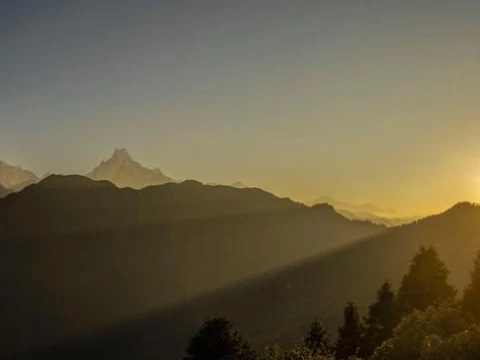
Nepal is a beautiful Himalayan destination offering an extraordinary combination of natural beauty, cultural heritage, adventure, wildlife, spirituality, and unforgettable travel experiences. From the breathtaking Himalayan mountain ranges and peaceful hill stations to ancient UNESCO World Heritage Sites, tropical jungles, and traditional villages, Nepal has something special for every traveler.
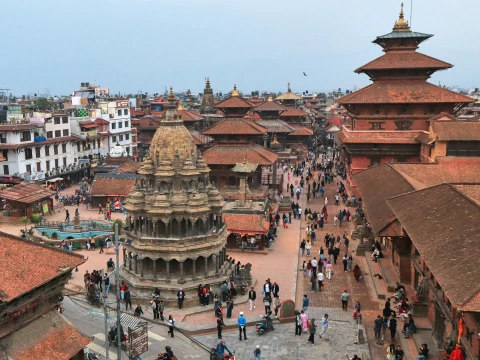
Nepal is more than just a destination for Himalayan trekking; it is a beautiful country filled with ancient temples, historic cities, peaceful monasteries, breathtaking mountain landscapes, and rich cultural traditions. Before beginning your Himalayan trekking adventure, spending a few days exploring Nepal allows you to experience its unique beauty, understand local traditions, and prepare yourself for the incredible journey ahead.
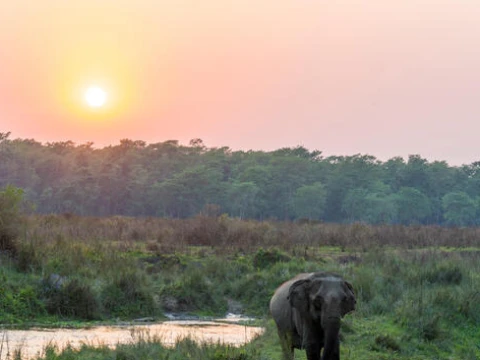
Nepal is a country of extraordinary natural beauty, offering an incredible combination of lush tropical jungles, peaceful wetlands, dense forests, diverse wildlife, colorful birds, and magnificent Himalayan landscapes. Beyond its famous mountains and trekking trails, Nepal is home to some of South Asia's most remarkable wildlife habitats and natural treasures.


 (2)
 100% recommend (0)

 (0)