
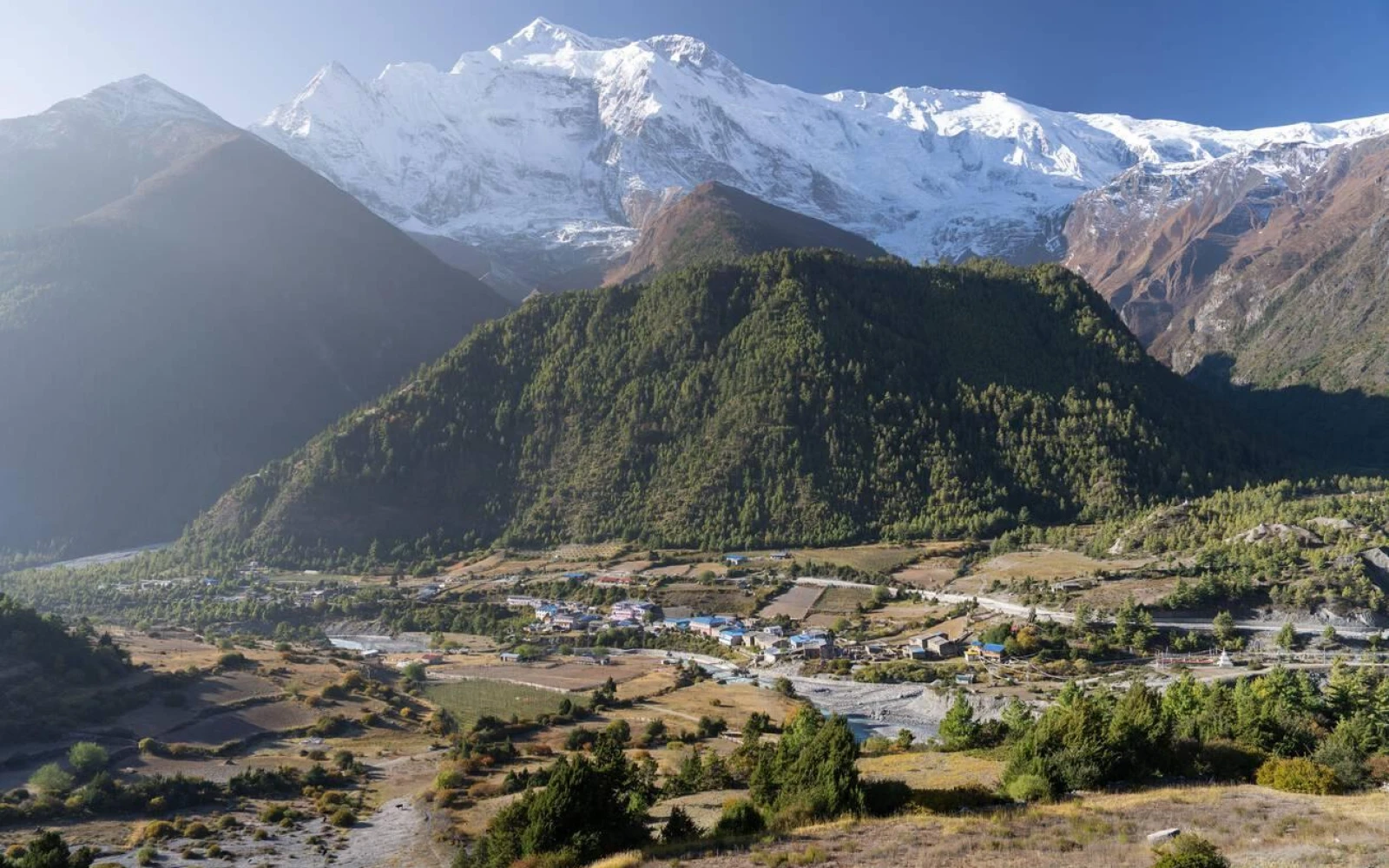
Lower Pisang is one of the most memorable settlements along the world-famous Annapurna Circuit trekking route. Situated at an elevation of 3,200 meters (10,500 feet), this beautiful Himalayan village welcomes trekkers with dramatic mountain scenery, traditional culture, and comfortable resting points before entering the higher alpine landscapes of Manang. Surrounded by pine forests, rugged cliffs, and the flowing Marsyangdi River, Lower Pisang serves as an important transition point between the lower green valleys and the drier Tibetan-influenced regions of the Annapurna area.
Trekkers arriving in Lower Pisang are often impressed by the panoramic views of snow-covered peaks, especially Annapurna II. The village is known for its warm hospitality, traditional teahouses, and easy accessibility compared to some of the more remote Himalayan settlements. Many visitors spend extra time here to acclimatize, explore nearby monasteries, and enjoy the peaceful mountain atmosphere before continuing toward Manang and Thorong La Pass.
With years of experience in Himalayan trekking adventures, Asiana Treks and Tours helps travelers experience the authentic beauty of Lower Pisang through professionally guided Annapurna Circuit journeys. Their local expertise, knowledgeable guides, and carefully planned itineraries ensure trekkers enjoy both safety and cultural immersion throughout the trek.
Key Highlights of Lower Pisang
Lower Pisang is more than just a trekking stop; it is a cultural and scenic gateway into the higher Himalayas of Nepal. Nestled beside the Marsyangdi River, the village combines traditional mountain lifestyles with modern trekking facilities. Travelers passing through the Annapurna Circuit often appreciate Lower Pisang for its relaxed environment, welcoming locals, and breathtaking surroundings.
The village has gradually evolved into a major trekking hub due to improved road access and growing tourism. Despite these developments, Lower Pisang still retains much of its traditional Himalayan charm. Stone-built houses, prayer flags fluttering in the wind, and local yak caravans continue to define the village atmosphere. Trekkers can observe a blend of Nepali and Tibetan cultures reflected in the architecture, food, clothing, and religious practices of the local people.
Lower Pisang also acts as a resting and acclimatization point for trekkers preparing for higher elevations. Spending a night here helps travelers adjust to the thinner mountain air while enjoying one of the most picturesque sections of the Annapurna region.
What Makes Lower Pisang Special?
Lower Pisang is located in the Manang District of Gandaki Province in central Nepal. The village lies along the legendary Annapurna Circuit trekking route, one of the most celebrated long-distance trekking trails in the world. Positioned beside the Marsyangdi River, Lower Pisang sits between Chame and Manang, making it a strategic overnight destination for trekkers heading deeper into the Annapurna region.
The village is surrounded by spectacular Himalayan landscapes, including dense pine forests, steep rock formations, and snow-capped peaks. One of the most dominant mountains visible from the village is Annapurna II, whose towering presence creates a dramatic backdrop for trekkers and photographers alike. Due to its elevation and geographic position, Lower Pisang offers a unique combination of alpine scenery and cultural richness.
Travelers can reach Lower Pisang either by trekking from Chame or by jeep via rough mountain roads. Most standard Annapurna Circuit itineraries include Lower Pisang as a Day 5 destination after starting from Besisahar.
Geographic Details
Lower Pisang plays a crucial role on the Annapurna Circuit because it acts as a major acclimatization and resting point before trekkers continue toward higher altitudes. As travelers gain elevation rapidly during the trek, villages like Lower Pisang become essential for helping the body adjust to changing oxygen levels. The village provides comfortable accommodation, nutritious meals, and a relatively relaxed trekking environment that supports safe altitude adaptation.
Another important aspect of Lower Pisang is its position as a cultural crossroads. The village marks the gradual transition from the lush lower Himalayan valleys into the dry, Tibetan-influenced landscapes of upper Manang. Visitors notice significant changes in architecture, religion, language, and local traditions as they move through this region. This cultural diversity adds a deeper and more meaningful experience to the Annapurna Circuit trek.
Lower Pisang is also important because it offers route options for trekkers. From here, travelers can either continue through the easier lower trail or take the more scenic Upper Pisang route, which rewards hikers with extraordinary views, ancient monasteries, and traditional Himalayan villages.
Importance of Lower Pisang
The trek from Chame to Lower Pisang is one of the most scenic and rewarding sections of the legendary Annapurna Circuit. This route takes trekkers through dense pine forests, suspension bridges, dramatic rocky cliffs, and traditional Himalayan villages. The trail gradually climbs alongside the Marsyangdi River, offering trekkers stunning views of towering snow-capped peaks and peaceful mountain landscapes. The journey usually takes around 5 to 6 hours, depending on walking pace and weather conditions.
One of the most unforgettable moments along this route is crossing the narrow valley section where the massive Paungda Danda rock face dramatically rises above the river. Trekkers often stop here to admire the breathtaking natural scenery and capture photographs of the Himalayan surroundings. As the trail opens toward Lower Pisang, panoramic views of Annapurna II begin to dominate the skyline, creating an unforgettable trekking experience.
Professional trekking companies like Asiana Treks and Tours carefully organize this section of the Annapurna Circuit to ensure trekkers enjoy both comfort and safety while experiencing the authentic beauty of the Nepal Himalayas.
Highlights of the Chame to Lower Pisang Trek
Lower Pisang is surrounded by some of the most spectacular natural scenery in the Annapurna region. Towering mountains, alpine forests, glacial rivers, and dramatic valleys create a breathtaking Himalayan environment that attracts trekkers from around the world. The village itself lies in a wide valley with uninterrupted views of snow-covered peaks, making it one of the most photogenic stops on the Annapurna Circuit.
The sunrise and sunset views from Lower Pisang are especially remarkable. As golden light touches the icy slopes of Annapurna II and nearby Himalayan peaks, the entire valley transforms into a magical landscape. Trekkers can also enjoy peaceful walks around the village, where prayer flags flutter in the mountain wind, and the sounds of the Marsyangdi River echo through the valley. Nature lovers and photographers often spend extra time here simply to enjoy the calm atmosphere and dramatic scenery.
The surrounding region is also rich in biodiversity. Trekkers may encounter Himalayan birds, grazing yaks, blue sheep, and a variety of alpine vegetation while exploring nearby trails and hillsides.
Natural Attractions Around Lower Pisang
Lower Pisang offers travelers a fascinating opportunity to experience the rich culture and traditions of the Gurung and Tibetan-influenced communities living in the Annapurna region. The local people have preserved their unique customs, religious beliefs, and mountain lifestyles for generations despite the growing popularity of trekking tourism. Visitors are welcomed with genuine hospitality and can observe a way of life deeply connected to the Himalayan environment.
Buddhism plays a major role in the daily lives of the residents. Prayer wheels, mani walls, chortens, and colorful prayer flags can be seen throughout the village and surrounding trails. Monasteries located near Upper Pisang continue to serve as spiritual centers where monks practice traditional rituals and prayers. The influence of Tibetan culture becomes increasingly visible as trekkers move higher into the Manang region.
The traditional lifestyle in Lower Pisang revolves around farming, yak herding, and tourism. Families often manage teahouses and lodges while continuing agricultural activities during the warmer seasons. Sharing local meals, observing traditional clothing, and interacting with village elders provide trekkers with meaningful cultural experiences during their Himalayan journey.
Cultural Experiences in Lower Pisang
The traditional architecture of Lower Pisang reflects centuries of adaptation to the harsh Himalayan climate and strong Tibetan cultural influence. Stone-built houses with flat roofs, wooden windows, and narrow alleyways create a timeless mountain atmosphere that fascinates visitors. These structures are designed to withstand cold winters, strong winds, and heavy snowfall while maintaining warmth inside the homes.
Walking through Lower Pisang and nearby Upper Pisang feels like stepping into a living Himalayan heritage site. Ancient mani walls carved with Buddhist prayers line the trails, while prayer flags decorate rooftops and village entrances. Many homes also feature stacked firewood, yak shelters, and small vegetable gardens, showcasing the self-sufficient mountain lifestyle of the local communities.
Upper Pisang, located slightly above the lower settlement, offers even more traditional scenery and cultural significance. Its ancient monastery, narrow stone pathways, and elevated mountain viewpoints make it a popular side excursion for trekkers staying in Lower Pisang.
Architectural Features of Lower Pisang
The best time to visit Lower Pisang is during the spring and autumn trekking seasons when weather conditions are most stable and mountain views are exceptionally clear. Spring, from March to May, brings mild temperatures, blooming rhododendron forests, and vibrant landscapes throughout the Annapurna region. This season is highly popular among trekkers because of the comfortable climate and colorful natural scenery.
Autumn, from September to November, is considered the peak trekking season for the Annapurna Circuit. After the monsoon rains, the skies become crystal clear, offering magnificent visibility of the Himalayan peaks. Temperatures remain pleasant during the daytime, while evenings are cooler at higher elevations like Lower Pisang. This period provides ideal conditions for photography, trekking, and cultural exploration.
Winter trekking is possible, but much colder, especially during the night. Monsoon season, from June to August, brings heavy rainfall, slippery trails, and reduced mountain visibility, making trekking more challenging.
With expert guidance from Asiana Treks and Tours, trekkers can choose the ideal season and itinerary for exploring Lower Pisang and the incredible Annapurna region safely and comfortably.
Best Seasons for Visiting Lower Pisang
Lower Pisang is one of the most comfortable and well-developed overnight stops along the Annapurna Circuit. The village offers a wide range of tea houses, trekking lodges, and guesthouses that cater to both budget travelers and trekkers seeking extra comfort in the Himalayas. Most accommodations are family-run establishments that provide warm hospitality, cozy rooms, and relaxing dining areas where trekkers gather after a long day on the trail.
The tea houses in Lower Pisang are designed to meet the essential needs of trekkers while maintaining a traditional mountain atmosphere. Rooms are generally simple but clean, often equipped with twin beds, blankets, and shared bathrooms. Many lodges also offer hot showers, Wi-Fi services, charging facilities, and heated dining halls during colder months. Staying in these local lodges allows travelers to experience authentic Himalayan culture while enjoying stunning mountain views directly from their windows.
Trekkers traveling with Asiana Treks and Tours benefit from carefully selected accommodation options that prioritize cleanliness, comfort, and scenic locations throughout the Annapurna Circuit journey.
Accommodation Features in Lower Pisang
The food experience in Lower Pisang is an important part of the Annapurna trekking adventure. After long hours of hiking through the Himalayas, trekkers can enjoy freshly prepared meals served in cozy tea houses with spectacular mountain scenery. The menus in Lower Pisang combine traditional Nepali dishes with Tibetan and international cuisine, giving travelers plenty of variety during their stay.
One of the most popular meals among trekkers is Dal Bhat, the traditional Nepali dish consisting of rice, lentil soup, vegetables, and pickles. It provides excellent energy for trekking and is often offered with unlimited refills. Tibetan bread, noodle soups, momos (dumplings), yak cheese, pancakes, pasta, and fried rice are also commonly available in local lodges. Hot drinks such as ginger tea, lemon tea, and masala chai are especially popular during cold mountain evenings.
Dining areas in Lower Pisang often become social gathering spaces where trekkers from around the world share stories and trekking experiences. Sitting around a warm stove while enjoying Himalayan meals creates a memorable atmosphere that adds to the charm of the Annapurna Circuit.
Popular Foods in Lower Pisang
Lower Pisang is not only a resting stop but also a gateway to several beautiful hiking trails and side excursions in the Annapurna region. Many trekkers use the village as a base for acclimatization walks and scenic hikes that offer incredible views of the Himalayan landscape. The trails around Lower Pisang provide opportunities to explore forests, monasteries, high viewpoints, and traditional mountain settlements.
One of the most popular short hikes is the trail to Upper Pisang. This uphill walk rewards trekkers with panoramic mountain views, traditional stone villages, and access to an ancient Buddhist monastery overlooking the valley. Another scenic option is hiking toward Ghyaru and Ngawal, where trekkers can experience quieter trails and stunning Himalayan vistas before rejoining the main Annapurna Circuit route.
These hiking trails are especially useful for acclimatization because they allow trekkers to gain altitude gradually before descending back to Lower Pisang for overnight rest. Professional trekking guides from Asiana Treks and Tours help travelers choose the best routes based on fitness level, weather conditions, and trekking goals.
Popular Hiking Routes Near Lower Pisang
Trekkers on the Annapurna Circuit often compare Lower Pisang and Upper Pisang when deciding where to stay or explore. Both villages offer unique experiences, and the better choice depends on the traveler’s interests, trekking style, and physical condition. Lower Pisang is more accessible and comfortable, while Upper Pisang offers a more traditional and scenic Himalayan atmosphere.
Lower Pisang lies on the valley floor and provides easier walking access, better accommodation choices, and larger dining facilities. It is ideal for trekkers looking for comfort, convenience, and less strenuous climbing after a long trekking day. The village also serves as an important transportation and trekking junction within the Annapurna region.
Upper Pisang, on the other hand, sits approximately 100 meters higher on the hillside and offers more spectacular mountain views and stronger Tibetan cultural influences. Its ancient monastery, traditional stone architecture, and quieter atmosphere attract trekkers seeking authenticity and panoramic scenery. However, reaching Upper Pisang requires a steeper uphill climb, which may be more challenging for some travelers.
Lower Pisang vs Upper Pisang
Lower Pisang
Upper Pisang
Lower Pisang is considered one of the best photography destinations on the Annapurna Circuit because of its dramatic mountain scenery and traditional Himalayan landscapes. Trekkers and photographers are rewarded with endless opportunities to capture snow-covered peaks, alpine valleys, rivers, monasteries, and authentic mountain village life. The changing light throughout the day creates spectacular colors across the Annapurna range.
Sunrise in Lower Pisang is especially breathtaking. Early in the morning, golden sunlight slowly illuminates the icy slopes of Annapurna II, creating unforgettable panoramic views. Upper Pisang and nearby hillside viewpoints are among the most popular photography locations for capturing sunrise and sunset scenes over the Himalayas. Prayer flags fluttering against snowy peaks create iconic images that perfectly represent the beauty of Nepal trekking.
Photographers visiting the area often spend additional time exploring nearby ridges, forests, and monastery viewpoints to capture different perspectives of the Annapurna landscape. With organized trekking support from Asiana Treks and Tours, travelers can experience the best scenic and photography locations safely and comfortably.
Best Photography Spots in Lower Pisang
Lower Pisang sits at an elevation of 3,200 meters (10,500 feet) in the heart of the Annapurna Circuit, making it an important altitude point for trekkers heading toward the higher Himalayan regions. At this elevation, the air becomes thinner, temperatures become cooler, and trekkers begin to experience the physical effects of high-altitude trekking. Proper acclimatization is essential, and many travelers choose to spend extra time in Lower Pisang to allow their bodies to adjust gradually before continuing toward Manang and Thorong La Pass.
The weather in Lower Pisang changes significantly depending on the season. Spring and autumn provide the most stable trekking conditions with clear skies, mild daytime temperatures, and excellent mountain visibility. Winter brings cold temperatures and occasional snowfall, while the monsoon season creates wet trails, cloud cover, and slippery conditions. Due to the mountain environment, the weather can change rapidly throughout the day, making proper preparation extremely important for trekkers.
Trekkers traveling with Asiana Treks and Tours receive professional guidance regarding altitude management, weather conditions, and safe trekking practices throughout the Annapurna region.
Trekking Conditions in Lower Pisang
Trekking to Lower Pisang is an unforgettable experience, but proper preparation is necessary for a safe and enjoyable journey. Since the village lies at a high altitude, trekkers should walk at a steady pace, remain hydrated, and avoid overexertion. Acclimatization plays a major role in preventing altitude sickness, and spending extra time resting and exploring nearby trails can help the body adjust naturally.
Packing the right equipment is equally important for Himalayan trekking. Warm clothing, layered jackets, waterproof gear, trekking boots, gloves, and sun protection are essential because temperatures can vary greatly between daytime and nighttime. Carrying reusable water bottles, energy snacks, and a basic first-aid kit can also improve trekking comfort and safety throughout the route.
Travelers should also respect local customs and traditions while visiting villages and monasteries in the Annapurna region. Hiring experienced guides and porters through trusted trekking operators like Asiana Treks and Tours ensures better navigation, cultural understanding, and overall trekking support.
Important Trekking Tips
Lower Pisang is surrounded by diverse Himalayan landscapes that combine alpine forests, rocky valleys, snow-covered mountains, and glacial rivers. The region forms part of the Annapurna Conservation Area, Nepal’s largest protected conservation region, which supports a wide variety of plant and animal life. Trekking through this area allows visitors to experience dramatic environmental changes as the trail gradually ascends into higher Himalayan terrain.
The forests around Lower Pisang are filled with pine, fir, juniper, and rhododendron trees, especially vibrant during the spring season. Wildlife enthusiasts may encounter Himalayan birds, blue sheep, mountain goats, and occasionally elusive species such as snow leopards in remote upper regions. Yak grazing areas and alpine meadows add to the scenic beauty of the landscape, creating a peaceful and untouched mountain atmosphere.
The combination of rugged cliffs, river valleys, waterfalls, and towering Himalayan peaks makes Lower Pisang one of the most visually impressive locations on the Annapurna Circuit. Nature lovers and photographers are constantly rewarded with breathtaking scenery throughout the trek.
Natural Features Around Lower Pisang
Buddhism deeply influences the culture and daily life of the communities around Lower Pisang. The region reflects strong Tibetan Buddhist traditions that have shaped local customs, architecture, festivals, and spiritual practices for centuries. Trekkers walking through the village will notice colorful prayer flags, mani walls carved with sacred mantras, chortens, and prayer wheels placed along the trails and village entrances.
One of the most important spiritual attractions near Lower Pisang is the ancient monastery located in Upper Pisang. Perched on the hillside above the valley, the monastery offers not only spiritual significance but also magnificent panoramic views of the Annapurna Himalayas. Visitors often hike to this sacred site to observe Buddhist rituals, spinning prayer wheels, and monks performing daily prayers in a peaceful mountain environment.
The spiritual atmosphere of Lower Pisang creates a unique trekking experience where natural beauty and Himalayan culture blend harmoniously. Trekkers guided by Asiana Treks and Tours can gain deeper insights into local Buddhist traditions, mountain lifestyles, and the cultural heritage of the Annapurna region.
Spiritual Highlights in Lower Pisang
Despite its remote Himalayan location, Lower Pisang offers surprisingly good basic facilities for trekkers traveling along the Annapurna Circuit. Over the years, the village has developed into an important trekking hub with comfortable tea houses, electricity access, communication services, and essential traveler support. These facilities help trekkers rest comfortably while preparing for the higher and more demanding sections of the Annapurna region.
Most tea houses and lodges in Lower Pisang provide Wi-Fi services, mobile network coverage, charging stations, and hot shower facilities. While internet speed may not always be fast due to the mountain terrain and weather conditions, it is generally sufficient for communication with family and friends. Electricity in many lodges is powered through local hydroelectric systems or solar energy, allowing trekkers to charge phones, cameras, and trekking devices after long hiking days.
Basic medical supplies, small shops, bakeries, and trekking essentials are also available within the village. Travelers can purchase snacks, bottled water, gloves, batteries, and simple trekking gear if needed. Trekkers visiting with Asiana Treks and Tours benefit from organized logistics and professional trekking support throughout the journey.
Facilities Available in Lower Pisang
Lower Pisang plays a major role in enhancing the overall trekking experience on the Annapurna Circuit. The village offers trekkers a perfect combination of natural beauty, cultural richness, comfortable accommodation, and strategic acclimatization opportunities. As trekkers gradually transition into the higher Himalayan landscapes, Lower Pisang provides a peaceful and scenic environment to rest, recharge, and fully appreciate the mountain journey.
One of the most valuable aspects of Lower Pisang is the balance it creates between adventure and comfort. Trekkers can enjoy spectacular Himalayan views while still having access to quality tea houses and essential services. The village also introduces travelers to Tibetan-influenced culture, ancient Buddhist traditions, and authentic Himalayan lifestyles that become increasingly prominent further along the circuit.
For many trekkers, Lower Pisang becomes one of the most memorable overnight stops because of its stunning scenery and welcoming atmosphere. Whether enjoying sunrise views over Annapurna II, visiting nearby monasteries, or relaxing beside the Marsyangdi River, the village adds depth and beauty to the Annapurna trekking experience.
With expertly designed itineraries from Asiana Treks and Tours, travelers can fully experience the cultural and natural highlights that make Lower Pisang such a special destination on the Annapurna Circuit.
Why Lower Pisang is Important for Trekkers
Lower Pisang is far more than just a resting point on the Annapurna Circuit. It is a remarkable Himalayan village where breathtaking landscapes, ancient traditions, and authentic mountain hospitality come together to create an unforgettable trekking experience. Surrounded by towering peaks, pine forests, and peaceful river valleys, the village provides trekkers with both physical comfort and cultural enrichment during their journey through Nepal’s Himalayas.
The combination of panoramic mountain views, Tibetan Buddhist influence, traditional stone architecture, and welcoming tea houses makes Lower Pisang one of the most rewarding destinations along the Annapurna route. Whether travelers are seeking adventure, photography opportunities, spiritual experiences, or cultural exploration, the village offers something meaningful for every trekker.
As trekkers continue toward Manang and the higher Himalayan passes, Lower Pisang remains a memorable highlight of the entire journey. Its unique atmosphere, scenic beauty, and cultural charm leave lasting impressions on visitors from around the world.
For a safe, organized, and enriching trekking experience, Asiana Treks and Tours provides expert-guided Annapurna Circuit adventures that allow travelers to fully discover the beauty and spirit of Lower Pisang and the Nepal Himalayas.
Final Reasons to Visit Lower Pisang
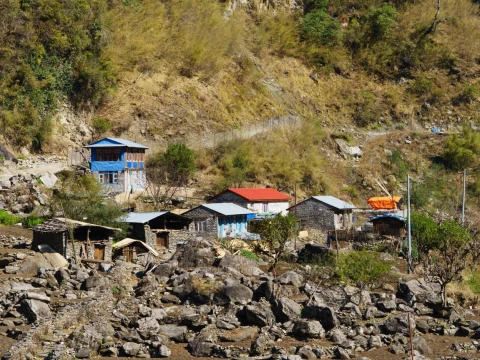
Dharapani is one of the most important trekking villages in the Himalayan region of Nepal. Located in the beautiful Manang District along the banks of the Marsyangdi River, Dharapani serves as a strategic junction where two of Nepal’s world-famous trekking routes, the Annapurna Circuit and the Manaslu Circuit Trek, connect.
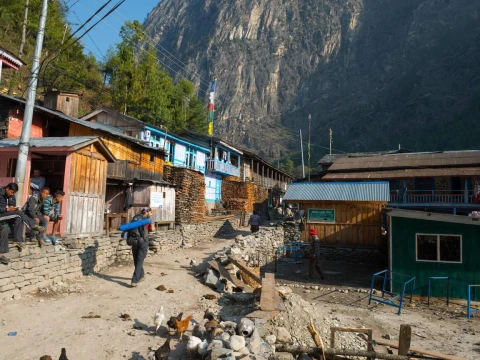
Chame Village is one of the most beautiful and peaceful settlements along the world-famous Annapurna Circuit Trek. Surrounded by towering Himalayan peaks, pine forests, and the flowing Marsyangdi River, Chame offers trekkers a perfect combination of natural beauty, mountain culture, and relaxation. At an elevation of 2,650 meters
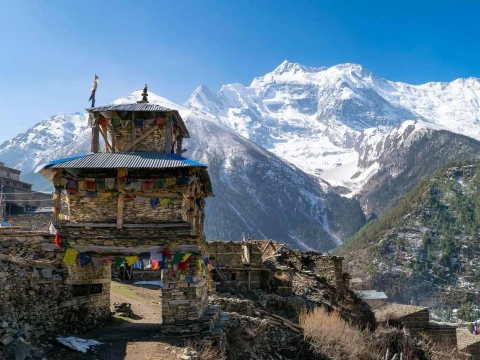
Upper Pisang is one of the most beautiful and culturally preserved villages along Nepal’s legendary Annapurna Circuit trekking route. Located at an altitude of 3,300 meters (10,826 feet) in the Manang District, this traditional Himalayan settlement sits on a hillside above Lower Pisang and offers breathtaking panoramic views of Annapurna II


 (2)
(2)  100% recommend (0)
 (0)
(0)