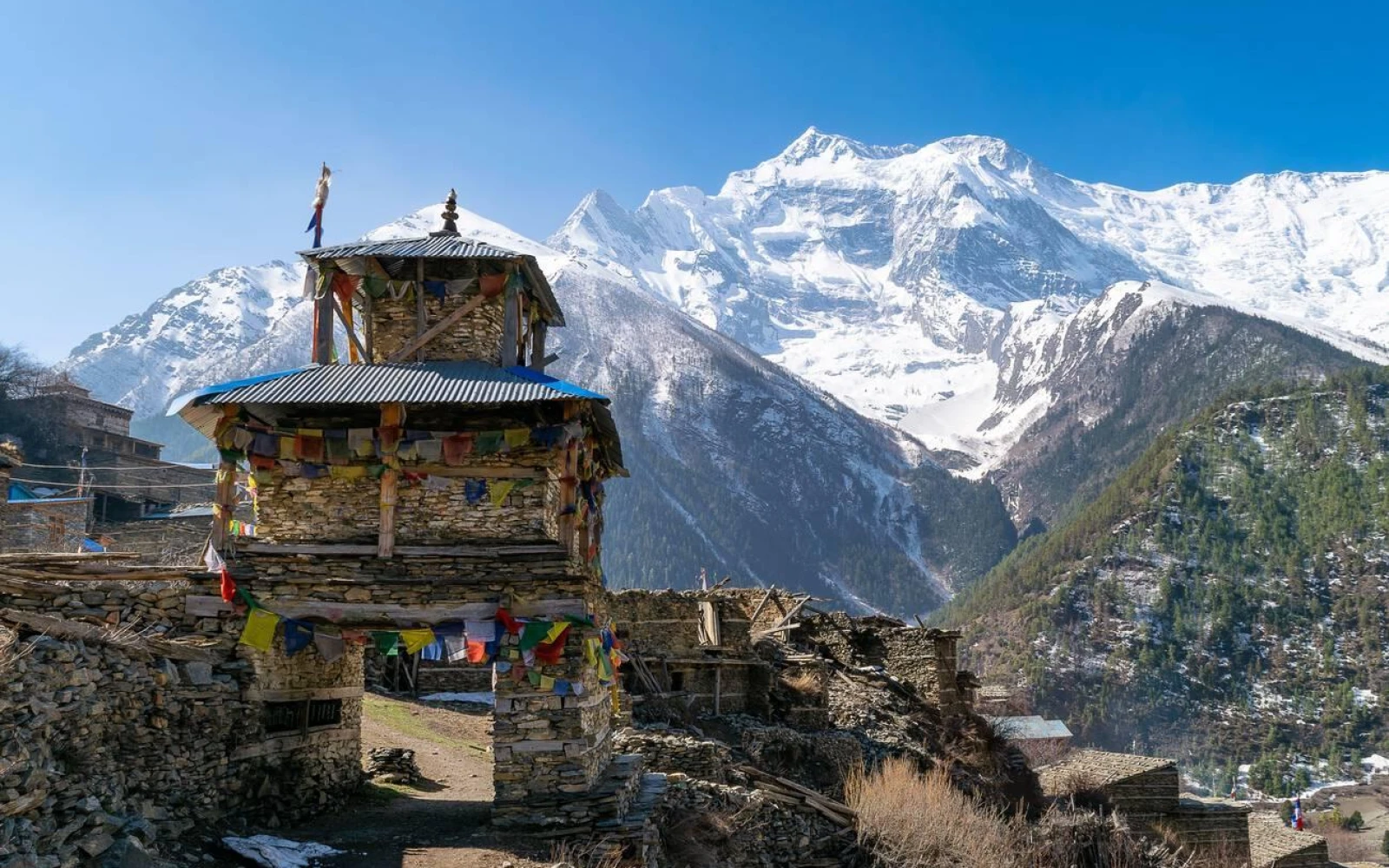
Upper Pisang is one of the most beautiful and culturally preserved villages along Nepal’s legendary Annapurna Circuit trekking route. Located at an altitude of 3,300 meters (10,826 feet) in the Manang District, this traditional Himalayan settlement sits on a hillside above Lower Pisang and offers breathtaking panoramic views of Annapurna II, Annapurna IV, and the surrounding snow-covered mountains. The village perfectly combines natural beauty, spiritual heritage, and authentic mountain culture, making it one of the most rewarding destinations for trekkers exploring the Annapurna region.
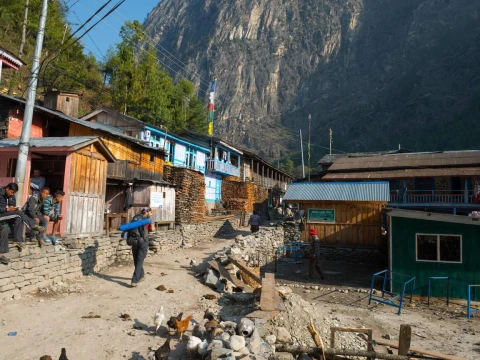
Unlike many modernized trekking stops, Upper Pisang has successfully preserved its traditional Tibetan-influenced lifestyle and architecture. Narrow stone alleys, ancient flat-roofed houses, colorful prayer flags, and peaceful monasteries create a timeless Himalayan atmosphere that leaves a lasting impression on visitors. The calm environment and dramatic scenery make Upper Pisang an ideal place for trekkers to rest, acclimatize, and experience genuine Himalayan village life.
Highlights of Upper Pisang
With years of Himalayan trekking expertise, Asiana Treks and Tours offers professionally guided Annapurna Circuit adventures that allow travelers to fully experience the culture, landscapes, and traditions of Upper Pisang.
Upper Pisang is a culturally rich Himalayan village that beautifully reflects the ancient traditions of Nepal’s mountain communities. The village is primarily inhabited by people of Tibetan descent who have preserved their customs, language, architecture, and Buddhist heritage for generations. Walking through Upper Pisang feels like stepping into a living museum of Himalayan culture, where prayer wheels spin beside stone pathways and local villagers continue their traditional way of life.
As trekkers arrive from Chame, the scenery gradually changes into a dramatic alpine landscape surrounded by towering Himalayan peaks and rugged cliffs. The peaceful environment of Upper Pisang provides a welcome escape from busy trekking trails and offers visitors the opportunity to connect with nature and local culture at the same time. The village’s warm hospitality, spiritual atmosphere, and breathtaking mountain views make it one of the most memorable stops on the Annapurna Circuit.
What Makes Upper Pisang Special
Trekkers traveling with Asiana Treks and Tours often describe Upper Pisang as one of the most authentic and photogenic villages in the entire Annapurna region.
Upper Pisang is located in the Manang District of Nepal along the northern section of the world-famous Annapurna Circuit trekking route. Situated at an elevation of 3,300 meters above sea level, the village lies approximately 15 kilometers from Chame, the administrative center of Manang District. Built high above Lower Pisang, the village overlooks the Marsyangdi River Valley and offers uninterrupted panoramic views of the surrounding Himalayan peaks.
The journey from Chame to Upper Pisang is considered one of the most scenic sections of the Annapurna Circuit. Trekkers walk through dense pine forests, cross suspension bridges over rushing rivers, pass waterfalls and steep rocky cliffs, and gradually ascend into the higher Himalayan environment. As the trail climbs higher, the majestic Annapurna II peak becomes increasingly dominant, creating unforgettable mountain scenery throughout the trek.
Route from Chame to Upper Pisang
The trekking itineraries designed by Asiana Treks and Tours ensure proper acclimatization, experienced local guidance, and unforgettable Himalayan experiences along the route to Upper Pisang.
Upper Pisang is often described as a hidden gem because it offers a rare combination of untouched natural beauty, authentic Himalayan culture, and spiritual tranquility. Although thousands of trekkers travel along the Annapurna Circuit each year, many visitors overlook the cultural richness and peaceful atmosphere found in this traditional mountain village. Staying in Upper Pisang allows trekkers to experience Himalayan life in a more authentic and meaningful way.
One of the village’s most remarkable features is the perfect balance between adventure and spirituality. Visitors can explore centuries-old Buddhist monasteries, observe traditional rituals, interact with local villagers, and enjoy panoramic mountain landscapes all within the same destination. The village also serves as an important acclimatization stop before continuing toward higher elevations such as Manang and the challenging Thorong La Pass.
Reasons Why Upper Pisang Stands Out
For trekkers seeking authentic Himalayan experiences, Asiana Treks and Tours provides carefully crafted Annapurna Circuit journeys that showcase the hidden beauty, culture, and timeless charm of Upper Pisang.
Upper Pisang and Lower Pisang are two neighboring villages located along the famous Annapurna Circuit trekking route in Nepal’s Manang District. Although they are situated close to one another, both villages offer very different trekking experiences. Lower Pisang lies beside the main trail near the Marsyangdi River and is more accessible for trekkers who prefer shorter walking distances and modern trekking facilities. Upper Pisang, on the other hand, is located higher on the hillside and provides a more traditional, peaceful, and scenic Himalayan atmosphere.
Most trekkers choose to stay in Upper Pisang because of its authentic cultural environment and breathtaking panoramic views of the Annapurna mountain range. The upper village is known for its traditional Tibetan-style stone houses, ancient monasteries, prayer flags, and quiet surroundings. In contrast, Lower Pisang has developed more modern lodges and busier trekking services due to its location along the primary trail. Travelers seeking cultural immersion, photography opportunities, and tranquil mountain scenery often find Upper Pisang far more rewarding.
Main Differences Between Upper Pisang and Lower Pisang
For trekkers looking to experience the true cultural beauty of the Annapurna region, Asiana Treks and Tours highly recommends spending the night in Upper Pisang.
One of the greatest attractions of Upper Pisang is its spectacular panoramic view of Annapurna II, one of the most iconic peaks in the Annapurna mountain range. Standing at an impressive elevation of 7,937 meters, Annapurna II rises dramatically above the valley with its massive snow-covered ridges, glaciers, and towering ice walls. From Upper Pisang, the mountain appears incredibly close, creating one of the most unforgettable Himalayan landscapes on the Annapurna Circuit.
The elevated location of Upper Pisang allows trekkers to witness breathtaking sunrise and sunset views over Annapurna II and Annapurna IV. During the early morning, golden sunlight slowly illuminates the snowy peaks, while evening light paints the mountains in shades of orange and pink. These magical mountain scenes attract photographers and nature lovers from around the world. The peaceful environment of the village makes it the perfect place to relax and appreciate the grandeur of the Himalayas.
Highlights of the Mountain Views
Trekkers exploring the Annapurna region with Asiana Treks and Tours can enjoy some of the most spectacular mountain views in Nepal from Upper Pisang.
Upper Pisang is deeply influenced by Tibetan Buddhist traditions and the ancient mountain culture of the Himalayas. The village is mainly inhabited by people of Tibetan descent, along with Gurung communities who have preserved their customs, language, architecture, and spiritual beliefs for generations. The cultural identity of the village can be seen everywhere — from traditional stone houses and mani walls to colorful prayer flags and sacred chortens lining the pathways.
Life in Upper Pisang remains closely connected to religion, agriculture, and the natural environment. Villagers continue to practice traditional farming methods, care for livestock, and participate in daily Buddhist rituals at local monasteries. Trekkers visiting the village often have the opportunity to observe authentic Himalayan lifestyles, interact with local families, and learn about centuries-old traditions that still shape everyday life in the Annapurna region.
Cultural Highlights of Upper Pisang
Through carefully crafted trekking experiences, Asiana Treks and Tours helps travelers connect with the authentic culture and traditions of Upper Pisang.
The ancient monastery of Upper Pisang is one of the village’s most important cultural and spiritual landmarks. Perched on a hillside overlooking the valley, this historic Buddhist gompa reflects centuries of Tibetan Buddhist tradition and Himalayan spirituality. Built in traditional architectural style, the monastery features colorful prayer flags, spinning prayer wheels, sacred scriptures, and detailed Buddhist murals that create a peaceful and deeply spiritual environment.
Visitors to the monastery can experience the calm atmosphere of Buddhist mountain life while enjoying stunning panoramic views of Annapurna II and the surrounding peaks. Monks and local villagers regularly gather here for prayers, rituals, and religious ceremonies that continue to play a central role in village life. The monastery offers trekkers a meaningful opportunity to understand the spiritual heritage of the Annapurna region and appreciate the peaceful rhythm of Himalayan culture.
Highlights of the Upper Pisang Monastery
Trekkers traveling with Asiana Treks and Tours can explore the spiritual beauty and historical importance of the Upper Pisang Monastery during their Annapurna Circuit adventure.
Upper Pisang offers trekkers a wide range of unforgettable experiences that combine mountain adventure, cultural exploration, and spiritual discovery. Beyond its dramatic Himalayan scenery, the village provides opportunities to explore ancient monasteries, enjoy acclimatization hikes, interact with local communities, and discover the traditional lifestyle of the Annapurna region. Its peaceful atmosphere and authentic village setting make it one of the most rewarding stops along the Annapurna Circuit.
Trekkers can spend time walking through the narrow stone pathways of the village, photographing the surrounding snow-covered peaks, or hiking toward scenic viewpoints above Upper Pisang. The village also serves as the starting point for the famous upper trekking route leading toward Ghyaru and Ngawal, which offers some of the best panoramic views on the entire Annapurna Circuit. Whether travelers are interested in culture, nature, photography, or adventure, Upper Pisang offers experiences that leave lasting memories.
Best Activities in Upper Pisang
With experienced local guides and carefully designed trekking itineraries, Asiana Treks and Tours provides unforgettable journeys that allow trekkers to fully experience the natural beauty and cultural richness of Upper Pisang.
Walking through Upper Pisang feels like stepping into a timeless Himalayan village where ancient traditions and mountain life continue unchanged for generations. The village is filled with traditional stone-built houses featuring flat wooden roofs, narrow pathways, and beautifully stacked stone walls that reflect the architectural heritage of the Annapurna region. Every corner of the village reveals authentic Himalayan charm, creating a peaceful atmosphere far removed from the modern world.
As trekkers explore the winding alleys of Upper Pisang, they are greeted by colorful prayer flags fluttering in the mountain wind, ancient mani walls carved with Buddhist prayers, and spinning prayer wheels that symbolize peace and spirituality. The entire village reflects a strong Tibetan Buddhist influence, and walking through its quiet streets allows visitors to experience the deep cultural traditions of the local community. Surrounded by snow-covered peaks and spiritual landmarks, Upper Pisang offers one of the most authentic cultural experiences on the Annapurna Circuit.
Highlights of the Village Walk
Trekkers exploring the Annapurna region with Asiana Treks and Tours can fully experience the timeless beauty and cultural richness of Upper Pisang.
Upper Pisang is famous for offering some of the most breathtaking sunrise and sunset views in the Annapurna region. Because the village is perched high above the Marsyangdi Valley, trekkers can enjoy uninterrupted panoramic views of Annapurna II, Annapurna IV, and other surrounding Himalayan peaks. In the early morning, the first rays of sunlight slowly illuminate the snow-covered mountains, creating a magical golden glow across the landscape.
Sunset in Upper Pisang is equally spectacular. As the sun disappears behind the mountains, the peaks transform into brilliant shades of orange, pink, and deep red. The peaceful environment of the village enhances the experience, allowing trekkers to fully appreciate the beauty and silence of the Himalayas. Many travelers consider the sunrise and sunset views from Upper Pisang to be among the most memorable moments of the entire Annapurna Circuit trek.
Highlights of Sunrise and Sunset in Upper Pisang
With expertly guided trekking adventures, Asiana Treks and Tours helps travelers experience the unforgettable beauty of Himalayan sunrises and sunsets in Upper Pisang.
Upper Pisang offers trekkers a warm and welcoming experience through its traditional tea houses and genuine Himalayan hospitality. The village has several family-run lodges and tea houses that provide simple yet comfortable accommodation for travelers along the Annapurna Circuit. These tea houses are often built in traditional stone style and offer cozy dining rooms heated by wood or yak-dung stoves, creating a relaxing environment after a long day of trekking.
The hospitality of the local people is one of the highlights of staying in Upper Pisang. Families warmly welcome trekkers with friendly smiles, traditional meals, and a peaceful atmosphere that reflects the kindness of Himalayan mountain communities. Visitors often enjoy meaningful cultural interactions while sharing stories with local hosts and fellow trekkers. Staying in the tea houses of Upper Pisang provides a more personal and authentic experience compared to larger commercial trekking destinations.
Highlights of Tea Houses and Hospitality
Trekkers traveling with Asiana Treks and Tours can enjoy carefully selected tea houses that combine comfort, culture, and unforgettable Himalayan hospitality.
Although Upper Pisang is a remote Himalayan village, trekkers can still find a good range of food and accommodation options during their stay. Most tea houses and trekking lodges provide comfortable twin-sharing rooms with basic facilities designed for high-altitude trekking. The accommodations are simple but clean, offering warm blankets, peaceful surroundings, and spectacular mountain views directly from the lodges.
Food in Upper Pisang reflects both traditional Nepalese cuisine and common trekking meals found along the Annapurna Circuit. Trekkers can enjoy popular dishes such as Dal Bhat, Tibetan bread, noodle soups, fried rice, momos, potatoes, pancakes, and hot tea or coffee. The warm meals and relaxing tea house atmosphere help trekkers recover energy while enjoying the peaceful mountain environment. Many lodges also offer dining areas with panoramic views of Annapurna II.
Food and Accommodation Highlights
With professionally organized trekking packages, Asiana Treks and Tours ensures trekkers enjoy comfortable accommodation and delicious local meals throughout their Annapurna Circuit adventure.
The best time to visit Upper Pisang is during the spring and autumn trekking seasons when weather conditions are stable, and mountain views are at their clearest. Spring, from March to May, brings blooming rhododendron forests, mild temperatures, and colorful Himalayan landscapes. The skies are usually clear during this period, offering excellent visibility of Annapurna II and the surrounding peaks.
Autumn, from September to November, is considered the most popular trekking season in the Annapurna region. After the monsoon rains, the air becomes fresh and crystal clear, creating ideal conditions for trekking and mountain photography. The temperatures remain comfortable during the daytime, and the trails are alive with trekkers from around the world. Winter trekking is also possible, although temperatures can become extremely cold at higher elevations.
Best Seasons for Visiting Upper Pisang
For the best trekking experience in the Annapurna region, Asiana Treks and Tours offers expertly planned itineraries during the ideal seasons for visiting Upper Pisang.
The trekking route from Chame to Upper Pisang is one of the most scenic and rewarding sections of the Annapurna Circuit. Starting from Chame at an altitude of 2,670 meters, trekkers gradually ascend through beautiful pine forests, rugged mountain cliffs, waterfalls, and traditional Himalayan settlements before reaching Upper Pisang at 3,300 meters. The trail follows the Marsyangdi River and offers increasingly dramatic views of Annapurna II as the landscape transforms into a high Himalayan environment.
Along the route, trekkers cross suspension bridges, pass prayer wheels and mani walls, and walk beneath towering rock formations such as the famous Paungda Danda cliff. The journey typically takes around five to six hours, depending on walking pace and weather conditions. As trekkers approach Upper Pisang, the panoramic mountain scenery becomes more spectacular, making the final ascent to the village one of the highlights of the Annapurna Circuit trek.
Highlights of the Chame to Upper Pisang Trek
With professionally guided trekking itineraries, Asiana Treks and Tours ensures trekkers safely enjoy the incredible journey from Chame to Upper Pisang.
Upper Pisang sits at an elevation of 3,300 meters (10,826 feet), making it an important acclimatization stop for trekkers heading deeper into the Annapurna region. At this altitude, the air becomes thinner and temperatures can drop significantly, especially during the early morning and nighttime hours. Trekkers often experience colder weather compared to lower sections of the trek, with clear skies and strong mountain winds common during peak trekking seasons.
Proper acclimatization is essential before continuing toward higher destinations such as Manang and Thorong La Pass. Spending an extra night in Upper Pisang allows the body to gradually adjust to the altitude while reducing the risk of altitude sickness. Light acclimatization hikes around the village, staying hydrated, eating nutritious meals, and maintaining a slow trekking pace are highly recommended for a safe and enjoyable Himalayan trekking experience.
Altitude and Acclimatization Tips
For safe and comfortable high-altitude trekking experiences, Asiana Treks and Tours provides experienced guides and carefully planned acclimatization schedules throughout the Annapurna Circuit.
Upper Pisang is a paradise for photographers and nature lovers seeking dramatic Himalayan landscapes and authentic village scenes. The elevated position of the village provides spectacular panoramic views of Annapurna II, Annapurna IV, and the surrounding snow-covered peaks. Sunrise and sunset create magical lighting conditions that transform the mountains into glowing golden and orange landscapes, making every corner of Upper Pisang ideal for photography.
Beyond the mountain scenery, the village itself offers countless cultural photography opportunities. Traditional stone houses, fluttering prayer flags, ancient monasteries, mani walls, and local villagers in traditional dress create a timeless Himalayan atmosphere. The peaceful environment and clear mountain air allow photographers to capture some of the most authentic and visually stunning moments on the Annapurna Circuit.
Best Photography Spots in Upper Pisang
Trekkers traveling with Asiana Treks and Tours can explore the best photography locations while experiencing the natural and cultural beauty of Upper Pisang.
One of the most special aspects of Upper Pisang is its peaceful atmosphere and quieter trekking trails compared to many busy Himalayan trekking destinations. While thousands of trekkers follow the Annapurna Circuit every year, Upper Pisang still maintains a calm and authentic environment where visitors can enjoy nature, culture, and mountain scenery without large crowds. The village offers a slower pace of life that allows trekkers to fully appreciate the beauty of the Himalayas.
The upper route leading from Upper Pisang toward Ghyaru and Ngawal is especially popular among trekkers seeking solitude and panoramic views. This scenic trail climbs higher above the valley and passes through ancient villages, Buddhist monuments, and dramatic mountain landscapes rarely found on busier lower routes. Walking these peaceful trails gives travelers a deeper connection with the Annapurna region and its traditional mountain culture.
Highlights of the Peaceful Trails
For travelers seeking peaceful Himalayan adventures, Asiana Treks and Tours offers carefully designed trekking experiences that explore the quieter and more scenic trails around Upper Pisang.
Life in Upper Pisang remains deeply connected to the traditions, spirituality, and natural environment of the Himalayas. The village is primarily inhabited by Tibetan descendants and Gurung communities who continue to follow ancient customs passed down through generations. Daily life revolves around farming, livestock care, Buddhist rituals, and close-knit family traditions that reflect the timeless culture of the Annapurna region.
Early mornings in the village often begin with prayers at local monasteries, the sound of prayer wheels spinning, and villagers tending to animals and agricultural fields. Trekkers walking through the village can observe women weaving traditional clothing, elderly villagers chanting Buddhist prayers, and children playing along the stone pathways. The simplicity and peaceful rhythm of life in Upper Pisang offer visitors a rare opportunity to experience authentic Himalayan mountain culture.
Highlights of Local Village Life
Through immersive trekking experiences, Asiana Treks and Tours allows travelers to connect with the authentic culture and daily life of Upper Pisang and the Annapurna region.
Packing correctly for Upper Pisang and the Annapurna Circuit is crucial due to changing weather conditions and increasing altitude. Temperatures can vary significantly between day and night, so layered clothing is essential. A combination of breathable base layers, warm insulating layers, and waterproof outerwear ensures comfort throughout the trek.
Trekkers should also carry lightweight but essential gear that supports safety and endurance. Items such as trekking poles, hydration systems, and sun protection are especially important at higher elevations like Upper Pisang.
Packing Checklist
Thermal base layers and fleece jacket
Waterproof/windproof outer shell
Comfortable trekking boots with ankle support
Sleeping bag rated for cold conditions
Sunscreen, sunglasses, and lip balm
Reusable water bottle or hydration bladder
First-aid kit and personal medications
Trekking poles for steep sections
The journey through the Annapurna Circuit requires careful pacing and altitude awareness. Trekkers should walk slowly, stay hydrated, and plan rest days to reduce the risk of altitude sickness, especially as they approach higher villages like Upper Pisang and beyond toward Manang.
Choosing the right trekking season also plays an important role in the overall experience. Spring and autumn offer the clearest mountain views and the most stable weather conditions. Trekking with a reputable local operator such as Asiana Treks and Tours ensures better safety, guidance, and cultural understanding along the route.
Travel Tips
Upper Pisang is not just a stopover; it is one of the most culturally rich and visually stunning villages on the entire Annapurna Circuit. Its elevated position provides uninterrupted views of Annapurna II and Annapurna IV, making it one of the best natural viewpoints in the region.
Beyond the scenery, the village offers deep cultural immersion with Tibetan-influenced traditions, ancient monasteries, and stone-built homes that reflect centuries of mountain life. The peaceful atmosphere allows trekkers to slow down and truly experience Himalayan living.
Key Reasons to Visit
Upper Pisang represents the perfect balance of natural beauty, cultural heritage, and high-altitude trekking adventure along the Annapurna Circuit. It is a place where trekkers can pause, reflect, and absorb the grandeur of the Himalayas while experiencing the authentic lifestyle of the local mountain communities.
With its breathtaking views, spiritual monasteries, and strategic importance for acclimatization, Upper Pisang leaves a lasting impression on every traveler. Organized trekking experiences with Asiana Treks and Tours ensure that visitors can safely and meaningfully explore this hidden Himalayan gem.
Final Takeaways
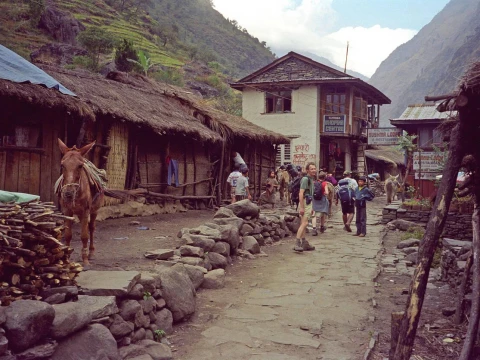
The journey to Jagat marks one of the most exciting beginnings of the legendary Annapurna Circuit adventure. After leaving the lively capital city of Kathmandu, travelers experience a dramatic transition from urban life to the peaceful Himalayan countryside. The scenic drive to Besishahar passes through green hills, terraced farmlands
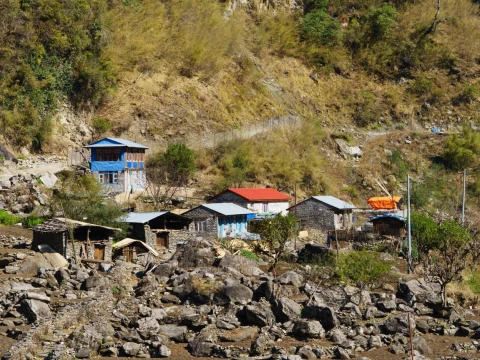
Dharapani is one of the most important trekking villages in the Himalayan region of Nepal. Located in the beautiful Manang District along the banks of the Marsyangdi River, Dharapani serves as a strategic junction where two of Nepal’s world-famous trekking routes, the Annapurna Circuit and the Manaslu Circuit Trek, connect.
Chame Village is one of the most beautiful and peaceful settlements along the world-famous Annapurna Circuit Trek. Surrounded by towering Himalayan peaks, pine forests, and the flowing Marsyangdi River, Chame offers trekkers a perfect combination of natural beauty, mountain culture, and relaxation. At an elevation of 2,650 meters


 (2)
(2)  100% recommend (0)
 (0)
(0)