
Manang is one of the most spectacular Himalayan destinations in Nepal and an iconic highlight of the world-famous Annapurna Circuit trek. Located at an altitude of approximately 3,540 meters, Manang serves as the cultural and geographical center of the Annapurna region. Surrounded by snow-capped peaks, rocky cliffs, glacial rivers, and dramatic alpine landscapes, the village offers trekkers a unique combination of natural beauty and traditional mountain lifestyle.
Manang is widely recognized as the essential acclimatization stop before crossing the challenging Thorong La Pass, one of the highest trekking passes in the world at 5,416 meters. Trekkers from around the globe spend several days here adjusting to the altitude while exploring nearby monasteries, glaciers, lakes, and scenic viewpoints. The peaceful atmosphere, crisp mountain air, and breathtaking Himalayan scenery make Manang one of the most memorable sections of the Annapurna Circuit.
Key Highlights of Manang
Manang is often called the “Jewel of the Annapurna Circuit” because of its extraordinary combination of culture, scenery, and adventure. Nestled in the rain shadow area of the Himalayas, Manang has a unique dry and rugged landscape that differs greatly from the lush green hills of lower Nepal. The village is surrounded by majestic mountain ranges, including the Annapurna Range, creating unforgettable panoramic views in every direction.
The village itself reflects centuries-old Himalayan traditions and Tibetan-Buddhist influence. Prayer wheels spin gently beside stone-built homes, colorful prayer flags flutter across rooftops, and ancient monasteries stand proudly against the dramatic mountain backdrop. The people of Manang, known as the Manangi community, are famous for their hospitality, trading history, and deep connection with mountain culture.
Trekkers visiting Manang not only experience high-altitude adventure but also gain insight into the spiritual and cultural richness of the Himalayan region. Whether enjoying local yak cheese, exploring Buddhist monasteries, or hiking to nearby glaciers, visitors quickly understand why Manang is considered one of Nepal’s most treasured trekking destinations.
What Makes Manang Special?
Manang lies in the northern part of Nepal within the Annapurna Conservation Area. The district is situated along the legendary Annapurna Circuit trekking route and follows the beautiful Marshyangdi River valley. Due to its location behind the massive Annapurna mountain range, Manang receives far less rainfall than other parts of Nepal, giving the region its dry, desert-like appearance.
Traditionally, trekkers reached Manang by walking for several days from lower villages such as Chame and Pisang. Today, rugged jeep roads also connect the village with Besisahar, making access easier for travelers who prefer overland journeys. Despite improved accessibility, the journey to Manang remains an adventurous and scenic experience filled with waterfalls, suspension bridges, pine forests, and dramatic mountain landscapes.
Manang is also an important gateway for several Himalayan adventures. From here, trekkers continue toward Thorong La Pass and Muktinath, while others take side trips to the breathtaking Tilicho Lake, one of the highest lakes in the world. The region offers endless opportunities for trekking, photography, cultural exploration, and mountain climbing.
How to Reach Manang
Manang is considered the heart of the Annapurna Circuit Trek because it perfectly combines adventure, acclimatization, culture, and natural beauty in one unforgettable destination. Most trekkers spend extra days here preparing physically and mentally before ascending toward Thorong La Pass. The village provides the ideal environment for rest and altitude adjustment while still offering numerous side hikes and exploration opportunities.
Acclimatization hikes around Manang are among the most rewarding experiences of the trek. Popular routes include visits to Gangapurna Glacier, Ice Lake, and Braga Monastery, each offering breathtaking views of the surrounding Himalayas. These short hikes help trekkers adapt to the altitude while experiencing the incredible beauty of the region. The calm environment and slower pace of life in Manang also allow travelers to fully appreciate the spiritual and cultural atmosphere of the mountains.
Another reason Manang is central to the Annapurna Circuit is its rich cultural identity. The village preserves ancient Buddhist traditions, traditional architecture, and centuries-old trade routes that once connected Nepal with Tibet. This cultural depth transforms the trek from a simple mountain adventure into a meaningful Himalayan journey filled with history, spirituality, and local connection.
Reasons Why Trekkers Love Manang
The trek from Chame to Manang is one of the most breathtaking sections of the legendary Annapurna Circuit. As trekkers gradually ascend deeper into the Himalayas, the landscapes begin to transform dramatically from lush pine forests and waterfalls into dry alpine valleys and rugged mountain terrain. The trail follows the roaring Marshyangdi River, passing suspension bridges, traditional villages, and steep rock cliffs that create unforgettable scenery throughout the journey.
One of the highlights of this route is the stunning transition in geography and culture. Villages like Pisang and Braga introduce trekkers to Tibetan-influenced architecture, prayer wheels, chortens, and Buddhist monasteries. Along the trail, travelers witness magnificent views of Annapurna II, Gangapurna, Pisang Peak, and Chulu East. The closer trekkers get to Manang, the more dramatic and open the landscape becomes, offering panoramic Himalayan vistas that leave lasting memories.
The route is not only visually spectacular but also culturally rich. Local tea houses provide warm hospitality and a chance to experience authentic mountain life. Every step toward Manang feels like a journey into the heart of the Himalayas, where ancient traditions and natural beauty exist together in harmony.
Highlights of the Chame to Manang Trek
Manang is famous for its extraordinary mountain scenery and dramatic high-altitude landscapes. Located in the rain shadow of the Himalayas, the region has a unique semi-arid environment that differs greatly from the green hills found elsewhere in Nepal. The terrain is filled with rocky slopes, glacial moraines, snow-covered peaks, and wide open valleys that create a surreal Himalayan panorama.
Towering mountains surround the village from every direction. Trekkers can enjoy breathtaking views of the Annapurna Range, Gangapurna, Tilicho Peak, and Chulu Himal. During sunrise and sunset, the snow-covered mountains glow beautifully under changing light, making Manang one of the best photography destinations in Nepal. The calm atmosphere and crystal-clear skies further enhance the beauty of the region.
The nearby Gangapurna Glacier and Gangapurna Lake are among the most visited natural attractions around Manang. The turquoise glacial lake, combined with icy mountain scenery, creates an unforgettable sight for visitors. Every corner of Manang offers stunning landscapes that showcase the raw beauty of the Nepalese Himalayas.
Scenic Attractions in Manang
Manang is not only a trekking destination but also a cultural treasure of the Himalayas. The village reflects a strong Tibetan-Buddhist heritage that has been preserved for centuries. Traditional stone houses, prayer flags, mani walls, and ancient monasteries create a peaceful spiritual atmosphere throughout the valley.
The local Manangi people are well known for their hospitality, trading history, and mountain lifestyle. For generations, the people of Manang traded with Tibet and neighboring Himalayan regions, helping shape their unique culture and traditions. Visitors often experience warm welcomes in local tea houses where traditional foods, yak products, and local customs are proudly shared with travelers.
One of the cultural highlights of the region is Braga Gompa, an ancient monastery believed to be over 600 years old. Trekkers can explore Buddhist artwork, prayer halls, and meditation spaces while enjoying incredible views of the surrounding mountains. The peaceful environment of Manang allows visitors to connect deeply with Himalayan spirituality and local traditions.
Cultural Experiences in Manang
Manang plays a vital role in helping trekkers safely acclimatize before crossing the challenging Thorong La Pass at 5,416 meters. Due to the high altitude, trekkers need time for their bodies to adjust to lower oxygen levels. Spending extra days in Manang significantly reduces the risk of altitude sickness and helps prepare travelers for the more demanding sections of the Annapurna Circuit.
Acclimatization days in Manang are far from boring. Trekkers use this time to take short hikes to higher elevations before returning to sleep in the village, following the “climb high, sleep low” principle recommended for altitude adaptation. These acclimatization hikes not only improve physical adjustment but also offer spectacular mountain views and rewarding exploration opportunities.
Manang is ideal for acclimatization because it combines comfort, accessibility, and adventure. The village has well-established tea houses, bakeries, internet access, medical facilities, and trekking services, making it a comfortable resting point in the Himalayas. Trekkers can relax while still experiencing the beauty and culture of the region.
Importance of Acclimatization in Manang
Manang offers several incredible acclimatization hikes that combine altitude training with breathtaking Himalayan scenery. These hikes are an important part of the Annapurna Circuit experience and allow trekkers to explore glaciers, lakes, monasteries, and mountain viewpoints while adjusting to the altitude.
One of the most popular hikes is the trek to Gangapurna Lake and the nearby glacier viewpoint. The trail provides stunning views of icy landscapes, turquoise glacial waters, and surrounding snow-covered peaks. Another famous acclimatization hike leads to Ice Lake, a spectacular high-altitude lake located above Manang. Although challenging, the hike rewards trekkers with unforgettable panoramic mountain views.
Trekkers also enjoy visiting Braga Gompa, a peaceful monastery situated on a hillside above the village. The route is relatively easy and offers cultural insight along with excellent views of the Annapurna range. For those seeking longer adventures, many travelers begin the side trip toward Tilicho Lake, one of the highest lakes in the world.
Popular Acclimatization Hikes
Gangapurna Lake is one of the most breathtaking natural attractions near Manang. Formed by the melting waters of the Gangapurna Glacier, the lake is famous for its crystal-clear turquoise water surrounded by snow-covered mountains and rocky Himalayan terrain. Located just a short hike from Manang village, the lake is a favorite destination for trekkers seeking acclimatization walks combined with spectacular scenery.
The nearby Gangapurna Glacier offers dramatic views of ice formations, glacial moraines, and towering Himalayan peaks. The hike to the glacier viewpoint allows visitors to witness the raw power and beauty of the high Himalayas up close. Trekkers often spend hours enjoying the peaceful environment, taking photographs, and admiring reflections of the surrounding mountains on the calm lake surface.
The area around Gangapurna is particularly beautiful during sunrise and sunset when golden light illuminates the icy peaks and glacier walls. The combination of alpine wilderness, fresh mountain air, and panoramic Himalayan views makes Gangapurna Lake and Glacier one of the most memorable experiences of the Annapurna Circuit Trek.
Highlights of Gangapurna Lake and Glacier
Manang is deeply connected to Tibetan-Buddhist culture and spiritual traditions that have existed in the Himalayas for centuries. Ancient monasteries, prayer walls, chortens, and colorful prayer flags can be found throughout the valley, creating a peaceful and sacred atmosphere for trekkers and pilgrims alike. The spiritual heritage of Manang reflects the strong cultural connection between the Himalayan communities of Nepal and Tibet.
One of the most important religious sites in the region is Braga Gompa, a centuries-old monastery perched on a hillside above the village. Believed to be more than 600 years old, the monastery contains ancient Buddhist paintings, statues, scriptures, and meditation halls. Visitors can observe monks performing prayers and rituals while enjoying spectacular views of the Annapurna mountains below.
The monasteries of Manang are not only religious centers but also guardians of local culture, history, and tradition. Trekkers often find spiritual peace while walking through these sacred sites, listening to fluttering prayer flags and spinning prayer wheels. Exploring the monasteries adds a meaningful cultural and spiritual dimension to the Annapurna Circuit experience.
Spiritual Attractions in Manang
Manang offers trekkers a unique culinary experience in the heart of the Himalayas. The local tea houses provide warm hospitality, comfortable accommodation, and a variety of meals designed to support travelers trekking at high altitude. After long days on the trail, tea houses become important resting places where trekkers gather to relax, share stories, and enjoy hot meals beside traditional fireplaces.
Traditional Nepali dishes such as dal bhat, noodle soups, fried rice, and Tibetan bread are commonly served throughout Manang. Yak cheese, butter tea, apple pie, and locally grown potatoes are also popular among visitors. Many tea houses use locally sourced ingredients, giving travelers an authentic taste of Himalayan mountain cuisine. Warm herbal teas and soups are especially appreciated in the cold mountain climate.
The tea house culture of Manang is an essential part of the Annapurna Circuit Trek. These family-run lodges create a welcoming environment where trekkers can experience local traditions and hospitality while enjoying breathtaking mountain surroundings. The simple yet cozy atmosphere of the tea houses adds charm and comfort to the Himalayan adventure.
Popular Foods in Manang
Manang lies within the protected Annapurna Conservation Area, one of Nepal’s richest regions for biodiversity and mountain wildlife. The area’s unique high-altitude environment supports a variety of rare animals, alpine vegetation, and dramatic natural ecosystems. Trekkers exploring the trails around Manang often encounter beautiful landscapes filled with forests, rivers, glaciers, and rocky mountain terrain.
The region is home to several fascinating Himalayan wildlife species, including Himalayan tahr, blue sheep, musk deer, and snow leopards in remote high-altitude areas. Bird lovers may also spot Himalayan griffons, lammergeiers, and colorful mountain birds flying across the valleys. The changing landscapes from pine forests to alpine deserts create a unique ecological diversity rarely seen in other trekking regions.
Nature around Manang remains remarkably untouched and pristine. Crystal-clear streams, glacial lakes, dramatic cliffs, and snow-covered peaks dominate the scenery. The peaceful wilderness of the region offers trekkers an incredible opportunity to connect with the natural beauty of the Himalayas while experiencing the untouched environment of Nepal’s mountain landscapes.
Wildlife Found Around Manang
The best time to visit Manang is during the spring and autumn trekking seasons. Spring, from March to May, brings clear skies, pleasant temperatures, and blooming rhododendron forests in the lower sections of the Annapurna region. During this season, trekkers enjoy comfortable weather and excellent visibility of the surrounding Himalayan peaks.
Autumn, from September to November, is considered the most popular and ideal season for the Annapurna Circuit Trek. After the monsoon rains, the skies become exceptionally clear, providing breathtaking mountain views and dry trekking conditions. The crisp air and stable weather make this season perfect for crossing Thorong La Pass and exploring the Manang region.
Winter trekking in Manang is possible, but it can be extremely cold with heavy snowfall at higher elevations. Monsoon season brings fewer tourists and greener lower valleys, though landslides and wet trails may create challenges. Each season offers different experiences, but spring and autumn remain the best choices for comfortable trekking and panoramic Himalayan scenery.
Best Seasons to Visit Manang
Why Spring and Autumn are Ideal
Manang sits at an altitude of around 3,540 meters, where the air becomes noticeably thinner and the weather more unpredictable. This high-altitude environment creates unique challenges for trekkers, especially those continuing along the Annapurna Circuit. Temperatures can drop sharply at night, while daytime weather may shift quickly from sunny skies to strong winds or light snowfall,l depending on the season.
Altitude is the most important factor affecting trekkers in Manang. At this elevation, oxygen levels are significantly lower than in the lowlands, increasing the risk of altitude sickness if proper acclimatization is not followed. Symptoms such as headaches, fatigue, and dizziness are common if trekkers ascend too quickly. That is why Manang is considered a crucial acclimatization stop before heading toward the higher Thorong La Pass.
Despite the challenges, the weather and altitude conditions in Manang also contribute to its dramatic beauty. The crisp mountain air, clear skies, and panoramic Himalayan views create an unforgettable trekking experience when properly prepared.
Key Weather & Altitude Challenges
Manang is one of the most photogenic locations along the Annapurna Circuit. Surrounded by towering Himalayan peaks, glaciers, and dramatic landscapes, it offers countless opportunities for capturing breathtaking images. From sunrise glow on snow-capped mountains to reflections in glacial lakes, every corner of Manang is a natural photography studio.
The nearby viewpoints, such as Gangapurna Lake, Ice Lake trail, and Braga villa,ge provide some of the most iconic Himalayan photography scenes. The contrast between the dry alpine desert and the white snow-covered peaks of the Annapurna Range makes Manang especially unique. Early morning and sunset are the best times to capture golden light on the mountains, creating unforgettable images.
Cultural photography is equally rewarding. Traditional stone houses, prayer flags, monasteries, and local Manangi people offer a glimpse into authentic Himalayan life. The peaceful atmosphere and clear skies make it easy for photographers to capture both landscape and cultural stories in a single frame.
Best Photography Spots in Manang
Manang plays a critical role in preparing trekkers for the challenging crossing of Thorong La Pass, one of the highest trekking passes in the world at 5,416 meters. Most trekkers spend at least two nights or more in Manang to properly acclimatize before attempting the ascent toward Yak Kharka, High Camp, and ultimately the pass itself.
During this stage of the journey, physical preparation and altitude adaptation become extremely important. Trekkers are advised to take short acclimatization hikes, maintain proper hydration, and avoid rapid altitude gain. Manang offers ideal conditions for rest and recovery, with comfortable tea houses and essential facilities that help trekkers prepare both mentally and physically.
This final major stop is also a strategic point for checking weather conditions, reviewing gear, and planning the next stages of the trek. A well-prepared stay in Manang significantly increases the chances of safely crossing Thorong La Pass and completing the Annapurna Circuit successfully.
Preparation Tips in Manang
Staying healthy at high altitude in Manang is essential for a safe trekking experience. Due to the elevation and remote location, trekkers must take precautions to avoid altitude-related illnesses and environmental risks. Proper pacing, hydration, and awareness of symptoms are key to maintaining good health in the region.
Health facilities in Manang are limited but helpful for basic medical support. The Himalayan Rescue Association clinic in the village provides valuable altitude sickness information and emergency guidance for trekkers. It is important to listen to your body and avoid pushing too hard, especially before ascending to higher elevations such as Thorong La Pass.
Safety in Manang also includes protecting yourself from cold weather and dehydration. The dry air can quickly lead to fluid loss, while strong sunlight at high altitude increases the risk of sunburn. Proper preparation and responsible trekking behavior ensure a safe and enjoyable experience in the Himalayas.
Health & Safety Tips
Packing correctly for Manang is essential due to its cold temperatures, high altitude, and changing weather conditions. Trekkers should prepare for both warm daytime hikes and freezing nighttime temperatures. Lightweight but layered clothing is the key to staying comfortable throughout the journey.
Essential gear includes warm jackets, thermal layers, trekking boots, gloves, and sleeping bags suitable for sub-zero temperatures. Sun protection is also crucial due to strong UV exposure at high altitudes. Since Manang is part of the longer Annapurna Circuit, trekkers should also carry necessary personal medical supplies and hydration equipment.
Proper packing not only ensures comfort but also improves safety and endurance during the trek. Lightweight backpacks and well-organized gear make it easier to handle long trekking days and sudden weather changes in the Himalayas.
Packing Essentials Checklist
Manang has transformed significantly over the years due to the growth of trekking tourism along the Annapurna Circuit. Once a remote Himalayan trading settlement, Manang is now an important stop for thousands of trekkers from around the world. Tourism has become the backbone of the local economy, providing income through tea houses, lodges, guiding services, and transportation.
The influence of tourism has improved infrastructure and created better living opportunities for local communities. Many families now operate guesthouses and small businesses that cater to trekkers. However, despite modernization, Manang has successfully preserved its traditional Tibetan-Buddhist culture, maintaining its unique identity in the high Himalayas.
Tourism has also encouraged cultural exchange between locals and international visitors. Trekkers experience authentic Himalayan hospitality while the Manangi people benefit from new opportunities and global connections. This balance between tradition and modern tourism defines the evolving lifestyle of Manang.
Key Impacts of Tourism in Manang
Sustainability is becoming increasingly important in Manang due to rising tourism along the Annapurna Circuit. The fragile high-altitude ecosystem requires careful protection to maintain its natural beauty and biodiversity. Responsible trekking practices help ensure that future generations can also enjoy the pristine Himalayan environment.
Local communities and trekking agencies like Asiana Treks and Tours actively promote eco-friendly tourism practices. These include minimizing waste, using reusable materials, respecting local customs, and supporting locally owned businesses. Trekkers are encouraged to follow “Leave No Trace” principles and reduce plastic usage during their journey.
Sustainable trekking not only protects nature but also supports the cultural and economic well-being of Manang residents. By choosing responsible travel options, visitors directly contribute to conservation efforts and help maintain the balance between tourism and the environment.
Sustainable Trekking Practices in Manang
Many trekkers describe Manang as one of the most memorable highlights of the Annapurna Circuit. The combination of dramatic landscapes, peaceful villages, and high-altitude adventure creates deeply personal and emotional experiences for travelers. Every trekker’s journey in Manang feels unique due to the changing weather, scenery, and cultural encounters.
For many visitors, the experience of waking up to snow-covered peaks, walking through ancient monasteries, and sharing meals in cozy tea houses leaves a lasting impression. The slow pace of life in Manang allows trekkers to reflect, connect with nature, and appreciate the simplicity of Himalayan living. These moments often become lifelong memories.
Whether it is the challenge of altitude, the beauty of the mountains, or the warmth of local hospitality, Manang offers a deeply rewarding experience that stays with trekkers long after they leave the Himalayas.
Common Trekker Experiences in Manang
Manang is more than just a stop on the Annapurna Circuit—it is the heart of the entire journey. Its unique blend of natural beauty, cultural richness, and high-altitude adventure makes it one of the most beloved destinations in Nepal. Every aspect of Manang, from its monasteries to its mountain views, creates an unforgettable Himalayan experience.
What makes Manang truly special is its ability to connect travelers with both nature and culture in a meaningful way. The peaceful environment, combined with the challenges of altitude and the warmth of local hospitality, creates a powerful emotional impact. Trekkers often describe it as the place where their Himalayan journey truly begins.
For many adventurers, Manang is not just a destination—it is a feeling of peace, achievement, and wonder that stays forever in memory.
Why Trekkers Love Manang
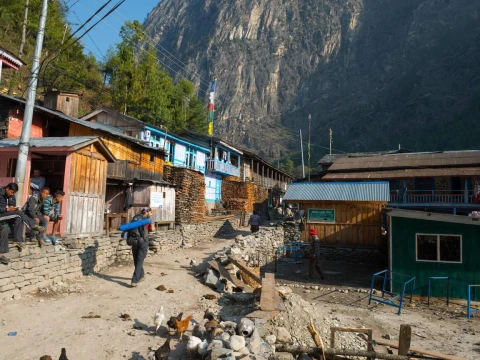
Chame Village is one of the most beautiful and peaceful settlements along the world-famous Annapurna Circuit Trek. Surrounded by towering Himalayan peaks, pine forests, and the flowing Marsyangdi River, Chame offers trekkers a perfect combination of natural beauty, mountain culture, and relaxation. At an elevation of 2,650 meters
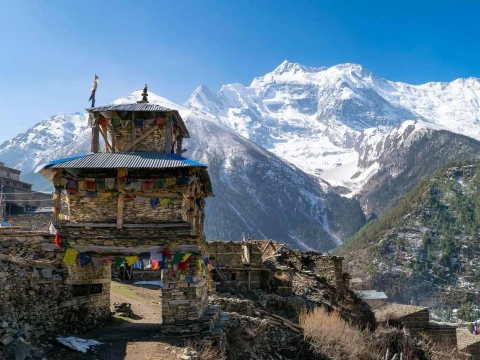
Upper Pisang is one of the most beautiful and culturally preserved villages along Nepal’s legendary Annapurna Circuit trekking route. Located at an altitude of 3,300 meters (10,826 feet) in the Manang District, this traditional Himalayan settlement sits on a hillside above Lower Pisang and offers breathtaking panoramic views of Annapurna II
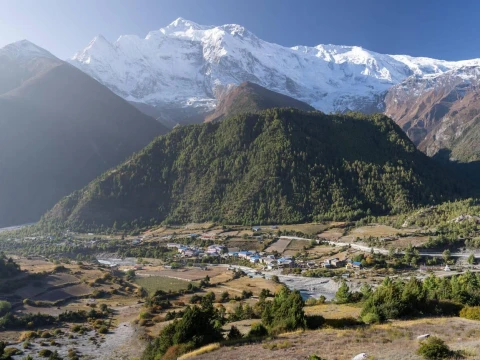
Lower Pisang is one of the most memorable settlements along the world-famous Annapurna Circuit trekking route. Situated at an elevation of 3,200 meters (10,500 feet), this beautiful Himalayan village welcomes trekkers with dramatic mountain scenery, traditional culture, and comfortable resting points before entering the higher alpine


 (2)
(2)  100% recommend (0)
 (0)
(0)