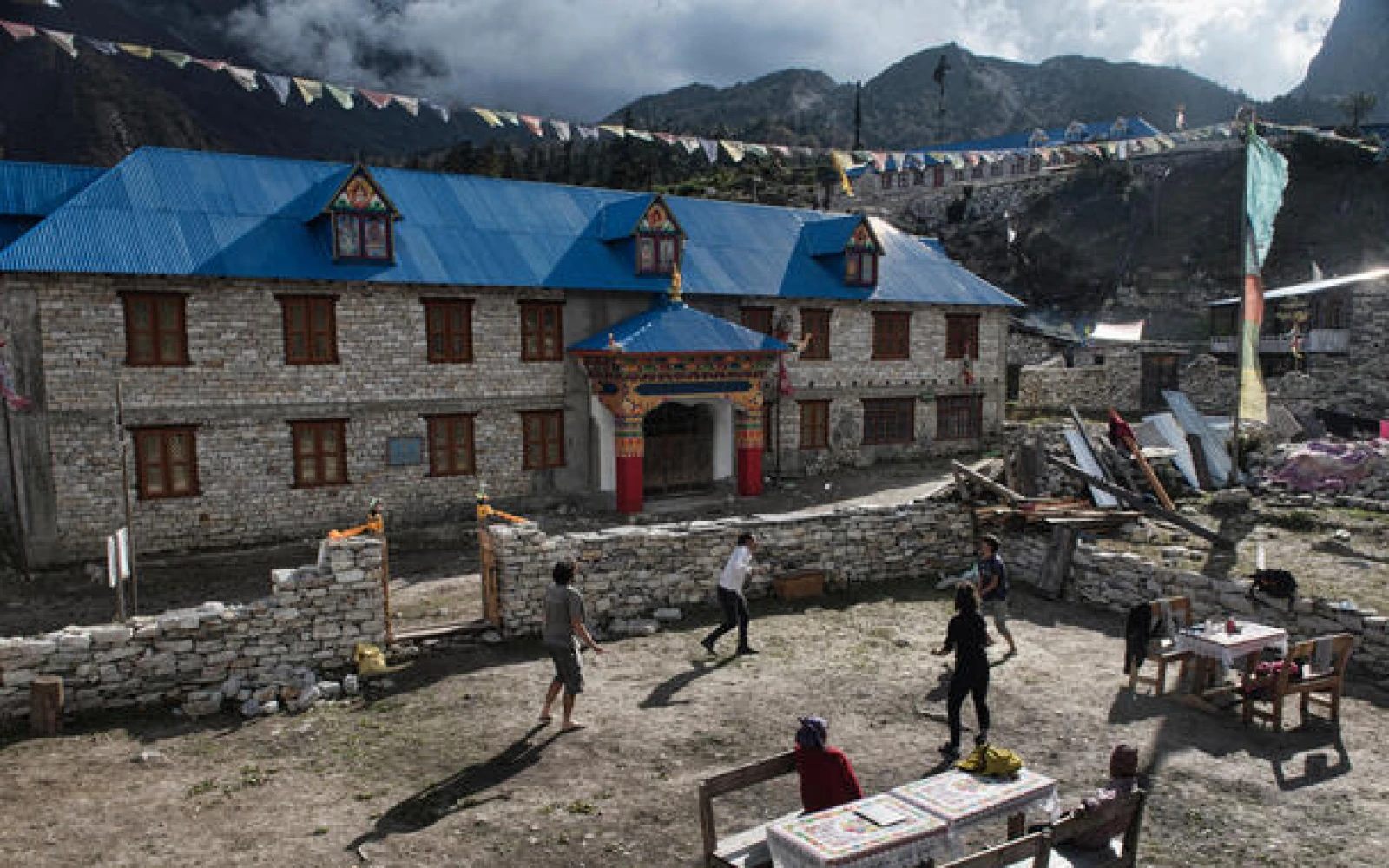
Accommodation is an important part of the Manaslu Circuit Trek experience, offering trekkers practical places to rest, eat, and recover after long days on the trail. Along the route, local tea houses, lodges, and guesthouses provide most accommodation. Facilities become more basic as the trail reaches higher and more remote areas, but these stays provide a valuable opportunity to experience the hospitality and lifestyle of the Himalayan communities.
Asiana Treks and Tours helps trekkers understand accommodation conditions before they begin the journey. The company can arrange a suitable trekking itinerary and guide travelers regarding room availability, meals, facilities, and the changing standards of accommodation at different elevations.
Accommodation on the Manaslu Circuit Trek is designed primarily around the needs of trekkers traveling through remote mountain villages. Instead of large hotels and modern resorts, travelers generally stay in family-run tea houses, small lodges, and village guesthouses. These accommodations provide a warm place to sleep and eat while allowing trekkers to interact with local residents and experience traditional mountain communities.
The availability and standard of accommodation can vary significantly along the route. In lower villages, trekkers may find comparatively comfortable rooms and more facilities, while higher settlements usually offer simpler rooms and limited services. Asiana Treks and Tours provides guidance throughout the trek so travelers can prepare appropriately for these differences.
Trekkers should expect simple, functional, and traditionally operated accommodation rather than luxury facilities. Most rooms contain beds with mattresses, pillows, and blankets, although carrying a good sleeping bag is recommended because temperatures can become very cold at higher elevations. Bathrooms may be shared, particularly in remote villages and at higher elevations.
Food and accommodation are often closely connected because many tea houses and lodges operate their own dining rooms. Guests can usually order meals such as dal bhat, noodles, soups, rice dishes, Tibetan-style foods, and other basic trekking meals. Electricity, hot showers, charging facilities, and internet access may be available in some places but should not be considered guaranteed throughout the route.
Tea houses are the traditional and most widely used form of accommodation on the Manaslu Circuit. They are usually small, family-run establishments where trekkers can eat, sleep, and relax in the same location. Their friendly atmosphere makes them an important part of the trekking experience, particularly because travelers can meet fellow trekkers and interact with local families.
The comfort level of tea houses differs from village to village. In lower sections, rooms and dining facilities can be relatively comfortable, while accommodations near higher mountain passes are generally more basic. Asiana Treks and Tours can help trekkers understand what facilities are normally available at different points of the itinerary and prepare for the changing conditions.
Lodges and guesthouses provide another practical accommodation option during the Manaslu Circuit Trek. Many are small establishments operated by local families, offering basic bedrooms, dining areas, and essential services for trekkers. Depending on the village, some properties may offer private rooms, attached bathrooms, hot showers, electricity, or charging facilities, although these amenities are not consistent throughout the route.
Choosing accommodation on the Manaslu Circuit is largely influenced by the day's trekking distance, altitude, weather, and availability in each settlement. In remote areas, trekkers may have fewer choices and should be prepared to accept basic facilities. Asiana Treks and Tours can assist with itinerary planning and accommodation arrangements to make overnight stays more convenient and comfortable.
Accommodation on the Manaslu Circuit Trek mainly consists of simple twin-sharing rooms, although the exact room arrangement depends on the village and individual tea house or lodge. Rooms generally include two single beds or wooden bed frames with mattresses, pillows, and blankets. In some places, private rooms may be available, while larger groups may be accommodated in shared rooms when demand is high.
Asiana Treks and Tours helps trekkers understand the accommodation arrangements included in their itinerary and prepare for the changing standards along the trail. At higher elevations, rooms are generally more basic, and a warm sleeping bag is strongly recommended because nighttime temperatures can become very cold.
Most tea houses and lodges on the Manaslu Circuit have dining rooms where trekkers can enjoy meals and relax after walking. These areas often serve as the social center of the accommodation, giving travelers an opportunity to meet other trekkers, guides, porters, and local residents. Dining rooms may also have heating, particularly in colder sections of the trail.
Food choices generally include traditional Nepali dishes as well as simple trekking meals. Dal bhat, noodles, soups, rice dishes, potatoes, eggs, momos, Tibetan-style foods, tea, and other hot drinks are commonly available, although the selection can become more limited in remote and high-altitude villages.
Bathroom facilities vary considerably along the Manaslu Circuit. In lower villages and larger settlements, some accommodations may have relatively modern bathrooms, while remote tea houses often provide shared toilets. Attached bathrooms are less common at higher elevations, so trekkers should be prepared to use shared facilities.
Hot showers may be available at many accommodations, but they are not always included in the room price and may require an additional payment. Electricity for charging phones and cameras can also be available, while Wi-Fi and mobile connectivity vary according to location and weather conditions. Asiana Treks and Tours recommends preparing for periods when these facilities may be unavailable.
Accommodation becomes increasingly basic as the Manaslu Circuit Trek climbs toward higher elevations. Villages around the upper sections of the route have fewer lodging options, and rooms may be smaller and less equipped than those found in lower settlements. During peak trekking seasons, available rooms can fill quickly, making proper planning particularly important.
Cold temperatures are another major consideration at higher altitudes. Rooms may not have individual heating, and many tea houses use a heated common dining area where trekkers can spend the evening. Asiana Treks and Tours can help organize the itinerary with appropriate overnight stops and advise trekkers about the facilities expected at higher elevations.
The Manaslu Circuit passes through numerous traditional mountain settlements where trekkers can spend the night. Villages such as Soti Khola, Machha Khola, Jagat, Deng, Namrung, Samagaon, Samdo, and Dharapani are commonly associated with overnight stops, depending on the itinerary and trekking pace. Each settlement provides a different combination of accommodation, scenery, culture, and accessibility.
Samagaon is particularly important for many itineraries because it is commonly used as an acclimatization base before continuing toward higher elevations. The exact overnight locations should be selected according to trekking distance, altitude gain, acclimatization requirements, and available accommodation rather than simply choosing the largest village. Asiana Treks and Tours can design an itinerary with appropriate overnight stops based on the trek's duration and route conditions.
Choosing accommodation on the Manaslu Circuit involves considering location, altitude, cleanliness, available facilities, and the expected trekking schedule. In popular villages, accommodation can become busy during the main trekking seasons, so having a planned itinerary and coordinating with your guide can make the process easier.
Trekkers should also remain flexible because weather, trail conditions, fatigue, or other circumstances can sometimes require changes to the planned overnight stop. Asiana Treks and Tours can coordinate with local tea houses and lodges as part of the trekking arrangement and help travelers select practical accommodation according to the day's route.
Accommodation costs on the Manaslu Circuit vary according to the village, season, room type, and facilities provided. Lower and more accessible villages may have more accommodation choices, while remote and higher settlements have fewer options and can charge differently. Trekkers should also remember that services such as hot showers, charging, and Wi-Fi may involve separate charges.
When traveling with Asiana Treks and Tours, trekkers should check what accommodation services are included in their particular trekking package. The total cost can also be affected by the length of the trek, meals, guide and porter services, permits, transportation, and other itinerary requirements.
Manaslu Circuit Trek accommodation provides a practical and authentic way to experience the Himalayan environment. Tea houses, lodges, and guesthouses offer essential places to sleep, eat, rest, and interact with local communities. While facilities are generally comfortable enough for trekking, travelers should expect simpler conditions than those found in city hotels, particularly in remote and high-altitude areas.
With Asiana Treks and Tours, trekkers can prepare for the different accommodation standards encountered throughout the journey. Understanding room arrangements, dining facilities, bathrooms, costs, and high-altitude conditions before departure helps create realistic expectations and makes the overall Manaslu trekking experience more comfortable.
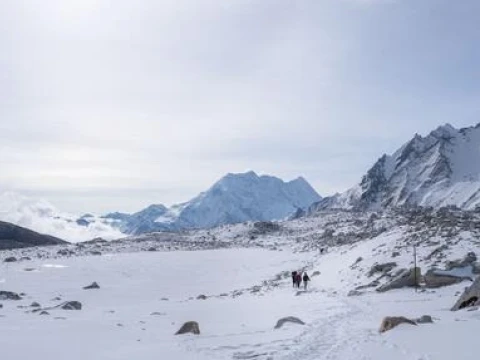
The Manaslu Circuit Trek is one of Nepal’s most scenic Himalayan journeys, combining dramatic mountain landscapes, traditional villages, Buddhist culture, and the challenging Larkya La Pass. The route gradually moves from lower green valleys into the high alpine environment surrounding Mount Manaslu.
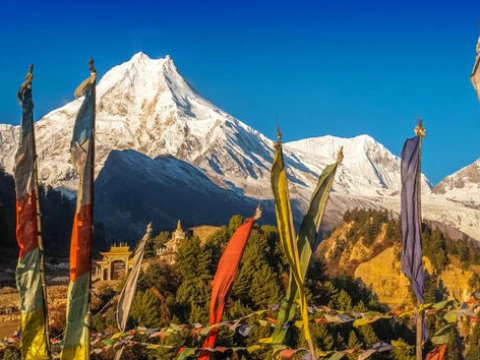
The Manaslu Circuit Trek in 2026 requires several permits because the route passes through the Manaslu Restricted Area and the Manaslu Conservation Area, with the itinerary commonly continuing toward the Annapurna Conservation Area after crossing Larkya La. Trekkers should arrange the required permits before entering the respective areas
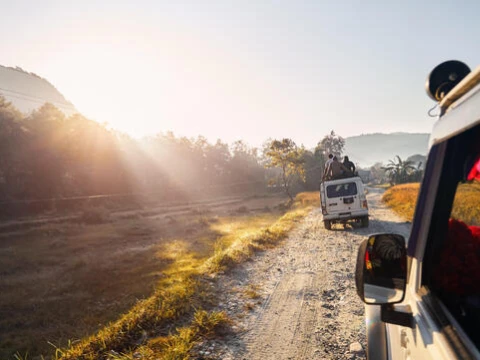
Transportation is an important part of the Manaslu Circuit Trek, as the journey from Kathmandu to the trailhead passes through hilly and sometimes rough road conditions. Trekkers generally travel from Kathmandu toward Soti Khola or Machha Khola, depending on the road conditions, trekking itinerary, and seasonal accessibility.


 (2)
(2)  100% recommend (0)
 (0)
(0)