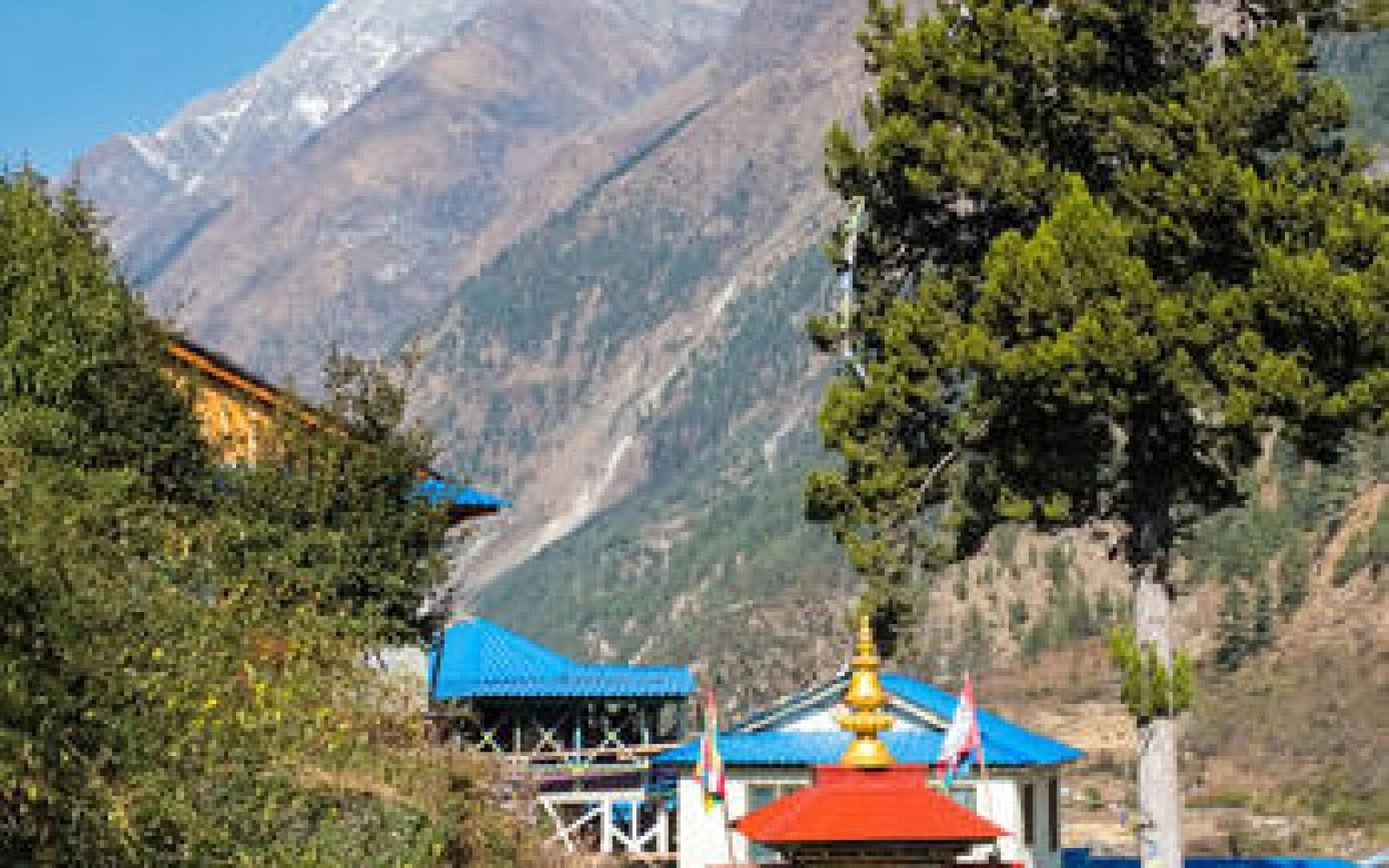
Namrung (approximately 2,630 m) is one of the most beautiful traditional mountain villages along the Manaslu Circuit Trek in Nepal. Surrounded by green hills, terraced fields, pine forests, and magnificent Himalayan landscapes, Namrung offers trekkers a wonderful introduction to the high-altitude scenery and Tibetan-influenced culture of the Manaslu region. The village is known for its peaceful atmosphere, traditional stone houses, welcoming local communities, and spectacular views of the surrounding mountains.
For trekkers traveling with Asiana Treks and Tours, Namrung is an important overnight destination on the journey toward higher Himalayan settlements such as Lho, Shyala, and Samagaun. It provides an opportunity to rest, experience local mountain life, and gradually adjust to increasing elevations. As the trail moves farther into the Manaslu Conservation Area, the landscapes become more dramatic, making Namrung a memorable highlight of the trekking adventure.
Namrung is a charming Himalayan settlement in northern Gorkha District, Nepal, located along the classic Manaslu Circuit trekking route. The village lies within the culturally rich Nubri region, where Tibetan-influenced traditions, Buddhist beliefs, and mountain lifestyles remain an important part of everyday life. Prayer flags flutter above traditional homes, stone walls line the narrow paths, and the surrounding hills create a beautiful setting for trekkers exploring this remote part of Nepal.
As trekkers approach Namrung, they experience a gradual transition from the lower river valleys and subtropical forests into a cooler mountain environment. The village offers a comfortable place to spend the night, enjoy a warm meal, and learn about the traditions of the local people. Its location also makes it a convenient stopping point before continuing toward the higher villages and more expansive mountain views of the Manaslu region.
With Asiana Treks and Tours, visitors can discover Namrung as part of a carefully organized Manaslu Circuit itinerary. The village offers more than a place to sleep; it is an opportunity to appreciate the cultural diversity, natural beauty, and traditional hospitality that make trekking in Nepal so rewarding.
What makes Namrung special?
Namrung is located in the northern part of Gorkha District in Nepal's Gandaki Province, along the Budhi Gandaki Valley. It lies on the established Manaslu Circuit Trek route, which circles Mount Manaslu, the world's eighth-highest mountain. The village is reached by trekking north from lower settlements such as Deng and Ghap, following forested paths, riverside trails, suspension bridges, and traditional mountain villages.
At an elevation of approximately 2,630 metres above sea level, Namrung sits between the lower Budhi Gandaki Valley and the higher settlements of the Nubri region. Its position offers trekkers a gradual introduction to the colder conditions and increasingly dramatic landscapes found farther along the route. The surrounding terrain includes steep green hills, cultivated slopes, wooded ridges, and distant Himalayan peaks.
Namrung is also an important cultural transition point. As trekkers continue toward Lho, Shyala, and Samagaun, Tibetan Buddhist influences become increasingly visible in local architecture, monasteries, mani walls, and prayer flags. This combination of geographic importance and cultural heritage makes Namrung a fascinating destination on the Manaslu Circuit.
Location facts:
Namrung is an important overnight stop because it divides the journey into manageable trekking stages and allows travelers to experience the changing landscapes of the Manaslu region. After trekking through the lower Budhi Gandaki Valley, visitors reach a settlement where the scenery, climate, and cultural atmosphere begin to reflect the higher Himalayas. Staying overnight here gives trekkers time to recover before continuing toward Lho, Shyala, and Samagaun.
Another reason Namrung is significant is its cultural richness. The village and its surrounding communities preserve traditions influenced by Tibetan Buddhism, including prayer flags, mani walls, monasteries, and traditional mountain architecture. Visitors can observe the relationship between local people and their environment while learning about the customs that have shaped life in this remote Himalayan region.
Namrung also provides useful facilities for trekkers, including teahouses, meals, and basic accommodation, although services vary by season and lodge. The village is a practical place to check trekking equipment, replenish essential supplies, and prepare for colder temperatures at higher elevations. Trekkers should continue ascending gradually, drink enough water, and pay attention to symptoms of altitude sickness as the route progresses.
Reasons to stop in Namrung:
The journey to Namrung begins with travel from Kathmandu toward the Manaslu trekking region, generally by road to a trailhead such as Machha Khola or another starting point determined by current road conditions and the itinerary. Trekkers then follow the Budhi Gandaki Valley north through villages, cultivated land, forested slopes, suspension bridges, and narrow mountain trails. Because road access and trail conditions can change, the precise starting point and walking stages should be confirmed before departure.
On a typical Manaslu Circuit itinerary, trekkers reach Namrung after passing through settlements such as Jagat, Deng, and Ghap. The walking time varies according to the starting village, trail conditions, weather, pace, and rest stops. The route includes uneven stone steps, ascents and descents, river crossings, and sections of forest trail, so a reasonable level of fitness and suitable trekking footwear are recommended.
For travelers booking with Asiana Treks and Tours, the itinerary can be arranged to include private road transportation, trekking logistics, accommodation planning, and a licensed trekking guide, according to the selected package. The company can also help trekkers understand the required permits and restricted-area regulations for the Manaslu region. As Namrung is reached on foot rather than by a regular direct road journey, trekkers should prepare for several days of walking before arriving in the village.
Typical route toward Namrung:
Travel tips:
The best time to visit Namrung is generally during Nepal's spring and autumn trekking seasons. Spring, from March to May, brings milder daytime temperatures, blooming vegetation, and increasingly beautiful mountain scenery. The lower forests become greener, and the longer daylight hours provide favorable conditions for walking through the Budhi Gandaki Valley and exploring the traditional settlements along the route.
Autumn, from September to November, is another excellent period for visiting Namrung. Following the monsoon season, the skies often become clearer, visibility improves, and mountain views can be particularly impressive. October and early November are especially popular months for the Manaslu Circuit Trek, although trails and teahouses may be busier during this period. Trekkers should book essential services in advance when traveling during peak season.
Winter, from December to February, can bring freezing temperatures, snowfall at higher elevations, and challenging trail conditions farther along the circuit. The monsoon season, generally from June to August, often brings heavy rain, slippery trails, landslides, and reduced mountain visibility. Namrung may still be visited during these periods, but conditions require careful planning and up-to-date local advice.
Seasonal guide to Namrung:
For most travelers, October and April are excellent months to include Namrung in a Manaslu Circuit itinerary. However, weather in the Himalayas can change rapidly, so trekkers should check local forecasts and trail conditions before departure. With suitable preparation and support from Asiana Treks and Tours, visitors can enjoy Namrung's cultural charm, mountain scenery, and welcoming atmosphere as part of an unforgettable Himalayan trekking experience.
Namrung (approximately 2,630 m) is one of the most scenic villages on the Manaslu Circuit Trek in Nepal. Located in the beautiful Nubri Valley, the village is surrounded by green hills, terraced fields, dense forests, traditional stone houses, and spectacular Himalayan landscapes. As trekkers approach Namrung, the narrow trails and flowing rivers of the lower Budhi Gandaki Valley gradually give way to cooler mountain scenery and increasingly impressive views of the surrounding peaks.
The landscapes around Namrung are especially attractive for nature lovers and photography enthusiasts. The combination of forested slopes, deep valleys, traditional settlements, and distant snow-covered mountains creates a memorable Himalayan atmosphere. Depending on the weather and visibility, trekkers may enjoy views of surrounding Himalayan peaks, including the Manaslu range, from suitable viewpoints along the route. Early mornings and clear afternoons are often excellent times to appreciate the scenery and capture photographs.
For travelers exploring the Manaslu region with Asiana Treks and Tours, Namrung offers a wonderful opportunity to experience the natural beauty of the Nepalese Himalayas before continuing toward Lho, Shyala, and Samagaun. The walking trails around the village provide opportunities to observe local farming practices, mountain vegetation, and everyday life in this remote region.
Highlights of the landscapes around Namrung:
Namrung is an important cultural settlement in the Nubri Valley, where Tibetan-influenced traditions have shaped local lifestyles, architecture, and religious practices for generations. The village reflects a distinctive Himalayan culture influenced by Tibetan Buddhism, with traditional stone-built houses, prayer flags, mani walls, and Buddhist symbols forming part of the surrounding landscape. These cultural features give Namrung a unique identity and make it more than simply an overnight stop on the Manaslu Circuit Trek.
Religion and community traditions play an important role in daily life. Trekkers may encounter prayer wheels, chortens, and mani walls along village paths, while nearby settlements contain monasteries and other Buddhist religious sites. Visitors should walk around religious structures in a clockwise direction, avoid disturbing prayer flags or religious objects, and ask permission before photographing local residents or entering private spaces.
Local hospitality is another memorable aspect of visiting Namrung. Residents maintain traditional mountain lifestyles that are closely connected to farming, livestock, trade, and tourism. Visitors can learn about regional customs through respectful conversations with local people, interactions at family-run teahouses, and observations of traditional village life. Traveling with Asiana Treks and Tours can help visitors better understand the cultural significance of the settlements along the Manaslu trekking route.
Cultural highlights of Namrung:
Namrung offers trekkers several enjoyable ways to experience the culture and natural beauty of the Manaslu region. One of the best activities is walking through the village to observe traditional houses, stone pathways, small agricultural plots, and the daily routines of local residents. The peaceful surroundings provide a welcome opportunity to slow down, enjoy the mountain atmosphere, and appreciate the simplicity of life in a remote Himalayan settlement.
Nature lovers can explore the surrounding trails, enjoy views of the hills and mountains, and photograph the landscapes along the trekking route. Depending on the weather, visibility, and available time, short walks near the village may reveal beautiful viewpoints and glimpses of rural life. Trekkers should consult their guide before taking additional walks, particularly if they are feeling tired or experiencing symptoms related to altitude.
Namrung is also an excellent place to rest and prepare for the next stage of the Manaslu Circuit Trek. Visitors can enjoy a warm meal, interact with other trekkers, organize their equipment, and learn about the villages ahead. With Asiana Treks and Tours, travelers can incorporate suitable cultural and scenic stops into their trekking schedule while maintaining a comfortable pace.
Top things to see and do in Namrung:
Namrung provides basic but welcoming accommodation for trekkers following the Manaslu Circuit route. Most visitors stay in locally operated teahouses or small mountain lodges that offer a simple place to sleep, meals, and opportunities to meet fellow trekkers. Rooms commonly contain twin beds, mattresses, pillows, and blankets, although the quality of facilities varies between properties and according to the season.
Many teahouses have shared bathrooms, while some offer rooms with attached facilities where available. Dining rooms often serve as communal gathering spaces, allowing trekkers to warm up, enjoy meals, charge electronic devices when electricity is available, and discuss the trail conditions ahead. Hot showers, Wi-Fi, and charging facilities may be available for an additional fee, but these services should not be assumed at every lodge.
Accommodation in Namrung is generally simple rather than luxurious, reflecting the remote mountain environment. During the busy spring and autumn trekking seasons, rooms may fill quickly, so arranging accommodation in advance can be helpful. Asiana Treks and Tours can assist with lodging arrangements as part of a Manaslu Circuit trekking package, depending on the selected itinerary and availability.
Accommodation facilities in Namrung may include:
Useful accommodation tips:
Food in Namrung is designed to provide trekkers with the energy they need for long walking days in the Himalayas. Local teahouses generally offer a mixture of traditional Nepali meals and familiar trekking dishes. Dal bhat, consisting of rice, lentil soup, vegetables, and sometimes additional accompaniments, is a popular choice because it provides a filling and carbohydrate-rich meal. Other common options may include noodle soups, fried rice, vegetable curry, potatoes, Tibetan-style bread, and momos, depending on the lodge.
Breakfast options often include porridge, Tibetan bread, chapati, eggs, pancakes, and tea or coffee. Hot drinks are especially welcome in the cool mountain climate, while soups and freshly prepared meals can help trekkers stay comfortable after hours on the trail. Menus and ingredient availability vary by season, and food choices may become more limited as trekkers travel farther into remote sections of the Manaslu region.
Maintaining good nutrition and hydration is essential during the trek. Trekkers should drink sufficient safe water, eat regular meals, and choose foods that are freshly prepared and suitable for their dietary needs. Vegetarian meals are commonly available, while travelers with specific allergies or dietary restrictions should explain their requirements clearly to lodge staff. Asiana Treks and Tours can help travelers communicate their food preferences when arranging their Manaslu Circuit journey.
Popular food and dining options in Namrung:
Food and dining tips for trekkers:
With its beautiful mountain surroundings, distinctive cultural heritage, welcoming teahouses, and nourishing local food, Namrung is an essential stop on the Manaslu Circuit Trek. For travelers journeying with Asiana Treks and Tours, the village offers a memorable combination of natural scenery, cultural discovery, and traditional Himalayan hospitality before the adventure continues toward the higher settlements of the Manaslu region.
Namrung is an important overnight destination on the Manaslu Circuit Trek in Nepal, usually reached after several days of walking through the beautiful Budhi Gandaki Valley. Trekkers generally pass through lower settlements such as Jagat and Deng before continuing toward Ghap and Namrung. The route follows a combination of riverside paths, forest trails, stone staircases, suspension bridges, and traditional mountain villages, offering a wonderful introduction to the landscapes of the Manaslu region.
The trekking distance and walking hours required to reach Namrung depend on the starting point, trail conditions, walking pace, weather, and rest stops. On a typical itinerary, the journey from Deng to Namrung is approximately 18–20 km and may take around 6–8 hours, often passing through or near Ghap. The exact distance can vary according to the chosen route and overnight arrangements. Trekkers should allow additional time for steep sections, photography, lunch breaks, and changing mountain conditions.
For travelers joining Asiana Treks and Tours, the trekking itinerary can be arranged to provide a manageable walking schedule with suitable overnight stops. A gradual approach helps trekkers conserve energy and prepare for the higher elevations ahead. Although Namrung is not the highest point on the circuit, the journey requires good physical preparation, comfortable footwear, and appropriate clothing for changing temperatures.
Trekking information for Namrung:
Namrung stands at approximately 2,630 metres above sea level, where temperatures are generally cooler than in the lower Budhi Gandaki Valley. Although this elevation is lower than the main high-altitude sections of the Manaslu Circuit, some trekkers may begin to notice the effects of altitude, particularly if they ascend quickly or are not accustomed to mountain environments. Walking at a steady pace, drinking adequate fluids, eating regularly, and allowing time to rest can help make the trekking experience more comfortable.
Acclimatization becomes increasingly important as the route continues toward Lho, Shyala, Samagaun, and the higher sections leading to Larkya La Pass. Namrung can serve as a useful overnight stop during a gradual ascent, but spending a night here does not eliminate the risk of altitude sickness at higher elevations. Trekkers should pay attention to symptoms such as headache, nausea, dizziness, unusual fatigue, or loss of appetite. If symptoms worsen, they should stop ascending and seek medical advice; severe symptoms require immediate descent and emergency assistance.
Asiana Treks and Tours recommends following a sensible trekking pace and listening to the guidance of an experienced trekking guide. Avoid rushing to complete daily stages, and take extra care if you feel unwell. Acclimatization should be planned around the entire itinerary rather than relying on a single overnight stop. Travelers with medical concerns should consult a healthcare professional before undertaking a high-altitude trek.
Important altitude and safety tips:
Packing appropriately for Namrung is important because mountain weather can change quickly, even during the main trekking seasons. Days may be sunny and comfortable while mornings, evenings, and nights can be cold. A layering system allows trekkers to adjust their clothing while walking and stay warm when resting at the teahouse. Waterproof outerwear is also useful because rain, wind, and occasional snowfall can affect conditions along the wider Manaslu trekking route.
In addition to clothing, trekkers should carry personal essentials, a small first-aid kit, sun protection, and equipment for staying hydrated. A comfortable backpack with a rain cover helps protect belongings on wet sections of the trail. Since facilities in remote villages may be limited, it is sensible to bring essential personal items rather than depending entirely on local shops.
For guests trekking with Asiana Treks and Tours, the exact packing list should reflect the season, trek duration, accommodation arrangements, and personal needs. Avoid carrying unnecessary weight, as you will need to manage your belongings throughout the journey. If a porter is included in your package, confirm the baggage allowance and keep essential items in a small daypack.
Recommended packing checklist:
Clothing
Trekking equipment
Personal essentials
Optional useful items
After leaving Namrung, trekkers continue deeper into the Nubri Valley, where the landscape becomes more distinctly alpine, and the influence of Tibetan Buddhist culture becomes increasingly visible. The trail generally continues toward Lho, a beautiful settlement known for its traditional architecture, monastery, and impressive mountain scenery. Depending on the itinerary and weather, this section may provide memorable views of Mount Manaslu and surrounding peaks.
Beyond Lho, the route proceeds toward Shyala and Samagaun, two important settlements on the Manaslu Circuit Trek. Shyala is particularly attractive for its wide mountain panoramas, while Samagaun is a major stop for acclimatization and exploration. Trekkers often spend an additional day in Samagaun to rest and visit nearby attractions such as Birendra Lake or, if appropriate for their fitness and schedule, other local viewpoints. These excursions should be planned carefully because of the increasing altitude.
As the trek continues beyond Samagaun, the terrain becomes more rugged and the air thinner. The route leads toward Samdo, followed by Dharamsala (Larkya Phedi), before crossing the challenging Larkya La Pass at approximately 5,106 metres. From the pass, trekkers descend toward Bhimtang and later continue to Dharapani, where road transportation can generally be arranged for the return journey. The exact itinerary may vary with trail conditions, acclimatization needs, and transport availability.
With Asiana Treks and Tours, trekkers can plan suitable overnight stops and gradual elevation gains while allowing time to appreciate the cultural and natural highlights of the region. The stages after Namrung are among the most rewarding parts of the circuit, but they also require increasing attention to weather, altitude, hydration, and physical condition.
Highlights after Namrung:
Helpful advice for the next stages:
Namrung is one of the most memorable villages on the Manaslu Circuit Trek, combining beautiful Himalayan landscapes, traditional mountain architecture, and the distinctive cultural heritage of the Nubri Valley. Its location between the lower Budhi Gandaki Valley and the higher settlements of the Manaslu region makes it a valuable stop for trekkers who want to experience both the natural beauty and the traditional lifestyles of the Nepalese Himalayas.
From walking through stone-paved village paths to enjoying local meals in a teahouse, Namrung offers a genuine sense of mountain hospitality. The surrounding forests, terraced fields, prayer flags, and distant Himalayan peaks create excellent opportunities for photography and cultural discovery. It also provides a practical overnight stop before continuing toward Lho, Shyala, and Samagaun, where the landscapes become increasingly dramatic and the altitude gradually rises.
For travelers planning their adventure with Asiana Treks and Tours, Namrung is an excellent opportunity to enjoy the Manaslu region at a comfortable pace while learning about its cultural and natural attractions. With proper preparation, suitable equipment, a well-planned itinerary, and respect for local customs, a visit to Namrung can become a treasured part of the overall trekking experience.
Why Namrung deserves a place on your trekking itinerary:
Namrung is more than a place to spend the night; it is a destination where the landscapes, culture, and hospitality of the Manaslu region come together. Whether you are an experienced trekker or exploring this part of Nepal for the first time, Asiana Treks and Tours can help you plan a rewarding Manaslu Circuit adventure that includes the beauty and cultural richness of Namrung.
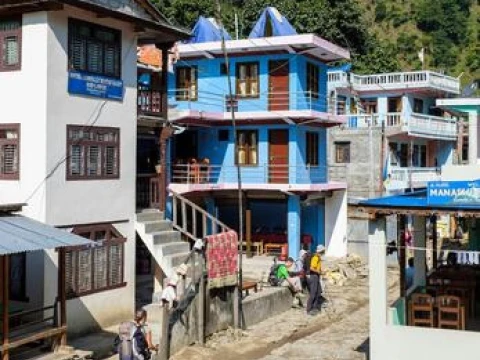
The Manaslu Circuit Trek Experience offers an unforgettable journey into Nepal's natural beauty, cultural richness, and traditional mountain lifestyle. Organized by Asiana Treks and Tours, this remarkable adventure begins in Kathmandu.
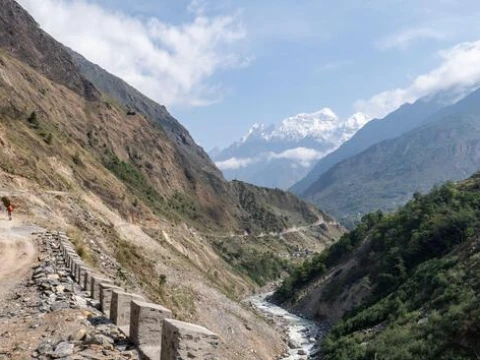
The Manaslu Circuit Trek is one of Nepal’s most rewarding Himalayan adventures, offering spectacular mountain scenery, traditional villages, rich cultural heritage, and peaceful trails away from some of the country’s busier trekking routes. Organized by Asiana Treks and Tours, this remarkable journey takes trekkers through lush green valleys

Deng Village, Nepal, is a peaceful mountain settlement located at approximately 1,860 meters (6,102 feet) above sea level along the spectacular Manaslu Circuit Trek. Surrounded by green hills, dense forests, terraced fields, and the beautiful Budhi Gandaki River valley, Deng offers trekkers a quiet and refreshing place to rest while exploring


 (2)
 100% recommend (0)

 (0)