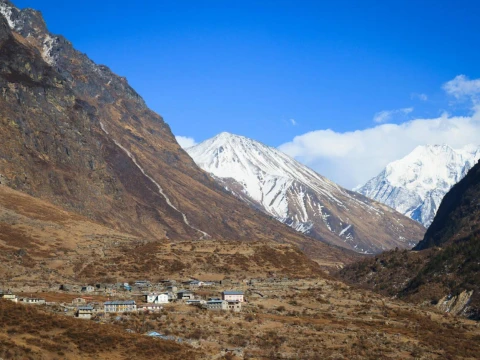
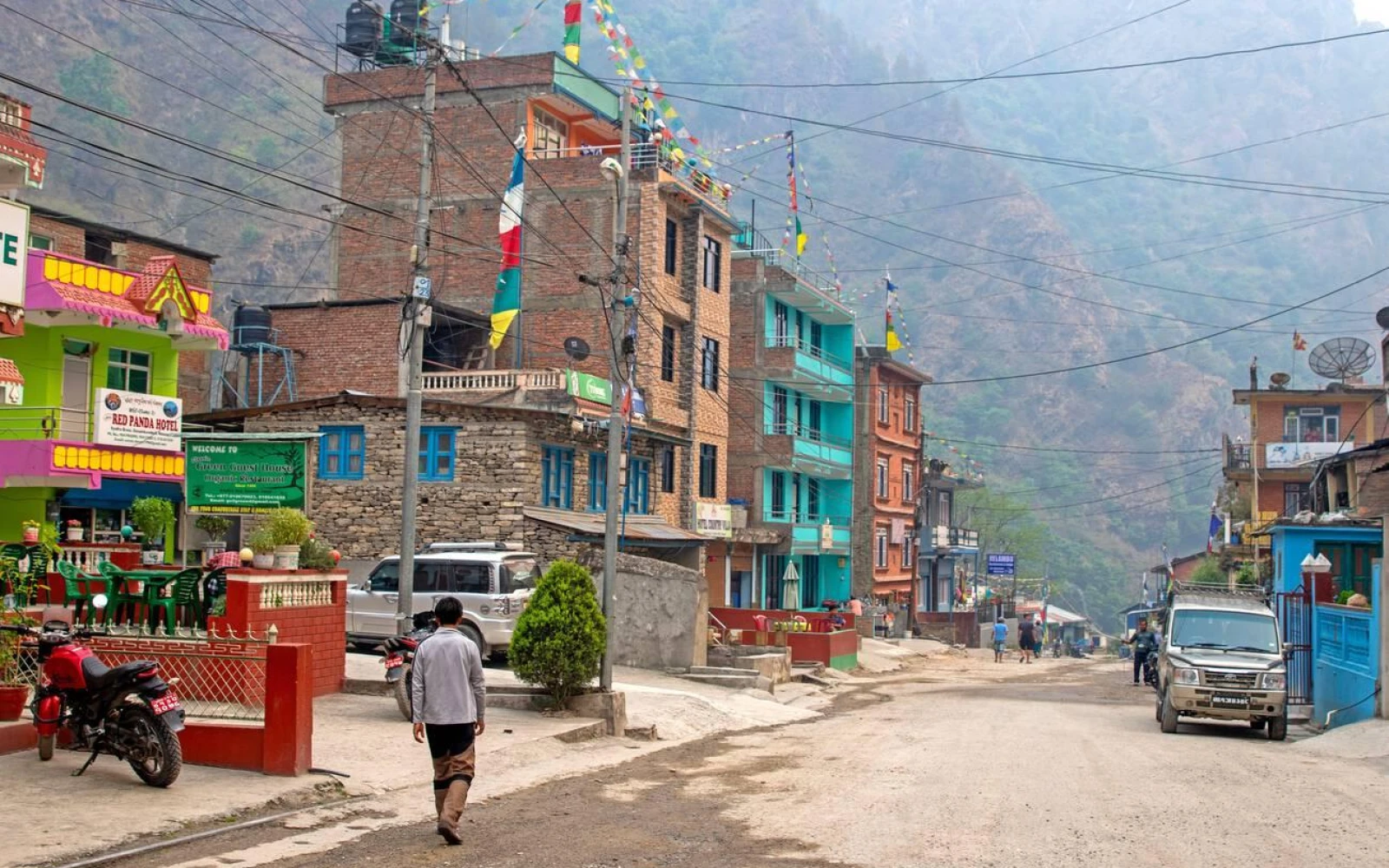
Syabrubesi is a picturesque mountain village nestled in the northern region of Nepal, within Rasuwa District. Sitting at an elevation of 1,503 meters (4,931 feet), it serves as the primary starting point for several of Nepal’s most iconic trekking routes, including the Langtang Valley trek and the sacred Gosaikunda Lake pilgrimage route. With its riverside setting along the Bhote Koshi River and its surrounding terraced hills, the village offers a peaceful yet vibrant introduction to Himalayan trekking culture.
As a trekking hub, Syabrubesi provides essential infrastructure, including teahouses, lodges, trekking permits, and transportation links. For adventurers booking through Asiana Treks and Tours, it represents the logistical and emotional starting line of a journey into the Himalayas. Whether heading toward alpine lakes, high mountain passes, or culturally rich Tamang villages, every path from Syabrubesi leads to a unique Himalayan experience.
Syabrubesi is more than just a starting point; it is where anticipation transforms into adventure. Located approximately 122 kilometers north of Kathmandu, the village marks the transition from urban life to the serene wilderness of the Himalayas. The journey to Syabrubesi itself is scenic, passing through winding mountain roads, lush hills, and river valleys, offering glimpses of rural Nepalese life.
Geographically, Syabrubesi lies in a deep valley surrounded by forested hills and snow-capped peaks in the distance. The region is part of the Langtang National Park buffer zone, which is known for its biodiversity, including red pandas, Himalayan black bears, and a wide range of bird species. The terrain gradually rises from subtropical forests to alpine meadows and glaciers as trekkers move deeper into the region.
Key Highlights:
Syabrubesi is surrounded by a remarkable range of natural and cultural attractions, making it far more than just a trekking transit point. One of the biggest draws is its proximity to the breathtaking Langtang Valley, known for its dramatic himalayan landscapes, glaciers, and serene villages. Trekkers can also venture toward the sacred Gosaikunda Lake, a high-altitude alpine lake revered by both Hindus and Buddhists, offering not just spiritual significance but also stunning mountain reflections.
Another major attraction is the culturally rich Tamang settlements, including nearby Syabru village, where visitors can experience traditional lifestyles, monasteries, and festivals. The region also falls within Langtang National Park, home to diverse flora and fauna such as red pandas, Himalayan black bears, and colorful bird species. With thoughtfully designed itineraries by Asiana Treks and Tours, travelers can explore these attractions in a well-balanced and immersive way.
Key Attractions:
Syabrubesi offers a wide variety of activities for trekkers and nature lovers. Trekking is, of course, the primary activity, with routes ranging from moderate hikes to challenging high-pass adventures. Whether heading into Langtang Valley or crossing toward Gosaikunda, each trail presents unique scenery and cultural encounters. Short hikes around the village, hot spring visits, and acclimatization walks are also popular before starting longer treks.
Cultural exploration is another rewarding activity. Visitors can interact with local Tamang communities, observe traditional farming practices, and visit monasteries. Photography, birdwatching, and nature walks are excellent for those who prefer a slower pace. With expert coordination from Asiana Treks and Tours, travelers can combine adventure with cultural and leisure experiences.
Top Activities:
Syabrubesi sits near the Nepal–Tibet border, making it strategically important both geographically and culturally. It is connected to Kathmandu via a winding mountain road that follows the Trishuli River for much of the journey. Despite its remote feel, the village is relatively accessible compared to other trekking entry points in Nepal.
Historically, Syabrubesi gained prominence after the construction of the road network and the development of trekking routes in the Langtang region. It also plays a vital role in supporting nearby communities such as Syaphru (Syabru), a traditional Tamang settlement known for its cultural heritage and panoramic views.
Key Highlights:
For trekkers, Syabrubesi is not just a stop—it’s the foundation of the entire journey. It is where permits are checked, guides are organized, and final preparations are made before heading into remote mountain terrain. The village offers a chance to acclimatize slightly before ascending into higher elevations, making it a practical and strategic starting point.
Additionally, Syabrubesi introduces trekkers to the warm hospitality of local communities, particularly the Tamang people, whose culture, traditions, and lifestyle enrich the trekking experience. With routes branching toward Langtang Valley, Gosaikunda Lakes, Helambu, and even technical climbs like Yala Peak, Syabrubesi stands as a central hub for diverse Himalayan adventures organized by companies like Asiana Treks and Tours.
Key Highlights:
Syabrubesi serves as the launching point for a remarkable range of trekking adventures that span diverse landscapes, elevations, and cultural experiences. From here, trekkers step directly into the trails leading to the stunning Langtang Valley, one of Nepal’s most accessible alpine regions, known for its glaciers, yak pastures, and traditional Tamang villages. The classic Langtang Valley Trek offers a balanced mix of natural beauty and cultural immersion, making it ideal for both beginners and experienced hikers.
Beyond Langtang Valley, Syabrubesi also connects to more challenging and rewarding routes like the Langtang Gosaikunda Pass Trek, which links the valley to the sacred Gosaikunda Lake via high mountain passes. Other notable journeys include the Langtang–Helambu Trek, offering quieter trails and Buddhist heritage sites, the Tamang Heritage Trail, rich in culture and homestay experiences, and the adventurous Yala Peak climbing route for those seeking a non-technical Himalayan summit. With guidance from Asiana Treks and Tours, each of these routes can be tailored to suit different levels of experience and adventure goals.
Key Routes from Syabrubesi:
Reaching Syabrubesi is an adventure in itself, beginning from the bustling capital city of Kathmandu. The journey covers approximately 122 kilometers and typically takes 6 to 8 hours by road, depending on traffic and weather conditions. The route follows the Trishuli River for much of the way, offering scenic views of terraced hills, waterfalls, and rural settlements that gradually introduce travelers to Nepal’s countryside charm.
Travelers can choose between local buses, private jeeps, or tourist vehicles arranged by agencies like Asiana Treks and Tours. While the road can be rough and winding in sections, especially during the monsoon season, the journey is filled with breathtaking landscapes and glimpses of the Himalayan foothills. For many trekkers, this drive marks the exciting transition from city life to mountain adventure.
Travel Highlights:
Upon arrival in Syabrubesi, visitors are immediately greeted by a tranquil mountain atmosphere, where the sound of flowing rivers and rustling forests replaces the noise of urban life. The village is set in a valley surrounded by green hills, with snow-capped peaks visible in the distance on clear days. Suspension bridges, stone paths, and cozy lodges create a welcoming environment for trekkers preparing for their journey.
Culturally, Syabrubesi reflects the traditions of the Tamang community, an ethnic group with Tibetan roots. Visitors can observe local customs, traditional dress, and Buddhist influences in daily life. The warmth and hospitality of the locals add a human connection to the natural beauty, making the village not just a transit point but a memorable destination in its own right—especially when journeys are thoughtfully organized by Asiana Treks and Tours.
What You’ll Notice First:
Trekking from Syabrubesi offers a wide variety of experiences that evolve with each step into the mountains. Early stages of the trek pass through dense forests of rhododendron and bamboo, with chances to spot wildlife such as red pandas and langurs. As the trail ascends, the landscape opens up into alpine meadows, glacial valleys, and panoramic viewpoints that showcase the grandeur of the Himalayas.
One of the most memorable highlights is reaching high-altitude destinations like Kyanjin Gompa in Langtang Valley or the sacred Gosaikunda Lakes, where spiritual significance meets natural beauty. Trekkers also enjoy cultural encounters in remote villages, yak cheese factories, and ancient monasteries. With expert planning from Asiana Treks and Tours, these highlights are seamlessly woven into a safe and unforgettable Himalayan journey.
Top Trekking Highlights:
Choosing the right season to visit Syabrubesi can significantly enhance your trekking experience. The most favorable times are spring (March to May) and autumn (September to November), when the weather is stable, skies are clear, and mountain views are at their best. During spring, the trails leading toward Langtang Valley come alive with blooming rhododendrons, while autumn offers crisp air and fantastic visibility of Himalayan peaks.
Winter (December to February) brings colder temperatures and occasional snowfall, especially at higher elevations, but Syabrubesi itself remains accessible and quieter. Monsoon season (June to August), on the other hand, can make trails slippery and roads challenging due to heavy rainfall. For a well-organized and season-appropriate trek, Asiana Treks and Tours helps travelers plan according to weather conditions and personal preferences.
Best Seasons at a Glance:
Syabrubesi offers a range of accommodation options that cater to trekkers of all budgets. From simple teahouses to more comfortable lodges, most places provide clean rooms, basic amenities, and hot hospitality. Rooms are typically twin-sharing with shared bathrooms, though some upgraded lodges offer attached facilities. Electricity and Wi-Fi are available in many places, although they may come with extra charges.
Food in Syabrubesi is both nourishing and diverse, designed to fuel trekkers before they head into the mountains. The staple meal is Dal Bhat (rice, lentils, vegetables), known for its Energy and unlimited servings. In addition, trekkers can enjoy noodles, soups, Tibetan bread, pancakes, and even some Western dishes. Agencies like Asiana Treks and Tours ensure that clients stay in reliable lodges with hygienic food and comfortable conditions.
What to Expect:
Syabrubesi lies in a region predominantly inhabited by the Tamang community, an ethnic group with deep-rooted traditions influenced by Tibetan Buddhism. Their culture is reflected in daily life, from prayer flags fluttering in the wind to monasteries and chortens scattered along trekking routes. Villages like Syabru (Syaphru) nearby offer deeper insight into traditional Tamang architecture, dress, and rituals.
Visitors often experience genuine hospitality, with locals welcoming trekkers into their lodges and homes. Festivals, music, and dance play an important role in preserving their heritage. Treks like the Tamang Heritage Trail provide a more immersive cultural journey, allowing travelers to engage directly with the community. With guidance from Asiana Treks and Tours, these interactions become meaningful cultural exchanges rather than just observations.
Cultural Highlights:
Before starting any trek from Syabrubesi, trekkers must obtain the necessary permits to enter protected areas. The most important is the Langtang National Park Entry Permit, as the region falls within Langtang National Park. In addition, a TIMS (Trekkers' Information Management System) card is often required to ensure safety and proper record-keeping of trekkers in the region.
Practical preparation is key to a smooth trekking experience. This includes packing appropriate gear, carrying cash (as ATMs are limited), and being prepared for limited connectivity in remote areas. Health and acclimatization should also be considered, especially for high-altitude routes like Gosaikunda Lake. Booking through Asiana Treks and Tours ensures all permits, logistics, and safety measures are handled professionally.
Essential Information:
Syabrubesi is widely recognized as the main gateway to the Langtang region, making it one of the most important trekking hubs in northern Nepal. Its accessibility by road from Kathmandu and its well-established trekking infrastructure make it a preferred starting point for both domestic and international trekkers. The village is especially popular for those seeking a less crowded alternative to the Everest and Annapurna regions.
In addition to trekking, Syabrubesi is known for its warm hospitality, scenic river valley setting, and cultural richness. The blend of natural beauty and Tamang heritage gives it a unique identity among Himalayan destinations. Trekkers choosing Asiana Treks and Tours often begin their journey here, benefiting from organized logistics and local expertise.
Why It’s Popular:
A successful trek from Syabrubesi depends on good preparation and awareness. First, it's important to acclimatize properly as you ascend towards higher elevations like Gosaikunda Lake. Staying hydrated, walking at a steady pace, and listening to your body are essential for avoiding altitude sickness. Packing appropriate gear—such as warm clothing, good trekking boots, and necessary supplies—also makes a significant difference.
Equally important is planning your trek with reliable support. Hiring experienced guides and porters, or booking through Asiana Treks and Tours, ensures safety, navigation, and a smoother experience. Weather conditions can change quickly in the mountains, so flexibility and awareness are key.
Safety Tips:
While trekking from Syabrubesi is incredibly rewarding, it also comes with challenges that trekkers should be prepared for. One of the main difficulties is altitude, especially on routes leading to high passes or alpine lakes. Symptoms of altitude sickness can affect anyone, regardless of fitness level, so caution is necessary.
Trail conditions can also vary depending on the season. During the monsoon, paths may become muddy and slippery, while winter can bring snow and colder temperatures at higher elevations. Additionally, limited infrastructure in remote areas means fewer medical facilities and connectivity options. Proper planning with Asiana Treks and Tours helps mitigate these challenges effectively.
Common Challenges:
As trekking in regions like Langtang National Park continues to grow, responsible travel has become increasingly important. Preserving the natural environment by minimizing waste, avoiding plastic, and respecting wildlife is essential to preserving the beauty of the Himalayas. Small actions like carrying reusable bottles and disposing of waste properly can make a big difference.
Cultural respect is equally important. Trekkers should honor local customs, dress modestly, and seek permission before photographing people or religious sites. Supporting local businesses—such as teahouses and guides—helps sustain the community economy. By traveling responsibly with operators like Asiana Treks and Tours, visitors contribute positively to both the environment and local livelihoods.
Responsible Trekking Tips:
Packing wisely is one of the most important steps before beginning your trek from Syabrubesi. Since the trails quickly ascend toward higher elevations like Langtang Valley and beyond to alpine zones near Gosaikunda Lake, you need to be prepared for rapidly changing weather conditions. Layered clothing is essential—lightweight base layers, insulating mid-layers, and a waterproof outer shell will help you stay comfortable from warm valley trails to cold mountain areas.
In addition to clothing, trekkers should focus on practical gear that ensures safety and convenience. A sturdy backpack, good-quality trekking boots, a sleeping bag, and a basic first-aid kit are must-haves. Items like water purification tablets, energy snacks, and a headlamp are also extremely useful, especially in remote areas with limited facilities. Planning your packing with experts like Asiana Treks and Tours ensures you carry everything necessary without overpacking.
Packing Checklist:
Syabrubesi offers flexibility for a variety of trekking itineraries, depending on time, fitness level, and interests. A classic option is the Langtang Valley Trek, which typically takes 7–10 days round-trip. Starting from Syabrubesi, trekkers pass through lush forests and villages before reaching Kyanjin Gompa in Langtang Valley, where Himalayan views and glacier landscapes create unforgettable memories.
For those seeking a longer and more challenging adventure, the Langtang–Gosaikunda route (12–16 days) combines valley trekking with high-altitude lakes like Gosaikunda Lake and scenic passes. Shorter options include the Tamang Heritage Trail (5–7 days), focusing on culture and community experiences. Adventure seekers can also include Yala Peak climbing for a Himalayan summit experience. With customized itineraries from Asiana Treks and Tours, trekkers can tailor their journey to match their goals and schedule.
Popular Itinerary Options:
Syabrubesi is often described as a gateway, but in reality, it is much more than just the beginning of a trek. The village itself offers a unique blend of natural beauty, cultural richness, and quiet mountain atmosphere that leaves a lasting impression on visitors. From the river valleys to welcoming teahouses and vibrant Tamang traditions, Syabrubesi sets the tone for the entire Himalayan journey.
What makes Syabrubesi truly special is how it connects people to nature, to culture, and to adventure. Whether you are trekking into Langtang National Park or heading toward sacred alpine lakes, the experience begins here in a meaningful way. With professional guidance and thoughtful planning by Asiana Treks and Tours, Syabrubesi becomes not just a starting point but a memorable part of the journey itself.
Why It Stands Out:


 (2)
(2)  100% recommend (0)
 (0)
(0)