Nepal is home to some of the world's most spectacular trekking destinations, offering incredible mountain scenery, ancient cultures, traditional villages, and unforgettable Himalayan experiences. Among these destinations, restricted area trekking routes stand out for their untouched natural beauty, remote locations, and unique cultural heritage. These special regions are protected by the Government of Nepal to preserve their traditional lifestyles, fragile environments, and historical significance. With special trekking permits and authorized trekking arrangements, travelers can explore some of the most fascinating hidden corners of the Himalayas.
Asiana Treks and Tours offers carefully designed trekking packages to Nepal's most remarkable restricted regions, including Upper Mustang, Manaslu, Tsum Valley, Nar Phu, and Upper Dolpo. Each destination provides a different adventure, from exploring ancient Tibetan-influenced settlements and Buddhist monasteries to crossing challenging high mountain passes and discovering isolated Himalayan landscapes. Whether you are an experienced trekker or a cultural adventure enthusiast, these restricted area treks offer an extraordinary opportunity to experience the authentic beauty of Nepal.
Highlights of Nepal's restricted area trekking adventures:
Restricted area trekking in Nepal offers a unique opportunity to explore some of the country's most isolated and culturally significant destinations. Unlike popular trekking regions such as Everest and Annapurna, these protected areas require special permits and authorized trekking arrangements. Their remote geographical locations, traditional settlements, and preserved cultural heritage make them particularly attractive to travelers seeking authentic Himalayan experiences away from crowded trails. From the dramatic landscapes of Upper Mustang to the mysterious valleys of Upper Dolpo, every destination offers something special.
These trekking adventures combine natural beauty, cultural exploration, and challenging mountain journeys. Trekkers can walk through ancient villages, visit centuries-old monasteries, experience traditional Tibetan-influenced lifestyles, and enjoy spectacular views of the Himalayas. Some routes also include demanding high-altitude passes, making them suitable for trekkers with good physical fitness and previous mountain trekking experience.
The six remarkable restricted area trekking destinations covered by Asiana Treks and Tours include:
Restricted area trekking in Nepal is an excellent choice for travelers who want to experience the Himalayas beyond the usual tourist destinations. These regions offer spectacular natural landscapes, authentic cultural encounters, and a peaceful trekking environment. Because visitor numbers and access are regulated, many villages have preserved their traditional architecture, religious practices, and local lifestyles. Walking through these areas allows travelers to experience a different side of Nepal, where ancient traditions remain an important part of everyday life.
Another major attraction is the opportunity to explore diverse Himalayan environments within one country. Trekkers can experience the desert-like landscapes of Upper Mustang, lush forests and dramatic gorges in Manaslu, remote alpine valleys in Nar Phu, and the rugged wilderness of Upper Dolpo. Each destination provides a memorable combination of adventure, cultural discovery, and natural beauty.
Reasons to choose restricted area trekking in Nepal:
With Asiana Treks and Tours, travelers receive professional trekking arrangements, experienced guides, permit assistance, transportation, accommodation planning, and personalized itineraries. Our team focuses on providing safe, comfortable, and memorable Himalayan adventures while respecting local communities and the natural environment.
Upper Mustang Trekking is one of the most fascinating restricted area trekking adventures in Nepal. Located in the northern part of the Mustang district near the Tibetan border, this extraordinary region is famous for its desert-like landscapes, ancient Buddhist monasteries, mysterious caves, and traditional Tibetan-influenced culture. Often known as the Last Forbidden Kingdom, Upper Mustang was once an independent kingdom with a rich history and distinctive cultural identity. Its remote location has helped preserve ancient traditions, making it one of the most culturally rewarding trekking destinations in the Himalayas.
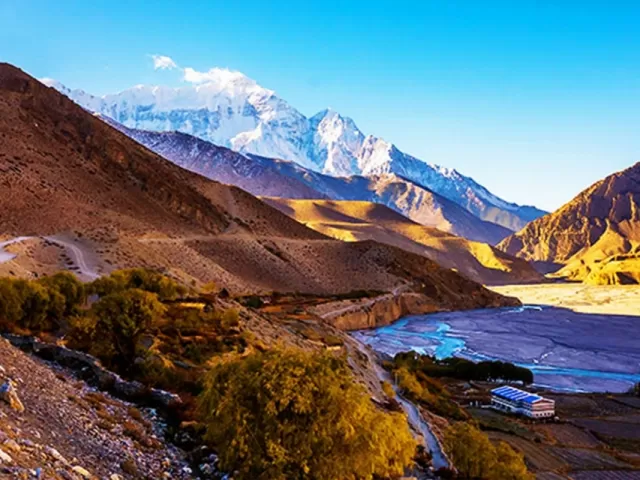
The highlight of the journey is Lo Manthang, the historic walled capital of the former Kingdom of Lo. Trekkers can explore traditional whitewashed houses, ancient monasteries, royal heritage sites, and fascinating settlements surrounded by dramatic red and brown cliffs. The journey also passes through beautiful villages such as Kagbeni, Chaile, Geling, and Charang, offering incredible views of the Himalayan landscape and opportunities to experience local hospitality.
The 17-day Upper Mustang itinerary begins in Kathmandu with a cultural heritage tour before traveling to Pokhara and flying to Jomsom. From Jomsom, the trekking adventure continues through Kagbeni, Chaile, Geling, Charang, and Lo Manthang. After exploring Namgyal Gompa and Tingkhar, trekkers return through Dhi, Tange, Tetang, and Chusang before reaching Jomsom. A flight to Pokhara, sightseeing, and a return journey to Kathmandu complete this remarkable adventure.
Major highlights of Upper Mustang Trekking:
Upper Mustang Trekking is particularly suitable for travelers interested in cultural exploration, history, photography, and remote Himalayan landscapes. Asiana Treks and Tours provides complete trekking arrangements, including restricted area permits, experienced guides, transportation, accommodation, and personalized travel support.
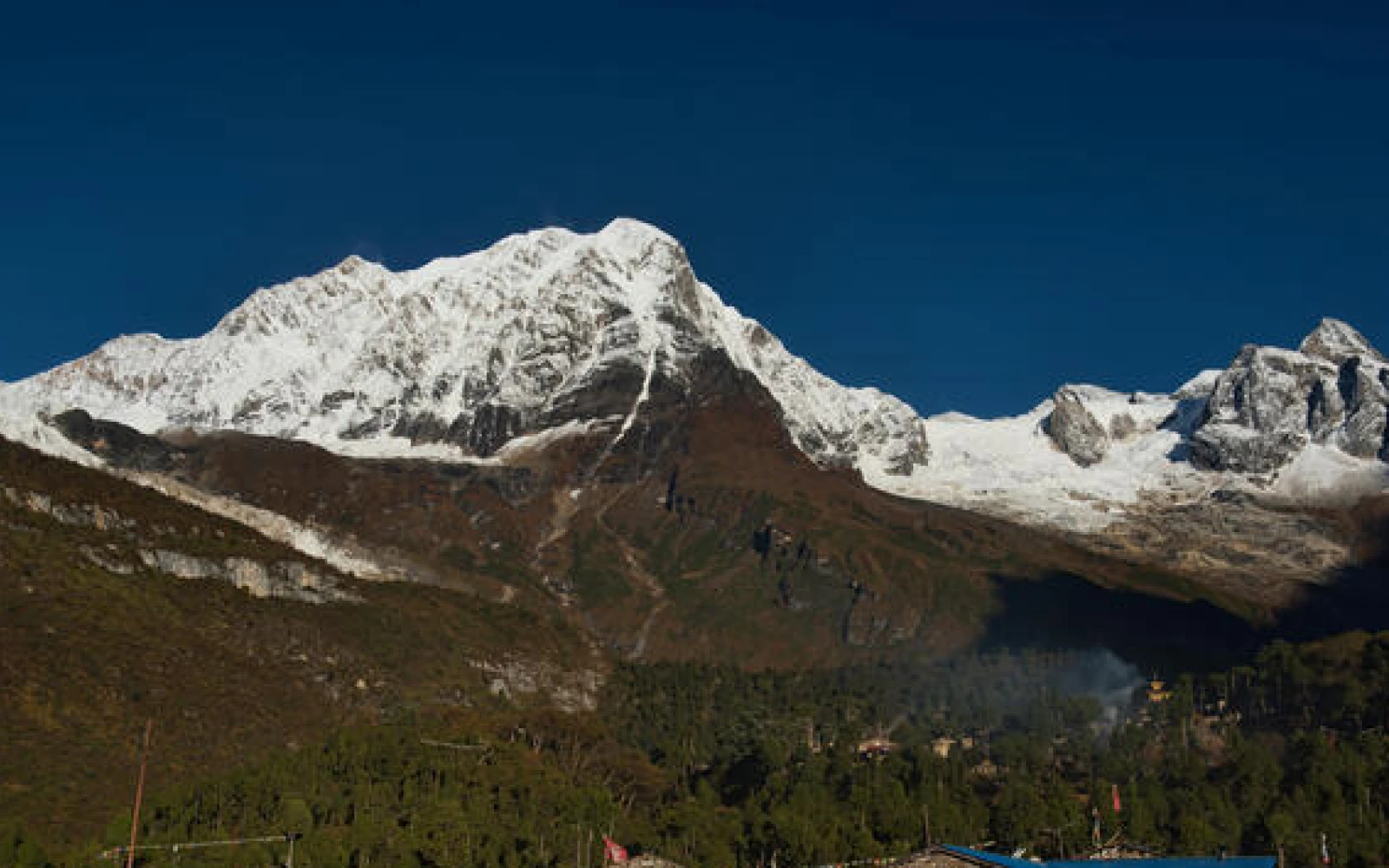
Manaslu Larke Pass Trekking is one of Nepal's most spectacular remote Himalayan adventures, taking travelers around the magnificent Mount Manaslu, the eighth-highest mountain in the world at 8,163 meters. This trekking route offers an extraordinary combination of dramatic mountain scenery, traditional villages, Buddhist monasteries, beautiful forests, and high-altitude landscapes. The Manaslu region is especially attractive to trekkers who want to experience the natural beauty and cultural richness of the Himalayas while exploring a relatively peaceful trekking destination.
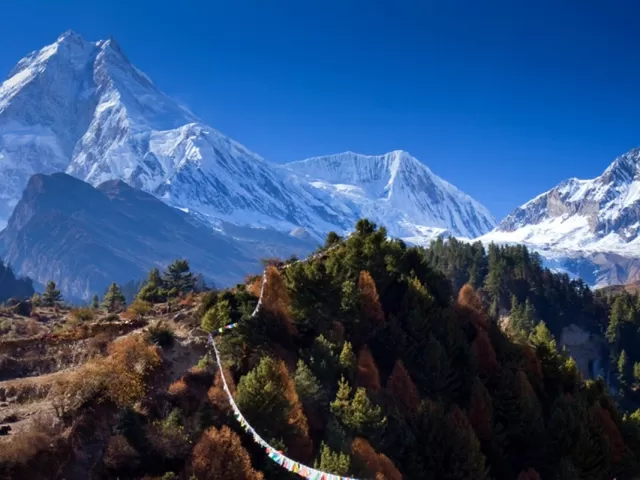
The journey follows the Budhi Gandaki River through beautiful villages, deep river valleys, suspension bridges, and alpine forests before reaching the traditional settlements of Namrung, Syala, Samagaun, and Samdo. As the trail gains elevation, the scenery changes from green hills and forests to spectacular snow-covered peaks and glacial landscapes. One of the major highlights is the acclimatization excursion to Birendra Lake near Samagaun, where trekkers can enjoy breathtaking mountain scenery.
The biggest challenge and highlight of the trek is crossing Larkya La Pass at approximately 5,160 meters. The pass provides spectacular views of surrounding Himalayan peaks and glaciers before the trail descends toward Bhimthang and Dharapani. The combination of high mountain adventure, remote villages, and cultural experiences makes this trek one of the most rewarding journeys in Nepal.
The 11-day itinerary begins with a private jeep drive from Kathmandu to Jagat. The trekking route continues through Deng, Namrung, Syala, Samagaun, and Samdo before reaching Larkya Phedi (Dharamsala). After crossing Larkya La Pass, trekkers descend to Bhimthang and continue toward Dharapani, followed by a private jeep journey to Kathmandu, Pokhara, or Chitwan.
Major highlights of Manaslu Larke Pass Trekking:
Manaslu Larke Pass Trekking is ideal for experienced trekkers looking for a challenging Himalayan adventure with incredible cultural and natural attractions. Asiana Treks and Tours organizes the journey with experienced trekking guides, restricted-area permit arrangements, transportation, accommodation, and essential safety support.
Tsum Valley Trekking is a remarkable cultural and natural adventure in the remote northern part of the Manaslu region. Known as the Valley of Happiness, Tsum Valley is one of Nepal's most peaceful and culturally preserved Himalayan destinations. Located close to the Tibetan border, the valley is famous for its ancient Buddhist monasteries, traditional villages, sacred landscapes, and unique Tibetan-influenced heritage. Its isolated geographical position has allowed local communities to maintain their traditional lifestyles and religious practices for generations.
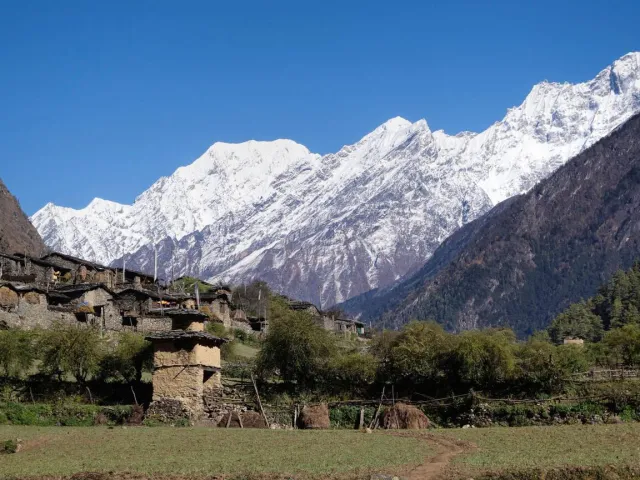
The trekking route follows the Budhi Gandaki Valley before entering the beautiful landscapes of Tsum. Along the way, trekkers pass through traditional settlements, forests, suspension bridges, and spectacular mountain scenery. Villages such as Lokpa, Chumling, and Chhekampar offer opportunities to experience local culture and hospitality. One of the most important destinations is Mu Gompa, an ancient Buddhist monastery located at approximately 3,700 meters, which provides an incredible opportunity to discover the spiritual heritage of the region.
Another major highlight is the excursion toward Ganesh Himal Base Camp, offering spectacular mountain scenery and an adventurous high-altitude experience. Trekkers can also visit Gumba Lungdang, a beautiful monastery surrounded by impressive Himalayan landscapes. The combination of cultural exploration, peaceful mountain villages, and remote trekking trails makes Tsum Valley one of the most special destinations in Nepal.
The 13-day Tsum Valley itinerary begins with a private jeep drive from Kathmandu to Machhakhola. The trekking journey continues through Jagat, Lokpa, Chumling, and Chhekampar before reaching Nile and Mu Gompa. After exploring the upper valley, trekkers return toward Chhekampar and continue to Gumba Lungdang for an excursion to Ganesh Himal Base Camp. The final trekking days pass through Chumling and Jagat before returning to Kathmandu by private jeep.
Major highlights of Tsum Valley Trekking:
Tsum Valley Trekking is an excellent choice for cultural travelers, nature lovers, photographers, and trekkers seeking a peaceful Himalayan experience. Asiana Treks and Tours provides organized trekking services, special permit arrangements, experienced guides, accommodation planning, and transportation to ensure a memorable journey.
Nar Phu Khang La with Thorong La Pass Trekking is an extraordinary Himalayan adventure combining the remote beauty of the Nar and Phu valleys with the spectacular landscapes of the Annapurna region. This journey is designed for adventurous trekkers who want to explore isolated Himalayan settlements, experience traditional Tibetan-influenced cultures, and cross challenging high mountain passes. The Nar and Phu valleys are among Nepal's most fascinating hidden destinations, featuring ancient villages, stone houses, Buddhist monasteries, and impressive mountain scenery.
The journey begins from Kathmandu and follows the Annapurna region toward Chamje, Dharapani, and Koto before entering the restricted Nar Phu Valley. As trekkers travel deeper into the valley, the landscape becomes more dramatic, with deep gorges, high cliffs, alpine meadows, and remote settlements. Phu Village, situated at approximately 4,050 meters, is one of the most fascinating destinations along the route, offering an opportunity to explore traditional Himalayan architecture, ancient monasteries, and local cultural traditions.
The adventure continues through the remote settlements of Nar and toward the Annapurna region. Trekkers experience the spectacular landscapes around Ngawal and Manang before continuing toward Yak Kharka and Thorong Phedi. The final major challenge is crossing Thorong La Pass at approximately 5,416 meters before descending to the sacred pilgrimage destination of Muktinath. The journey concludes in Jomsom and Pokhara before returning to Kathmandu.
Major highlights of Nar Phu Khang La with Thorong La Pass Trekking:
This trekking adventure is suitable for physically fit and experienced trekkers who want to discover remote Himalayan culture and challenging mountain landscapes. Asiana Treks and Tours provides experienced trekking guides, special permit arrangements, transportation, accommodation, and personalized itinerary support.
Note: The advertised route should be reviewed and clarified before booking, particularly the Khang La Pass crossing, as the itinerary provided includes the Nar and Phu villages and Thorong La Pass but does not clearly specify a Khang La crossing.
Nar Phu Valley Trekking is one of the most fascinating restricted area adventures in the Annapurna region of Nepal. Hidden between the Annapurna and Manaslu mountain ranges, this remote valley is famous for its dramatic landscapes, ancient settlements, traditional Buddhist culture, and untouched natural beauty. The villages of Nar and Phu have preserved their distinctive cultural identity, traditional stone architecture, and Tibetan-influenced lifestyles, making the region an excellent destination for travelers interested in exploring authentic Himalayan communities.
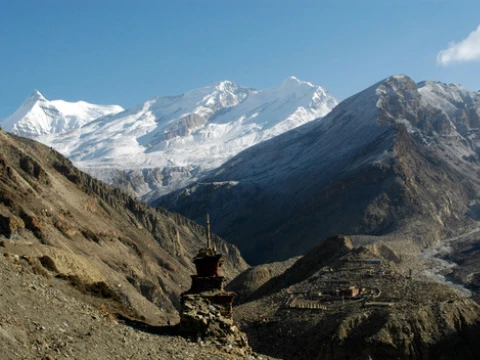
The trekking adventure begins with a drive from Kathmandu to Dharapani before following the trail toward Koto, where trekkers enter the restricted Nar Phu Valley. The route passes through beautiful forests, narrow gorges, traditional villages, and high mountain landscapes. Meta is an important stop along the way, offering impressive views of the surrounding mountains before the trail continues toward Phu Village. In Phu, visitors can explore ancient monasteries, traditional homes, and the unique lifestyle of the local people.
After exploring Phu, the journey continues toward Nar Phedi and Nar Village. Nar is another beautiful Himalayan settlement featuring traditional stone houses, prayer flags, Buddhist monuments, and impressive mountain views. The exploration day in Nar allows trekkers to experience local culture and enjoy the peaceful atmosphere of the valley. The route then continues toward Ngawal before driving to Chame and returning to Kathmandu.
The 13-day Nar Phu Valley itinerary includes arrival in Kathmandu, a drive to Dharapani, trekking through Koto and Meta, exploration of Phu Village, and a journey toward Nar Phedi and Nar Village. After spending time exploring the village, trekkers continue toward Ngawal and complete the journey with private jeep transportation through Chame and Besisahar to Kathmandu.
Major highlights of Nar Phu Valley Trekking:
Nar Phu Valley Trekking is an excellent choice for travelers looking for cultural discovery, remote mountain landscapes, and an authentic Himalayan adventure. With Asiana Treks and Tours, trekkers can enjoy professionally organized trekking services, restricted-area permits, experienced guides, transportation, and accommodation arrangements.
Upper Dolpo Trekking is one of the most remote, challenging, and culturally rewarding trekking adventures in Nepal. Located in the far-western Himalayan region, Upper Dolpo is famous for its dramatic mountain landscapes, turquoise alpine lakes, ancient monasteries, traditional Tibetan Buddhist communities, and isolated villages. This extraordinary region is part of Nepal's restricted trekking areas and offers a rare opportunity to explore a Himalayan wilderness that has remained largely untouched by modern tourism. Its unique cultural heritage and remarkable scenery make Upper Dolpo a dream destination for experienced trekkers and adventure enthusiasts.
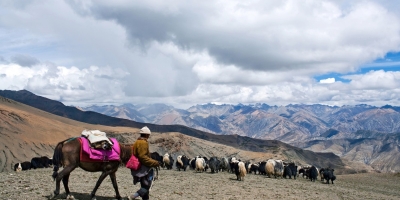
One of the major attractions of the journey is the spectacular Phoksundo Lake, famous for its brilliant turquoise water and surrounding cliffs. Trekkers also visit traditional settlements such as Saldang, Namduna Gaun, Dho Tarap, and Tarakot, where ancient traditions and Tibetan-influenced lifestyles remain an important part of daily life. The route passes through dramatic mountain valleys, high-altitude landscapes, and several challenging mountain passes, including Kang La, Saldang La, and Jeng La. These mountain crossings provide incredible views of the surrounding Himalayan wilderness.
Another highlight is Shey Gompa, one of the most spiritually significant monasteries in Upper Dolpo. The monastery is closely associated with the sacred Crystal Mountain, which attracts Buddhist pilgrims and visitors interested in the spiritual traditions of the region. The combination of ancient monasteries, isolated settlements, alpine lakes, and remote mountain trails makes Upper Dolpo one of the most extraordinary trekking destinations in Nepal.
The 26-day Upper Dolpo itinerary begins with arrival in Kathmandu and a heritage sightseeing tour before traveling to Nepalgunj and flying to Juphal. From Juphal, the trekking adventure starts through Dunai and Ankhe before reaching Renje and Phoksundo Lake. The journey continues through Phoksundo Khola, Phoksundo Bhanjyang, and Shey Gompa via Kang La Pass. After exploring Shey Gompa, trekkers cross Saldang La Pass toward Namduna Gaun and continue through Saldang, Sibu, and Jeng La Phedi. The route then crosses Jeng La Pass toward Tokyo Gaun and Dho Tarap before descending through Serkam, Khani Gaun, and Tarakot to Dunai and Juphal. Flights via Nepalgunj return trekkers to Kathmandu, with a contingency day included before departure.
Major highlights of Upper Dolpo Trekking:
Upper Dolpo Trekking is best suited to experienced trekkers with excellent physical fitness, previous high-altitude trekking experience, and sufficient time for a demanding Himalayan expedition. Asiana Treks and Tours offers comprehensive trekking arrangements, including restricted-area permits, domestic flights, experienced trekking guides, accommodation, meals, transportation, and logistical support.
Important booking note: Restricted-area trekking regulations, permit fees, minimum group requirements, and guide arrangements can change. Some itineraries also require route and altitude verification before departure. Asiana Treks and Tours can help travelers confirm the latest requirements and prepare an appropriate itinerary for each adventure.
Restricted area treks in Nepal are among the most extraordinary Himalayan adventures because they provide access to remote destinations that have preserved their natural beauty, cultural traditions, and historical identity for centuries. Unlike popular trekking routes, these protected regions have limited tourist access, helping maintain their traditional lifestyles and fragile mountain environments. Travelers can discover ancient monasteries, traditional stone villages, sacred landscapes, and spectacular mountain scenery while experiencing the authentic culture of the Himalayas.
One of the most special aspects of restricted area trekking is the diversity of experiences available across different regions. Upper Mustang offers a fascinating desert landscape and the ancient kingdom of Lo Manthang, while Manaslu and Tsum Valley provide beautiful mountain scenery and rich Buddhist traditions. Nar Phu introduces travelers to isolated Himalayan settlements, and Upper Dolpo offers a remote wilderness experience with turquoise lakes, ancient monasteries, and challenging high mountain passes.
With Asiana Treks and Tours, travelers can explore these extraordinary destinations through professionally organized trekking packages, experienced local guides, and carefully planned itineraries. Our team focuses on providing meaningful cultural experiences, responsible tourism, and safe Himalayan adventures.
What makes restricted area trekking unique?
Choosing the right season is essential for enjoying a successful and memorable restricted area trekking adventure in Nepal. Weather conditions, visibility, temperature, snowfall, and trail accessibility can significantly influence the trekking experience, particularly in remote Himalayan regions. Generally, spring and autumn are the most popular trekking seasons because they offer favorable weather, comfortable daytime temperatures, and excellent mountain views.
Spring, from March to May, is an excellent season for exploring Manaslu, Tsum Valley, Nar Phu, and Upper Mustang. During this period, the weather gradually becomes warmer, mountain landscapes become more colorful, and trekking conditions are generally favorable. Autumn, from September to November, is another outstanding season, offering clear skies, excellent mountain visibility, and relatively stable weather. These months are particularly suitable for crossing high mountain passes such as Larkya La, Thorong La, and the passes of Upper Dolpo, depending on current conditions.
Upper Mustang is also a particularly attractive destination during the summer monsoon because it lies in the Himalayan rain-shadow region. While much of Nepal experiences heavy rainfall, Mustang generally receives considerably less precipitation, making it a suitable destination during the summer months. Upper Dolpo can also be considered for summer expeditions, although access, flights, and high-pass conditions must be carefully checked.
Best trekking seasons for restricted areas in Nepal:
Recommended seasons by trekking destination:
Asiana Treks and Tours recommends selecting trekking dates according to your destination, physical fitness, available time, and weather conditions. Our team can help determine the most suitable departure period and prepare an itinerary that considers seasonal accessibility and mountain safety.
Restricted area trekking permits are compulsory for travelers visiting Nepal's specially protected Himalayan regions. The Government of Nepal regulates access to these destinations to preserve their cultural heritage, protect sensitive environments, and manage tourism responsibly. Unlike regular trekking areas, restricted regions require special permits, and trekkers must follow specific regulations regarding group size, authorized guides, and trekking arrangements.
The permit requirements and fees vary according to the destination, trekking duration, season, and applicable government regulations. For example, Upper Mustang, Upper Dolpo, Manaslu, Tsum Valley, and Nar Phu each have different permit arrangements. Some trekking routes also require additional conservation area or national park entry permits. Travelers should therefore confirm the exact permit requirements before starting their journey.
Another important consideration is that restricted area trekking generally requires arrangements through a government-authorized trekking agency and a licensed trekking guide. Independent solo trekking is generally not permitted in these restricted zones under the applicable regulations. Minimum group requirements and permit conditions should also be confirmed before booking because regulations can change.
Important permits for restricted area trekking in Nepal:
Important permit considerations:
Asiana Treks and Tours assists travelers with restricted area permit applications, documentation, guide arrangements, and other necessary trekking formalities. Our team checks the applicable regulations and helps organize the required permits before departure so that travelers can concentrate on enjoying their Himalayan adventure.
The cost of restricted area trekking in Nepal depends on several factors, including the trekking destination, duration, group size, transportation, accommodation, food, guide services, and permit fees. Since restricted area destinations are often remote and require special logistical arrangements, their overall costs can be higher than those of standard trekking routes. Longer expeditions such as Upper Dolpo generally require a larger budget because of their duration, domestic flights, food supplies, and additional logistical requirements.
Upper Mustang, Manaslu, Tsum Valley, Nar Phu, and Upper Dolpo each have different cost structures. Upper Mustang trekking includes transportation between Kathmandu, Pokhara, and Jomsom, along with restricted area permit expenses. Manaslu and Tsum Valley generally require road transportation, trekking guides, accommodation, and regional permits. Nar Phu involves special permits and additional logistical planning, while Upper Dolpo requires domestic flights, camping or accommodation arrangements depending on the route, and extensive expedition support.
The final trekking price also depends on whether you choose a private trek or join a group departure. A private trekking package provides greater flexibility regarding departure dates, walking pace, and accommodation preferences. Group departures can help reduce certain shared expenses, including guide, transportation, and logistical costs.
Main factors affecting restricted area trekking costs:
Typical cost components of a trekking package:
At Asiana Treks and Tours, we offer customized trekking packages according to travelers' budgets, group sizes, and preferred services. We provide clear information about package inclusions and exclusions before booking so that travelers can plan their Himalayan adventure with confidence.
Important: Restricted area permit charges and trekking package prices are subject to change. Contact Asiana Treks and Tours for the latest destination-specific quotations rather than relying on outdated permit rates or fixed online estimates.
Packing the right equipment is extremely important for a successful restricted area trekking adventure in Nepal. These remote Himalayan destinations involve changing weather conditions, high elevations, long walking days, and limited access to shops and medical facilities. Trekkers should prepare suitable clothing, footwear, personal equipment, and essential supplies according to their destination and trekking season.
For destinations such as Upper Mustang, Manaslu, Tsum Valley, Nar Phu, and Upper Dolpo, a good layering system is particularly important. Temperatures can change significantly between lower valleys and high mountain passes. During the daytime, the weather may be sunny and relatively warm, while early mornings and evenings can be extremely cold. Proper trekking boots, warm clothing, waterproof equipment, and sun protection help ensure comfort throughout the journey.
In addition to clothing and trekking equipment, travelers should bring personal medications, travel documents, water purification supplies, and suitable travel insurance. High-altitude trekking requires additional preparation, especially for challenging routes such as Larkya La, Thorong La, and the high passes of Upper Dolpo.
Essential clothing and footwear:
Essential trekking equipment:
Personal health and safety items:
Important travel documents:
Asiana Treks and Tours provides a destination-specific packing checklist before departure to help travelers prepare properly. Our team can also advise on suitable sleeping bags, trekking equipment, clothing layers, and other essential supplies according to the season and difficulty of the selected trekking route.
Physical fitness is one of the most important requirements for enjoying restricted area trekking in Nepal. These Himalayan adventures often involve several consecutive days of walking, steep ascents, rocky trails, suspension bridges, and high-altitude mountain passes. Some itineraries, particularly Upper Dolpo, Manaslu Larke Pass, and Nar Phu with Thorong La, demand excellent endurance and mental preparation.
Trekkers should begin their physical preparation at least 8–12 weeks before departure, depending on their existing fitness level and previous trekking experience. Regular walking, hiking, cardiovascular exercise, strength training, and stair climbing can help improve endurance and prepare the body for long mountain journeys. Training should gradually increase in intensity so that the body can adapt to longer periods of physical activity.
High-altitude preparation is equally important. Trekking above 3,000 meters requires careful attention to acclimatization because the body receives less oxygen as elevation increases. Trekkers should follow a gradual ascent, maintain proper hydration, eat sufficient food, and take scheduled rest days. It is important to recognize symptoms of altitude sickness and never ignore worsening headaches, nausea, dizziness, unusual fatigue, or breathing difficulties.
Recommended physical training before trekking:
High-altitude trekking preparation tips:
Physical preparation according to trekking difficulty:
Asiana Treks and Tours encourages all travelers to prepare physically and mentally before joining a restricted area trekking adventure. Our experienced trekking guides help manage walking pace, monitor general well-being, and follow appropriate acclimatization plans throughout the journey.
Your safety is our priority. Restricted area trekking is not simply about reaching a destination; it is about enjoying the Himalayan experience responsibly, respecting local culture, and making every step of the adventure memorable. With proper preparation and professional support from Asiana Treks and Tours, you can explore Nepal's hidden Himalayan treasures with greater confidence.
One of the most rewarding aspects of restricted area trekking in Nepal is the opportunity to experience ancient Himalayan cultures and traditional lifestyles that have remained preserved for generations. The remote regions of Upper Mustang, Manaslu, Tsum Valley, Nar Phu, and Upper Dolpo are strongly influenced by Tibetan Buddhism and traditional Himalayan heritage. These destinations feature centuries-old monasteries, prayer flags, mani walls, chortens, traditional stone houses, and sacred religious sites that reflect the deep spiritual connection between local communities and the mountains.
During the journey, trekkers can interact with local people, observe traditional farming practices, visit Buddhist monasteries, and experience the warm hospitality of Himalayan families. Upper Mustang is particularly famous for its ancient Kingdom of Lo and the historic walled city of Lo Manthang. Tsum Valley is known for its peaceful Buddhist communities and sacred monasteries, while Upper Dolpo offers opportunities to discover ancient Bon and Tibetan Buddhist traditions. Similarly, the villages of Nar and Phu preserve distinctive architecture, traditional customs, and a lifestyle closely connected to the Himalayan environment.
Asiana Treks and Tours encourages responsible cultural tourism by helping travelers understand and respect local traditions, religious practices, and community values. Our experienced guides provide valuable insights into the history, religion, architecture, and daily lifestyles of the communities along each trekking route.
Major cultural experiences along restricted area trekking routes:
Nepal's restricted trekking regions are famous not only for their ancient cultures but also for their extraordinary natural beauty and diverse Himalayan ecosystems. These remote destinations offer an incredible variety of landscapes, ranging from deep river valleys and green forests to alpine meadows, high mountain deserts, glaciers, and snow-covered Himalayan peaks. Every trekking region has its own distinctive natural attractions, making restricted area trekking an unforgettable experience for nature lovers, photographers, and adventure enthusiasts.
Upper Mustang is characterized by its dramatic desert-like landscapes, colorful rock formations, deep canyons, and ancient caves. Manaslu and Tsum Valley offer beautiful forests, waterfalls, rivers, glaciers, and spectacular views of the surrounding Himalayan mountains. Nar Phu is famous for its dramatic cliffs, isolated valleys, and alpine landscapes, while Upper Dolpo features the spectacular turquoise waters of Phoksundo Lake, remote mountain passes, and vast high-altitude wilderness.
These regions also provide habitats for several rare Himalayan wildlife species. Depending on the location, season, and luck, trekkers may encounter Himalayan blue sheep, musk deer, Himalayan marmots, and various mountain birds. Snow leopards also inhabit some remote Himalayan landscapes, although sightings are extremely rare. Travelers should maintain a respectful distance from wildlife and avoid disturbing natural habitats.
Natural attractions of Nepal's restricted trekking regions:
With Asiana Treks and Tours, travelers can explore these natural wonders through carefully planned itineraries that emphasize environmental responsibility, wildlife conservation, and sustainable trekking practices.
Accommodation and food are important considerations when planning a restricted area trekking adventure in Nepal. Unlike popular trekking destinations with extensive hotel and teahouse facilities, remote Himalayan regions have limited infrastructure. Accommodation standards vary according to the destination, village, season, and availability of local facilities. Some routes offer comfortable teahouses and family-run lodges, while others require more basic accommodation or organized camping arrangements.
In Upper Mustang, trekkers can generally find traditional guesthouses and teahouses in villages such as Kagbeni, Ghami, Charang, and Lo Manthang. The Manaslu and Tsum Valley routes also offer teahouse accommodation, although facilities become more basic in remote settlements. Nar Phu has limited lodge facilities, particularly in the upper villages of Phu and Nar. Upper Dolpo is more remote, and camping arrangements may be necessary on sections of the trekking route.
Food during restricted area trekking generally includes traditional Nepali dishes, Tibetan-influenced meals, and simple international options where available. Dal bhat, consisting of rice, lentils, vegetables, and pickles, is a popular meal because it provides energy for long trekking days. Other common options include noodles, soups, potatoes, Tibetan bread, porridge, eggs, and momos. Food availability can be limited in remote villages, so trekkers should maintain a flexible attitude toward meal choices.
Accommodation options during restricted area trekking:
Common meals available during trekking:
Useful accommodation and food tips:
Asiana Treks and Tours organizes accommodation and meal arrangements according to each trekking itinerary. Our team coordinates with local lodges, guesthouses, and camping support providers to ensure that travelers receive suitable services throughout their Himalayan adventure.
Restricted area trekking in Nepal offers extraordinary rewards, but it also comes with several challenges that travelers should understand before starting their journey. These trekking routes pass through remote geographical locations, high mountain valleys, isolated settlements, and difficult mountain terrain. Some destinations involve long walking days, steep ascents, river crossings, and high-altitude mountain passes. Limited transportation, basic accommodation, and unpredictable weather can also make the experience more demanding than trekking on popular routes.
Altitude is one of the most important challenges. Several restricted area itineraries reach elevations above 4,000 meters, while high mountain passes such as Larkya La, Thorong La, Kang La, and Jeng La exceed 5,000 meters. At these elevations, trekkers may experience reduced physical performance and altitude-related illnesses. Proper acclimatization, gradual ascent, hydration, and experienced guide support are essential for reducing risks.
Despite these challenges, the rewards are extraordinary. Trekkers experience peaceful mountain landscapes, ancient cultural heritage, traditional villages, and breathtaking Himalayan scenery. Reaching remote destinations such as Lo Manthang, Mu Gompa, Phu Village, Shey Gompa, and Phoksundo Lake creates unforgettable memories. These adventures also provide an opportunity to disconnect from busy modern lifestyles and experience the natural beauty and cultural richness of the Himalayas.
Common challenges of restricted area trekking:
Unforgettable rewards of restricted area trekking:
Asiana Treks and Tours prioritizes responsible trekking, careful itinerary planning, and experienced guide support. We help travelers prepare for the challenges while making the most of the incredible cultural and natural rewards these remote destinations offer.
Nepal offers an extraordinary variety of trekking opportunities, from popular Himalayan routes to remote restricted area adventures. Well-known destinations such as Everest Base Camp, Annapurna Base Camp, and the standard Annapurna Circuit attract travelers from around the world because of their established trekking infrastructure, comfortable accommodation options, and accessible itineraries. In comparison, restricted area trekking destinations such as Upper Mustang, Manaslu, Tsum Valley, Nar Phu, and Upper Dolpo provide a more remote and culturally immersive experience.
The main difference between these two trekking categories is the level of remoteness, permit requirements, infrastructure, and overall adventure experience. Popular trekking routes generally have more teahouses, transportation options, and established tourist services. Restricted area routes often involve additional permit arrangements, authorized trekking guides, limited accommodation, and more detailed logistical planning. However, they offer access to extraordinary cultural destinations and landscapes that are less frequently visited.
Choosing between restricted area trekking and popular Nepal treks depends on your travel preferences, physical fitness, previous trekking experience, available time, and budget. Travelers interested in traditional Himalayan culture, quiet trails, and remote landscapes may prefer restricted area trekking. Those who want established facilities, more flexible travel arrangements, and popular mountain viewpoints may find regular trekking routes more suitable.
Comparison between restricted area trekking and popular Nepal trekking:
Who should choose restricted area trekking?
Who should choose popular Nepal trekking?
Asiana Treks and Tours offers both restricted area adventures and popular Himalayan trekking packages. Our team helps travelers compare routes, understand trekking difficulties, and select destinations according to their interests, fitness levels, and available time.
Choosing the best restricted area trek in Nepal depends on your personal interests, physical fitness, trekking experience, available vacation time, and travel budget. Each destination offers a different combination of natural scenery, cultural heritage, adventure, and logistical requirements. Before booking a trekking package, it is important to understand the characteristics of each region and select an itinerary that matches your expectations.
If you are interested in ancient Tibetan culture, desert landscapes, and historic settlements, Upper Mustang is an excellent choice. If you prefer challenging high-altitude trekking and spectacular mountain views, Manaslu Larke Pass offers an unforgettable adventure. Tsum Valley is ideal for travelers interested in Buddhist traditions and peaceful Himalayan villages, while Nar Phu provides a combination of remote settlements and dramatic alpine landscapes. For travelers seeking an extended expedition into one of Nepal's most isolated regions, Upper Dolpo is an exceptional option.
You should also consider the trekking duration and physical demands. Shorter itineraries may be more suitable for travelers with limited vacation time, while longer expeditions require greater preparation and logistical support. Weather conditions, permit requirements, accommodation availability, and domestic flight schedules should also be considered before confirming your departure.
How to select the right restricted area trek:
Which of Nepal's six restricted area treks should you choose?
Upper Mustang
Manaslu Larke Pass
Tsum Valley
Nar Phu Khang La with Thorong La
Nar Phu Valley
Upper Dolpo
Plan Your Restricted Area Trekking Adventure with Asiana Treks and Tours
Asiana Treks and Tours is committed to providing memorable Himalayan trekking experiences through professionally organized trekking packages, experienced local guides, and personalized travel services. We understand that restricted area trekking requires careful planning, special permits, suitable transportation, and proper logistical arrangements. Our team works to make every stage of your journey organized, comfortable, and enjoyable.
Whether you want to explore the ancient Kingdom of Lo in Upper Mustang, cross Larkya La Pass in the Manaslu region, discover the sacred Tsum Valley, visit the remote villages of Nar and Phu, or experience the spectacular wilderness of Upper Dolpo, we can help organize an adventure suited to your interests and experience.
Why travel with Asiana Treks and Tours?
Discover Nepal's hidden Himalayan treasures with Asiana Treks and Tours and turn your dream restricted area trekking adventure into an unforgettable journey.
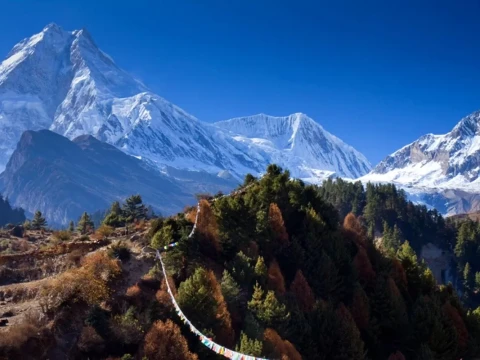
The Manaslu Circuit Trek is one of Nepal’s most rewarding high-altitude trekking adventures, combining dramatic Himalayan landscapes, remote mountain villages, rich Tibetan-influenced culture, and the challenging Larkya La Pass at 5,160 meters. The journey takes trekkers around Mount Manaslu, the eighth-highest mountain in the world
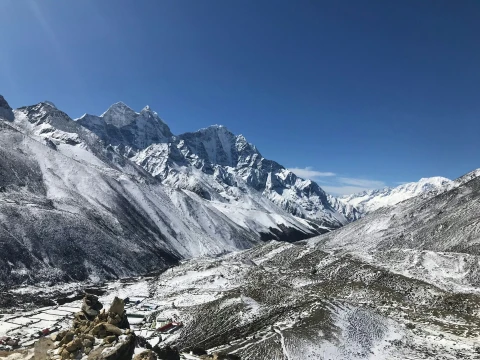
Nepal is one of the world's most spectacular destinations for adventure trekking, offering breathtaking Himalayan landscapes, traditional mountain villages, ancient monasteries, diverse cultures, and unforgettable outdoor experiences. Home to eight of the world's fourteen highest mountains, including Mount Everest, Nepal attracts


 (2)
 100% recommend (0)

 (0)