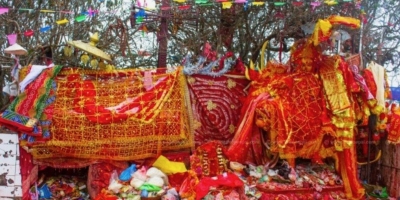
Pathivara Cultural Trekking is a unique pilgrimage and cultural journey designed to immerse travelers in the rich heritage, traditions, and spiritual essence of the Limbu people residing in eastern Nepal. This trek centers around the revered Pathibhara Devi Temple, a sacred site that has attracted devotees for centuries. The temple is dedicated to the goddess Pathibhara, believed to possess miraculous powers that fulfill the heartfelt wishes of worshippers. The legend of the temple’s origin adds to its mystique: shepherds reportedly lost hundreds of sheep near the temple site. In a divine dream, the goddess instructed them to build a temple and offer ritual sheep sacrifices. After completing these rituals, the lost sheep mysteriously returned, marking the beginning of the worship tradition. This pilgrimage trek offers more than just a religious journey; it provides travelers a deep cultural experience as they interact with the Limbu community, known for their unique language, customs, and vibrant festivals. The trail itself is a scenic marvel, weaving through terraced hills, dense forests, and traditional villages, each step offering insights into the simple yet profound lifestyle of the locals. Asiana Treks and Tours ensures that your trek is well-organized, with expert guides who share knowledge of the region’s history, flora, and fauna, making your journey both spiritual and educational. Key Highlights: Visit the sacred Pathibhara Devi Temple, a center of pilgrimage. Experience the rich Limbu culture, traditions, and hospitality. Trek through diverse landscapes: lush forests, terraced fields, and remote villages. Learn the legends and stories behind the temple and local customs. Enjoy comfortable accommodations and professional support by Asiana Treks and Tours. Pathivara Cultural Trekking ItineraryThe Pathivara Cultural Trekking itinerary is thoughtfully planned to offer a balanced mix of cultural immersion, physical adventure, and spiritual exploration. It begins with your arrival in Kathmandu, where Asiana Treks and Tours’ friendly staff will greet you and transfer you to your hotel, setting a warm tone for your journey ahead. Day 1: Arrival in Kathmandu — Meet and greet with staff, transfer to hotel, and briefing about the trek. Day 2: Full day sightseeing in Kathmandu, including visits to iconic cultural and religious sites to prepare you for the spiritual trek ahead. Day 3: Take a scenic flight from Kathmandu to either Suketar or Biratnagar, the gateway to the trek. Day 4: Begin the trek with a walk from Deurali to Phedi (3,190m), passing through small villages and terraced fields. Day 5: Trek from Phedi to Pathibhara (3,794m), the heart of the pilgrimage. Spend time at the temple to witness rituals and soak in the spiritual ambiance. Day 6: Return trek from Pathibhara to Phedi, followed by onward travel to Suketar for an overnight stay at the hotel. Day 7: Fly back from Suketar to Kathmandu, where you can rest or explore the city further. Day 8: Final departure from Kathmandu airport with fond memories of the cultural and spiritual journey. Each day’s trek is designed to balance trekking time and cultural experiences, ensuring you have ample opportunity to interact with locals and absorb the natural beauty and spirituality of the region. Pathivara Cultural Trekking DistanceThe total trekking distance for the Pathivara Cultural Trek is moderate, making it accessible for trekkers with a reasonable fitness level while still offering a rewarding challenge and cultural depth. Here’s a breakdown of the trekking distances covered on the main days: Deurali to Phedi: Approximately 10 kilometers — This stretch takes you through rural landscapes, terraced farmlands, and local hamlets. Phedi to Pathibhara Temple: Around 7 kilometers uphill — A steep but spiritually fulfilling climb through forested trails and panoramic mountain views. Pathibhara to Phedi: 7 kilometers downhill — Retracing the path, offering different perspectives of the terrain. The trek’s elevation ranges from about 1,200 meters at Suketar to 3,794 meters at Pathibhara Temple, providing varied climatic and ecological zones. The distance and altitude gain are paced to allow proper acclimatization and cultural engagement without undue physical strain. Pathivara Cultural Trekking Cost 2026/2027Asiana Treks and Tours offers the Pathivara Cultural Trekking package at a competitive and transparent price tailored for the 2026/2027 trekking seasons. The cost covers everything essential for a safe, comfortable, and culturally immersive experience, including: Airport transfers and domestic flights (Kathmandu to Suketar/Biratnagar and return) All meals during the trek and sightseeing days Accommodation in hotels and teahouses/lodges along the route Experienced local guides and porters Trekking permits and cultural entry fees Comprehensive pre-trek briefing and support The exact price varies depending on group size and customization options but generally ranges from $850 to $1,100 per person. Early bookings and group discounts may be available. Investing in this trekking package means you get not only the spiritual and cultural experience but also the peace of mind that comes with professional organization by Asiana Treks and Tours, a company known for safety, local expertise, and genuine care for travelers. Pathivara Cultural Trekking Price Breakdown by Asiana Treks and ToursThe Pathivara Cultural Trekking package offered by Asiana Treks and Tours is designed to provide a comprehensive pilgrimage and cultural trekking experience with transparent pricing. The total cost of the trek includes all key components necessary for a safe, comfortable, and immersive journey through eastern Nepal. This ensures trekkers can focus on the spiritual and cultural significance of the journey without worrying about hidden expenses. The price typically covers domestic flights from Kathmandu to Suketar or Biratnagar and return, airport transfers, accommodations in hotels and teahouses during the trek, all meals throughout the trekking days, and the services of experienced local guides and porters. Additionally, trekking permits, entry fees to the Pathibhara Temple, and government taxes are included. The package also features pre-trek briefings and 24/7 support from Asiana Treks and Tours’ dedicated team. Key Price Inclusions: Kathmandu to Suketar/Biratnagar domestic flights (round trip) Airport transfers and ground transportation Accommodation in hotels and teahouses/lodges Full board meals during the trek Experienced guide and porter services Trekking permits and temple entrance fees Pre-trek briefing and support services Optional costs such as personal trekking gear, travel insurance, tips, and any personal expenses are not included. The typical price range for this 7–8-day trek is around $850 to $1,100, depending on group size and season. Asiana Treks and Tours encourages early booking to secure best rates and availability. Pathivara Cultural Trekking Altitude GuideThe Pathivara Cultural Trekking route covers varied elevations, making it essential for trekkers to understand the altitude profile and prepare accordingly. Starting from low-altitude regions around 1,200 meters near Suketar or Biratnagar, the trail ascends steadily, reaching its highest point at the Pathibhara Devi Temple at approximately 3,794 meters. This gradual elevation gain allows trekkers to acclimatize properly, reducing the risk of altitude sickness. The trek passes through diverse climatic zones, from subtropical valleys to temperate forests, and finally to alpine meadows near the temple. This variation creates an enriching experience for trekkers who witness different ecosystems along the trail. The moderate altitude and well-spaced itinerary allow most trekkers with average fitness to enjoy the journey comfortably. Altitude Overview: Starting point (Suketar/Biratnagar): ~1,200 meters Deurali to Phedi: Climb from ~2,500 to 3,190 meters Phedi to Pathibhara Temple: Final ascent to 3,794 meters Return descent to Suketar/Biratnagar: Back to ~1,200 meters Asiana Treks and Tours emphasizes the importance of gradual ascent, hydration, and rest days to help trekkers adapt. Guides monitor participants for any symptoms of altitude sickness, prioritizing health and safety throughout the trek. Why Choose Pathivara Cultural Trekking?Choosing the Pathivara Cultural Trekking with Asiana Treks and Tours means embarking on a unique pilgrimage that blends spiritual devotion with cultural discovery. The trek offers the chance to visit the sacred Pathibhara Devi Temple, a revered religious site attracting pilgrims from Nepal, India, and beyond. This is not just a physical journey but a meaningful cultural immersion into the Limbu community’s traditions, lifestyle, and stories. Beyond its spiritual appeal, the trek passes through stunning landscapes of eastern Nepal rarely touched by mass tourism. The trail reveals terraced fields, ancient forests, and quaint villages, offering a peaceful and authentic trekking experience. Travelers get the chance to witness traditional Limbu dances, taste local cuisine, and engage with welcoming communities, making it a culturally rich adventure. Reasons to Choose This Trek: Unique spiritual pilgrimage to Pathibhara Devi Temple Deep cultural immersion with the Limbu ethnic group Moderate trekking difficulty suitable for many fitness levels Scenic trails with diverse flora and fauna Expert support and authentic experience provided by Asiana Treks and Tours The company’s commitment to responsible tourism, safety, and personalized service further enhances the journey, ensuring your trek is rewarding on every level. Preparing for the Pathivara Cultural TrekkingProper preparation is key to enjoying the Pathivara Cultural Trekking adventure safely and comfortably. Asiana Treks and Tours recommends that trekkers focus on both physical conditioning and gear preparation before starting the journey. Cardiovascular exercises like walking, jogging, and stair climbing can improve stamina and help with the moderate uphill climbs on the trail. Packing appropriate clothing is equally important due to varying temperatures and weather conditions. Layers are essential, including moisture-wicking base layers, insulating mid-layers, and waterproof outerwear. Good trekking boots with ankle support and a comfortable backpack will also enhance your trekking experience. Preparation Tips: Engage in regular aerobic exercise 4–6 weeks before the trek Pack layered clothing suitable for cold mountain weather and warmer valley days Carry trekking essentials: water bottles, sun protection, first-aid kit, and trekking poles Consider travel insurance covering altitude trekking and emergencies Acclimatize by pacing yourself and staying hydrated during the trek Asiana Treks and Tours provides a detailed pre-trek briefing covering safety tips, packing lists, and cultural etiquette to ensure all participants are well-prepared. What to Expect on the 7–8-Day Pathivara Cultural Trekking AdventureThe 7–8-day Pathivara Cultural Trekking adventure with Asiana Treks and Tours offers a rich blend of spiritual pilgrimage, cultural immersion, and breathtaking trekking. Expect to start your journey with an exploration of Kathmandu’s cultural landmarks, followed by a scenic flight to the eastern Nepal gateway town of Suketar or Biratnagar. From there, the trek ascends gradually through villages where Limbu culture thrives. Each trekking day presents opportunities to witness local traditions, interact with villagers, and enjoy stunning natural vistas. The highlight is reaching the sacred Pathibhara Devi Temple, where you can observe age-old rituals and absorb the serene spiritual atmosphere. The accommodation is a mix of comfortable hotels and traditional teahouses, providing rest and relaxation after each day’s hike. Expectations on Trek: Moderate trekking with steady altitude gain, manageable for most trekkers Scenic routes through terraced hills, forests, and remote villages Insight into Limbu customs, festivals, and local cuisine Support from knowledgeable guides ensuring safety and cultural understanding Opportunities to capture incredible photography and spiritual moments The trek concludes with a return flight to Kathmandu, leaving you with memories of a unique journey blending nature, culture, and spirituality. Oxygen Levels on the Pathivara Cultural Trekking with Asiana Treks and ToursTrekking to the Pathibhara Devi Temple involves ascending from lower altitudes of about 1,200 meters to the high elevation of 3,794 meters. At these heights, the oxygen level decreases significantly compared to sea level, which can affect trekkers in different ways. At sea level, oxygen makes up roughly 21% of the atmosphere, but the partial pressure of oxygen drops as you climb higher. By the time you reach Pathibhara, the oxygen level is approximately 40% lower than at sea level, which means your body has to work harder to get the oxygen it needs. Most trekkers on the Pathivara Cultural Trek will experience mild symptoms of altitude adjustment, such as slight breathlessness during exertion or minor headaches. However, because the trek ascends gradually with proper acclimatization days, serious altitude sickness is relatively uncommon. Asiana Treks and Tours emphasizes the importance of ascending slowly, staying hydrated, and listening to your body. Guides closely monitor trekkers and encourage rest days if needed. Important Oxygen and Altitude Tips: Oxygen level decreases by about 40% at Pathibhara (3,794m). Ascend gradually to allow your body to adjust. Stay well hydrated and eat balanced meals. Avoid alcohol and smoking during the trek. Inform guides immediately if symptoms of altitude sickness appear. With Asiana Treks and Tours, your safety is paramount, and the team is prepared with contingency plans for altitude-related emergencies. Major Villages and Scenic Viewpoints on Pathivara Cultural Trekking RouteThe Pathivara Cultural Trekking route passes through several charming villages and offers spectacular viewpoints that highlight the beauty of eastern Nepal. Villages along the trail are home to the Limbu community, who maintain their traditional lifestyle, language, and customs. These villages provide trekkers with opportunities to experience authentic local hospitality and cultural richness. Key villages on the trek include Deurali and Phedi, where terraced fields create picturesque landscapes. The trail also winds through small hamlets where visitors can observe traditional Limbu architecture and local agricultural practices. En route to Pathibhara, trekkers are treated to panoramic views of the eastern Himalayan peaks, including Kanchenjunga, the third highest mountain in the world. Major Villages & Viewpoints: Deurali: A gateway village nestled among terraced hills. Phedi: Known for traditional Limbu settlements and beautiful natural surroundings. Pathibhara: The pilgrimage site with panoramic Himalayan views. Scenic viewpoints offering sunrise and sunset vistas over Kanchenjunga and neighboring peaks. These stops not only break the trek into manageable sections but also enrich the experience with cultural interaction and breathtaking natural beauty. Flora and Fauna of the Pathivara Cultural TrekkingThe Pathivara Cultural Trekking route boasts rich biodiversity, with a variety of flora and fauna adapting to the altitude and climate changes along the trail. Starting in subtropical forests, trekkers will pass through rhododendron and oak forests at mid-elevations, which burst into vibrant color during spring. Higher elevations feature alpine meadows dotted with wildflowers during the warmer months. Wildlife along the route includes diverse bird species such as the colorful Himalayan monal, satyr tragopan, and various pheasants. Mammals like barking deer, musk deer, and occasionally Himalayan black bears inhabit the forested areas, though sightings are rare. The diversity of plant species also includes medicinal herbs used by local communities, reflecting the deep connection between nature and Limbu culture. Key Flora & Fauna Highlights: Rhododendron forests blooming in spring. Alpine meadows rich in wildflowers. Birds: Himalayan monal, satyr tragopan, various pheasants. Mammals: Barking deer, musk deer, occasional black bears. Medicinal plants used by locals for traditional healing. Asiana Treks and Tours provides naturalist guides who enrich the trekking experience with knowledge about the local ecosystem and conservation efforts. Festivals and Local Culture Along the Pathivara Cultural Trekking RouteThe Pathivara Cultural Trekking is not just a journey through nature but also a deep dive into the vibrant culture and festivals of the Limbu people. The Limbu community has a rich tradition of oral storytelling, dance, music, and rituals tied closely to their agricultural calendar and religious beliefs. Trekkers can witness colorful festivals such as Chasok Tangnam, a major Limbu harvest festival marked by traditional dances, feasting, and religious ceremonies. During the trek, locals often perform traditional Limbu folk songs and dances that express their connection to nature and the divine. The Pathibhara Temple itself is the focal point of many religious rituals, drawing pilgrims from distant regions. These cultural interactions give trekkers an opportunity to appreciate the harmonious relationship between the people and their environment. Cultural and Festival Highlights: Experience Limbu harvest festival Chasok Tangnam if timed right. Traditional folk music and dance performances. Religious rituals at Pathibhara Temple. Opportunities to interact with locals and learn about their customs. Insight into Limbu weaving, dress, and cuisine. Asiana Treks and Tours arranges cultural experiences and respectful interactions, ensuring trekkers gain genuine insight into the Limbu way of life. Why Book with Asiana Treks and Tours for Pathivara Cultural Trekking?Choosing Asiana Treks and Tours for your Pathivara Cultural Trekking adventure means partnering with a company dedicated to delivering authentic, safe, and seamless trekking experiences. With years of expertise in eastern Nepal treks, Asiana Treks and Tours offers personalized service, knowledgeable guides, and well-organized itineraries that respect both the environment and local cultures. The company prioritizes trekkers’ safety by providing thorough pre-trek briefings, ensuring proper acclimatization schedules, and employing experienced guides and porters. Their commitment to sustainable tourism benefits local communities by promoting fair wages and supporting conservation efforts. Additionally, Asiana Treks and Tours offers transparent pricing and excellent customer support before, during, and after the trek. Reasons to Choose Asiana Treks and Tours: Experienced local guides and support staff. Focus on safety and responsible tourism. Customized itineraries for all fitness levels. Strong community and environmental support. Transparent pricing with no hidden fees. With Asiana Treks and Tours, you receive not only a trek but a meaningful cultural and spiritual experience tailored to your interests and needs. How to Book the Pathivara Cultural Trekking with Asiana Treks and ToursBooking your Pathivara Cultural Trekking adventure with Asiana Treks and Tours is straightforward and customer-friendly. You can begin by visiting their official website or contacting their customer service team via email or phone. Early booking is encouraged, especially for peak trekking seasons, to secure your preferred dates and avoid last-minute hassles. The booking process involves selecting your preferred trek dates, group size, and any optional services such as private guides or customized itineraries. After confirming availability, you will receive a detailed itinerary, price quotation, and a booking agreement. A deposit secures your spot, with the balance payable before the trek start date. Asiana Treks and Tours also provides assistance with travel insurance, equipment rental, and pre-trek preparations. Booking Steps: Visit Asiana Treks and Tours website or contact via email/phone. Choose trek dates and discuss any customization. Receive itinerary and price quote. Pay deposit to confirm booking. Prepare with provided packing lists and pre-trek briefing. Arrive in Kathmandu and meet your Asiana Treks team. The company’s professional support team remains available throughout your journey, ensuring a smooth and memorable trekking experience.
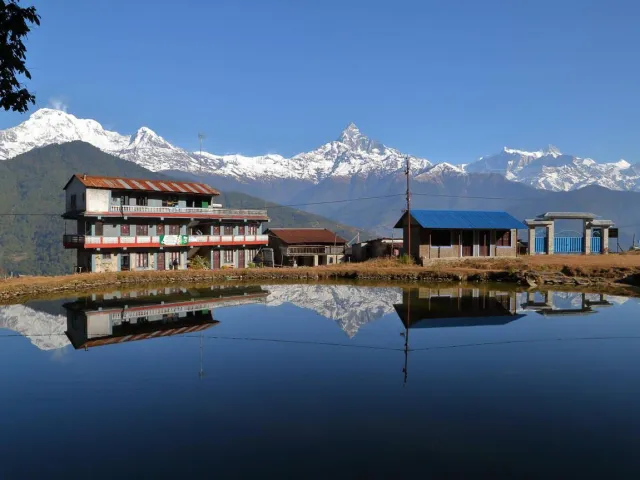
Dhampus Sarangkot Trekking – A Short, Scenic, and Culturally Rich Himalayan Trail Near PokharaDhampus Sarangkot Trekking is one of the most popular short treks in Nepal, offering a perfect blend of majestic Himalayan views, rich cultural immersion, and serene landscapes—all within a few days. Situated north of Pokhara in the stunning Annapurna region, this easy and rewarding trek is ideal for senior citizens, families, beginners, and travellers with limited time.The journey begins in Pokhara and ascends to Sarangkot, a scenic hill station famous for its panoramic sunrise and sunset views. From Sarangkot, you’ll witness breathtaking views all day of the Annapurna, Dhaulagiri, Machhapuchhre (Fishtail), and Lamjung Himalayan ranges, a cluster of countryside villages, and Greenhill one after another. As the sun rises behind the snow-capped peaks, the experience becomes nothing short of magical.The trail continues through ridgelines, lush forests, terraced farmlands, and peaceful villages as you make your way to Dhampus. This traditional Gurung village offers an authentic experience of Nepalese hospitality and rural life. The views of the Annapurna range from Dhampus are spectacular, especially during sunrise and sunset, with the Himalayas glowing in golden light.The trek is designed to be easy and accessible, making it suitable for all age groups. Despite its short duration, it offers a comprehensive Himalayan trekking experience featuring natural beauty, cultural depth, and stunning mountain scenery.Organised by Asiana Treks and Tours, this trek ensures comfort, safety, and expert guidance. Their professional team offers valuable insights into local culture, history, geography, and cuisine, enriching your journey.Whether you seek tranquillity, mountain views, or cultural connection, the Dhampus Sarangkot Trek is the perfect introduction to trekking in Nepal—easy, scenic, and deeply fulfilling.What to Expect on the 3-Day Dhampus Sarangkot Trek: The 3-day Dhampus Sarangkot Trek offers a short yet rewarding trekking experience near Pokhara, perfect for beginners, families, or travellers with limited time. An easy trek takes you through scenic countryside, terraced farmlands, traditional villages, and lush forests, all set against the stunning backdrop of the Annapurna and Dhaulagiri mountain ranges. u’ll witness spectacular sunrise and sunset views from Sarangkot and Dhampus, enjoy panoramic vistas of snow-capped peaks like Machhapuchhre (Fishtail), and engage with local Gurung culture. e trek combines nature, culture, and comfort with cosy teahouse accommodations and friendly local hospitality. Best for those seeking a peaceful escape into nature without the physical demands of high-altitude trekking.What to Expect and Experience on this Trek:Easy and scenic trek on the north side near Pokhara Valley.Panoramic Himalayan views (whole Annapurna, Dhaulagiri, Machhapuchhre), Lamjung, and some small peaks.Sunrise and sunset viewpoints at Sarangkot and Dhampus.Gentle trails through forests, villages, and terraced fields.Cultural immersion in Gurung village life and their hospitality.Comfortable teahouse accommodations are standard for Luxury.Suitable for families, beginners, and short-term travellersGuided by experienced local trekking expertsWhy Travel with Asiana Treks and Tours?25+ Years of Industry Experience – Trusted professionals with deep knowledge of Nepal’s tourism and trekking. Expert Local Guides – Friendly, experienced, and government-licensed guides who understand culture, safety, and terrain. Authentic Cultural Experiences – Connect with local communities and discover hidden gems off the beaten path. Tailor-Made Itineraries – Flexible trekking and tour plans customised to suit your time, interests, and fitness level. Focus on Safety and Comfort – Emphasis on guest well-being, acclimatisation, and responsible travel practices. Quality Accommodation and Meals – Handpicked teahouses, hotels, and hygienic meals to ensure comfort. Eco-Friendly and Responsible Tourism – Supporting local communities and minimising environmental impact. 24/7 Support – Responsive assistance before, during, and after your trip for a worry-free experience. Complete Travel Solutions – From trekking and tours to flights, permits, transport, and accommodation—everything is arranged for you. Sarangkot Dhampus Trekking Itinerary: Asiana Treks and Tours has the perfect Sarangkot Dhampus Trek itinerary. Travellers who desire to explore Nepal with moderate physical fitness. You'll discover the best places for breathtaking views from the city to the countryside and experience an unforgettable lifetime journey.About Sarangkot Viewpoints:Sarangkot Viewpoint, located near Pokhara, Nepal, is well known for its mind-blowing panoramic views of the Annapurna and Dhaulagiri, Lamjung Himalayan ranges, and the beautiful Mountain Fishtail. This popular spot offers breathtaking views of the Himalayas, illuminated by the changing light, making it a prime location for sunrise and sunset. Besides the majestic mountains, visitors can enjoy expansive views of Pokhara Valley, Phewa Lake, and the surrounding landscapes. Sarangkot is accessible by a short hike or drive from Pokhara, making it a must-visit spot for tourists seeking natural beauty and photographic opportunities.How to reach from Sarangkot to Pokhara?Here are several options to reach Sarangkot, Pokhara:Hiking: You can hike from Sarangkot to Pokhara, which takes 2-3 hours. The trail offers beautiful views and a pleasant descent through local villages and forests.Taxi: Taxis are readily available at Sarangkot and can take you to Pokhara in about 30 minutes. This is the quickest and most convenient option.Local Bus: Local buses and jeeps operate between Sarangkot and Pokhara. The drive takes an average of an hour and is affordable.The route provides scenic views of the Annapurna range and Pokhara Valley, making the journey a delightful experience..Cable Car: A recently introduced cable car service operation offers a scenic view and an easy way to travel between Sarangkot and Pokhara. The cable car ride offers breathtaking views of the Annapurna range and the Pokhara Valley, making the journey itself a genuinely memorable experience.Each option provides a unique way to enjoy the stunning landscapes and make the most of your travel between Sarangkot and Pokhara.Things to Do in Sarangkot:Sunrise and Sunset Views: Sarangkot is well known for its alluring sunrise and sunset views over the Annapurna and Dhaulagiri mountain ranges. Early morning and late afternoon are the best times to witness these spectacular sights.Paragliding: Sarangkot is a popular destination for fly paragliding. It offers thrilling flights over the Pokhara Valley and Phewa Lake with stunning panoramic views of the Himalayas.Hiking and Trekking: The area around Sarangkot offers numerous hiking and trekking trails, allowing you to explore the unique natural beauty, local culture, and tradition.Visit Sarangkot Viewpoint: The viewpoint provides a perfect spot for photography and enjoying the magnificent vistas of the snow-capped peaks and the sprawling Pokhara Valley below.Exploring Local Villages: Walking through the local villages provides insight into the traditional way of life and culture of the Nepali people.Bird Watching: The lush forests and hills surrounding Sarangkot are home to a diverse array of bird species, making it an ideal spot for bird-watching enthusiasts.Zip Lining: Experience one of the world’s steepest and fastest zip lines for an adrenaline-pumping ride.Cable Car Ride: Take a relaxing ride in the cable car from Pokhara to Sarangkot, enjoying elevated views along the way.Sarangkot Dhampus Trekking Distance:Sarangkot Dhampus Trekking spans approximately 28 kilometres, or 17.3 miles, depending on the chosen itinerary.This route typically spans 9 days, from Sarangkot, Dhampus, Lwang, and Khoramukh.Sarangkot Dhampus Trekking Route:The Sarangkot Dhampus Trekking route showcases awe-inspiring natural beauty. Starting in lush valleys with terraced fields and traditional villages, the journey unfolds amidst the Himalayan foothills. Rhododendron forests bloom in spring, accompanied by cascading waterfalls and snow-capped peaks. Traversing wildflower meadows and crossing suspension bridges over mountain streams. Leading to panoramic views of towering peaks like Annapurna South, Himchuli, and Machhapuchhre. The trek promises unforgettable moments, whether you're a seasoned trekker or novice adventurer, offering an unparalleled journey through Earth's most breathtaking landscapes.Sarangkot Dhampus Trekking price:Our package tour ensures reliability in terms of cost, itinerary, and overall experience. For Nepali citizens, the Sarangkot Dhampus trek typically ranges from US$ 675 to 1075, and for foreigners, US$ 715 to 1075, variations depending on group size, service level, guide and porter services, transportation preferences, and accommodation category in Kathmandu or Pokhara. This cost estimation is subject to the types of trekking gear and accommodation preferences. However, we could end the trek via Landruk and Dhampus if you avoid Kathmandu sightseeing and Pokhara exploration.Sarangkot Dhampus Trekking Height:We Start by exploring Pokhara's rich heritage (827 meters). Then, delve into the heart of Gurung culture with a homestay experience in a charming village. Witness the majestic sunrise and sunset painting the Himalayas from Sarangkot (1,593 meters) and Dhampus (1,650 meters). Throughout the trip, various vantage points will offer panoramic views of the Himalayas and Phewa Lake (743 meters). Unwind in luxurious 5-star accommodations in both Kathmandu (1,337 meters) and Pokhara. The easy 3-day trek caters to all ages, with a scenic walk from Sarangkot to Naudanda Ridge (approximately 1,740 meters) showcasing captivating terraced fields. Immerse yourself in Nepal's pristine nature and explore unique villages, creating unforgettable memories.Major Village in SarangKot Dhampus Trekking:The major Gurung ethnic villages along the Sarangkot Dhampus Trekking route are Sarangkot and Dhampus Lwang, The return route follows the same path back to Khorkhmukh and finally drives back to Pokhara. These villages are significant landmarks and offer scenic beauty and accommodation options along the Trekking route.Best Viewpoint in Sarangkot Dhampus Trekking:These viewpoints provide unforgettable experiences, highlighting the beauty of the Sarangkot Dhampus trek.Sarangkot Trek offers breathtaking viewpoints, showcasing stunning panoramas of the surrounding Himalayan peaks. Here are the critical views along the route: View from Sarangkot: from Sarangkot, enjoy magnificent views of the mountains and rice terraces.Naudanda: Experience impressive mountain vistas and rice and millet terraces during the second day of trekking.Dhampus: Dhampus is another beautiful place from where you Enjoy the View of Annapurna South to the Lamjung Himalayan range including Mt Machhapuchhare and a wide view of cultivated terrace fields and unique village.Biodiversity of Sarangkot Dhampus Trekking: The Sarangkot Dhampus trek is a nature lover's dream! Hike through vibrant forests filled with colorful birds, then reach higher meadows bursting with wildflowers. Keep an eye out for shy wildlife and the stunning Himalayan Monal bird. This adventure offers breathtaking views of rolling green hills with amazing terraced farms, making it an unforgettable journey through Nepal's natural beauty.Festivals and cultures in Sarangkot Dhampus Trekking: You'll immerse yourself in vibrant festivals and cultural traditions along the Sarangkot Dhampus Trekking route. The region, predominantly inhabited by ethnic groups like the Gurungs and Magars, celebrates various festivals. Dashain, typically in September or October, is a significant Hindu festival symbolizing the triumph of good over evil. Villages burst with colorful decorations, music, and dances as families gather for blessings and feasts.Tihar, known as the Festival of Lights, falls in October or November. This five-day celebration honors animals and the goddess of wealth, Laxmi. Oil lamps light up homes, and rituals bring prosperity and fortune.These festivals offer a unique and lifetime experience, as well as Nepalese culture with the majestic beauty of the Himalayas.Advantage book with Asiana Treks and tours:Private transport for airport transfers to/from your hotel.Trip briefing on Facebook and online if you love to connect.Last minute booking at your hotel at a suitable time after your arrival.Easy booking and reservation system.Multi-channel communication via Email, WhatsApp, Facebook, Viber, Skyp 24/7 phone communication at +977-9851076270Free excess luggage storage during the TrekOximeters are provided to examine blood oxygen saturation at high altitudes to detect altitude sickness earlyMedical kits along the Trek and hot airbags are available in winterArrange sleeping bags, duffel bags, down jackets, and walking pools if you don't have your own.Sarangkot Dhampus Trek Booking:Asiana Treks and Tours is the best and most trusted trek and tour company operator authorized by the Nepal government. We require a 10% advance payment to book your trip, and you'll need to send us a copy of your passport, photos, travel insurance, and flight details as soon as you book a tour with us. You can use bank transfer, or any other way like Western Union, or online via our website, which is easy. The remaining trip cost can be paid upon arrival in Nepal. We offer last-minute bookings, but changes may occur due to circumstances like bad weather. Transportation for Sarangkot Dhampus Trekking:We pride ourselves on our flexible transportation options, which include planes, helicopters, tourist buses, coasters, vans, jeeps, and cars. These are tailored to our Clints' specific needs, preferences, itineraries, and agreements, ensuring a comfortable and personalized travel experience. However, we provide Tourist buses to and from Pokhara, Private transportation from Nayapul to and from Sewai and Kathmandu sightseeing private vehicle as per the group, and optional fly to and from Pokhara at extra cost.Sarangkot Dhampus Trekking Start: Your Sarangkot Dhampus Trek begins with a warm welcome in Kathmandu. Our dedicated team will be there to greet you as soon as you arrive at Tribhuvan International Airport. We'll then escort you to your hotel in a private vehicle, ensuring a comfortable and hassle-free start to your adventure, and setting the tone for a memorable journey.If you miss the regular trip briefing, don't worry. We'll provide it at a convenient time before departure, Pokhara, either before a World Heritage tour the following morning or the next day; we'll then proceed to Pokhara by tourist bus, departing around 7 a.m. from Sorakhutte, Kathmandu.The package includes transportation by tourist bus from Kathmandu to Pokhara, offering a comfortable and scenic journey. However, if you prefer a quicker option, you can also take a 25-minute domestic flight to Pokhara or use a private vehicle for an additional cost, allowing you to choose what suits you best.Currency Exchange:The Nepalese rupee is Nepali currency, and 1 USD is approximately 130 NPR. Only NPR is accepted in Nepal, so it's best to bring cash to facilitate transactions. Banks and ATMs in Kathmandu provide currency exchange services but note that most banks prefer new, crisp notessGuide and Porter Arrangement:Our company, Asiana Treks and Tours, focuses on responsible tourism in Nepal. We make sure our guides and porters are well-trained in Trekking and mountaineering. They know a lot about the areas we go to, including geography, history, customs, and culture. We train them regularly in safety, first aid, and environmental conservation. We follow guidelines to treat our porters fairly, providing them with good pay, accommodation, and meals during treks. Our guides and porters are essential team members, and we appreciate their hard work. When you trek with us, you support ethical tourism in Nepal, making your trip meaningful and memorable.Asiana Treks and Tours prioritizes your safety and enjoyment. Our knowledgeable guides, reliable equipment, and safety measures ensure a great trekking experience in Nepal.Porter, Luggage, and extra Luggage storage: We cover the cost of porters for your luggage, but the maximum weight limit is 12 kg per person. Each porter carries luggage for two trekkers; please share a duffle bag with another. Our porters will carry up to 25 kg each. If you need a porter for yourself, we can arrange that. We also recommend carrying a small backpack for your valuables and important documents. You can leave extra luggage at our office for free and at a hotel in Pokhara, Namche, etc.Accommodation:Accommodation during the Sarangkot-Dhampus Trek varies. Along the trekking route, you'll stay in guest houses, commonly known as teahouses. These basic lodges offer rooms, dining areas, and toilets. The quality of guest houses varies but remains affordable and convenient for trekkers. Rooms typically have twin or bunk beds and shared bathrooms, and blankets and pillows are provided. Our company can offer a sleeping bag if you don't have one. You'll spend nine nights in lodges along the trekking route, two nights in a hotel in Pokhara, and three nights in a hotel in Kathmandu. Some places and lodges have attached bathrooms, while others offer simple yet clean rooms with shared facilities. We can arrange a solo trekking service if you're traveling solo, but availability may be limited during peak season in some places. In Kathmandu or Pokhara, your hotel room will have excellent amenities, including TV, 24/7 hot water, electricity, and laundry service.Meals during the trip:Eating well is essential since the Sarangkot-Dhampus circuit Trek takes you through the high Himalayas. You'll have plenty of nutritious meals in the trekking regions, although the options won't be as varied as in the cities. You'll get fourteen breakfasts, eleven lunches, and ten dinners during the Trek. The menu includes local, Asian, and Western dishes, but it gets more straightforward as you climb higher. Try popular Nepali foods like lentils, rice, curry, dumplings, noodles, Spagaties, and many more. We highly recommend eating fresh vegetables and drinking liquids like green tea, lemon tea, hot lemon, ginger tea, and garlic soup, especially at high altitudes. While non-vegetarian options are available during the Trek, we suggest avoiding them for hygiene reasons. It's also best to steer clear of dairy, cheese, alcohol, caffeine, and hot chocolate. Personal expenses like alcoholic drinks and extra beverages at lodges or cafes aren't included in the package. Drinking water:Nepal is the second country in the world regarding water sources after Brazil. According to the Nepal government, only 27% of people here have clean drinking water. Regarding drinking water, However drinking water is not a big deal in trekking, you can buy mineral water in teahouses, but it is expensive; people prefer plastic bottles in some trekking areas. So, there are some safe drinking water stations where you can refill your bottle. However, we recommend carrying Steripen, iodine drops, water purification tablets for safe drinking, and refillable water bottles for boiled or filtered water. We strongly advise not to drink from taps, wells, and rivers in trekking areas. However, in all the city areas, Mineral water is available at a reasonable cost everywhere.Extra Personal Expenses:While most expenses during the Trek are covered, you'll need to spend money on accommodations and meals in Kathmandu and Pokhara, souvenirs, and additional beverages. We estimate about USD 10-20 per trekking day for miscellaneous expenses.Toilet Facilities in Sarangkot Dhampus Trekking:Most teahouses have Western-style flush toilets during mountain treks, especially at lower elevations. But as you go higher, find simple squat toilets along the trails and teahouses at higher altitudes. These toilets usually have water or toilet paper, but it's a good idea to bring your toilet paper just in case. You can also use restrooms at nearby teahouses or find a private spot along the trekking routes.Internet Connectivity:While trekking in the Himalayan region of Nepal, connecting with your family and friends is also a good idea. You can find internet access at teahouses and lodges, but it might be extra minimal cost. The signal might be weak because of the remote location. You can also get internet access using a local SIM card and data packages available at Kathmandu airport or nearby shops in Thamel and Pokhara. You'll have a passport-sized photo and a copy of your passport to get a SIM card. It's a good idea to compare prices and data packages from telecom companies like Ncell and Nepal Telecom before buying. Knowing about teahouse connectivity. Our guide will suggest connections for you. Electricity voltage and plugs:However, 95 % of Nepali people have access to electricity as of May 29, 2023. almost popular trekking routes, teahouses, and lodges have electricity. However, some isolated and solo trekking tea houses in the jungle don't have electricity; Most of these tea houses let travelers charge their devices for a small fee. The average electrical voltage in Nepal is 230 volts, with plug types like Type C, Type D, and Type M. Travellers should bring a suitable adapter and, if needed, a voltage converter for their electronic devices.Communication in Sarangkot Dhampus Trekking:The guest houses in the trekking regions have internet access. You could buy a SIM card at Tribhuvan International Airport Kathmandu and Pokhara. However, the signal may need to be more assertive at high altitudes. Our office keeps in touch with all trekking teams via the trek guide at least once daily to ensure everything goes as planned.Trip Extension:Suppose you have extra days in Nepal after the Trek. In that case, we can arrange a tour, overnight stay at Nagarkot Balthali or any other place around Kathmandu and Chitwan, jungle safari, paragliding, rafting, canyoning, or other treks. Do not hesitate to Inform us. We will create the best for you.Trek Difficulty:Sarangkot Dhanpus trekking presents easy low-land trekking. Completing this trek is achievable even if you're a beginner, although you must maintain a reasonable fitness level. Prior trekking experience can be advantageous, though it is optional. All you need is the readiness to hike steadily for 3-5 hours, on easy trails.Suppose trekkers have pre-existing medical conditions, such as lung or heart diseases. In that case, they are advised to consult their physician before booking the trek to ensure their safety and well-being throughout the journey.Trip Safety:We highly give top priority. We provide experienced guides with first aid kits and necessary safety gear to ensure a safe hand. Our team monitors weather and trail conditions and takes precautions to avoid risks. Before starting the trek, we discuss the trip to provide a clear understanding and ensure a reliable experience.Group & Private Treks:We organize many group and private treks simultaneously, with discounts available for larger groups. Every group will have a trekking guide and porters; an assistant guide may be provided for larger groups. Our team ensures a safe and enjoyable trekking experience for all participants.About solo traveler:If you're a solo traveler, please contact us to confirm departure dates before booking. You can tell us via call, WhatsApp, or email. We have listed upcoming departure dates for your convenience. Feel free to share the trip details with friends and family.Responsible Travel:We prioritize responsible travel to minimize environmental impact and support local communities. We collaborate with organizations like the Kathmandu Environmental Education Project (KEEP) to promote eco-friendly practices in trekking regions.Graduate:Graduate or tipping is appreciated in Nepali culture and reflects the quality of service provided. You decide how much to tip, but we recommend tipping as a group at the end of the trip.End of Trek:On the eleventh day, you'll take a bus from Pokhara back to Kathmandu, which takes about seven hours. Alternatively, you can fly from Pokhara to Kathmandu for an extra fee. In the evening, we'll host a farewell dinner in Kathmandu.Departure:On the day of your departure flight, we'll come to pick you up from your hotel and transfer you to Tribhuvan International Airport. We hope you enjoyed the Nepal trek and will consider returning for more adventures in Nepal.Feedback:After you complete the Sarangkot-Dhampus trek, we'll organize a farewell dinner in Kathmandu and present you with a trekking achievement certificate. After the dinner, you can provide feedback about the Trek on travel portals.Last-Minute Booking:If you can't book in advance, we offer last-minute bookings. Full payment is required 24 hours before departure. While we do our best to accommodate last-minute bookings, delays may occur due to unforeseen.Annapurna Region Trekking: Guides, Tips & Himalayan AdventuresDiscover the beauty of Nepal’s Annapurna region with Asiana Treks & Tours. Explore breathtaking mountain landscapes, authentic local culture, popular trekking routes, and practical tips to help you plan an unforgettable Himalayan adventure.Annapurna Base Camp vs Everest Base Camp: The Best TrekTrekking Equipment List for Asiana Treks & ToursTrekking Permit Requirements for Different Regions in NepalBest Sunrise and Sunset Destinations in NepalTop Successful Trek for Beginners – Annapurna Base CampMost Popular Trek with High Success Rate – Annapurna Base Camp Trek (ABC) TrekHow to Prepare for the Annapurna Base Camp Trek (Gear, Fitness & Tips)Ghorepani Poon Hill Trek GatewayTop 26 Annapurna Region Trekking Packages in Nepal – The Ultimate GuideTadapani Diaries: One Magical Night in the MountainsDiscovering Ghandruk: A Peaceful Village in the Heart of NepalTrekking the Best of Annapurna: Poon Hill to Mardi HimalWhy Chhomrong is the Heart of the Annapurna Base Camp TrekAnnapurna Base Camp (ABC) & Machhapuchhre Base Camp (MBC) Trek: Two Base Camps, One Incredible JourneyExploring Sinuwa on the Annapurna TrailDeurali: A Peaceful Mountain Village on the ABC TrailBamboo: A Hidden Gem of the ABC TrekDovan Nepal: Peaceful Stopover on the Annapurna Base Camp TrailHimalaya Village: A Quiet Haven on the Way to Annapurna Base CampDhampus Village – Annapurna Classical Alternative GatewayPothana: The Alternative Gateway to Annapurna Base Camp and Mardi HimalBest Camping and Overnight Stays: Australian Camp & Mardi Himal TrekList of Hotel in Mardi Himal Base Camp TrekTrekking to Low Camp: A Peaceful Path to Mardi HimalForest Camp Adventures: Exploring the Mardi Himal Trek in NepalHigh Camp on the Mardi Himal Trek | Views, Altitude & Trekking GuideDiscovering the Magic of Mardi Himal ViewpointTop Highlights of the Mardi Himal Trek in NepalBest Time to Trek Mardi Himal: Tips for Perfect ViewsA Beginner’s Guide to the Mardi Himal Trek in NepalSurprising Facts About the Mardi Himal TrekEssential Guide to Mardi Himal Trekking Permits in NepalMardi Himal Trek Info: Elevation, Altitude, Height and WeatherMardi Himal Trek Accommodation and Food TipsBest Time to Trek Annapurna Base Camp in NepalTop Highlights of the Annapurna Base Camp TrekFood and Accommodation on the ABC Trek: What It’s Really LikeAltitude Tips for a Safe Annapurna Base Camp TrekAnnapurna Base Camp Permits: Costs, Process, and RequirementsTop Tips and Facts for Trekking to Annapurna Base CampAnnapurna Base Camp Trek: Elevation, Height & Temperature GuideDobato Stopover: Experiencing the Heart of the Khopra Danda RouteUpper Chistibung: What to Expect on the Way to Khopra DandaExploring Khopra Danda Ridge and Khayar LakeDiscover Swanta’s Beauty on the Khopra Danda TrailAmazing Facts About Khayar Lake in the Annapurna RegionBayeli Kharka Adventure: From Khopra Danda with Stunning ViewsKhopra Danda Trekking Guide: Cost, Permits, Meals, Lodging and Best SeasonExploring Mardi Himal, ABC, and Khopra Ridge in One Epic JourneyKhopra Khair Lake with Annapurna Base Camp Trek: A Complete JourneyKhopra Khair Lake with ABC Trek: Nature, Culture, and MountainsComplete Guide to Mohare Danda Trekking in NepalSunrise Views from Mohare Danda: What to ExpectTop Highlights of Poon Hill and Mardi Himal TrekExploring Poon Hill and Mardi Himal: A Beginner’s GuideExploring the Ghorepani Dhampus Circuit Trek in NepalAn Amazing Hike from Galeshwor to Nangi via Bans Kharka : Mohare Danda TrekkingLandruk: Gateway to the Stunning Mardi Himal ViewsMardi Himal Adventure: Exploring Badal Danda on the Siding TrekSunrise Views from Poon Hill and Mulde ViewpointsDhaulagiri Annapurna Trail: A New Alternative Trek in NepalBest Nepal Tour Packages: Adventure, Honeymoon, Senior Tours, Himalayan Highlights, Triangle & Sunrise Hill Station ToursIs It Possible to Cycle the Annapurna Circuit in Nepal?Besisahar – The Heart of Lamjung District: Gateway to the HimalayasExploring Jagat During the Annapurna Circuit TrekDharapani Village in Nepal: Where the Manaslu Circuit and Annapurna Circuit Trails Meet PointChame Village: A Peaceful Stop on the Annapurna Circuit TrekDiscover Upper Pisang: A Hidden Gem on the Annapurna CircuitExploring Lower Pisang: A Gateway on the Annapurna CircuitManang: The Heart of the Annapurna Circuit TrekYak Kharka (4,020m): A Must-Stop Village on the Annapurna CircuitThorong Phedi: Final Preparation Before Thorong La PassCrossing Thorong La Pass (5,416 m): The Highest Point of the Annapurna CircuitMuktinath in Mustang: A High-Altitude Spiritual Journey on the Annapurna CircuitJomsom (2,743 m): The Windy Valley That Connects Annapurna and Upper Mustang
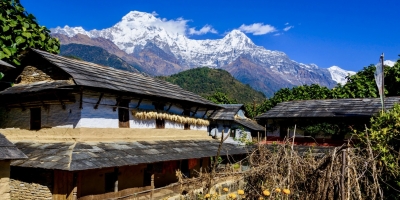
Asiana trek and tours create this easy new trek and tour with the attention of the visitors who test some of the famous tours and treks in Nepal who have limited time. This easy package tour and trek is especially for the senior easy-going trekker, family, and honeymooners. This tour and trekking offer you to visit century-old world heritage site, ancient durbar square full of history and legend, stone sculpture to wood carving as well as metal carving even that is Pashupatinath Hindu temple or Buddhist monasteries Bouddhanath stupa and Shyambhunath stupa in Kathmandu valley. This tour and explore the Natural beauty of lake city Pokhara where you have delightful greenery and snowy peak reflection in the lake and the beauty of the countryside and so much more to see.Asiana trek and tours made this trip a little different for our valuable clients so we create this itinerary on the recommendations of many more clients who did a trek with us many times according to their feedback we made two nights in the countryside to experience the village life of Nepal where you are delighted by the fascinating Himalaya with amazing wildlife and nature. The trail passes through the famous and unique Gurung settlement Ghandruk specific Gurung culture and tradition, likewise along the trail we are walking passes through Landruk, Pothana, and Dhambus which is unmissable scenery you have extra experience with sub-marge Natural hot water (hot spring) grand view of mountain Annapurna south, Himchuli and Fishtail and some of the other mountain. The trekking trail is one of the unique selected trails to ABC (Annapurna) where you are greeted by indigenous ethnic group Gurung hostility. Infect this tour and trekking is a combination of all.We humbly request you to visit us to test us we are very friendly, always eager and love to hear your queries, We design your trip according to your budget, time, and wish, just tell us where and when you love to visit Nepal.Ghandruk Hot Spring Dhampus Trekking Itinerary:Asiana Treks and Tours has the perfect Ghandruk Hot Spring Dhampus Trekking itinerary. Travelers who desire to explore Nepal with moderate physical fitness. You'll discover the best places for breathtaking views from the city to the countryside and experience an unforgettable lifetime journey.Ghandruk Hot Spring Dhampus Trekking Distance:Ghandruk Hot Spring Dhampus Trekking spans approximately 31 kilometers, or 29.3 miles, depending on the chosen itinerary.This route typically spans 12 days. Our package tour ensures reliability in terms of cost, itinerary, and overall experience. The Poon Hill short trek typically ranges from US$ 315 to 395 with variations depending on group size, service level, guide and porter services, transportation preferences, and accommodation choices. This cost estimation is subject to the type s of trekking gear and accommodation preferences.Ghandruk Hot Spring Dhampus Trekking Route:Ghandruk Hot Spring Dhampus Trekking route showcases awe-inspiring natural beauty. Starting in lush valleys with terraced fields and traditional villages, the journey unfolds amidst the Himalayan foothills. Rhododendron forests bloom in spring, accompanied by cascading waterfalls and snow-capped peaks. Traversing wildflowers, leading to panoramic views of towering peaks like Dhauligiri Range, Annapurna Range, Iconic Machhapuchhre (Fishtail Mountain) Lamjung Himal and Manaslu on clear days. The trek promises unforgettable moments, whether you're a seasoned trekker or novice adventurer, offering an unparalleled journey through Earth's most breathtaking landscapes.Ghandruk Hot Spring Dhampus Trekking price:Our package tour ensures reliability in terms of cost, itinerary, and overall experience. For Nepali citizens, the Poon hill trek typically ranges from US$ 375 to 575, and for foreigners, US$ 415 to 615, variations depending on group size, service level, guide and porter services, transportation preferences, and accommodation category in Kathmandu. This cost estimation is subject to the types of trekking gear and accommodation preferences. However, we could end the trek is sightseeing in Pokhara and exploration.Ghandruk Hot Spring Dhampus Trekking Height:Ghandruk Hot Spring Dhampus Trekking begins in the lively city of Kathmandu at an altitude of 1,400 meters. From Kathmandu, you will drive to Pokhara(827 meters). During the trek, you will ascend to the famous Gurung village Ghandruk Landruk. The highest point you will get is Ghandruk, which is 2,013 m/ 6602 ft above sea level. From there, descend to Hotspring and even from Pothana. you will head towards Dhampus, then after Pokhara, and then back to Kathmandu.Major village in Ghandruk Hot Spring Dhampus Trekking:The major villages in Ghandruk Hot Spring Dhampus Trekking route include Birethati, Seulibazzar, Kimche, Ghandruk, Jhanudanada (Hotspring) Landruk, Tolka, Deurali, Pothana, Dhampus and back to Nayapul to Pokhara. The return journey includes sightseeing in Pokhara before driving back to Kathmandu. These villages are significant landmarks, offering scenic beauty and accommodation options along the trekking route.Ghandruk Hot Spring Dhampus Trekking View point:The Ghandruk Hot Spring Dhampus Trekking offers breathtaking viewpoints, showcasing stunning panoramas of the surrounding Himalayan peaks. Here are the critical views along the route: Ghandruk: Ghandruk is famous for its stunning views of the Annapurna range, including Annapurna South, Himchuli, and Machhapuchhre (Fishtail). Ghandruk offers a unique Gurung village experience with traditional Gurung culture and hospitality.Hotspring: Located at Jhinu Danda, this natural hot spring is a relaxing stop where trekkers can soak in the therapeutic hot waters amidst the serene mountain surroundings.Landruk.Landruk offers stunning panoramic views of peaks such as Annapurna South and Hiunchuli. It is renowned for its picturesque setting with terraced fields, traditional Gurung villages, and a peaceful atmosphere.Dhampus: Known for its panoramic views of the Annapurna range and the Pokhara Valley. Dhampus is a popular viewpoint that offers a close-up view of iconic peaks like Machhapuchhre, Annapurna, Lamjung, and many more small Peak. Biodiversity of Ghandruk Hot Spring Dhampus Trekking Trekking: The Ghandruk Hot Spring Dhampus Trekking trail is a biodiversity hotspot, perfect for nature lovers. Lush forests in the lower regions house various bird species, including rhododendrons and bamboo with vibrant wildflowers. Look out for elusive wildlife like Jakle and snow leopards, Dears while diverse birdlife, adds to the experience. This trek offers a captivating glimpse of serene ecosystems, promising an unforgettable journey through nature's diversity.Festivals and culture Ghandruk Hot Spring Dhampus Trekking: You'll immerse yourself in vibrant festivals and cultural traditions along the Ghandruk Hot Spring Dhampus Trekking route. The region, predominantly inhabited by ethnic groups like the Gurungs and Magars, celebrates various festivals. Dashain, typically in September or October, is a significant Hindu festival symbolizing the triumph of good over evil. Villages burst with colorful decorations, music, and dances as families gather for blessings and feasts.Tihar, known as the Festival of Lights, falls in October or November. This five-day celebration honors animals and the goddess of wealth, Laxmi. Oil lamps light up homes, and rituals bring prosperity and fortune.These festivals offer a unique and lifetime experience, as well as Nepalese culture with the majestic beauty of the Himalayas.Advantage book with Asiana Treks and tours:Private transport for airport transfers to/from your hotel.Trip briefing on Facebook and online if you love to connect.Last minute booking at your hotel at a suitable time after your arrival.Easy booking and reservation system.Multi-channel communication via Email, WhatsApp, Facebook, Viber, Skyp 24/7 phone communication at +977-9851076270Free excess luggage storage during the trekPulse oximeters for monitoring blood oxygen saturation at high altitudes to detect altitude sickness earlyMedical kits along the trek and hot airbags are available in winterArrange sleeping bags, duffel bags, down jackets, and walking pools if you don't have your own.Ghandruk Hot Spring Dhampus Trek Booking:Asiana Treks and Tours is the best and most trusted trek and tour company operator authorized by the Nepal government. We require a 10% advance payment to book your trip, and you'll need to send us a copy of your passport, photos, travel insurance, and flight details as soon as you book a tour with us. You can use bank transfer, or any other way like Western Union, or online via our website, which is easy. The remaining trip cost can be paid upon arrival in Nepal. We offer last-minute bookings, but changes may occur due to circumstances like bad weather. Transportation for Ghandruk Hot Spring Dhampus Trekking:We pride ourselves on our flexible transportation options according to our Itinerary, which includes planes, helicopters, tourist buses, coasters, vans, jeeps, and cars. These are tailored to our Clints' specific needs, preferences, itineraries, and agreements, ensuring a comfortable and personalized travel experience. However, we provide Tourist buses to and from Pokhara, and Lumbini, Private transportation from Nayapul to and from Sewai and Kathmandu sightseeing private vehicle as per the group size and Itinerary, and optional flight to and from Pokhara at extra cost.Ghandruk Hot Spring Dhampus Trekking Start: Your Ghandruk Hot Spring Dhampus Trekking begins with a warm welcome in Kathmandu. Our dedicated team will be there to greet you as soon as you arrive at Tribhuvan International Airport. We'll then escort you to your hotel in a private vehicle, ensuring a comfortable and hassle-free start to your adventure, and setting the tone for a memorable journey.If you miss the regular trip briefing, don't worry. We'll provide it at a convenient time before departure, Pokhara, either before a World Heritage tour the following morning or the next day; we'll then proceed to Pokhara by tourist bus, departing around 7 a.m. from your Hotel, Kathmandu.The package includes transportation by private transportation from Kathmandu to Sundarijal and back from your trekking ending Points. offering a comfortable and scenic journey. Currency Exchange:The Nepalese rupee is Nepali currency, and 1 USD is approximately 130 NPR. Only NPR is accepted in Nepal, so it's best to bring cash to facilitate transactions. Banks and ATMs in Kathmandu provide currency exchange services but note that most banks prefer new, crisp notessGuide and Porter Arrangement Ghandruk Hot Spring Dhampus Trekking:Our company, Asiana Treks and Tours, focuses on responsible tourism in Nepal. We make sure our guides and porters are well-trained in Trekking and mountaineering. They know a lot about the areas we go to, including geography, history, customs, and culture. We train them regularly in safety, first aid, and environmental conservation. We follow guidelines to treat our porters fairly, providing them with good pay, accommodation, and meals during treks. Our guides and porters are essential team members, and we appreciate their hard work. When you trek with us, you support ethical tourism in Nepal, making your trip meaningful and memorable.Asiana Treks and Tours prioritizes your safety and enjoyment. Our knowledgeable guides, reliable equipment, and safety measures ensure a great trekking experience in Nepal.Porter, Luggage, and extra Luggage storage:We cover the cost of porters for your luggage, but the maximum weight limit is 12 kg per person. Each porter carries luggage for two trekkers; please share a duffle bag with another. Our porters will carry up to 25 kg each. If you need a porter for yourself, we can arrange that. We also recommend carrying a small backpack for your valuables and important documents. You can leave extra luggage at our office in Kathmandu. Accommodation In Ghandruk Hot Spring Dhampus Trekking:Accommodation during the Ghandruk Hot Spring Dhampus Trek varies. Along the trekking route, you'll stay in guest houses, commonly known as teahouses. These basic lodges offer rooms, dining areas, and toilets. The quality of guest houses varies but remains affordable and convenient for trekkers. Rooms typically have twin or bunk beds and shared bathrooms, and blankets and pillows are provided. Our company can offer a sleeping bag if you don't have one. You'll spend nine nights in lodges along the trekking route, and a night hotel in Kathmandu. We can arrange a solo trekking service if you're traveling solo. Meals during the trip:Eating well is essential since the Ghandruk Hot Spring Dhampus Trekking takes you through the high Himalayas. You'll have plenty of nutritious meals in the trekking regions, although the options won't be as varied as in the cities. You'll get fourteen breakfasts, eleven lunches, and ten dinners during the Trek. The menu includes local, Asian, and Western dishes, but it gets more straightforward as you climb higher. Try popular Nepali foods like lentils, rice, curry, dumplings, noodles, Spagaties, and many more. We highly recommend eating fresh vegetables and drinking liquids like green tea, lemon tea, hot lemon, ginger tea, and garlic soup, especially at high altitudes. While non-vegetarian options are available during the Trek, we suggest avoiding them for hygiene reasons. It's also best to steer clear of dairy, cheese, alcohol, caffeine, and hot chocolate. Personal expenses like alcoholic drinks and extra beverages at lodges or cafes aren't included in the package. Drinking water:Nepal is the second country in the world regarding water sources after Brazil. According to the Nepal government, only 27% of people here have clean drinking water. However drinking water is not a big deal in this trekking, you can buy mineral water in teahouses, We recommend you carry Steripen, iodine drops, water purification tablets for safe drinking, and refillable water bottles for boiled or filtered water. We strongly advise not to drink from taps, wells, and rivers in trekking areas. However, in all the city areas, Mineral water is available at a reasonable cost everywhere.Extra Personal Expenses:While most expenses during the Trek are covered, you'll need to spend money on accommodations and meals. If you love to take souvenirs and additional beverages. We estimate about USD 10-20 per trekking day for miscellaneous expenses.Toilet Facilities in Poon Hill Trekking:Most teahouses have Western-style flush toilets during mountain treks, especially at lower elevations. But as you go higher, find simple squat toilets along the trails and teahouses at higher altitudes. These toilets usually have water or toilet paper, but it's a good idea to bring your toilet paper just in case. You can also use restrooms at nearby teahouses or find a private spot along the trekking routes. However, this trekking route does have not any problem with Toilets. Internet Connectivity:While trekking in the Himalayan and Hilly region of Nepal, connecting with your family and friends is also a good idea. You can find internet access at teahouses and lodges, but it might be extra minimal cost. The signal might be weak because of the remote location. You can also get internet access using a local SIM card and data packages available at Kathmandu airport or nearby shops in Thamel and Pokhara. You'll have a passport-sized photo and a copy of your passport to get a SIM card. It's a good idea to compare prices and data packages from telecom companies like Ncell and Nepal Telecom before buying. Knowing about teahouse connectivity. Our guide will suggest connections for you. However, connections are best for this trek.Electricity voltage and plugs:However, 95 % of Nepali people have access to electricity as of May 29, 2023. almost popular trekking routes, teahouses, and lodges have electricity. However, some isolated and solo trekking tea houses in the jungle don't have electricity; Most of these tea houses let travelers charge their devices for a small fee. The average electrical voltage in Nepal is 230 volts, with plug types like Type C, Type D, and Type M. Travellers should bring a suitable adapter and, if needed, a voltage converter for their electronic devices.Communication in Ghandruk Hot Spring Dhampus Trekking:The guest houses in the trekking regions have internet access. You could buy a SIM card at Tribhuvan International Airport Kathmandu. However, the signal may need to be more assertive at high altitudes. Our office keeps in touch with all trekking teams via the trek guide at least once daily to ensure everything goes as planned.Trip Extension:Suppose you have extra days in Nepal after the Trek. In that case, we can arrange a tour, overnight stay at Nagarkot Balthali or any other place around Kathmandu and Chitwan, jungle safari, paragliding, rafting, canyoning, or other treks. Do not hesitate to Inform us. We will create the best for you.Trek Difficulty:Ghandruk Hot Spring Dhampus Trekking presents easy low-land trekking. Completing this trek is achievable even if you're a beginner, although you must maintain a reasonable fitness level. Prior trekking experience can be advantageous, though it is optional. All you need is the readiness to hike steadily for 3-5 hours, on easy trails.Suppose trekkers have pre-existing medical conditions, such as lung or heart diseases. In that case, they are advised to consult their physician before booking the trek to ensure their safety and well-being throughout the journey.Trip Safety:We highly give top priority. We provide experienced guides with first aid kits and necessary safety gear to ensure a safe hand. Our team monitors weather and trail conditions and takes precautions to avoid risks. Before starting the trek, we discuss the trip to provide a clear understanding and ensure a reliable experience.Group & Private Treks:We organize many group and private treks simultaneously, with discounts available for larger groups. Every group will have a trekking guide and porters; an assistant guide may be provided for larger groups. Our team ensures a safe and enjoyable trekking experience for all participants.About solo traveler:If you're a solo traveler, please contact us to confirm departure dates before booking. You can tell us via call, WhatsApp, or email. We have listed upcoming departure dates for your convenience. Feel free to share the trip details with friends and family.Notes: Please be aware that the itinerary may change due to weather or other factors, and we'll adjust it accordingly for the group's safety and enjoyment. We look forward to guiding you through the stunning landscapes of the Annapurna region and ensuring a memorable trekking experience.Responsible Travel:We prioritize responsible travel to minimize environmental impact and support local communities. We collaborate with organizations like the Kathmandu Environmental Education Project (KEEP) to promote eco-friendly practices in trekking regions.Gratitude:Graduate or tipping is appreciated in Nepali culture and reflects the quality of service provided. You decide how much to tip, but we recommend tipping as a group at the end of the trip.End of Trek:On the final day, you'll take a private transportation Tourist bus from Pokhara, In the evening, we'll host a farewell dinner in Kathmandu.Departure:On the day of your departure flight, we'll come to pick you up from your hotel and transfer you to Tribhuvan International Airport. We hope you enjoyed the Nepal trek and will consider returning for more adventures in Nepal.Feedback:After you complete the Trek, we'll organize a farewell dinner in Kathmandu and present you with a trekking achievement certificate. After the dinner, you can provide feedback about the Trek on travel portals.Last-Minute Booking:If you can't book in advance, we offer last-minute bookings. Full payment is required 24 hours before departure. While we do our best to accommodate last-minute bookings, delays may occur due to unforeseen.Special Note: Please remember that sometimes unforeseen circumstances, such as inclement weather or unavailable lodging, may cause the schedule to be altered. Your trip guide will design a fresh schedule based on the group's interests in such circumstances. Annapurna Region Trekking: Guides, Tips & Himalayan AdventuresDiscover the beauty of Nepal’s Annapurna region with Asiana Treks & Tours. Explore breathtaking mountain landscapes, authentic local culture, popular trekking routes, and practical tips to help you plan an unforgettable Himalayan adventure.Annapurna Base Camp vs Everest Base Camp: The Best TrekTrekking Equipment List for Asiana Treks & ToursTrekking Permit Requirements for Different Regions in NepalBest Sunrise and Sunset Destinations in NepalTop Successful Trek for Beginners – Annapurna Base CampMost Popular Trek with High Success Rate – Annapurna Base Camp Trek (ABC) TrekHow to Prepare for the Annapurna Base Camp Trek (Gear, Fitness & Tips)Ghorepani Poon Hill Trek GatewayTop 26 Annapurna Region Trekking Packages in Nepal – The Ultimate GuideTadapani Diaries: One Magical Night in the MountainsDiscovering Ghandruk: A Peaceful Village in the Heart of NepalTrekking the Best of Annapurna: Poon Hill to Mardi HimalWhy Chhomrong is the Heart of the Annapurna Base Camp TrekAnnapurna Base Camp (ABC) & Machhapuchhre Base Camp (MBC) Trek: Two Base Camps, One Incredible JourneyExploring Sinuwa on the Annapurna TrailDeurali: A Peaceful Mountain Village on the ABC TrailBamboo: A Hidden Gem of the ABC TrekDovan Nepal: Peaceful Stopover on the Annapurna Base Camp TrailHimalaya Village: A Quiet Haven on the Way to Annapurna Base CampDhampus Village – Annapurna Classical Alternative GatewayPothana: The Alternative Gateway to Annapurna Base Camp and Mardi HimalBest Camping and Overnight Stays: Australian Camp & Mardi Himal TrekList of Hotel in Mardi Himal Base Camp TrekTrekking to Low Camp: A Peaceful Path to Mardi HimalForest Camp Adventures: Exploring the Mardi Himal Trek in NepalHigh Camp on the Mardi Himal Trek | Views, Altitude & Trekking GuideDiscovering the Magic of Mardi Himal ViewpointTop Highlights of the Mardi Himal Trek in NepalBest Time to Trek Mardi Himal: Tips for Perfect ViewsA Beginner’s Guide to the Mardi Himal Trek in NepalSurprising Facts About the Mardi Himal TrekEssential Guide to Mardi Himal Trekking Permits in NepalMardi Himal Trek Info: Elevation, Altitude, Height and WeatherMardi Himal Trek Accommodation and Food TipsBest Time to Trek Annapurna Base Camp in NepalTop Highlights of the Annapurna Base Camp TrekFood and Accommodation on the ABC Trek: What It’s Really LikeAltitude Tips for a Safe Annapurna Base Camp TrekAnnapurna Base Camp Permits: Costs, Process, and RequirementsTop Tips and Facts for Trekking to Annapurna Base CampAnnapurna Base Camp Trek: Elevation, Height & Temperature GuideDobato Stopover: Experiencing the Heart of the Khopra Danda RouteUpper Chistibung: What to Expect on the Way to Khopra DandaExploring Khopra Danda Ridge and Khayar LakeDiscover Swanta’s Beauty on the Khopra Danda TrailAmazing Facts About Khayar Lake in the Annapurna RegionBayeli Kharka Adventure: From Khopra Danda with Stunning ViewsKhopra Danda Trekking Guide: Cost, Permits, Meals, Lodging and Best SeasonExploring Mardi Himal, ABC, and Khopra Ridge in One Epic JourneyKhopra Khair Lake with Annapurna Base Camp Trek: A Complete JourneyKhopra Khair Lake with ABC Trek: Nature, Culture, and MountainsComplete Guide to Mohare Danda Trekking in NepalSunrise Views from Mohare Danda: What to ExpectTop Highlights of Poon Hill and Mardi Himal TrekExploring Poon Hill and Mardi Himal: A Beginner’s GuideExploring the Ghorepani Dhampus Circuit Trek in NepalAn Amazing Hike from Galeshwor to Nangi via Bans Kharka : Mohare Danda TrekkingLandruk: Gateway to the Stunning Mardi Himal ViewsMardi Himal Adventure: Exploring Badal Danda on the Siding TrekSunrise Views from Poon Hill and Mulde ViewpointsDhaulagiri Annapurna Trail: A New Alternative Trek in NepalBest Nepal Tour Packages: Adventure, Honeymoon, Senior Tours, Himalayan Highlights, Triangle & Sunrise Hill Station ToursIs It Possible to Cycle the Annapurna Circuit in Nepal?Besisahar – The Heart of Lamjung District: Gateway to the HimalayasExploring Jagat During the Annapurna Circuit TrekDharapani Village in Nepal: Where the Manaslu Circuit and Annapurna Circuit Trails Meet PointChame Village: A Peaceful Stop on the Annapurna Circuit TrekDiscover Upper Pisang: A Hidden Gem on the Annapurna CircuitExploring Lower Pisang: A Gateway on the Annapurna CircuitManang: The Heart of the Annapurna Circuit TrekYak Kharka (4,020m): A Must-Stop Village on the Annapurna CircuitThorong Phedi: Final Preparation Before Thorong La PassCrossing Thorong La Pass (5,416 m): The Highest Point of the Annapurna CircuitMuktinath in Mustang: A High-Altitude Spiritual Journey on the Annapurna CircuitJomsom (2,743 m): The Windy Valley That Connects Annapurna and Upper Mustang
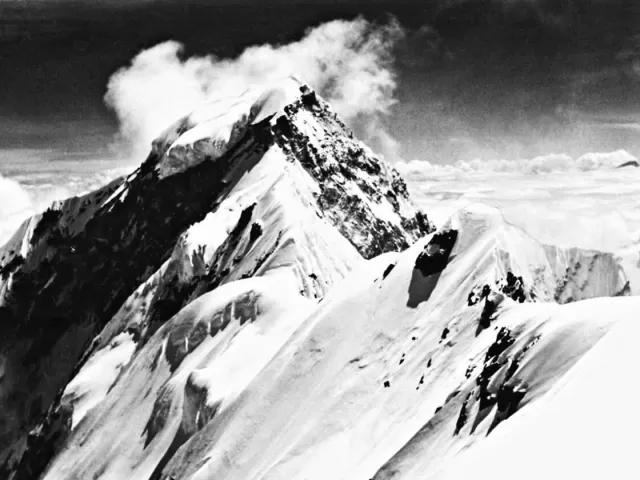
Tent Peak ( Tharpu Chuli) Climbing, also recognized as Tharpu Chuli (5663m/18,563ft) above sea level, can be summited within a 15-day. This peak stands in the Annapurna Himalaya range. Tharpu Chuli stands on one of the famous trekking to ABC and someday onward to climbing ascent. However, ice and rock climbing skills alongside appropriate equipment are suggested. This peak is an excellent stepping stone for trekkers transitioning from high-pass trekking to amateur mountaineering. The chosen route for this climb is the standard Northwest Ridge, categorized as Peu Difficile (PD) in grading. Including vertical and ridge climbing segments imparts an intriguing and challenging dimension, particularly for those venturing into trekking peaks for the first time. The relative ease of Tharpu Chuli's height and snow conditions sets it apart from more formidable trekking mountains.In 1956, Mr. Jimmy Roberts achieved the Tent Peak summit via the Southeast Ridge. Alternatively, the Southwest Ridge, specifically the West Face Ridge, has emerged as a popular climbing route. The ideal seasons for ascending Tent Peak are spring (April, May) and autumn (September, October, November). The climb follows a relatively straightforward path, with an approximate Alpine grade of PD+. The journey involves primarily snow slopes at a 35-42-degree gradient, interspersed with some exposed ridge climbing. Fixed lines are established to cover any precarious sections.The summit of Tent Peak treats climbers to breathtaking panoramic vistas of the majestic snow-capped mountains within the Annapurna region. The captivating landscapes encountered during the trek are an additional incentive to explore this remarkable peak. Trekking along the Modi River's picturesque course allows for an immersive experience of both natural splendor and cultural richness along one of the most renowned routes in the Annapurna region. The journey unfolds through Himalayan flora, lush forests, vibrant blossoms, culturally vibrant local communities, and the snow-draped allure of the trekking peak.Embarking from Pokhara, commencing the trek from Dhampus village to Annapurna Base Camp. The route, spanning around seven days, predominantly winds through forested terrains, encompassing stopovers Landruk: 1,565 meters (5,135 feet) Chhomrong: 2,170 meters (7,119 feet)Dovan: 2,500 meters (8,202 feet) Machhapuchhre Base Camp (MBC): Altitude: 3,700 meters (12,139 feet)Annapurna Base Camp (ABC): Altitude: 4,130 meters (13,549 feet)The stretch from Machhapuchhre Base Camp to Annapurna Base Camp (13,550ft) is relatively short, usually taking two hours. Sufficient time is allocated for acclimatization before going to Tharpu Chuli Base Camp. A higher camp is situated at 5000m. The route traverses the glacier from the high camp and ascends a 41° snow slope to reach the North West Ridge. This ridge, initially broad, narrows significantly for the final 61 meters leading to the summit.Tent Peak Itinerary:A Tent Peak climb usually takes 12 to 19 days in total. One begins the journey with a scenic drive or even a flight to Pokhara, then the trek through the Annapurna circuit via Poon Hill, Tadapani, Chhomrong, and the Annapurna base camp. While approaching the base of the Tent Peak, one has to camp. The journey ends after conquering the summit and descending. Still, another trek is required from the base camp to reach Pokhara after enjoying trekking mountaineering, and some splendid views of the Himalayas.Tent Peak Climbing Distance:Distance-wise, the total distance covered while climbing a Tent Peak is about 18 KM. This includes hiking to and from the Annapurna Base Camp, climbing to the high camp of Tent Peak, and the summit attempt. The difference of one or two hundred kilometers is understandable with regards to the route differences and difference in pace of different climbers, nevertheless, these numbers should give a rough idea of the physical efforts made in this strenuous endeavor.Tent peak climbing route:The route to ascend the Tent Peak usually takes through the Annapurna territory via Poon Hill, Tadapani, Chhomrong and Annapurna Base Camp.While trekking at Annapurna Base Camp, climbers first set a base after which they proceed to an elevated camp for acclimatization. Summit push entails some degree of technical climbing commonly the north-west ridge requiring face climb and traversing of sharp ridges. The descent is also the same route back to Annapurna base camp then the trekking trail back to Pokhara.Tent peak climbing cost:The cost of climbing the Tent Peak usually varies between one thousand seven hundred and two thousand two hundred dollars per person. This variation in prices depends on the group size, with larger groups paying less. This may cover accommodation, meals, guides, porters, equipment, permits, and transport. However, expenses like travel insurance, personal gear, and tips are not included. It’s recommended to research and compare different operators based on budget and preferences.Tent Peak climbing Difficulty:Tent Peak climbing is generally considered a moderately difficult trek that lasts 5-6 days. While not highly technical, it demands excellent physical fitness and endurance due to the high altitude. The trek to base camp is strenuous, and the summit push involves challenging terrain with steep sections and crevasses. Acclimatization is crucial to prevent altitude sickness. Despite its difficulty, Tent Peak is accessible to those with previous trekking and climbing experience, offering a rewarding challenge compared to other peaks in the region.Tent Peak Height:Tent Peak, also known as Tharpu Chuli, stands at 5663 meters (18,574 feet). This makes it a suitable option for climbers seeking a taste of the Himalayas without the extreme challenges of higher peaks. While not as imposing as its neighboring giants, Tent Peak provides an opportunity to experience high-altitude mountaineering in the stunning Annapurna region.About Tent Peak High Camp:Tent Peak High Camp is located at approximately 4900 meters (16,085 feet) below Rakshi Peak. This exposed camp offers breathtaking panoramic views of the Annapurna Sanctuary, including iconic peaks like Annapurna I, Machhapuchhre, and Gangapurna. Spending a night here is essential for acclimatization before the summit push. While conditions can be harsh, the reward of witnessing sunrise over the Himalayas from this vantage point is unforgettable.Tent peaks safety:Tent Peak climbing carries inherent risks due to high altitude, exposed terrain, and unpredictable weather. Safety is paramount, and climbers must be well-prepared and accompanied by experienced guides. Proper acclimatization is crucial to prevent altitude sickness. Glacier travel skills and avalanche awareness are essential. Climbers should have comprehensive insurance, appropriate gear, and a thorough understanding of the risks involved. By prioritizing safety and following expert advice, climbers can significantly reduce potential hazards and enjoy a successful ascent.Major villages of Tent Peak Climbing:The climb to Tent Peak takes one through several iconic villages in the Annapurna region. The trail starting from Pokhara passes through Ghorepani, Poon Hill, Tadapani, and Chhomrong, offering glimpses of Gurung and Magar culture. Trekkers encounter Dovan, Deurali, and Machhapuchhre Base Camp before reaching Annapurna Base Camp, the final stop before the Tent Peak ascent. These villages boast stunning mountain backdrops and offer warm hospitality and rich cultural experiences.Best Viewpoints on the Way to Tent Peak Climbing:Poon Hill (3,210 m):Poon Hill is famous for its sunrise panorama of the Annapurna and Dhaulagiri ranges, including Annapurna South, Machhapuchhre, and Hiunchuli.Machhapuchhre Base Camp (3,700 m):Machhapuchhre Base Camp offers stunning views of Machhapuchhre and other mountains, along with glorious glaciers and fewer trekkers compared to other spots.Annapurna Base Camp (4,130 m):Annapurna Base Camp is surrounded by Annapurna I, Annapurna South, and Hiunchuli, creating a breathtaking 360-degree view of the Himalayas.Tharpu Chuli High Camp (4800m):The journey continues to Tharpu Chuli High Camp with impressive views of Tent Peak and the Annapurna Mountain Ranges, especially during the mornings and evenings.Summit of Tent Peak (5,663 m):The summit of Tent Peak offers unparalleled vistas of the Annapurna range, including I, III, South, and Machapuchare, as well as Hunchuli.Chhomrong (2,170m):Chhomrong is a charming village with exceptional views of Machapuchare and Annapurna South, providing opportunities to interact with local Gurung people.Deurali (3,230 m):Deurali boasts spectacular views of the Modi Khola valley and involves a challenging climb over big rocks while offering glimpses of the mountains ahead.View and Experience on Top of Tent Peak:Standing atop Tent Peak at 5,663 meters creates a sense of victory and awe, surrounded by the immense Annapurna massif. The endless white expanse of snow and the deep blue sky creates a surreal, almost sci-fi-like atmosphere. The isolation and grandeur of the high Himalayas are palpable.Flora and Fauna In Tent Peak Climbing:The flora and fauna encountered during a Tent Peak climb vary with altitude. Lower elevations boast lush rhododendron forests and diverse birdlife. As altitude increases, vegetation thins, giving way to alpine meadows with wildflowers. Higher still, the landscape becomes barren, with limited plant and animal life. Though rare, Himalayan birds like the Impeyan pheasant or blood pheasant might be spotted at lower altitudes.Festivals and Culture of Tent Peak Climbing:The area of the Tent Peak climbing is filled with the Gurung and Magar traditions. Even though the concentration is on a high-altitude trek, passing through such places as Ghorepani, Tadapani, and Chhomrong, brings out some of the traditions of the people of the region. Larger festivals such as Dashain and Tihar might not be as literally celebrated near the summit of Mount Kailash, but it is touched by the kind essence of the mountain people. It is also a cultural affiliation when the group gets a chance to sit together with local guides and porters and share tea, and some stories despite the ardent adventure.Advantage book with Asiana Treks and Tours with Mera Peak: * Private transport for airport transfers to/from your hotel.* Trip briefing on Facebook and online if you love to connect.* Last minute booking at your hotel at a suitable time after your arrival.* Easy booking and reservation system.* Multi-channel communication via Email, WhatsApp, Facebook, Viber, Skyp 24/7 phone communication at +977-9851076270* Free excess luggage storage during the Trek* Oximeters are provided to examine blood oxygen saturation at high altitudes to detect altitude sickness early* Medical kits along the Trek and hot airbags are available in winter* Arrange sleeping bags, duffel bags, down jackets, and walking pools if you don't have your own.Tent Peak Climbing Start:Tent Peak climbing begins usually with a drive or a flight to Pokhara, which is the starting point of the Annapurna circuit. From here further the exciting tour through responsibly beautiful woods, fields and hills, and lovely quaint villages. As you go higher, the country becomes a rugged alpine one, common with treelines, rocks, and large hills. It incorporates a steady climb of altitude to condition the body for high-altitude tasks such as rock climbing. During the trekking, you will come across trekking beautiful points such as Poon Hill, Tadapani, Chhomrong, etc from where you can view some of the magnificent mountains.Currency Exchange:The Nepalese rupee is Nepali currency, and 1 USD is approximately 130 NPR. Only NPR is accepted in Nepal, so it's best to bring cash to facilitate transactions. Banks and ATMs in Kathmandu provide currency exchange services but note that most banks prefer new, crisp notes.Our Team:The Asiana Treks and Tours team is professional, reliable, and responsible. They are well-trained, friendly, radiant, and fluent in English. You can feel comfortable sharing anything with them. They are experts in local culture, history, vegetation, food, accommodation, weather conditions, and first aid medication. They are also environmentally conscious and respect the rights of animals.However, please do not provoke them for personal gain during the Trip. While you can enjoy your holiday with them, we kindly request that you do not try to change their customs, beliefs, religion, culture, or traditions.We and our staff are committed to making your adventure trip unforgettable memories of a lifetime journey in Nepal. Sherpa, Guide, and Porter Arrangement:Our company, Asiana Treks and Tours, focuses on responsible tourism in Nepal. We ensure our guides and porters are well-trained in Trekking, Peak climbing, and mountaineering. They know a lot about the areas we go to, including geography, history, customs, and culture. We train them regularly in safety, first aid, and environmental conservation. We follow guidelines to treat our porters fairly, providing them with good pay, accommodation, and meals during treks. Our guides and porters are essential team members, and we appreciate their hard work. When you trek with us, you support ethical tourism in Nepal, making your Trip meaningful and memorable.Asiana Treks and Tours prioritizes your safety and enjoyment. Our knowledgeable guides, reliable equipment, and safety measures ensure a great trekking experience in Nepal.Porter, Luggage, and Extra Luggage Storage: We cover the cost of porters for your Luggage, but the maximum weight limit is 12 kg per person. Each porter carries Luggage for two trekkers; please share a duffle bag with another. Our porters will carry up to 25 kg each. If you need a porter for yourself, we can arrange that. We also recommend carrying a small backpack for your valuables and important documents. You can leave extra Luggage at our office for free and at a hotel in Pokhara, Namche, etc.Accommodation Tent Peak Climbing:On a Tent Peak climb, the places you spend the night differ as explained below: En route to the base camp, the lodges where you will be putting up are teahouses that provide simple yet good accommodation with shared wash facilities. These are teahouses where people find a place to take a rest after the day’s tiredness of trekking. Nevertheless, whenever you start the climb to Tent Peak, camping forms part of the climbers’ activities regularly. Proper equipment in the form of tents, sleeping bags, and mats should be chosen of high quality due to the poor conditions of the mountains. That is why, despite some difficulties that can be encountered when camping, it is very valuable since it lets experience nature to the fullest and enjoy the night sky.Meals during the Trip:Food during the Tent Peak hike is part of the energy source during the activity. While traveling from one village to another, even trekking to the mountains, Teahouses serve typical Nepalese food like Dal Bhat, Noodles, and Eggs. A printed menu of orders, which is available as one rises in rank, is also tendered; such orders include fried rice, pasta, and basic curry meals, among others. Back in the base camp and especially in the higher camps, dehydrated meals turn into the only source of food. Technically speaking, such meals can be considered ultra-low-impact meals carrying only the minimal amount of nutrition required. Without fail, tea and coffee are crucial for supplying heat, and that is a bonus if consumed in high-altitude areas.Drinking water during Tent Peak Climbing:Water is very important when it comes to Tent Peak climbing, therefore keeping the body hydrated is important. As they move from one village to another, they are afforded boiled water to drink from teahouses. However, if you go higher, the availability of clean water is very limited or can barely be accessed. One should always have with them water purification tablets or a small portable water filter to purify water from natural sources. Consumption of sufficient amounts of water enables the prevention of altitude sickness and good health during the physically demanding climb. The availability of rehydration salts is also recommended to help in the replenishing of the electrolytes that may have been washed out through the sweat.Extra Personal Expenses for Tent Peak Climbing:Your Trip covers most expenses during the peak climbing; you'll need to spend money on extra accommodations and meals in Kathmandu, souvenirs, and beverages. The package does not include expenses incurred for personal items and services such as trekking and climbing equipment, laundry, tips, landlines, mobile phones, walkie-talkies, satellite phones, and internet services. You will need to cover these costs yourself as you use them. While most expenses during the Trek are covered, you must budget additional accommodations and meals in Kathmandu, souvenirs, and beverages. We estimate miscellaneous expenses to be around USD 15-25 per trekking day. However, personal expenses will vary depending on your income, habits, and lifestyle.Toilet Facilities inTent Peak Climbing:Most teahouses have Western-style flush toilets during mountain treks, especially at lower elevations. But as you go higher, find simple squat toilets along the trails and teahouses at higher altitudes. These toilets usually have water or toilet paper, but it's a good idea to bring your toilet paper just in case. You can also use restrooms at nearby teahouses or find a private spot along the trekking routes.Internet Connectivity:Any form of connectivity to the Internet is usually very scarce while on a Tent Peak climb. However, only a few teahouses which are along the trekking route provide Wi-Fi facilities and that too normally it is slow Wi-Fi. The beauty of this is that as you go higher, the internet connection diminishes severely. As much as internet connections can be compromised throughout a climb, especially in base camps, one must be ready not to have access to it at all. Another factor that needs to be managed and re/constructed is attending to the ‘presence’ of the trek and the climb, by avoiding the distractions of technology and digital connectivity.Electricity voltage and plugs:However, 95 % of Nepali people have access to electricity as of May 29, 2023. almost popular trekking routes, teahouses, and lodges have electricity. However, some isolated and solo trekking tea houses in the jungle don't have electricity; most tea houses let travelers charge for their devices for a small fee. The average electrical voltage in Nepal is 230 volts, with plug types like Type C, Type D, and Type M. Travellers should bring a suitable adapter and, if needed, a voltage converter for their electronic devices.Communication:The guest houses in the trekking regions have internet access. You could buy a SIM card at Tribhuvan International Airport Kathmandu and Namche. However, the signal may need to be more assertive at high altitudes. Our office keeps in touch with all trekking teams via the trek guide at least once daily to ensure everything goes as planned. However, services include landlines, mobile phones, walkie-talkies, satellite phones, and internet services. You will need to cover these costs yourself as you use them.Trip Extension:Suppose you have extra days in Nepal after the Trek. In that case, we can arrange a tour, overnight stay at Nagarkot Balthali or any other place around Kathmandu and Chitwan, jungle safari, paragliding, rafting, canyoning, or other treks. Do not hesitate to Inform us. We will create the best for you.Trip Safety:At Asiana Treks and Tours, we take immense pride in our impeccable safety record, especially concerning the challenging climb of Island Peak. Our main priority is our client's safety first, so there have been no fatalities during Island Peak expeditions; however, High-altitude trekking, peak climbing, and mountaineering are inherently risky and adventurous activities in remote areas.We take the utmost care and use the right gear and safety protocol to minimize risks, ensuring our clients' safe and successful climbs. This comprehensive approach to safety will make you feel secure and protected throughout your adventure.Our climbing guides are experienced mountain submitters and well-versed in first aid and high-altitude medicine. Their extensive training and local knowledge ensure that they can handle any situation that might arise during the climb, providing you with a sense of security and confidence in their abilities. Asiana Treks and Tours is committed to your safety and success. Our proven track record and experienced guides ensure that your Island Peak adventure will be thrilling and secure.Group & Private Treks:We organize many group and private treks simultaneously, with discounts available for larger groups. Every group will have a trekking guide and porters. Regarding larger groups, we provide an assistant guide. Our team ensures a safe and enjoyable trekking experience for all participants.About solo traveler:If you're a solo traveler, please get in touch with us to confirm departure dates before booking. You can tell us via call, WhatsApp, or email. We have listed upcoming departure dates for your convenience. Feel free to share the trip details with friends and family.Notes: Please be aware that the itinerary may change due to weather or other factors, and we'll adjust it accordingly for the group's safety and enjoyment. We look forward to guiding you through the stunning landscapes of the Annapurna region and ensuring a memorable trekking experience.Responsible Travel:We prioritize responsible travel to minimize environmental impact and support local communities. We collaborate with organizations like the Kathmandu Environmental Education Project (KEEP) to promote eco-friendly practices in trekking regions.Gratitude:Gratuities are appreciated in Nepali culture and reflect the quality of service provided. While the amount you tip is up to you, we recommend tipping as a group at the end of the Trip. Our staff involved in your trekking and mountaineering experience will be hoping for tips, gifts, or tokens of appreciation. This is a meaningful way to express your satisfaction with their service and to show your gratitude.End of Climbing trip:Upon successful completion of the summit and retracing the route through Annapurna Base Camp, there are several familiar villages that one can spend time in to ask for more of. The descent down to Pokhara offers the climbers a gradual descent to the real world, where they can relax and have something to look forward to after a difficult yet fulfilling climb. Some prefer to stay longer to further explore the Annapurna area or other regions of Nepal which is the prolongation of the magic of the mountains.Departure:On the day of your departure flight, we'll come to pick you up from your hotel and transfer you to Tribhuvan International Airport. We hope you enjoyed the Nepal trek and will consider returning for more adventures in Nepal.Feedback:After you complete the Lobuche peak climbing, we'll organize a farewell dinner in Kathmandu and present you with a trekking achievement certificate. After the dinner, you can provide feedback about the Trek on travel portals.Last-Minute Booking:If you can't book in advance, we offer last-minute bookings. Last-minute booking offers are available but may cost slightly more than regular departure dates. Those opting for last-minute bookings must pay an additional 7% of the total trip cost on our website. While we strive to make last-minute requests, we try our best to accommodate according to your last-minute booking holiday.Special Note: Please remember that unforeseen circumstances, such as inclement weather or unavailable lodging, may necessitate changes to the schedule. In such cases, your guide will create a new itinerary based on the group's interests. Any additional expenses arising from unforeseen situations like natural disasters, landslides, political disturbances, strikes, or Updates of government rules are not covered by the package price and will need to be covered separately.
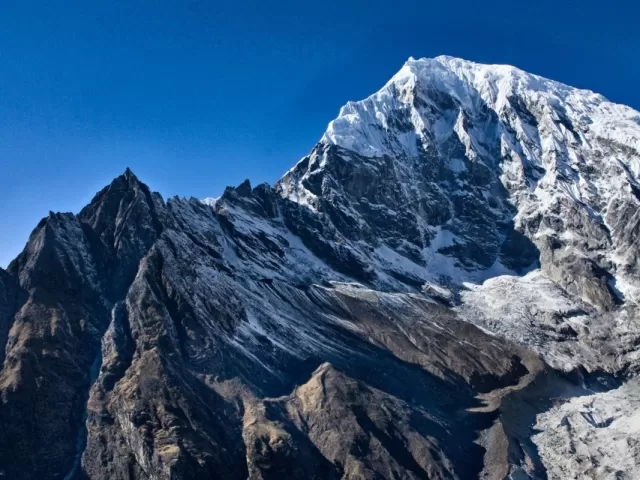
The Langtang Valley Short Trek is one of Nepal’s most scenic and accessible Himalayan treks, located inside Langtang National Park and close to Kathmandu. The trek combines spectacular mountain scenery, beautiful forests, traditional Tamang villages, Buddhist culture, and diverse Himalayan flora and fauna. The region is home to wildlife such as the red panda, Himalayan thar, musk deer, and numerous bird species.The trek begins with a scenic drive from Kathmandu to Dhunche, followed by a drive or trek toward Thulo Syabru, a traditional Tamang village situated on a beautiful mountain ridge. From Thulo Syabru, the trail passes through lush rhododendron, oak, pine, and bamboo forests, with waterfalls, rivers, peaceful villages, and dramatic mountain landscapes. As you gain elevation, the scenery changes from dense forests and green hills to alpine meadows and snow-capped Himalayan peaks.The trail continues through highlights such as Lama Hotel, Langtang Village, and Kyanjin Gompa, the cultural and scenic heart of the Langtang Valley. From Kyanjin Gompa, trekkers can enjoy magnificent views of Langtang Lirung, Langtang II, Yala Peak, Dorje Lakpa, and surrounding mountains. The trek offers an excellent combination of nature, culture, adventure, and Himalayan scenery within a relatively short itinerary.Current Route UpdateDue to recent devastating flooding along the Bhotekoshi River, some roads and sections of the highway toward Syabrubesi collapsed on 26 August 2026. Therefore, direct road access to Syabrubesi is currently unavailable, and Tamang heritage trekking is closed. The Langtang Valley Short Trek can instead be accessed from Dhunche via Thulo Syabru, using the safest available route. We continue to monitor and update trail conditions and arrange for trekking. Why is Langtang Valley Trekking a must-do trek?The following reasons make the Langtang Valley trek a top choice for Himalayan trekkers: its natural beauty, cultural immersion, and accessibility. Langtang National Park remains a treasure trove for those seeking a Himalayan journey enriched with natural wonders, cultural discoveries, and conservation values.Close to Kathmandu: Just a few hours’ drive from the capital, Langtang is the nearest Himalayan trekking destination—perfect for travellers with limited time.Breathtaking Nature: Enjoy panoramic views of snow-covered peaks, green forests, and peaceful valleys—ideal for nature lovers and photographersAuthentic Culture: Walk through traditional Tamang villages, visit ancient monasteries, and experience warm local hospitality.Resilient Region: Rebuilt after the 2015 earthquake, the area now thrives through community-based tourism. Beginner-Friendly Trail: A moderate trek suitable for both new and experienced hikers with well-marked paths. Diverse Landscapes: From dense forests to alpine meadows and glacial lakes like Gosaikunda, every day offers new scenery. Peaceful Trails: Fewer trekkers make this route calm and crowd-free compared to Everest or Annapurna. Wildlife Haven: Spot rare animals like the Red Panda and enjoy rich biodiversity in Langtang National Park. Ecological Importance: The region plays a key role in preserving Himalayan ecosystems and promoting eco-friendly tourism. Community Empowerment: Local people actively protect wildlife and support sustainable trekking practices. Cultural Heritage: Ancient Buddhist stupas, prayer flags, and monasteries reflect the region’s deep spiritual roots. Adventure Options: Beyond trekking, enjoy birdwatching, wildlife spotting, and relaxing in natural hot springs. Scenic Beauty: Every corner of Langtang offers breathtaking views—perfect for photography and peaceful reflection. Preparing for Langtang Valley Trekking: Preparing for the Langtang Valley Trek is essential for a safe and rewarding Himalayan experience. This moderate trek reaches up to 4,773 meters at Kyanjin Ri, offering breathtaking mountain views and rich Tamang culture. Start fitness training a few weeks before, focusing on walking, stair climbing, and light strength exercises. Stay hydrated, eat well, and avoid alcohol or coffee at high altitudes. Pack warm layers, sturdy boots, and essential trekking gear for varying weather. Hiring a licensed guide ensures safety, proper acclimatisation, adherence to the Healthy itinerary, and hassle-free permits. With the appropriate preparation, the Langtang Valley Trek becomes an unforgettable journey in Nepal. Preparing for Key Points Langtang Valley Trekking:Understand the Trek Difficulty: The Langtang Valley Trek is considered a moderate-level hike, suitable for most trekkers with basic fitness. Plan Your Trek with at least two people in a Group – Travelling with friends or in an organised group adds safety and motivation, especially in remote trails. Hire a Licensed Guide – A guide not only ensures your safety but also manages permits, local communication, and navigation throughout the trek. Allow Time for Acclimatisation – Schedule rest days to adapt to higher altitudes and minimise the risk of altitude sickness. Avoid Alcohol, Smoke, and Coffee: These beverages can dehydrate your body and increase your vulnerability to acute mountain sickness (AMS).Focus on Physical Preparation – Build endurance with aerobic workouts such as jogging, swimming, cycling, or brisk walking. Be assured—strengthen your legs and core with squats, lunges, step-ups, and hip exercises.Follow the Rule of the Mountain—Choose a Healthy Itinerary, practice balance training to handle rocky, uneven Himalayan trails.Try Altitude or Elevation Training - Do short hikes or climbs near your home to simulate trekking conditions before you arrive in Nepal. Stay Mentally Prepared: Trekking in the Himalayas requires patience and positivity. Expect weather changes and long walking days. Consult Your Doctor: Before coming to Nepal and trekking, check your health status and ask about altitude medication if needed.Langtang Valley Trekking itinerary:Asiana Treks and Tours offers the best Langtang Valley Trekking itinerary for people who love both long and short treks. Travellers who desire to explore Nepal with moderate physical fitness. You'll discover the best places for breathtaking views from the city to the countryside. Experience the contrast between cold nights at Kyanjin Gompa and relaxing in Kathmandu —an unforgettable lifetime journey.Langtang Valley Trekking Distance:The Langtang Valley trek covers approximately 60-75 km (37.2 -46.6 miles). This trek alone typically takes around 8 to 10 days to complete. If combined with other routes like the Tamang Heritage Trekking, the Langtang Gosaikunda Pass Trekking, the Langtang Panorama Trekking, the Langtang and Helambu trek or the Helambu Aama Yangri Trekking, the trek adds 3-8 days, depending on the chosen route. The Langtang Valley Trek showcases breathtaking natural beauty, passing through peaceful Buddhist villages and serene jungles and offering stunning views from Kyanjin Ri and the expansive Langtang Valley. For those who are physically fit, the Langtang valley trek can start and end in Kathmandu, taking approximately 8 days.Langtang Valley Trekking route:The Langtang Valley Trekking Route offers a perfect blend of natural beauty, culture, and adventure close to Kathmandu. The journey begins with a scenic drive to Syabrubesi, the gateway to Langtang National Park. The trail follows the Langtang Khola River, passing through lush forests, bamboo groves, and traditional Tamang and Sherpa villages like Pairothapla, Bambu, Lama Hotel, GhoraTabala, Thangshap, Hyamki, Langtang Village, and Mundu before reaching Kyanjin Gompa. Trekkers can hike to Kyanjin Ri (4,773 meters) or Tserko Ri (5,003 meters) for panoramic Himalayan views, including Langtang Lirung and Shishapangma. The return follows the same route, offering a rewarding and peaceful Himalayan experience.Langtang Valley Trekking price (cost):Our package tour ensures reliability in terms of cost, itinerary, and overall experience. The Langtang trek typically costs between US$637 and US$765. The Price range depends on group size, service level, guide and porter services, transportation preferences, and accommodation category during the trek; however, the Langtang trek does not include any Luxury stays. This cost estimation is subject to the types of trekking gear and accommodation preferences.However, if you avoid Kathmandu sightseeing and exploration and want a Short route, you could get a heavy discount on our Price.Langtang Valley Trek package, optional guide :At Asiana Treks and Tours, the Langtang Valley Trek cost varies depending on your chosen package, budget, and preferences. We offer flexible options so every traveller can enjoy a customised trekking experience. Below is a simple breakdown of our popular Langtang trekking packages, ranging from basic trek-only services to full-board options with hotels, sightseeing, and guided experiences.Langtang Valley Trek Packages vary by Cost Options:Regular Package per person (USD 637) Includes trekking permits, a licensed guide, accommodation, Transportation by bus and meals during the trek.Ideal for regular travellers who want a simple trekking service from start to finish.Focuses solely on the trekking experience, without any add-ons.Standard Package per person (USD 735 – 851) Includes all trekking services, Guide and porter, 2-night hotel stay in Kathmandu, arrival pick-up, and departure drop-off.Recommended for comfortable trekkers who prefer smooth travel logistics and support from arrival to departure.An outstanding balance between value and comfort.Premium Package Per person (USD 953 – 1053) Covers the entire trek with both guide and porter, plus a 3-night three-star hotel stay in Kathmandu.Includes UNESCO sightseeing tours and all ground transportation.Perfect for luxury travellers or first-time visitors seeking a complete Nepal experience with hassle-free arrangements. Langtang Valley Trekking Altitude Guide:The Langtang Valley trek starts from the bustling city of Kathmandu at an altitude of 1337 meters. From there, you'll ascend to Kyanjin Ri (4773m / 15655 ft), above sea level. Along the way, you'll see many famous viewpoints of Kyanging-Re reaching an altitude of Kyanjin Ri (4773m / 15655 ft), and Tserko Ri 5033 m/16,500 ft. Finally, the trek culminates at the High of Kyanjin Ri.Major villages of Langtang Valley Trekking:Kathmandu, Trishuli, Betrawati, Syabrubesi, Bambu, Lamahotel, Ghora Tabela, Thangshep, Langtang, Mundu, Kyanjing Gompa, and the same way back to Kathmandu via Syabru Besi. Completing the trek, they reflect on their memorable journey through the diverse landscapes and cultural richness of the Langtang region. These villages are significant landmarks and offer scenic beauty and accommodation options along the Langtang Gosaikunda Pass Trekking route.Best Viewpoints Langtang Valley Trekking:The Langtang Helambu trekking route offers several breathtaking viewpoints with panoramic Himalayan vistas. Here are the main views along the trek:Kyanjin Ri: A viewpoint near Kyanjin Gompa offering stunning 360-degree views of the Langtang Valley and surrounding peaks, including Langtang Lirung (7,227 meters)Tserko Ri (5,033 meters). It's a popular spot for sunrise and sunset photography.These viewpoints along the Langtang trekking route offer trekkers memorable opportunities to witness the grandeur of the Himalayas, immerse themselves in the natural beauty of the Tibetan plateau and appreciate the cultural richness of the region's diverse landscapes.Flora and Fauna Of Langtang Valley Trekking:Langtang Helambu Trekking trail is a biodiversity hotspot, perfect for nature lovers. Lush forests in the lower regions house various bird species, including rhododendrons and bamboo. Alpine meadows greet you higher up with vibrant wildflowers. Look out for elusive wildlife like Himalayan Thars and snow leopards, and repanda, while diverse birdlife, including the Himalayan Monal, adds to the experience. This trek offers a captivating glimpse into the ecosystems of the Himalayan and hilly regions, promising an unforgettable journey through nature's diversity.Festivals and cultures in Langtang Valley Trekking:You'll immerse yourself in vibrant festivals and cultural traditions along the Langtang Valley Trekking route. The region, predominantly inhabited by ethnic groups such as the Tamang, Helambu, and Sherpa, celebrates various festivals. Specifically, they celebrate the Buddhist festival. However, they celebrate Dashain, a festival. Typically, in September or October, it is a significant Hindu festival symbolising the triumph of good over evil. Villages burst with colourful decorations, music, and dances as families gather for blessings and feasts.Buddhist festivals offer a unique and lifetime experience, as well as a glimpse into Nepalese Himalayan culture and the majestic beauty of the Himalayas.Advantage book with Asiana Treks and Tours:Private transport for airport transfers to/from your hotel.Trip briefing on Facebook and online if you love to connect.Last-minute booking at your hotel at a suitable time after your arrival.Easy booking and reservation system.Multi-channel communication via Email, WhatsApp, Facebook, Viber, Skype, 24/7 phone communication at +977-9851076270Free excess luggage storage during the trekPulse oximeters for monitoring blood oxygen saturation at high altitudes to detect altitude sickness earlyMedical kits along the trek and hot airbags are available in winterArrange sleeping bags, duffel bags and down jackets, and walking poles if you don't have your own.Notes: Please be aware that the itinerary may change due to weather or other factors, and we'll adjust it accordingly for the group's safety and enjoyment. We look forward to guiding you through the stunning landscapes of the Annapurna region and ensuring a memorable trekking experience.Trek Booking:Asiana Treks and Tours is the best and most trusted trek and tour company operator authorised by the Nepal government. We require a 10% advance payment to book your trip, and you'll need to send us a copy of your passport, photos, travel insurance, and flight details as soon as you book a tour with us. You can use a bank transfer or another method, like Western Union, or pay online via our website, which is easy. The remaining trip cost can be paid upon arrival in Nepal. We offer last-minute bookings, but changes may be necessary due to factors such as bad weather. Transportation for Langtang Valley trekking:We offer a range of flexible transportation options, including planes, helicopters, tourist buses, coasters, vans, 4HW jeeps, and cars tailored to our clients' specific needs, preferences, itineraries, and agreements. This ensures a comfortable and personalised travel experience. Private transportation will be provided for sightseeing in Kathmandu based on group size and requirements.Local transportation is provided for the journey to and from Syabru Bensi. In contrast, optional private transportation from Kathmandu to and from Syabru Bensi can be arranged at an additional cost, depending on the group size and preferences.Trekking Start: Your Langtang Valley Trek begins with a warm welcome in Kathmandu. As soon as you arrive at Tribhuvan International Airport, our dedicated team will greet you. We'll then escort you to your hotel in a private vehicle, ensuring a comfortable, hassle-free start to your adventure and setting the tone for a memorable journey.If you miss the regular trip briefing, don't worry. We'll provide it at a convenient time before departure, and we'll then proceed to the local bus, departing around 7 a.m. from Gangabu New bas park, Kathmandu.The package includes transportation by simple bus from Kathmandu to Syabru Besi, offering a comfortable and scenic journey. However, if you prefer a comfortable van or Jeep, you can also use a private vehicle for an additional cost, giving you the freedom to choose what suits you best.Currency Exchange:The Nepalese rupee is Nepali currency, and 1 USD is approximately 130 NPR. Only NPR is accepted in Nepal, so it's best to bring cash to make transactions easier. Banks and ATMs in Kathmandu provide currency exchange services, but note that most banks prefer new, crisp notesGuide and Porter Arrangement:Our company, Asiana Treks and Tours, focuses on responsible tourism in Nepal. We make sure our guides and porters are well-trained in Trekking and mountaineering. They know a lot about the areas we go to, including geography, history, customs, and culture. We train them regularly in safety, first aid, and environmental conservation. We follow guidelines to treat our porters fairly, providing them with good pay, accommodation, and meals during treks. Our guides and porters are essential team members, and we appreciate their hard work. When you trek with us, you support ethical tourism in Nepal, making your trip meaningful and memorable.Asiana Treks and Tours prioritises your safety and enjoyment. Our knowledgeable guides, reliable equipment, and safety measures ensure a great trekking experience in Nepal.Porter, Luggage, and extra Luggage storage: We cover the cost of porters for your luggage, but the maximum weight per person is 12 kg. Each porter carries luggage for two trekkers; please share a duffel bag with another. Our porters will carry up to 25 kg each. If you need a porter, we can arrange one. We also recommend carrying a small backpack for your valuables and important documents. You can leave extra luggage at our office for free, or at a hotel in Kathmandu or Syabrubesi.Accommodation:Accommodation during the Langtang Valley Trek varies. Along the trekking route, you'll stay in guest houses, commonly known as teahouses. These basic lodges offer rooms, dining areas, and toilets. The quality of guest houses varies, but remains affordable and convenient for trekkers. Rooms typically have twin or bunk beds, shared bathrooms, and blankets and pillows provided. Our company can offer a sleeping bag if you don't have one. You'll spend nine nights in lodges along the trekking route and three nights in a hotel in Kathmandu. Some places and lodges have attached bathrooms, while others offer simple yet clean rooms with shared facilities. We can arrange a solo trekking service if you're travelling solo, but availability may be limited during peak season in some places. In Kathmandu, your hotel room will have excellent amenities, including TV, 24/7 hot water, electricity, and laundry service.Meals during the trip:Eating well is essential since the Langtang Helambu Trek takes you through the high Himalayas. You'll have plenty of nutritious meals in the trekking regions, although the options won't be as varied as in the cities. You'll get nineteen breakfasts, fifteen lunches, and sixteen dinners during the Trek. The menu includes local, Asian, and Western dishes, but it gets more straightforward as you climb higher. Try popular Nepali foods like lentils, rice, curry, dumplings, noodles, Spaghetti, and many more. We highly recommend eating fresh vegetables and drinking liquids like green tea, lemon tea, hot lemon, ginger tea, and garlic soup, especially at high altitudes. While non-vegetarian options are available during the Trek, we suggest avoiding them for hygiene reasons. It's also best to avoid dairy, cheese, alcohol, caffeine, and hot chocolate. Personal expenses, such as alcoholic drinks and additional beverages at lodges or cafes, aren't included in the package. Drinking water:Nepal is the second country in the world in terms of water resources, after Brazil. According to the Nepal government, only 27% of the population here has access to clean drinking water. You can buy mineral water in teahouses, but it is expensive; in some trekking areas, people prefer plastic bottles. So, there are some safe drinking water stations where you can refill your bottle. However, we recommend carrying Steripen, iodine drops, water purification tablets for safe drinking, and refillable water bottles for boiled or filtered water. We strongly advise against drinking from taps, wells, and rivers in trekking areas. However, in all city areas, Mineral water is available at a reasonable cost.Extra Personal expenses:While most expenses during the trek are covered, you'll need to spend money on accommodations and meals in Kathmandu and Pokhara, Souvenirs, and additional beverages. We estimate about USD 10-20 per trekking day for miscellaneous expenses. Personal Expenses: Toilet Facilities in Langtang Valley Trekking:Most teahouses have Western-style flush toilets during mountain treks, especially at lower elevations. But as you go higher, you find simple squat toilets along the trails and teahouses at higher altitudes. These toilets usually have water or toilet paper, but it's a good idea to bring your toilet paper just in case. You can also use restrooms at nearby teahouses or find a private spot along the trekking routes.Internet Connectivity:While trekking in Nepal's Himalayan region, it's also a good idea to connect with your family and friends. You can find internet access at teahouses and lodges, but it might cost extra. The signal might be weak because of the remote location. You can also get internet access using a local SIM card and data packages available at Kathmandu airport or nearby shops in Thamel and Pokhara. You'll have a passport-sized photo and a copy of your passport to get a SIM card. It's a good idea to compare prices and data packages from telecom companies like Ncell and Nepal Telecom before buying. Knowing about the teahouse connectivity. Our guide will suggest connections for you. Electricity voltage and plugs:However, 95 % of Nepali people have access to electricity as of May 29, 2023. Almost all popular trekking routes, teahouses, and lodges have electricity. However, some isolated, solo trekking tea houses in the jungle don't have electricity; most of these tea houses let travellers charge their devices for a small fee. The average electrical voltage in Nepal is 230 volts, with plug types like Type C, Type D, and Type M. Travellers should bring a suitable adapter and, if needed, a voltage converter for their electronic devices.Communication:The guest houses in the trekking regions have internet access. You could buy a SIM card at Tribhuvan International Airport in Kathmandu and Pokhara. However, the signal may need to be more assertive at high altitudes. Our office keeps in touch with all trekking teams via the trek guide at least once daily to ensure everything goes as planned.Trip Extension:Suppose you have extra days in Nepal after the Trek. In that case, we can arrange a tour, an overnight stay in Nagarkot or Balthali, or another place around Kathmandu and Chitwan, a jungle safari, paragliding, rafting, canyoning, or other treks. Do not hesitate to inform us. We will create the best for you.Trek Difficulty:The Langtang Valley Trek presents an easy, moderate, and challenging yet enriching adventure. Your enjoyment of the trip will largely depend on your fitness level. We recommend building stamina at least two weeks before the trek. Activities include jogging, running, swimming, or taking long hikes for the journey ahead.Completing this trek is achievable even if you're a beginner, although you must maintain a reasonable fitness level. Prior trekking experience is optional but can be advantageous. All you need is the readiness to hike steadily for 4-8 hours, navigating tricky terrain.Suppose trekkers have pre-existing medical conditions, such as lung or heart diseases. In that case, they are advised to consult their physician before booking the trek to ensure their safety and well-being throughout the journey.Trip Safety:We highly prioritise your safety. We provide experienced guides, first-aid kits, and necessary safety gear to ensure a safe hand. Our team monitors weather and trail conditions and takes precautions to avoid risks. Before starting the trek, we discuss the trip to provide a clear understanding and ensure a reliable experience.Group & Private Treks:We organise many group and private treks simultaneously, with discounts available for larger groups. Every group will have a trekking guide and porters; an assistant guide may be provided for larger groups. Our team ensures a safe and enjoyable trekking experience for all participants.About a solo traveller:If you're a solo traveller, please get in touch with us to confirm departure dates before booking. You can tell us via call, WhatsApp, or email. We have listed upcoming departure dates for your convenience. Feel free to share the trip details with friends and family.Responsible Travel:We prioritise responsible travel to minimise environmental impact and support local communities. We collaborate with organisations like the Kathmandu Environmental Education Project (KEEP) to promote eco-friendly practices in trekking regions.Gratitude:Graduate or tipping is appreciated in Nepali culture and reflects the quality of service provided. You decide how much to tip, but we recommend tipping as a group at the end of the trip.End of Trek:On the eighth day, you'll take a local bus back to Kathmandu, which takes about six hours. Alternatively, you can take a private vehicle from Syabru Besi to Kathmandu at an extra cost. In the evening, we'll host a farewell dinner in Kathmandu.Departure:On the day of your departure flight, we'll come to pick you up from your hotel and transfer you to Tribhuvan International Airport. We hope you enjoyed the Nepal trek and will consider returning for more adventures in Nepal.Feedback:After you complete the Langtang Valley Trek, we'll organise a farewell dinner in Kathmandu and present you with a trekking achievement certificate. After the dinner, you can provide feedback about the Trek on travel portals.Last-Minute Booking:If you can't book in advance, we offer last-minute bookings. Full payment is required 24 hours before departure. While we do our best to accommodate last-minute bookings, delays may occur due to unforeseen.Special Note: Please remember that unforeseen circumstances, such as inclement weather or unavailable lodging, may alter the schedule. Your trip guide will design a fresh schedule based on the group's interests in such circumstances.
Langtang panorama trekking is another beautiful short package trek which lies in the Langtang National park close to Tibet as well as Kathmandu Nepal at the altitude of 4310 meters high from the sea level. this trek is suitable for people who have limited time and experience of Tamang people, their cultural lifestyle as well as a passion for true Nature with spectacular panoramic views of the west Annapurna Himalayan range, Lamjung Himal, Manaslu Himal, and Ganesh Himalayan range as well as Tibetan Himalayan Kerung and so on. On a clear day, you are fascinated by the scenery, alpine, and rugged terrain of the ravine valley.Langtang trekking is famous for wildlife and vegetation also where you encounter rare beautiful animals such as Red pandas, bears, and leopards, and wild beerLangtang panorama trekking is not famous for only the spectacular view it holds special religious importance by the centre of aspect both Hindus and Buddhists. Singgumpa is one of the beautiful old Monasteries, and the frozen lake Gosikunda is a special religious and revered place for Hindus all over the World. According to legend, the lake was formed when Lord Shiva thrust his trident into a mountain to extract water so that he could hold his burning throat after swallowing poison. Hindus of the World believe that once you make a journey in a lifetime, pay homage to god Shiva, take a holy bath in Tirsul Dhara and bathe in the lake all of the sorrow and sins will be washed away.Langtang Panorama Trekking itinerary:Asiana Treks and Tours has the best Langtang Panorama Trekking itinerary for people who love long and short trekking. Travelers who desire to explore Nepal with moderate physical fitness. You'll discover the best places for breathtaking views from the city to the countryside. Experience the contrast of cold nights at Gosaikunda to relaxing in Kathmandu an unforgettable lifetime journey.Langtang Panorama Trekking Distance:Langtang Panorama trekking distance is approximately 125 km/ 77.6 miles long, typically depending on the itinerary made many segment, Only Langtang, Langtang Gosaikunda back to via Chisapani. Cross Gosaikunda then after Kathmandu. If you combine another Trekking route like Helambu Trekking, Langtang Valley Trekking, Langtang Helambu Trekking and Langtang Panorama Trekking you should plan for an additional 3-8 days. Depending on the chosen itinerary. The Langtang PanoramaTrekking showcases awe-inspiring natural beauty.This trek walks through the beautiful kyangjang_Ri , Lauribina Pass, Gosaikunda Lake, Tharepati Chisapani , offering stunning views of the Himalaya and verjin Landcape. However, if you are fit enough, you start and end in Kathmandu, where the trek takes Kathmandu to Kathmandu 17 days .Langtang Panorama Trekking route:Langtang Panorama Trekking route showcases awe-inspiring natural beauty. Starting in lush valleys with terraced fields and traditional villages, the journey unfolds amidst the Himalayan foothills. Rhododendron and pine forests bloom in spring, and stunning views of snow-capped peaks are can be seen when we walk. The Langtang Gosaikunda pass Trekking route showcases awe-inspiring natural beauty. Ganesh Himal Range, Langtang Himalayan Range, Gyanchanpo Dorje Lakpa, Gauri Shanker and many more mountains offer stunning views. The trek promises unforgettable moments, whether you're a seasoned trekker or novice adventurer, offering an unparalleled journey through Earth's most breathtaking landscapes. Includes Kathmandu, Syabru Besi, Lamahotel, Langtang, Kyanjingumba, Tholo Syabru, Sing Gumpa, Lauribina, Gosaikunda, Tharepati , Chisapani, and a return via Sundarijal to Kathmandu. Langtang Panorama Trekking price:Our package tour ensures reliability in terms of cost, itinerary, and overall experience. For Nepali citizens, the Langtang Panorama trek typically ranges from US$ 600 to 975, and for foreigners, US$ 915 to 1185, variations depending on group size, service level, guide and porter services, transportation preferences, and accommodation category in Kathmandu. This cost estimation is subject to the types of trekking gear and accommodation preferences. However, we could end the trek via Dhunche. If you avoid Kathmandu sightseeing and exploration and want a Short route you could get a heavy discount on our Price. Langtang Panorama Trekking Altitude:The Langtang Panorama Trek starts from the bustling city of Kathmandu at an altitude of 1337 meters. From there, you'll aescend to Lauribina pass 4610 meters above sea level. Along the way, you'll see many famous viewpoints of Kyanging-Re reaching an altitude of Kyanjin Ri (4773m / 15655 ft), and Tserko Ri 5033 m/16,500 ft a meters. Finally, the trek culminates at High Tserko Ri stand at a breathtaking height 5033 m/16500 ft.Major villages of Langtang Panorama Trekking:Kathmandu, Trishuli, Betrawati, - Syabrubesi-Bambu -Lamahotel - Ghora Tabela - Thangshep -Langtang- Mundu- KyanjingGompa - Thulosyabru- Singgumpa- Cholangpati -Lauribina Pass- Gosaikunda-Phedi- Ghopte-Thadepati- Magingoth- Kutumsang -Gulbhanjyang- Cheplung -Chisapani- Mulkharka Sundarijal and drive Back to Kathmandu.The final point of the trek before returning to Kathmandu. It's located near Shivapuri National Park and offers waterfalls, forests, and a refreshing end to the trekking journey.From Sundarijal, trekkers typically drive back to Kathmandu, completing the loop and reflecting on their memorable journey through the diverse landscapes and cultural richness of the Langtang-Gosaikunda region.These villages are significant landmarks and offer scenic beauty and accommodation options along the Langtang Gosaikunda Pass Trekking route.Best Viewpoints Langtang Panorama Trekking:The Langtang Panorama trekking route has several breathtaking viewpoints offering panoramic Himalayan landscape vistas. Here are the main views along the trek:Thulo Syabru Village: Thulo Syabru is a traditional village in the Langtang region of Nepal. It is situated at approximately 2,200 meters and is known for its scenic beauty, traditional Tamang architecture, and cultural richness. The village offers panoramic views of the surrounding hills and forests, making it a popular stopover for trekkers heading towards Gosaikunda or exploring the Langtang Valley. Thulo Syabru provides basic amenities such as teahouses for accommodation, giving visitors a glimpse into the local way of life amidst the Himalayan foothills.Chandan Bari: A scenic viewpoint on the way to Gosaikunda, offering a panoramic view of the Langtang range and the lush green hillsides.Lauribina Pass (Gosaikunda Pass, 4,610 meters): The high-altitude pass between the Langtang Valley and Gosaikunda. From here, trekkers can see breathtaking views of the Himalayan peaks, including Langtang Lirung, Ganesh Himal, Manaslu, and even glimpses of the Annapurna range on clear days.Gosaikunda Lake is a sacred alpine lake at around 4,380 meters, revered by Hindus and Buddhists. Its turquoise waters create a serene and spiritual atmosphere against the backdrop of snow-capped mountains.Ghopte: A viewpoint offering views of the Helambu region and the distant peaks of the Langtang range. Trekkers often stop here for a break and to admire the surrounding landscapes.Thadepati: Located on the descent towards Kutumsang, Thadepati offers panoramic views of the Helambu region and the terraced fields below.Magingoth: A viewpoint known for its sweeping views of the Helambu valleys and terraced farmlands, providing a picturesque setting for trekkers.Biodiversity of Langtang Gosaikunda pass trekking.These viewpoints along the Langtang Gosaikunda Pass trekking route offer trekkers memorable opportunities to witness the grandeur of the Himalayas, immerse themselves in the natural beauty of alpine lakes and appreciate the cultural richness of the region's diverse landscapes.Langtang Gosaikunda PassTrekking trail is a biodiversity hotspot, perfect for nature lovers. Lush forests in the lower regions house various bird species, including rhododendrons and bamboo. Alpine meadows greet you higher up with vibrant wildflowers. Look out for elusive wildlife like Himalayan Thars and snow leopards, and repanda while diverse birdlife, including the Himalayan Monal, adds to the experience. This trek offers a captivating glimpse into the Himalayan and hilly region ecosystems, promising an unforgettable journey through nature's diversity.Festivals and cultures in Langtang Panorama Trekking:You'll immerse yourself in vibrant festivals and cultural traditions along the Langtang Gosaikunda Pass Trekking route. The region, predominantly inhabited by ethnic groups like the Tamang and Helmo and Sherpa, celebrates various festivals. specially they celebrated Buddhist related festival However they celebrate Dashain, festival. typically in September or October, is a significant Hindu festival symbolizing the triumph of good over evil. Villages burst with colourful decorations, music, and dances as families gather for blessings and feasts.These festivals offer a unique and lifetime experience, as well as Nepalese culture with the majestic beauty of the Himalayas.Advantage book with Asiana Treks and tours:Private transport for airport transfers to/from your hotel.Trip briefing on Facebook and online if you love to connect.Last minute booking at your hotel at a suitable time after your arrival.Easy booking and reservation system.Multi-channel communication via Email, WhatsApp, Facebook, Viber, Skyp 24/7 phone communication at +977-9851076270Free excess luggage storage during the trekPulse oximeters for monitoring blood oxygen saturation at high altitudes to detect altitude sickness earlyMedical kits along the trek and hot airbags are available in winterArrangement sleeping bags, duffel bags and down jackets, and walking pools if you don't have your own.
Explore Nepal's rich heritage and scenic beauty with the Kathmandu Heritage Tour combined with the Chisapani Nagarkot Trek — an ideal itinerary for travelers who have limited time but a strong desire to experience the cultural heart and natural splendor of Nepal. This carefully designed tour blends immersive cultural exploration with moderate trekking through lush landscapes and charming villages just northeast of Kathmandu Valley. Your journey begins in Kathmandu, where you will explore the UNESCO World Heritage Sites within the valley, including ancient temples, palaces, and bustling bazaars that reveal the vibrant history and craftsmanship of the Newar people. After soaking in the cultural richness of Kathmandu, you venture to the outskirts for the Chisapani Nagarkot trek. This trek takes you through the pristine Shivapuri Nagarjun National Park, dense woodlands, terraced farmland, and traditional Tamang and Newar villages. Along the way, you’ll be surrounded by stunning mountain vistas, with Nagarkot offering spectacular sunrise and sunset views of the Himalayas, including iconic peaks like Manaslu, Ganesh Himal, Langtang, and even distant glimpses of Mount Everest. The trek covers diverse terrain and cultures in a short span, making it perfect for seminar attendees, weekend travelers, or anyone wanting a taste of Nepal’s natural beauty and heritage in a compact itinerary. The friendly local communities, peaceful countryside, and panoramic mountain views promise an unforgettable experience. Tour Highlights Explore UNESCO World Heritage Sites in Kathmandu Valley: Durbar Squares, temples, and traditional markets. Trek through Shivapuri Nagarjun National Park’s green forests and wildlife zones. Experience authentic rural Nepali culture in Tamang and Newar villages. Enjoy breathtaking Himalayan mountain panoramas, including Mt. Everest, from Nagarkot. Witness stunning sunrises and sunsets over the Himalayan range. Traverse terraced farmlands and enjoy the tranquility of Nepal’s countryside. End the trek in the historic town of Bhaktapur, known for its preserved medieval architecture. What to Expect Moderate trekking through mixed terrain with gradual ascents and descents. Comfortable accommodations ranging from standard lodges to teahouses along the trek. Delicious Nepali cuisine and local meals that highlight regional flavors. Professional licensed guides familiar with the local culture, history, and natural surroundings. A balance of cultural immersion, nature exploration, and light physical activity suitable for most fitness levels. Services by Asiana Treks and ToursService Category Premium Normal BudgetTransportation Private vehicle Tourist bus, private jeep Tourist bus, shared jeepAccommodation Best available lodges Standard teahouses Basic teahousesMeals Standard meals with choices Set menu meals Basic local mealsSnacks Limited snacks (cookies, tea) Tea and biscuits No snacks providedDrinks Bottled water, limited tea/coffee Morning cup of tea No drinksGuide & Porter Licensed guide, porter shared by two trekkers Licensed guide Guide/porter optionalPermits & Fees All permits included All permits All permits (extra cost)Extras Hot shower, limited WiFi Cold shower Cold shower, no extrasEmergency Support Yes Yes Yes The Kathmandu Heritage Tour with Chisapani Nagarkot Trek by Asiana Treks and Tours is the perfect fusion of cultural richness and Himalayan adventure, offering travelers a comprehensive glimpse of Nepal’s soul in a few exciting days. Whether you’re a history buff, nature lover, or trekking enthusiast, this journey promises to leave you with lasting memories of Nepal’s diverse heritage and spectacular mountain landscapes.
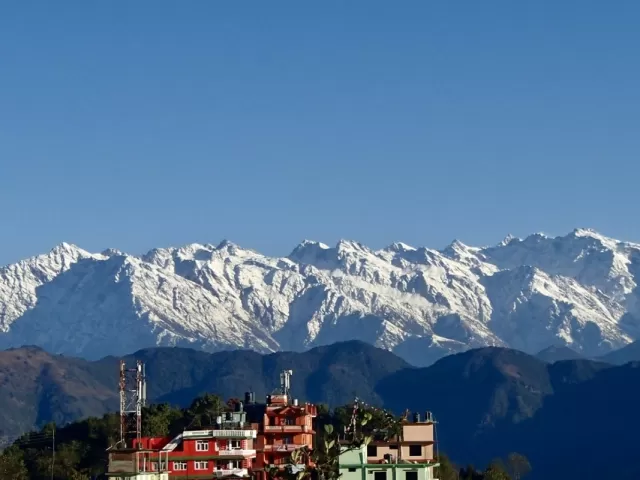
Chisapani Nagarkot Dhulikhel trekis a fantastic short trek to the east of Kathmandu, offering our clients an unforgettable experience. This trek takes you around theKathmandu Valley, providing a beautiful blend of nature and culture for trekkers with limited time.You'll enjoy typical Nepali hospitality amidst breathtaking natural scenery, with panoramic sunrise views of snow-capped mountains from west Annapurna to Mt Everest; despite its short distance, this trek is packed with beauty and adventure. Starting just 17.6 km from Kathmandu, where the trekking begins with a one-hour drive to Sundarijal, leading through Shivapuri Nagargun National Park and passing picturesque villages like Mulkharka before reaching Bolang Bhanjyang then descending Chisapani.Chisapani, Nagarkot, and Dhulikhel offer serene hill stations and incredible mountain viewpoints. At 2,100m altitude, Nagarkot boasts panoramic views of Annapurna, Lamjung, Manaslu, Ganesh Himal, Langtang, and even Everest on clear days. The trek itinerary perfectly blends culture and nature, winding through lush forests, charming villages, and terraced farmland. It's an easy trek, with the first day involving a gentle ascent to Borlang Bhanjyang. In Dhulikhel, you'll explore temples and witness the vibrant Newar community. The journey is a delightful escape from city life, starting with a drive from Kathmandu to Sundarijal, followed by a hike through Shivapuri National Park to Chisapani. Nights are spent in Chisapani and Nagarkot, with mesmerizing sunrise views. The trek concludes with a visit to Dhulikhel Chandeshwari Temple before returning to Kathmandu. Despite its richness in experience, the trek cost is reasonable, with accommodations in the best hotels in Nagarkot and Dhulikhel. Whether you're a family seeking adventure or preparing for more challenging treks, this trek is perfect for those with limited time who love the outdoors. Asiana Treks and Tours offers a memorable journey through which you can experience Nepal quickly and experience great hiking.Chisapani Nagarkot Dhulikhel Trekking Itinerary: Asiana Treks and Tours has the perfect Chisapani Nagarkot Dhulikhel Trek itinerary. Travelers who desire to explore Nepal with moderate physical fitness. You'll discover the best places for breathtaking views from the city to the countryside and experience an unforgettable lifetime journey.Chisapani Nagarkot Dhulikhel Trekking Distance:Chisapani Nagarkot Dhulikhel Trekking spans approximately 36 kilometres, or 22.3 miles, depending on the chosen itinerary. This route typically spans 5 days, Chisapani Nagarkot Dhulikhel and concluding at at Bhaktpur.Chisapani Nagarkot Dhulikhel Trekking route:Chisapani Nagarkot Dhulikhel Trekking route showcases awe-inspiring natural beauty. Starting in lush valleys with terraced fields and traditional villages, the journey unfolds amidst the Himalayan foothills. Rhododendron forests bloom in spring, accompanied by cascading waterfalls and snow-capped peaks. Traversing wildflower, leading to panoramic views of towering peaks like Ganesh Himal range, Gyanchanpo, Gauri Shanker Manaslu, Dorjelpla, and Mt Everest In the clear days. The trek promises unforgettable moments, whether you're a seasoned trekker or novice adventurer, offering an unparalleled journey through Earth's most breathtaking landscapes.Chisapani Nagarkot Dhulikhel Trekking price:Our package tour ensures reliability in terms of cost, itinerary, and overall experience. For Nepali citizens, the Chisapani Nagarkot Dhulikhel trek typically ranges from US$ 315 to 475, and for foreigners, US$ 375 to 595, variations depending on group size, service level, guide and porter services, transportation preferences, and accommodation category in Kathmandu, Nagarkot Dhulikhel are perfect However Chisapani have basic teahouse.. This cost estimation is subject to the types of trekking gear and accommodation preferences. However, we could end the trek is sightseeing Bhaktpur and exploration.Chisapani Nagarkot Dhulikhel Trekking Height:The Chisapani-Nagarkot trek begins in the lively city of Sundarijal at an altitude of 1,165 meters. From Kathmandu, you will drive through beautiful places such as Bauddhanath and Gokarna, eventually reaching the cascades in Sundarijal. During the trek, you will ascend to the famous Tamang village of Mulkharka. The highest point you will get is the Borlang Bhanjyang Pass, which is 2,450 meters above sea level. From there, descend to Chisapani; you will head towards Nagarkot, then after Dhulikhel, and then back to Kathmandu via Bhaktapur before taking private transportation back to Kathmandu.Major Village of Chisapani Nagarkot Dhulikhel TrekkingThe major Tamang ethnic villages along the Chisapani-Nagarkot-Dhulikhel trekking route include Sundarijal, Mulkharka, Chisapani, Jhule, Patibhanjyang, Jarsing Pauwa, Katike, Nagarkot, Dhulikhel, Banepa, and Bhaktapur. The return journey includes sightseeing in Bhaktapur before driving back to Kathmandu. These villages are significant landmarks, offering scenic beauty and accommodation options along the trekking route.Chisapani Nagarkot Dhulikhel Trekking Best View points:The Chisapani-Nagarkot-Dhulikhel trek offers breathtaking viewpoints, showcasing stunning panoramas of the surrounding Himalayan peaks. Here are the critical views along the route:View from Sundarijal to Mulkharka: On the way from Sundarijal, enjoy amazing views of the Sundarijal cascade and the Kathmandu Valley.View from Borlang Bhanjyang: From the Borlang Bhanjyang pass, relish magnificent views of the mountains and rice terraces.Chisapani: Experience impressive mountain vistas and views of rice and millet terraces during the second day of trekking.Nagarkot:Nagarkot offers spectacular views from the Annapurna Himalaya in the west to Mount Everest in the east. In between, you can see many Himalayan ranges, including the Lamjung, Machhapuchhare, Manaslu, and Ganesh ranges, along with expansive valley views of cultivated terrace fields and unique villages.Dhulikhel:From your hotel in Dhulikhel, you can enjoy a mind-blowing wide-range view of the Eastern Himalayas.These viewpoints are not just spots on a map, but gateways to unforgettable experiences, each one a testament to the awe-inspiring beauty of the Chisapani-Nagarkot-Dhulikhel trek.Biodiversity of Chisapani Nagarkot Trekking:Chisapani Nagarkot Dhulikhel Trekking trail is a biodiversity hotspot, perfect for nature lovers. Lush forests as well as house various bird species, including rhododendrons and bamboo. Alpine meadows greet you higher up with vibrant wildflowers. Look out for elusive wildlife and diverse birdlife, experience. This trek offers a captivating glimpse into the green Hills, Amazing terraces, promising an unforgettable journey through nature's diversity.Festivals and culture Chisapani Nagarkot Dhulikhel Trekking: In Chisapani Nagarkot Dhulikhel Trekking you'll immerse yourself in vibrant festivals and cultural traditions along the Chisapani Nagarkot Dhulikhel Trekking route. The region, predominantly inhabited by ethnic groups like the Gurungs and Magars, celebrates various festivals. Dashain,typically in September or October, is a significant Hindu festival symbolizing the triumph of good over evil. Villages burst with colorful decorations, music, and dances as families gather for blessings and feasts.Tihar,known as the Festival of Lights, falls in October or November. This five-day celebration honors animals and the goddess of wealth, Laxmi. Oil lamps light up homes, and rituals bring prosperity and fortune.These festivals offer a unique and lifetime experience, as well as Nepalese culture with the majestic beauty of the Himalayas.Advantage book with Asiana Treks and tours:Private transport for airport transfers to/from your hotel.Trip briefing on Facebook and online if you love to connect.Last minute booking at your hotel at a suitable time after your arrival.Easy booking and reservation system.Multi-channel communication via Email, WhatsApp, Facebook, Viber, Skyp 24/7 phone communication at +977-9851076270Free excess luggage storage during the trekPulse oximeters for monitoring blood oxygen saturation at high altitudes to detect altitude sickness earlyMedical kits along the trek and hot airbags are available in winterArrange sleeping bags, duffel bags, down jackets, and walking pools if you don't have your own.Chisapani Nagarkot Dhulikhel Trekking Trek Booking:Asiana Treks and Tours is the best and most trusted trek and tour company operator authorized by the Nepal government. We require a 10% advance payment to book your trip, and you'll need to send us a copy of your passport, photos, travel insurance, and flight details as soon as you book a tour with us. You can use bank transfer, or any other way like Western Union, or online via our website, which is easy. The remaining trip cost can be paid upon arrival in Nepal. We offer last-minute bookings, but changes may occur due to circumstances like bad weather. Transportation for Chisapani Nagarkot Dhulikhel Trekking Trekking:We pride ourselves on our flexible transportation options according to our Itinerary, which include planes, helicopters, tourist buses, coasters, vans, jeeps, and cars. These are tailored to our Clints' specific needs, preferences, itineraries, and agreements, ensuring a comfortable and personalized travel experience. However, we provide Tourist buses to and from Pokhara, Lumbini, Private transportation from Nayapul to and from Sewai and Kathmandu sightseeing private vehicle as per the group size and Itinerary, and optional fly to and from Pokhara at extra cost.Chisapani Nagarkot Dhulikhel Trekking Start:Your Chisapani Dagarkot Dhulikhel Trek begins with a warm welcome in Kathmandu. Our dedicated team will be there to greet you as soon as you arrive at Tribhuvan International Airport. We'll then escort you to your hotel in a private vehicle, ensuring a comfortable and hassle-free start to your adventure, and setting the tone for a memorable journey.If you miss the regular trip briefing, don't worry. We'll provide it at a convenient time before departure, Pokhara, either before a World Heritage tour the following morning or the next day; we'll then proceed to Pokhara by tourist bus, departing around 7 a.m. from your Hotel, Kathmandu.The package includes transportation by private transportation from Kathmandu to Sundarijal and back from your trekking ending Points. offering a comfortable and scenic journey. Currency Exchange:The Nepalese rupee is Nepali currency, and 1 USD is approximately 130 NPR. Only NPR is accepted in Nepal, so it's best to bring cash to facilitate transactions. Banks and ATMs in Kathmandu provide currency exchange services but note that most banks prefer new, crisp notessGuide and Porter Arrangement:Our company, Asiana Treks and Tours, focuses on responsible tourism in Nepal. We make sure our guides and porters are well-trained in Trekking and mountaineering. They know a lot about the areas we go to, including geography, history, customs, and culture. We train them regularly in safety, first aid, and environmental conservation. We follow guidelines to treat our porters fairly, providing them with good pay, accommodation, and meals during treks. Our guides and porters are essential team members, and we appreciate their hard work. When you trek with us, you support ethical tourism in Nepal, making your trip meaningful and memorable.Asiana Treks and Tours prioritizes your safety and enjoyment. Our knowledgeable guides, reliable equipment, and safety measures ensure a great trekking experience in Nepal.Porter, Luggage, and extra Luggage storage:We cover the cost of porters for your luggage, but the maximum weight limit is 12 kg per person. Each porter carries luggage for two trekkers; please share a duffle bag with another. Our porters will carry up to 25 kg each. If you need a porter for yourself, we can arrange that. We also recommend carrying a small backpack for your valuables and important documents. You can leave extra luggage at our office in Kathmandu. Accommodation during Chisapani Nagarkot Dhulikhel Trekking:Accommodation during the Chisapani Nagarkot Dhulikhel Trek varies. Along the trekking route, you'll stay in guest houses, commonly known as teahouses. These basic lodges offer rooms, dining areas, and toilets. The quality of guest houses varies but remains affordable and convenient for trekkers. Rooms typically have twin or bunk beds and shared bathrooms, and blankets and pillows are provided. Our company can offer a sleeping bag if you don't have one. You'll spend nine nights in lodges along the trekking route, two nights hotel in Nagarkot and Dhulikhel, and three night hotel in Kathmandu Nagarkot and Dhulikhel have attached bathrooms, while Chisapani have a simple yet clean rooms with shared toilets. We can arrange a solo trekking service if you're traveling solo, In Kathmandu, Nagarkot Dhulikhel , your hotel room will have excellent amenities, including TV, 24/7 hot water, electricity, and laundry service.Meals during Chisapani Nagarkot Dhulikhelthe trekking:Chisapani Nagarkot Dhulikhel Trek takes you through amazing treak in east of Kathmandu. You'll have plenty of nutritious meals in the trekking regions, although the options won't be as varied as in the cities. You'll get six breakfasts,four lunches, and four dinners during the Trek. The menu includes local, Asian, and Western dishes.Try popular Nepali foods like lentils, rice, curry, dumplings, noodles, Spagaties, and many more. We highly recommend eating fresh vegetables and drinking liquids like green tea, lemon tea, hot lemon, ginger tea, and garlic soup, especially at high altitudes. While non-vegetarian options are available during the Trek, we suggest avoiding them for hygiene reasons. It's also best to steer clear of dairy, cheese, alcohol, caffeine, and hot chocolate. Personal expenses like alcoholic drinks and extra beverages at lodges or cafes aren't included in the package. Drinking water:Drinking water is not big deal in this trekking.You can buy mineral water every wherein teahouses with in reasonable cost. We recommend you carrying Steripen, iodine drops, water purification tablets for safe drinking, and refillable water bottles for boiled or filtered water. We strongly advise not to drink from taps, wells, and rivers in trekking areas. However,According to the Nepal government, only 27% of people here have clean drinking water even Nepal is the second country in the world regarding water sources after Brazil. Extra Personal Expenses:While most expenses during the Trek are covered, you'll need to spend money on accommodations and meals. If you love to take souvenirs, and additional beverages. We estimate about USD 10-20 per trekking day for miscellaneous expenses.Toilet Facilities in Chisapani Nagarkot Dhukhel Trekking:Most teahouses have Western-style flush toilets during Chisapani Nagarkot Dhukhel trek, especially at lower elevations.Only in Chisapani have simple guest house and squant Toiilet, These toilets usually have water or toilet paper, but it's a good idea to bring your toilet paper just in case. You can also use restrooms at nearby teahouses or find a private spot along the trekking routes. However this trekking route have not any problem for Toilet. this treks provides 3 star hotel In Kathmandu, Nagarkot and Dhulikhel.Internet Connectivity:While trekking in the Himalayan or hilly region of Nepal, connecting with your family and friends is also a good idea. You can find internet access at teahouses and lodges, but it might be extra minimal cost. The signal might be weak because of the remote location. You can also get internet access using a local SIM card and data packages available at Kathmandu airport or nearby shops in Thamel and Pokhara. You'll have a passport-sized photo and a copy of your passport to get a SIM card. It's a good idea to compare prices and data packages from telecom companies like Ncell and Nepal Telecom before buying. Knowing about teahouse connectivity. Our guide will suggest connections for you. However connection are best this trek.Electricity voltage and plugs:However, 95 % of Nepali people have access to electricity as of May 29, 2023. almost popular trekking routes, teahouses, and lodges have electricity. However, some isolated and solo trekking tea houses in the jungle don't have electricity; Most of these tea houses let travelers charge their devices for a small fee. The average electrical voltage in Nepal is 230 volts, with plug types like Type C, Type D, and Type M. Travellers should bring a suitable adapter and, if needed, a voltage converter for their electronic devices.Communication in Chisapani Nagarkot Dhulikhel TrekkingThe guest houses in the trekking area have internet access. You could buy a SIM card at Tribhuvan International Airport Kathmandu. However, the signal may need to be more assertive at high altitudes. Our office keeps in touch with all trekking teams via the trek guide at least once daily to ensure everything goes as planned.Trip Extension:Suppose you have extra days in Nepal after the Trek. In that case, we can arrange a tour, overnight stay at Nagarkot Balthali or any other place around Kathmandu and Chitwan, jungle safari, paragliding, rafting, canyoning, or other treks. Do not hesitate to Inform us. We will create the best for you.Trek Difficulty:Chisapani Nagarkot Dhulikhel Trekking presents easy low land trekking. Completing this trek is achievable even if you're a beginner, although you must maintain a reasonable fitness level. Prior trekking experience can be advantageous, though it is optional. All you need is the readiness to hike steadily for 3-5 hours, easy trails.Suppose trekkers have pre-existing medical conditions, such as lung or heart diseases. In that case, they are advised to consult their physician before booking the trek to ensure their safety and well-being throughout the journey.Trip Safety:We highly give top priority. We provide experienced guides with first aid kits and necessary safety gear to ensure a safe hand. Our team monitors weather and trail conditions and takes precautions to avoid risks. Before starting the trek, we discuss the trip to provide a clear understanding and ensure a reliable experience.Group & Private Treks:We organize many group and private treks simultaneously, with discounts available for larger groups. Every group will have a trekking guide and porters; an assistant guide may be provided for larger groups. Our team ensures a safe and enjoyable trekking experience for all participants.About solo traveler:If you're a solo traveler, please contact us to confirm departure dates before booking. You can tell us via call, WhatsApp, or email. We have listed upcoming departure dates for your convenience. Feel free to share the trip details with friends and family.Notes: Please be aware that the itinerary may change due to weather or other factors, and we'll adjust it accordingly for the group's safety and enjoyment. We look forward to guiding you through the stunning landscapes of the Annapurna region and ensuring a memorable trekking experience.Responsible Travel:We prioritize responsible travel to minimize environmental impact and support local communities. We collaborate with organizations like the Kathmandu Environmental Education Project (KEEP) to promote eco-friendly practices in trekking regions.Gratitude:Graduate or tipping is appreciated in Nepali culture and reflects the quality of service provided. You decide how much to tip, but we recommend tipping as a group at the end of the trip.End of Trek:On the final day, you'll take a private transportation bus from Dhulikhel back to Kathmandu, which takes about 3 hours including sightseeing in Bhaktpur. In the evening, we'll host a farewell dinner in Kathmandu.Departure:On the day of your departure flight, we'll come to pick you up from your hotel and transfer you to Tribhuvan International Airport. We hope you enjoyed the Nepal trek and will consider returning for more adventures in Nepal.Feedback:After you complete the Yoga Trek, we'll organize a farewell dinner in Kathmandu and present you with a trekking achievement certificate. After the dinner, you can provide feedback about the Trek on travel portals.Last-Minute Booking:If you can't book in advance, we offer last-minute bookings. Full payment is required 24 hours before departure. While we do our best to accommodate last-minute bookings, delays may occur due to unforeseen.Special Note: Please remember that sometimes unforeseen circumstances, such as inclement weather or unavailable lodging, may cause the schedule to be altered. Your trip guide will design a fresh schedule based on the group's interests in such circumstances. Chisapani Nagarkot Dhulikhel Trekking spans approximately 36 kilometres, or 22.3 miles, depending on the chosen itinerary. This route typically spans 5 days, Chisapani Nagarkot Dhulikhel and concluding at at Bhaktpur.
The Kathmandu Heritage Tour with Valley Rim Trekking by Asiana Treks and Tours is the perfect blend of cultural discovery and soft adventure. Designed for travelers who seek to explore both the spiritual heart of Nepal and its serene natural landscapes, this journey combines UNESCO World Heritage sites with less-traveled mountain trails and luxurious comfort. Over the span of eight days, you’ll delve into Nepal’s ancient traditions, picturesque hills, and welcoming rural communities. Starting in Kathmandu, the tour introduces you to historic temples, royal palaces, and sacred stupas. As you leave the city behind, the trail unfolds through Nagarkot, Dhulikhel, Namo Buddha, and Balthali—each offering a unique window into Nepal's countryside and mountain life. Expect panoramic views of the Himalayan giants, encounters with monks and villagers, and overnight stays in charming eco-resorts and hilltop lodges. Whether it’s sipping morning tea while watching the sunrise over Everest or walking through lush pine forests alongside rice paddies, this experience reflects the essence of Nepal. It’s not just a tour—it's a transformative journey that connects you to a culture rich in spirit and nature. 2. Tour Introduction: Kathmandu Heritage Meets Himalayan Trails This curated itinerary begins with a deep dive into Kathmandu’s spiritual and historical core. You’ll explore Durbar Square’s ancient palaces, the majestic Swayambhunath (Monkey Temple), and the sacred Hindu cremation site of Pashupatinath. Each site tells a story of dynasties, deities, and devotees that shaped the valley for over a millennium. But this journey doesn’t stop with temples and stupas. It expands outward—literally—to the valley’s rim, where traditional village life and undisturbed nature still reign. From the sunrise haven of Nagarkot to the peaceful monastery at Namo Buddha, your path winds through terraced hillsides, pine forests, and quiet roads. The views open up to include Langtang, Ganesh Himal, and even Mount Everest on a clear day. The trail connects cultural learning with physical movement—soft trekking that’s ideal for both seasoned walkers and first-timers. The tour’s rhythm alternates between exploration and relaxation, ensuring that you absorb Nepal at your own pace. With expert local guides, thoughtfully selected accommodations, and cultural immersion at every stop, this itinerary captures the soul of Nepal in just over a week. 3. Trip Highlights Explore 4 UNESCO World Heritage Sites in Kathmandu Valley Witness breathtaking Himalayan panoramas from Nagarkot and Dhulikhel Visit sacred Buddhist and Hindu pilgrimage sites like Namo Buddha Interact with local Newari, Tamang, and Brahmin communities Stay in eco-lodges and luxury hilltop resorts Enjoy a soft trekking experience with no high-altitude acclimatization needed Wander through lush forests, terraced farmlands, and ancient trade routes 4. Why Choose This Tour? This tour offers an authentic Nepalese experience without the extreme demands of high-altitude trekking. It’s ideal for travelers seeking a mix of culture, nature, and comfort. Unlike the busier trekking routes like Everest or Annapurna, the Valley Rim Trek offers solitude, serenity, and soul-stirring landscapes—all within a short drive from Kathmandu. With Asiana Treks and Tours, you’re ensured a seamless experience. From expert local guides who bring history to life, to hand-picked boutique stays that blend comfort with charm, every detail is curated to maximize your journey. The itinerary also maintains a balance of structured sightseeing and personal time, allowing you to reflect and explore freely. Furthermore, your impact on the communities you visit is meaningful. The tour supports local artisans, farmers, and homestay operators, ensuring that tourism here contributes positively to sustainable development. 5. Best Time to Visit Nepal enjoys a diverse climate, and the best seasons for this tour are: Autumn (September to November): Clear skies and crisp mountain views Vibrant festivals like Dashain and Tihar Spring (March to May): Blooming rhododendrons and wildflowers Pleasant trekking temperatures Winter (December to February): Fewer tourists and clear air, though colder mornings While summer (June–August) brings monsoon rains, short showers alternate with sunny periods—making it still doable for those with flexibility and rain gear. 6. Who Is This Trip For? This journey is perfect for: First-time visitors to Nepal Cultural travelers interested in temples, heritage, and history Soft adventurers looking for light trekking without altitude risk Photographers and nature lovers drawn to landscapes and village life Couples or families seeking meaningful travel in comfort Whether you're in your 20s or your 70s, this tour can be tailored to your pace and preferences. The daily walks range from 2 to 5 hours, mostly on gentle trails—making it accessible to most fitness levels. 7. Trekking Style and Cultural Depth Combined This itinerary isn't just about walking through hills; it's about walking through time. From the medieval streets of Bhaktapur to the sacred monastic grounds of Namo Buddha, each destination offers a lesson in faith, architecture, and resilience. The trekking segments are moderate and scenic, following the contours of the valley rim. You’ll pass through forests of pine and rhododendron, cross traditional villages, and rest in tea shops where stories are shared over cups of milk tea. Unlike high-altitude treks, there’s no need for special gear or acclimatization, yet the Himalayan vistas are just as spectacular. In parallel, the cultural immersion is deep and genuine. You’ll witness monks in morning chants, artisans crafting statues, and farmers tending rice fields. With Asiana Treks and Tours, every step you take brings you closer to Nepal’s essence—its blend of spirituality, simplicity, and mountain beauty.
Honey hunting in Nepal is not just a means of collecting honey; it is a captivating tradition that has been practiced for centuries by indigenous mountain communities. Asiana Treks and Tours invites you to embark on a unique adventure that takes you deep into Nepal’s remote villages, where wild honey is harvested from cliffside beehives using ancient, daring methods. These wild honeybees build their hives high up on vertical rock faces, often hundreds of meters above the ground, making the honey hunters’ task both dangerous and thrilling. The hunters use handmade rope ladders and swinging ropes to descend the cliffs, relying on their skill, balance, and bravery to collect honey while avoiding aggressive bees and the risk of falling.This tour offers far more than just adrenaline-fueled moments. Travelers get to witness rituals performed by the honey hunters to pay respect to the bees and ensure a successful and safe harvest. The wild honey collected here is prized for its unique taste and medicinal properties, used traditionally in local remedies. Asiana Treks and Tours ensures a culturally immersive and safe experience, where participants also learn about the sustainable practices that preserve this rare ecological niche. The tour provides breathtaking Himalayan views, authentic interactions with local communities, and the chance to understand how nature, culture, and tradition intertwine in Nepal’s mountainous regions.Key Highlights of the Honey Hunting Tour:Visit remote mountain villages known for wild honey harvestingObserve honey hunters climbing sheer cliffs using rope laddersLearn about ancient rituals and cultural significance of honey huntingUnderstand the ecological importance of Himalayan wild honey beesTaste fresh, medicinal wild honey and local delicaciesExperience traditional mountain hospitality and lifestyleEnjoy spectacular views of the Himalayan landscapeSafe, guided tours by expert local guides from Asiana Treks and ToursExplore Nepal’s Diverse Plant Life with Asiana Treks and Tours: From Rhododendrons to Medicinal TreasuresNepal is a botanical treasure trove, home to an incredible diversity of plant species that thrive across its varied climates and altitudes. Asiana Treks and Tours offers a specially curated botanical tour that lets nature enthusiasts, botanists, and travelers discover this rich floral heritage firsthand. The national flower, the rhododendron, blossoms in vibrant colors during spring, painting Nepal’s hillsides in breathtaking hues. Beyond rhododendrons, Nepal’s forests shelter a vast range of medicinal plants, many of which have been used for centuries in Ayurveda and traditional healing systems. This tour offers the chance to explore these plants in their natural habitats, gaining insights into their uses and the cultural beliefs surrounding them.The botanical tour covers several top destinations and national parks renowned for their plant diversity. From the subtropical jungles of Chitwan and Bardia to the alpine meadows of Langtang and Annapurna regions, each ecosystem hosts unique flora and rare species. Guided by experienced naturalists and local experts, travelers learn how Nepal’s plants adapt to different environments and the conservation efforts in place to protect endangered species. The best time to enjoy Nepal’s botanical wonders is during spring (March to May) and autumn (September to November), when wildflowers bloom profusely and weather is most pleasant. Asiana Treks and Tours ensures that the botanical journey is both educational and environmentally responsible, encouraging sustainable tourism practices that respect nature.Key Features of Nepal’s Botanical Tour:Discover Nepal’s unique flora including rhododendrons and medicinal herbsVisit top botanical regions and national parks such as Langtang and ChitwanExplore diverse ecosystems: subtropical forests, alpine meadows, and moreLearn about traditional uses of plants by local communitiesExperience seasonal wildflower blooms in spring and autumnGuided by expert naturalists and local plant specialistsFocus on sustainable and eco-friendly tourism practicesOpportunities for photography, study, and deep nature appreciationTop Botanical Destinations and National Parks with Asiana Treks and ToursNepal is a country blessed with a rich tapestry of natural habitats that host a remarkable variety of plant species. Asiana Treks and Tours offers an exciting botanical exploration through Nepal’s top botanical destinations and national parks, which are vital refuges for flora diversity. These protected areas not only conserve Nepal’s plant heritage but also provide visitors with immersive experiences in nature. Among the most popular destinations is Langtang National Park, renowned for its rhododendron forests, diverse alpine plants, and medicinal herbs. This park’s location near the Kathmandu Valley makes it an accessible yet wild botanical hotspot.Another must-visit destination is the Annapurna Conservation Area, Nepal’s largest protected area, where subtropical forests blend with alpine vegetation. This region showcases a wide range of plants, from lush ferns and orchids in the lower zones to hardy alpine shrubs above 4,000 meters. The subtropical Terai plains of Chitwan National Park also present an entirely different flora palette, featuring sal forests, grasslands, and wetland plants. These parks offer visitors the chance to experience different ecosystems within a relatively short span of travel. Guided by local botanists and naturalists, travelers with Asiana Treks and Tours gain expert knowledge about plant species, their ecological roles, and conservation challenges.Key Botanical Destinations and National Parks:Langtang National Park: Rhododendron forests and alpine floraAnnapurna Conservation Area: Diverse ecosystems from subtropical to alpineChitwan National Park: Sal forests and wetland plants in the Terai plainsShivapuri National Park: Close to Kathmandu, rich in medicinal plantsRoyal Bardia National Park: Dense forests and diverse plant lifeBardiya National Park: Home to rare plant species and pristine habitatsSeasonal Blooming and Best Time for Botanical Tours with Asiana Treks and ToursTiming your visit is crucial to experiencing Nepal’s botanical beauty at its peak. Asiana Treks and Tours recommends planning botanical tours during specific seasons to witness the spectacular blooms and vibrant plant life. The prime time for botanical tours is during the spring season (March to May), when Nepal’s hills and mountains burst into color with the blooming of rhododendrons, magnolias, primulas, and many other wildflowers. This period offers excellent weather, moderate temperatures, and the fullest floral displays, making it ideal for both casual travelers and plant enthusiasts.The autumn season (September to November) is another excellent window for botanical exploration. After the monsoon rains have refreshed the forests, plants flourish and the air is crisp and clear, providing great visibility for trekking and photography. Autumn is also when many fruiting plants and medicinal herbs become more visible, adding another dimension to your botanical adventure. Winter and summer months are less optimal due to harsh weather and reduced flowering. Asiana Treks and Tours ensures that tours are scheduled to coincide with these peak blooming seasons, allowing travelers to enjoy the full richness of Nepal’s floral heritage while traveling in comfortable and scenic conditions.Key Points on Seasonal Blooming and Best Time:Spring (March to May): Peak flowering of rhododendrons, magnolias, primulasAutumn (September to November): Post-monsoon freshness, fruiting plants, clear skiesWinter: Less blooming, colder temperatures, limited plant activitySummer (Monsoon): Heavy rains, slippery trails, but lush green vegetationBest seasons offer optimal weather and vibrant plant displaysTours timed to maximize botanical diversity and traveler comfortCultural and Ecological Significance of Nepalese Plants with Asiana Treks and ToursNepal’s plants are deeply intertwined with the cultural fabric and ecological health of the region. Many plant species hold symbolic importance in religious rituals, traditional medicine, and everyday life, reflecting the close relationship between the people and their natural environment. For example, the rhododendron—the national flower—is celebrated not only for its beauty but also for its role in local festivals and traditional remedies. Similarly, sacred trees like the Bodhi and Peepal are revered in Hindu and Buddhist practices, symbolizing enlightenment and spiritual growth. Asiana Treks and Tours helps travelers appreciate this rich cultural heritage by showcasing how plants influence Nepalese customs, folklore, and sustainable livelihoods.Ecologically, Nepal’s plant diversity is crucial for maintaining healthy ecosystems. The varied climate zones—from subtropical to alpine—support a wide range of species that contribute to soil conservation, water regulation, and habitat for wildlife. Medicinal plants, wild fruits, and timber resources are vital for local communities, who have developed sustainable harvesting techniques to protect these resources. Many plants also play key roles in preserving biodiversity hotspots within Nepal’s national parks and conservation areas. By understanding the cultural and ecological significance of these plants, visitors can better appreciate the importance of conservation efforts. Asiana Treks and Tours emphasizes responsible travel practices that honor both the natural environment and the cultural values linked to Nepal’s botanical wealth.Key Cultural and Ecological Points:Plants used in religious rituals and traditional festivalsMedicinal herbs integral to Ayurveda and local healingSacred trees like Bodhi and Peepal hold spiritual importancePlants contribute to soil conservation, water cycles, and wildlife habitatsSustainable harvesting practices by indigenous communitiesRole in biodiversity and ecosystem healthPromotion of responsible and respectful tourism by Asiana Treks and ToursGuided Walks: Learning About Local Plant Species with Asiana Treks and ToursGuided botanical walks form an essential part of Asiana Treks and Tours’ immersive nature experiences, allowing travelers to learn directly from local experts about Nepal’s incredible plant diversity. These walks take place in carefully selected natural settings such as national parks, community forests, and rural villages, where participants can observe and identify a wide variety of plant species. Accompanied by experienced naturalists or local guides who possess deep knowledge of botany and traditional plant uses, visitors gain a hands-on education about the region’s flora. This personal interaction makes it easier to understand the ecological roles and cultural meanings of plants in everyday Nepali life.During these guided walks, travelers learn to recognize key species such as rhododendrons, orchids, medicinal herbs, and wild fruits. Guides also explain the seasonality of plants, their growth cycles, and how local people use them sustainably for food, medicine, and rituals. The walks offer excellent opportunities for photography, nature journaling, and connecting with the environment in a meaningful way. Asiana Treks and Tours prioritizes small group sizes to maintain an intimate experience and minimize environmental impact. These walks foster respect for Nepal’s natural heritage and inspire travelers to support conservation efforts and sustainable tourism.Key Features of Guided Walks:Led by expert naturalists and knowledgeable local guidesOpportunities to identify diverse native plant speciesInsight into traditional uses of plants in medicine and cultureHands-on learning about plant ecology and seasonalitySmall groups to enhance personalized experience and reduce impactExcellent for photography, nature study, and immersive educationEncourages conservation awareness and responsible travelCombining Botany with Wildlife and Cultural Experiences with Asiana Treks and ToursNepal offers a unique opportunity to combine botanical exploration with rich wildlife encounters and deep cultural experiences, creating a multi-dimensional journey that delights all the senses. Asiana Treks and Tours expertly weaves these three elements into seamless itineraries, allowing travelers to witness the incredible diversity of Nepal’s plant life alongside its iconic fauna and vibrant cultural heritage. Botanical tours are often paired with visits to national parks such as Chitwan and Bardia, where lush forests teem with wild animals like Bengal tigers, one-horned rhinoceroses, and colorful birds. These ecosystems are not only crucial wildlife habitats but also botanical hotspots with a variety of plant species that support the entire food web.Cultural interactions add another enriching layer to these tours. Local communities rely on surrounding flora for food, medicine, rituals, and crafts, and sharing their knowledge offers visitors a meaningful glimpse into indigenous traditions. Whether it’s attending a village festival centered on harvest plants, visiting herbal healers, or learning about sacred trees, travelers gain insight into how plants and culture are intertwined. By integrating botany, wildlife, and culture, Asiana Treks and Tours provides a holistic travel experience that fosters appreciation for Nepal’s natural and human heritage, while promoting sustainable tourism and conservation awareness.Key Benefits of Combined Tours:Explore diverse plant species within wildlife-rich habitatsSpot rare and endangered animals in botanical settingsExperience local cultural practices linked to native plantsVisit villages to learn traditional plant uses and ritualsParticipate in conservation education blending botany and ecologyEnjoy varied landscapes from jungles to alpine meadowsTours led by expert guides specializing in nature and cultureTour Highlights and Key Botanical Attractions with Asiana Treks and ToursAsiana Treks and Tours offers carefully designed botanical tours that showcase Nepal’s most remarkable plant species and landscapes. Key botanical attractions include the vibrant rhododendron forests that cover hillsides in spring, turning them into colorful mosaics. The orchid-rich subtropical forests in lower elevations present another highlight, with many rare and endemic species. Visitors also explore medicinal plant habitats, where centuries-old traditional knowledge still guides the sustainable harvesting of herbs used in Ayurveda and local healing practices. In alpine zones, the tour reveals hardy plants like edelweiss and primulas that thrive in harsh mountain conditions, demonstrating Nepal’s botanical resilience.The itinerary often includes visits to prime botanical and protected areas such as Langtang National Park, Annapurna Conservation Area, and Royal Chitwan National Park, where conservation efforts protect both flora and fauna. Each destination offers unique ecological zones and stunning natural beauty. Alongside plant exploration, travelers enjoy cultural experiences such as village visits, traditional festivals, and herbal medicine demonstrations, providing a rich contextual understanding of Nepal’s botanical heritage. Asiana Treks and Tours ensures that tours are educational, environmentally responsible, and tailored to the interests of botanical enthusiasts, photographers, and curious travelers alike.Key Tour Highlights and Botanical Attractions:Spectacular rhododendron blooms in Langtang and AnnapurnaRare orchids and subtropical forest plantsMedicinal herb gardens and traditional healing insightsAlpine flora including edelweiss and primulasProtected areas: Langtang NP, Annapurna CA, Chitwan NPCultural village visits highlighting plant usesWildlife sightings complementing botanical explorationExpert-led, eco-conscious tours for immersive learning
The Super Luxury Hill Station Tour in Nepal is an eleven-day immersive package created by Asina Treks and Tours, blending high-end luxury with Nepal's breathtaking landscapes and vibrant culture. From Kathmandu, guests stay at the renowned Dwarika's Hotel, where they explore UNESCO World Heritage sites, ancient temples, stupas, Durbar Square, and bustling markets. The tour then proceeds to Nagarkot's Kabya Resort, where guests enjoy unparalleled sunrise views over the Himalayas, set against a serene mountain backdrop ideal for relaxation.From Nagarkot, the Journey takes travellers to Namobuddha, where they stay at the Dusit Thani Resort, nestled in a charming hilltop town renowned for its Peace, tranquillity, and association with the rebirth of Buddha. Next, drive to Bandipur Old Inn or Gaun Ghar, which has unique countryside hilltop architecture and a tranquil ambience in a small town. This experience continues with a stay at Tiger Mountain Lodge or Rupakot Resorts in Pokhara, offering views of the Annapurna and Machhapuchhre, as well as Lamjung, Dhaulagiri, and many other Himalayan ranges. Here, travellers enjoy the serene hill resort, visiting Pokhara Lakeside, Nepal's second-largest city and the tourist capital, as well as the centre of exhilarating outdoor activities like paragliding and boating. Sarangkot, a hilltop, is home to the Annapurna View Hotel, which offers spectacular dawn panoramas over the Himalayan peaks. The adventure Journey continues to Chitwan National Park at Meghauli Serai, a Taj safari in Chitwan National Park. Where guests embark on a VIP jungle safari, spotting tigers, rhinos, and elephants while enjoying an immersive wildlife experience and learning about the Indigenous Tharu people, their culture, and dance in ultimate comfort.This Luxury Hill Station Tour in Nepal offers an exclusive journey with personalised services, luxury transfers, extra-luxury accommodations, and private guided tours. Guests enjoy authentic Nepali gourmet cuisine, premium spa services, and cultural immersion, making it a truly memorable experience. Ideal for adventure, nature, and luxury, this created itinerary ensures travellers experience the best of Nepal's enchanting landscapes and cultural treasures in unmatched style and comfort.Reasons to Choose the Super Luxury Hill Station Tour in Nepal:High-End Accommodations: Stay at premium resorts such as Dwarika’s Hotel in Kathmandu, Kabya Resort in Nagarkot, Dusit Thani in Namobuddha, and Tiger Mountain Lodge in Pokhara, offering unparalleled comfort and luxury.Exclusive Scenic Views: Enjoy breathtaking sunrise views over the Himalayas from Nagarkot, Sarangkot, and Rupakot, offering memorable vistas of peaks such as Annapurna, Machhapuchhre, and Lamjung.Cultural Exploration in Kathmandu: Visit UNESCO World Heritage sites, including ancient temples, stupas, and Durbar Square, to experience the spiritual and historic essence of Nepal’s capital.Luxurious Relaxation and Wellness: Rejuvenate with premium spa services, wellness retreats, and serene mountain settings at the country’s top luxury resorts.Wildlife Safari Adventure in Chitwan: Embark on a VIP safari in Chitwan National Park at Taj Meghauli Serai, where you can spot rare wildlife such as tigers, rhinos, and elephants in ultimate comfort.Personalised Itinerary and Services: Benefit from personalised guides, luxury transfers, and a tailored itinerary for a hassle-free, bespoke travel experience. Authentic Gourmet Cuisine: Savour Nepali dishes and premium culinary experiences across all luxury accommodations.Panoramic Mountain Views and Sunrise Moments: Witness stunning Himalayan sunrises from high-altitude hill stations, a perfect blend of nature and tranquillity.A blend of Adventure and Serenity: Combine thrilling activities like paragliding and boating in Pokhara with the peaceful hilltop ambience of destinations like Bandipur and Namobuddha.Ideal for Luxury Seekers: This tour is crafted for travellers who desire high-end comfort while exploring Nepal’s cultural, natural, and adventure highlights in style.Super Luxury Hill Station Tour Route:This ten-day Super Luxury Tour begins with a cultural sightseeing experience in Kathmandu. Next, travellers head to Nagarkot, renowned for its breathtaking sunrise and sunset views over the eastern Himalayan range, including Mount Everest. The journey continues to Namo Buddha, another serene hill station, then on to Bandipur, a charming village renowned for its distinctive Newari architecture. From there, guests travel to Sarangkot, a prime location for viewing the sunrise and sunset over the Annapurna range. After Sarangkot, the tour proceeds to the beautiful lake city of Pokhara, where visitors can enjoy activities such as boating on Phewa Lake, paragliding, zip-lining, bungee jumping, hot air ballooning, and ultralight flights. Following Pokhara, the route continues for 153 km to Chitwan National Park for a VIP safari to observe a diverse range of mammals, birds, and vegetation. The tour concludes with an evening return to Kathmandu, with departure scheduled for the next day to accommodate the guests' flight schedules.Super Luxury Hill Station Tour Booking:Asiana Treks and Tours is Nepal's premier and most trusted trek and tour company. We require a 10% advance payment to secure your trip booking. You will need to send us a copy of your passport, along with photos, travel, and flight details, as soon as you book a tour with us. You can use bank transfer or another method like Western Union, or pay online via our website, which is easy. The remaining trip cost can be paid upon arrival in Nepal.Last-Minute Booking:If you can't book in advance with your family or friends, we offer last-minute bookings. Full payment is required before your departure. While we do our best to accommodate last-minute bookings, unforeseen events may cause delays. We understand that we are a responsible Treks and Tours company.Advantages of booking with Asiana Treks and Tours:Feel free to connect with us on Facebook or online for a trip briefing.Private transportation for airport transfers to and from your hotel.Last-minute booking at your hotel at a suitable time after your arrival.Easy booking and reservation system.Multi-channel communication via Email, WhatsApp, Facebook, Viber, Skype, and 24/7 phone communication at +977-9851076270Free excess luggage storage during the Trek and TourPulse oximeters for monitoring blood oxygen saturation at high altitudes to detect altitude sickness earlyMedical kits along the Trek and hot airbags are available in winterArrange sleeping bags, duffel bags, down jackets, and walking poles if needed.Itinerary of Super Luxury Hill Station Tour:Asiana Treks and Tours offers the best Nepal Highlight Tour itinerary, perfect for travellers who want to experience Nepal quickly with average physical fitness. This carefully crafted Itinerary takes you through Nepal's top destinations, offering a balance of culture, relaxation, and adventure. You'll begin with sightseeing in Kathmandu's World Heritage sites, where you'll discover ancient temples and landmarks rich in history and spiritual significance. Then, enjoy a peaceful stay in Pokhara, known for its serene lakes and stunning mountain views. From there, you'll experience the Best Sunrise panoramic views of the Himalayas from Sarankot. Finally, embark on a thrilling journey to Chitwan National Park, where you'll spot rare wildlife, including the one-horned rhino and the Royal Bengal Tiger, making this a truly unforgettable adventure.Super Luxury Hill Station Tour with Asian Treks and Tours:The High Altitude Super Luxury Hill Station Tour offers an exciting journey through Nepal's most stunning landscapes without requiring extreme elevations. Ideal for travellers with average fitness levels, this tour stays below 2175 meters (7135 feet), allowing visitors to explore lush green hills, amazing Rice and Millet cultivated terraces, scenic lakes, and breathtaking views of the Himalayas. It also provides a gateway to renowned trekking routes in the Annapurna region, including the Mardi Himal Trek, the Ghandruk Poon Hill Trek, and the Annapurna Base Camp. This Tour combines Nepal's high-altitude scenery with a genuine countryside village experience.Super Luxury Hill Station Tour round-trip distance:The Distance of the Super Luxury Hill Station Tour round trip spans approximately 761 kilometres (or around 2343 miles). The journey covers multiple scenic routes: Kathmandu to Nagarkot, 32 km; Nagarkot to Namobuddha, 39 km; Namobuddha to Bandipur, 230 km; Bandipur to Sarangkot, 87 km; Sarangkot to Pokhara, 10 km; Pokhara to Kathmandu, finally, 200 km back to Kathmandu.Super Luxury Hill Station Tour Cost with Us:Our Super Luxury Hill Station Tour package is reasonably priced. The Nepal Experience Tour typically ranges from $ 10110 to $1,395 for accommodations. These prices vary based on group size, service level, transportation mode, and accommodation category preferences, allowing you to tailor your experience to suit you. This cost is an estimate for solo travellers. However, if you travel with more than one person, you can receive a significant discount; please get in touch with us via email.Best Viewpoints of the Super Luxury Hill Station Tour:Swayambhunath Stupa (Monkey Temple): Located on a hill in Kathmandu, Swayambhunath offers panoramic views of the Kathmandu Valley and the surrounding mountains. Known for its peaceful, serene atmosphere, fluttering prayer flags, and iconic stupa, it's an essential stop to experience Kathmandu's charm.Nagarkot: Nagarkot is one of Nepal’s most famous viewpoints for sunrise over the Himalayas. On clear mornings, visitors can see west Annapurna to east Mount Everest, Manaslu, Ganesh Himal, Langtang, Gyanchayanpo, Dorje Lakpa, Gaurishanker, and Many more Himalayan ranges, all glowing with the morning sun. It’s a serene spot to take in the sprawling Himalayan panorama and cultivate the terrace from the luxury of Kabya Resort.Namobuddha: This serene hilltop destination offers peaceful surroundings with panoramic views of terraced hillsides and Himalayan peaks. It's an ideal spot for reflecting on Nepal's countryside beauty, set against a sacred backdrop tied to Buddha's story of compassion, with stunning sunrise views over the Himalayas.Bandipur: Bandipur's unique hilltop setting offers unspoiled views of the Annapurna, Dhaulagiri, Lamjung, Manaslu, Ganesh, and the iconic Mountain Machhapuchhre (Fishtail) Himalayan ranges, along with lush, rural landscapes. The town's traditional architecture complements the breathtaking panorama of the mountains and Marshyandi valleys, offering a unique blend of cultural and natural beauty.Pokhara: While boating on Phewa Lake, you can see the Annapurna range, including Machhapuchhre, reflected in the tranquil waters. This unique perspective merges serene waters with mountainous grandeur.Sarangkot: Sarangkot is renowned for offering one of the best sunrise and sunset views of the Annapurna massif. This hill station offers a stunning vantage point for witnessing the morning light spread across the Annapurna range, including Machhapuchhre (also known as the "Fishtail"), Lamjung, and Dhaulagiri. Tiger Mountain Lodge or Annapurna View Hotel offers an ideal sunrise experience with uninterrupted Himalayan vistas.Important places of the Super Luxury Hill Station Tour:These Main destinations, such as the Nepal Super Luxury Hill Station Tour, showcase Nepal's unique blend of cultural heritage, natural beauty, and adventure.Kathmandu: Explore UNESCO World Heritage Sites like Swayambhunath, Pashupatinath, and Patan Durbar Square.Nagarkot: Located atop a hill, Nagarkot offers one of Nepal's most iconic sunrise viewpoints. Namobuddha: This serene hilltop is associated with the Buddha's story of compassion and offers stunning sunrise views over the Himalayas. Bandipur is also located at the top of the hill and is best for experiencing the unique combination of mountain, Village, and Marshyandi Valley.Pokhara: Discover the serene Phewa Lake, Davis Falls, the Temple Monastery, and the Mountain Museum.Reasons to choose the Super Luxury Hill Station Tour:Diverse Destinations: This Tour covers Kathmandu's ancient heritage, Pokhara's scenic lakes and mountain views, the panoramic beauty of Australian Camp, and the unique wildlife in Chitwan National Park, offering a well-rounded experience of Nepal's highlights.Cultural Immersion: Visit UNESCO World Heritage Sites, ancient temples, and monuments to immerse yourself in Nepal's rich cultural and historical heritage.Scenic Mountain Views: From Australian Camp, enjoy stunning views of the Annapurna and Dhaulagiri ranges and relax in Pokhara's tranquil lakeside setting.Adventure and Wildlife: For an unforgettable adventure, take part in jungle safaris and witness Nepal's exotic wildlife, including the one-horned rhino and Bengal tiger.Flexible Itinerary: Designed for travellers of all fitness levels, this tour offers options for hiking, relaxing, and engaging in additional activities tailored to personal preferences.Professional Guides: Knowledgeable guides ensure a safe, informative journey, offering local insights and guidance to enhance your experience.This tour is ideal for those seeking an authentic experience of Nepal's nature, culture, and adventure in a short timeframe.Landscape and scenery:Nepal combines the Himalayan and Hilly regions with the flat Terai region, offering a diverse and awe-inspiring landscape that attracts visitors worldwide.Nepal's landscape and scenery offer a harmonious blend of towering snow-capped mountains, Green rolling hills, alluring cascades, rushing rivers, clear, crystal Lakes, lush valleys, and vibrant wildlife habitats. Whether trekking in the Himalayas, exploring ancient cities on tours, or embarking on jungle safaris in iconic national parks, travellers are treated to a visual feast of natural beauty at every turn.Flora and Fauna of Super Luxury Hill Station Tour:The Super Luxury Hill Station Tour is a nature lover's paradise! Hike through vibrant forests on the way to Kande and explore Chitwan National Park, known for its colourful birdlife and diverse wildlife. Discover a diverse range of plant and animal species, and keep an eye out for rare sightings, such as the one-horned rhino, the majestic Bengal tiger, and other unique bird species. This tour offers stunning views of rolling green hills and beautifully terraced farms, making for a memorable journey through Nepal's natural wonders. Festival and culture of Super Luxury Hill Station Tour:Nepal is a culturally rich country known for its vibrant festivals and diverse cultural heritage. Teej, Dashain, Tihar (Diwali), Chhat, Holi, Buddha Jayanti, Gai Jatra, Mage Sankranti, Nepali New Year (Biska Jatra), Pokhara Street festival, Elephant Polo competition, Ropai Festival (Rice Planting Special Day celebration), and many more significant festivals and cultural practices are celebrated throughout Nepal.These festivals, along with numerous others, showcase Nepal's rich cultural diversity and spiritual traditions. Whether celebrating Hindu, Buddhist, or other cultural festivals, Nepali people unite to rejoice, honour their traditions, and strengthen community bonds.People and hospitality:Nepal is renowned for its warm hospitality and incredible cultural values. Whether you're a Foreign visitor or a local, you'll often be greeted with open arms and friendly smiles. Hinduism, Buddhism, and traditional customs govern this tradition of hospitality, where guests are regarded as blessings and treated with respect, generosity, and kindness.Nepali festivals are vibrant occasions filled with friendship and hospitality, reflecting the community's high regard for guests. From bustling streets to remote mountain villages, the people of Nepal exemplify a culture of warmth and generosity that welcomes all with open hearts.Communication Info about the Super Luxury Hill Station Tour:For our valued clients on the Super Luxury Hill Station Tour with Asiana Treks and Tours, staying connected with loved ones back home is easy and convenient. We suggest purchasing a SIM card upon arrival at the airport for immediate connectivity. However, if you miss this opportunity at the airport, SIM cards are also available in major cities such as Kathmandu, Pokhara, or Chitwan. While internet speeds in Asia may be slower than in Europe or the United States, Nepal has reliable coverage in almost all major locations, including all significant stops on the Nepal Experience Tour. Rest assured, you'll have no issues staying. Keep in touch with your family and loved ones throughout your journey with us.Internet connectivity:While on Tour in Nepal, it's always good to connect with your family and friends. You can find internet access in all hotels and restaurants, but our package signal is slower than in Europe and the USA. You can also get internet access using a local SIM card and data packages available at Kathmandu airport or nearby shops. You'll need a passport-sized photo and a copy of your passport to obtain a SIM card. It's a good idea to compare prices and data packages from telecom companies like Ncell and Nepal Telecom before making a purchase. Knowing about teahouse connectivity. Our Tour guide, as well as the Hotel staff, will suggest you connect.Meals during the Super Luxury Hill Station Tour:Nepal is a country renowned for its diverse dining options. From local eateries serving traditional Nepali dishes to luxury restaurants offering international cuisine, each meal is a unique experience. Quench your thirst with refreshing beverages, such as tea, coffee, and local juices, or indulge in soft drinks, local beers, and cocktails.As you move up to mid-range dining options, you'll discover restaurants with a broader selection of dishes, including Nepali, Indian, Chinese, and Western cuisines. Prepared with fresh ingredients and local spices, these meals offer a delightful culinary experience. You can expect a variety of dishes from Nepali, Indian, Chinese, Thai, Mexican, and Western cuisines.For those seeking a more luxurious dining experience, our tour packages include access to gourmet restaurants where experienced chefs craft exquisite dishes using premium ingredients. From lavish buffets to à la carte menus, you'll enjoy a variety of culinary delights accompanied by fine wines, spirits, and cocktails, ensuring a high-quality dining experience.Internet connectivity:While on Tour in Nepal, it's always good to connect with your family and friends. You can find internet access in all hotels and restaurants, but our package signal is slower than in Europe and the USA. You can also get internet access using a local SIM card and data packages available at Kathmandu airport or nearby shops. You will need a passport-sized photo and a copy of your passport to obtain a SIM card. It's a good idea to compare prices and data packages from telecom companies like Ncell and Nepal Telecom before making a purchase. Knowing about teahouse connectivity. Our Tour guide, as well as the Hotel staff, will suggest that you connect.The Nepal Super Luxury Hill Station Tour starts:The Ten-Day Super Luxury Hill Station Tour begins with a warm welcome in Kathmandu. Upon arrival at Tribhuvan International Airport, you'll be greeted by the Asiana Treks and Tours team and escorted to your hotel, ensuring a comfortable start to your journey. After a brief trip orientation, the adventure begins with a guided tour of Kathmandu's UNESCO World Heritage sites. The following day, you'll travel to Pokhara, where you'll enjoy the scenic landscapes, and then continue with an overnight stay at Australian Camp, which offers panoramic mountain views. This immersive Tour combines cultural exploration, countryside hikes, and a wildlife safari in Chitwan National Park, providing a memorable introduction to Nepal's diverse wonders.Transportation in Nepal Super Luxury Hill Station Tour:We at Asiana Treks and Tours tailor our transportation arrangements to the specific needs of your group size, ensuring optimal comfort and convenience throughout your journey. Whether you're starting a short day trip or a multi-day round tour, we provide the best transportation solutions to meet your requirements.We offer comfortable vehicles driven by experienced drivers who are well-versed in navigating Nepal's terrain. Our extended network of comfortable cars, jeeps, SUVS, vans, and buses is ready to take you around Nepal, as well as plane and helicopter services to ensure you arrive safely. The vehicles are spacious enough to accommodate your group while ensuring a smooth and enjoyable ride. Information for Group, Private, Family, and Solo Travel: Asiana Treks and Tours offers a range of tour options to cater to diverse travel preferences, including group, private, family, and solo trips. Group tours offer a budget-friendly way to experience Nepal with others, while private tours cater to those desiring a more customised itinerary. We craft specialised tours for families, accommodating travellers of all ages and groups. We ensure a comfortable and enjoyable experience. Solo travellers are also welcome; although solo tours are generally more costly, we offer options for added solo services within group tours if preferred. Our team prioritises safety, enjoyment, and memorable experiences for all clients, making each journey through Nepal truly special. If our Nepal experience tour package is not suitable, please contact us to discuss a tailor-made trip with Asiana Tours. We can design the Itinerary according to your budget, time, and wishes.About Currency Exchange:The currency in Nepal is the Nepalese rupee (NPR), with an exchange rate of approximately 130 NPR to 1 USD. Nepal accepts various foreign currencies for exchange, including INR(Indian Rupee), USD (U.S. Dollar), EUR (Euro), GBP (Pound Sterling), CHF (Swiss Franc), AUD (Australian Dollar), CAD (Canadian Dollar), SGD (Singapore Dollar), JPY (Japanese Yen), CNY (Chinese Yuan), SAR (Saudi Arabian Riyal), QAR (Qatari Riyal), THB (Thai Baht), AED (UAE Dirham), MYR (Malaysian Ringgit), KRW (South Korean Won), SEK (Swedish Krona), DKK (Danish Krone), HKD (Hong Kong Dollar), KWD (Kuwaiti Dinar), and BHD (Bahraini Dinar). While only NPR is accepted for transactions within Nepal, banks and ATMS in Kathmandu offer currency exchange services. Carrying newer, crisp notes is advisable, as banks generally prefer them.Extra expenses:Extra personal expenses on the Super Luxury Hill Station Tour depend on individual preferences. Our package includes accommodation on a bed-and-breakfast basis, transportation, and a guide. You'll need additional funds for lunch, dinner, and entrance fees to heritage sites (except in Chitwan National Park, where a two-night stay is fully included). For those who enjoy beverages like beer, cold drinks, or fresh juices, or plan to purchase local handicrafts and souvenirs, a daily budget of around US$35 to US$ 55 should be sufficient. However, costs may vary if you opt for five-star or luxury hotels, potentially doubling daily expenses. This improvement allows you to adjust your budget to your needs and fully enjoy your experience in Nepal.Accommodation:We will be accommodated at Dwarkrik's Hotel Kathmandu, Kavya Resort and Spa Nagarkot, Dusit Thani Himalayan Resort Namobuddha, Gaun Ghar or Bandipur Old Inn Bandipur, Annapurna View or Tiger Mountain Lodge Sarangkot, Temple Tree Spa Pokhara. During the Super Luxury Hill Station Tour, your accommodation will provide High-end comfort. Two people share rooms. A single supplement is provided upon request at an additional cost. We carefully select comfortable three-star-rated hotels to ensure a pleasant and restful stay throughout your Tour, with full amenities and a cosy atmosphere, in the best locations.Meals during the trip: Eating well has been essential since the Super Luxury Hill Station Tour. You'll have plenty of nutritious meals at the tour spots. Breakfast will be served in the hotel where we stayed for the entire Tour. However, such hotels offer a variety of options. You'll get nine breakfasts, three lunches, and four dinners during the Nepal highlight Tour. The menu features a variety of local, Asian, and Western dishes. Try popular Nepali dishes like lentils, rice, curries, dumplings, noodles, spaghetti, and more. We highly recommend eating fresh vegetables and drinking beverages such as green tea, lemon tea, hot lemon ginger tea, and soup, especially during the Tour. While non-vegetarian options are available during the Tour, please let us know if you have any dietary restrictions or food allergies. We will tell our guide to avoid them. Typically, alcoholic beverages and additional drinks at lodges or cafes are not included in the package.Electric voltage and plug in Nepal Super Luxury Hill Station Ten-day Tour:In Nepal, the standard electrical voltage is 230 volts with a frequency of 50 Hz. The country primarily uses Type C and M electrical plugs, which have two round pins. Ten-Day Super Luxury Hill Station Tour: Travellers should know this when packing their electronics.Bring a universal travel adapter to ensure your devices can be charged without issues. Most hotels and accommodations offer power outlets compatible with these plug types, ensuring your devices stay charged and ready for use throughout your journey. Additionally, it's a good idea to carry a power bank, especially during tours or remote stays, to ensure you always have access to power when needed.Trip Extension Policy in Nepal Highlight Tour:Suppose you have extra days in Nepal after the Tour. In that case, we can arrange a tour or overnight stay at another popular destination, such as Nagarkot, Balthali or any other location near Kathmandu, and enjoy activities like paragliding, rafting, canyoning, or short treks. Do not hesitate to inform us. We will create the best for you.Responsible Treks and Tours Company:As a responsible trekking and tour company, we are committed to minimising our environmental impact while supporting the local communities in the regions we explore. Our commitment to responsible travel means prioritising sustainable practices, such as waste reduction, eco-friendly accommodations, and respectful engagement with local cultures. We work closely with organisations such as the Kathmandu Environmental Education Project (KEEP) to implement eco-friendly practices and raise awareness of conservation in trekking regions. By choosing our treks and tours, you join us in promoting sustainable travel and helping to preserve Nepal's natural beauty and cultural heritage for future generations.Gratitude (Tips):In Nepal, tipping is customary in restaurants and cafes, typically amounting to around 10% of the bill. Tipping drivers, porters, guides, and other trekking staff is also standard. For private drivers, a tip of $ 5 to $10 is typical, depending on the journey's length. Tips for the trekking crew are often Mutual and reflect the group's satisfaction with their service. Tipping is a cultural gesture of appreciation for quality service in Nepal. While the amount is up to you, we suggest a group, private, or solo tip at the end of the trip.End of the Tour:On the ninth day, you will journey back to Kathmandu from Chitwan by bus, a scenic drive that takes approximately six hours. You can also fly from Bharatpur to Kathmandu for an additional cost. In the evening, we'll celebrate with a special farewell dinner in Kathmandu.Departure:Please let us know your flight details on the day of departure, and we will pick you up from your hotel and transfer you to Tribhuvan International Airport on time for your flight. We hope you've had an unforgettable experience on the Nepal tour and will consider returning with more friends for future adventures in Nepal!Feedback:After you complete the Super Luxury Tour, we'll organise a farewell dinner in Kathmandu and present you with a Tour achievement certificate. After the dinner, you can provide feedback about the Tour on travel portals.Special Note: Please note that unforeseen circumstances, such as inclement weather or lodging unavailability, may occasionally necessitate schedule adjustments. Your trip guide will design a fresh schedule based on the group's interests in such circumstances.
Do you love travelling and spending quality time with your family, escaping the hustle and bustle of daily life? Or maybe family travel is your preferred way to explore new cultures and landscapes? Asiana Treks and Tours offers an exceptional family travel package in Nepal designed to cater to the interests and comfort of all family members. Our itinerary blends cultural sightseeing, gentle hiking, nature exploration, and exciting wildlife encounters to create an unforgettable experience for everyone.From the vibrant heritage sites of Kathmandu Valley to the serene lakes and mountain views in Pokhara, and thrilling jungle safaris in Chitwan, this family tour promises a rich variety of activities at a relaxed pace. Our expert guides specialise in family travel, ensuring that your journey is enjoyable, safe, and filled with moments to cherish together. If you have any special preferences or requests, we are more than happy to customise the tour to suit your family’s unique interests and needs. Why Choose Nepal for a Family Adventure? Nepal offers a magical blend of culture, nature, and adventure, making it an ideal destination for family travel. It is a place where children can learn about ancient traditions and architecture, and parents can unwind amid breathtaking natural beauty. The diversity of Nepal’s landscapes—from the bustling streets of Kathmandu to peaceful mountain vistas and wildlife-rich jungles—means every family member finds something fascinating. Travelling in Nepal encourages curiosity and discovery. Children and adults alike can interact with local communities, taste traditional cuisine, and enjoy outdoor activities that are safe and accessible. The country’s welcoming spirit, combined with the expertise of Asiana Treks and Tours, ensures your family adventure will be memorable, comfortable, and inspiring. Highlights of the TourKathmandu Heritage Tour: Explore UNESCO World Heritage sites, vibrant markets, and centuries-old temples.Nagarkot Hike: Enjoy panoramic mountain views and peaceful nature walks.Pokhara Exploration: Visit serene lakes, waterfalls, and local culture.Chitwan Jungle Safari: Encounter exotic wildlife and learn about conservation efforts.Cultural Interaction: Participate in family-friendly cultural experiences suitable for all ages.Leisurely Pace: Activities are designed to suit family travel, ensuring time to relax and enjoy.Suitable Age Groups and Family DynamicsAsiana Treks and ToursTravelling with family means accommodating different ages and energy levels, and our Family Tour in Nepal is thoughtfully designed to suit a broad range of age groups—from young children to grandparents. We recommend this tour primarily for families with children aged 6 years and above, as most activities are planned with safety and enjoyment in mind for this age group. However, with prior consultation, younger children and seniors can also be included, with adjustments made to the pace and type of activities.Families often consist of multiple generations, and this tour offers the flexibility to cater to diverse needs. For instance, younger kids can enjoy nature walks, cultural workshops, and gentle boat rides, while teenagers and adults might be more engaged in heritage tours or safari adventures. Our guides are experts at balancing activity levels, providing breaks, and customising experiences so that no one feels left out or overwhelmed. This thoughtful approach fosters bonding and fun for the whole family, ensuring that every member feels comfortable and included throughout the trip.Key Points:Suitable primarily for children aged six and above.Accommodates multi-generational families.Flexible pacing and activity customisation.Designed to ensure safety and enjoyment for all ages.Cultural Experiences for All AgesAsiana Treks and ToursOne of the most enriching aspects of family travel in Nepal is immersing everyone in the vibrant local culture, which resonates across generations. Nepal’s heritage sites, including ancient temples, palaces, and bustling markets in the Kathmandu Valley, serve as a living classroom where children and adults alike can learn about history, religion, and art. Family members can witness traditional rituals, enjoy folk music and dance performances, and participate in interactive workshops like pottery making or Thangka painting.These experiences are carefully chosen to be accessible and engaging for all ages. Children, especially, benefit from hands-on activities and storytelling sessions that bring history to life in a fun and engaging way. Meanwhile, adults deepen their appreciation of Nepalese customs and spiritual traditions. Our guides facilitate respectful interaction with local communities, helping families to connect meaningfully while fostering curiosity and respect. Cultural immersion not only educates but also creates lasting memories for the entire family. Key Points:Visits to UNESCO heritage sites and local markets.Interactive workshops for hands-on learning.Opportunities to witness traditional rituals and performances.Activities designed to engage both children and adults.Safety and Comfort on Family TripsAsiana Treks and Tours:Safety and comfort are the cornerstones of any family trip, and Asiana Treks and Tours places your family’s well-being at the forefront. Our guides are trained in first aid and child care, ensuring that activities are conducted safely and that any emergencies are handled promptly and effectively. Vehicles are regularly inspected for safety, and accommodation options are carefully vetted to provide secure and comfortable environments suitable for children and elders alike. We understand the importance of pacing the itinerary to avoid fatigue and stress, especially for younger children and older adults. The tour includes regular rest breaks, minimal long stretches of travel, and easy access to medical facilities if needed. Clean drinking water is provided, and all meals follow high hygiene standards to prevent illness. This commitment to safety and comfort enables families to relax and fully enjoy their adventure together. Key Points:Trained guides with first aid and child care expertise.Safe, well-maintained vehicles and family-friendly hotels.Pacing is designed to avoid fatigue.Emphasis on hygiene and access to medical support.Natural Beauty and Wildlife EncountersAsiana Treks and Tours:Nepal’s natural landscapes are breathtaking and offer unique opportunities for families to experience nature and wildlife up close. From the serene mountain views of Nagarkot and the tranquil lakes of Pokhara to the dense jungles of Chitwan, every destination presents diverse ecosystems and stunning scenery. Families can enjoy gentle hikes and nature walks that introduce children to local flora and fauna, birdwatching, and the beauty of the Himalayan foothills. A highlight of the tour is the Chitwan National Park safari, where families have the opportunity to spot exotic wildlife, including one-horned rhinoceroses, elephants, and, with luck, Bengal tigers. These safaris are conducted with strict safety protocols and expert guides to ensure a safe and educational wildlife experience. Observing animals in their natural habitat instils a sense of wonder and respect for conservation efforts among family members of all ages.Key Points:Scenic views and nature walks in the hill and lake regions.Wildlife safari in Chitwan National Park.Opportunities to see rare and exotic animals safely.Educational experiences about Nepal’s biodiversity.Seasonal Considerations and Best Time to VisitAsiana Treks and Tours:Timing your family trip to Nepal wisely can significantly enhance the experience. The best seasons for family travel are spring (March to May) and autumn (September to November). During these months, weather conditions are generally mild, skies are clear, and natural landscapes are vibrant with blooming flowers or autumnal colours. These seasons also offer comfortable temperatures for outdoor activities without the extremes of winter cold or monsoon rains. Monsoon season (June to August) brings heavy rainfall that can disrupt travel plans, make trails slippery, and limit wildlife sightings, so it’s less suitable for families with young children. Winter (December to February) can be chilly, especially in the hills, which might be uncomfortable for young or elderly travellers. Asiana Treks and Tours offers personalised guidance on seasonal packing and itinerary adjustments to accommodate your travel dates, ensuring that your family enjoys the best possible conditions during your visit.Key Points:Best seasons: Spring (March-May) and Autumn (September-November).Clear skies, mild weather, and vibrant scenery.Monsoon season may disrupt travel and activities.Winter can be cold, requiring warm clothing and adjustments.
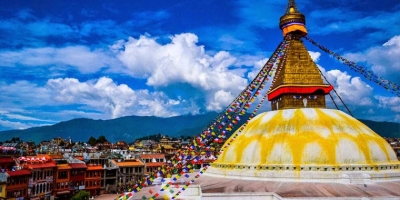
Luxury Tour in Nepal with Asiana Treks and Tours: A Premier Experience. Nepal offers a unique blend of natural beauty, cultural richness, and world-class luxury, making it a top destination for high-end travellers. Asiana Treks and Tours takes luxury travel in Nepal to a new level, offering personalised experiences that combine adventure, culture, and comfort.The Luxury Nepal tour packages provide exclusive access to the country's finest experiences. From stays in 5-star hotels and charming boutique hotels to gourmet dining experiences, each moment is crafted to offer the best of Nepal with unmatched elegance.Asiana's private guided tours are a testament to our commitment to providing an exclusive experience. These tours allow you to explore the country at your own pace with dedicated, expert guides. Whether you're interested in luxury cultural tours in the bustling cities or scenic treks through the Himalayas, you'll have a customised itinerary. Options include luxury trekking in Nepal, such as the Luxury Annapurna trekking package, which blends the excitement of hiking with premium accommodations and services.For an unforgettable aerial experience, the Luxury Everest helicopter tour is a highlight, providing panoramic views of the world's highest peaks. Adventure seekers can also enjoy luxury adventure tours, such as Nepal's luxury wildlife safaris, which allow you to witness Nepal's rich biodiversity while staying in high-end lodges.Beyond adventure, Asiana Treks and Tours caters to relaxation and rejuvenation with Nepal luxury yoga and wellness retreats and stays at luxury spa resorts. Honeymooners can indulge in Nepal luxury honeymoon packages designed for romance and seclusion, while private charter flights and luxury transportation in Nepal ensure smooth and stylish travel.Asiana also offers a variety of experiences to cater to different traveller preferences. From Kathmandu luxury city tours, exploring the capital's historical and cultural landmarks, to luxury heritage tours that take you to UNESCO sites, our Nepal luxury holiday packages offer a blend of culture, relaxation, and adventure, ensuring every traveller's preferences are met to the highest standards.With Asiana Treks and Tours, a luxury tour in Nepal becomes a journey of exclusivity, comfort, and discovery, all set against the backdrop of the majestic Himalayas.Reasons to Choose the Luxury Tour in Nepal:Five-Star Accommodations: Stay in premium five-star hotels, such as the Hyatt Regency Hotel in Kathmandu, Temple Tree Resort and Spa or Atithi Resort and Spa in Pokhara, and Barahi Jungle Lodge or Greenpark Chitwan, which offer unparalleled comfort and luxury.Exclusive Scenic Views: From Sarangkot, enjoy breathtaking sunrise views over the Himalayas, offering memorable vistas of peaks such as Annapurna, Machhapuchhre, and Lamjung.Cultural Exploration in Kathmandu: Visit UNESCO World Heritage sites, including ancient temples, stupas, and Durbar Square, to experience the spiritual and historic essence of Nepal's capital.Luxurious Relaxation and Wellness: Rejuvenate with premium spa services, wellness retreats, and serene mountain settings at the country's top luxury resorts.Wildlife Safari Adventure in Chitwan: Embark on a top-level safari in Chitwan National Park at Bahari Jungle Lodge or Green Park, where you can spot rare wildlife such as tigers, rhinos, and elephants in ultimate comfort.Personalised Itinerary and Services: Benefit from personalised guides, luxury transfers, and a tailored itinerary for a hassle-free, bespoke travel experience.Authentic Gourmet Cuisine: Savour Nepali dishes and premium culinary experiences across all luxury accommodations.Panoramic Mountain Views and Sunrise Moments: Witness stunning Himalayan sunrises from high-altitude hill stations, a perfect blend of nature and tranquillity.A blend of Adventure and Serenity: Combine thrilling activities like paragliding and boating in Pokhara with the peaceful hilltop ambience of destinations like Bandipur and Namobuddha.Ideal for Luxury Seekers: This Tour is crafted for travellers who desire high-end comfort while exploring Nepal's cultural, natural, and adventure highlights in style.Luxury Tour in Nepal Route:This eight-day Luxury Tour begins with a cultural sightseeing experience in Kathmandu. Next, travellers head on a scenic Mountain flight to the eastern Himalayan range, including Mt Everest. From there, guests travel to Pokhara Lake City. The following morning, they go to Sarangkot, a top location for sunrise and sunset views over the Annapurna range. After Sarangkot, the TourTour returns to the beautiful lake city of Pokhara, where visitors can enjoy boating on Phewa Lake, paragliding, zip-lining, bungee jumping, hot air ballooning, and ultralight flights. The next day, have breakfast in Pokhara; continue by Flight from Pokhara to Bharatpur, then drive to a hotel for safari activities to observe diverse mammals, birds, and vegetation in Chitwan National Park. After Chitwan, The Tour concludes with an evening return to Kathmandu, with departure planned for the next day according to the guests' flight schedule.Luxury Tour Booking:Asiana Treks and Tours is Nepal's best and most trusted trekking and tour company; we require a 10% advance payment to book your trip. You'll need to send us a copy of your passport, photos, travel, and flight details as soon as you book a tour with us. You can use bank transfer or another method like Western Union, or pay online via our website, which is easy. The remaining trip cost can be paid upon arrival in Nepal. Last-Minute Booking:If you can't book in advance with your family or friends, we offer last-minute bookings. Full payment is required before your departure. While we do our best to accommodate last-minute bookings, delays may occur due to unforeseen events. We understand as a responsible Treks and Tours company. Advantages of booking a tour with Asiana Treks and Tours:Trip briefing on Facebook and online if you love to connect. Private transport for airport transfers to/from your hotel.Last-minute booking at your hotel at a suitable time after your arrival.Easy booking and reservation system.Multi-channel communication via Email, WhatsApp, Facebook, Viber, Skype; 24/7 phone communication at +977-9851076270Free excess luggage storage during the Trek and TourPulse oximeters for monitoring blood oxygen saturation at high altitudes to detect altitude sickness earlyMedical kits along the Trek and hot airbags are available in winterArrange sleeping bags, duffel bags, down jackets, and walking poles if needed.Itinerary of Luxury Tour In Nepal:Asiana Treks and Tours offers the best Nepal Highlight Tour itinerary, perfect for travellers who want to experience Nepal quickly with average physical fitness. This carefully crafted Itinerary takes you through Nepal's top destinations, offering a balance of culture, relaxation, and adventure. You'll begin with sightseeing in Kathmandu's World Heritage sites, where you'll discover the rich history and spirituality of ancient temples and landmarks. Then, enjoy a peaceful stay in Pokhara, known for its serene lakes and stunning mountain views. From there, you'll experience the Best Sunrise panoramic views of the Himalayas from Sarankot. Finally, embark on a thrilling journey to Chitwan National Park, where you'll spot rare wildlife, including the one-horned rhino and the Royal Bengal Tiger, making this a truly unforgettable adventure.Luxury Tour in Nepal with Asian Treks and Tours:The High Altitude of Luxury Tour in Nepal offers an exciting journey through some of Nepal's most stunning landscapes without reaching extreme elevations. Ideal for travelers with average fitness levels, this TourTour stays below 1600 meters (5249 feet), allowing visitors to explore lush green hills, amazing Rice and millet-cultivated terraces, scenic lakes, and breathtaking views of the Himalayas. It also provides a gateway to renowned trekking routes in the Annapurna region, such as the Mardi Himal Trek, the Ghandruk Poonhill Trek, and the Annapurna Base Camp trek. This TourTour combines Nepal's high-altitude scenery with a genuine countryside village experience.Luxury Tour in Nepal round trip distance:The Distance of the Luxury Tour in Nepal is approximately 531 kilometres (or around 330 miles) round trip. The journey covers multiple scenic routes: Kathmandu to Pokhara (204 km); from Pokhara to Sarangkot (10 km); from Pokhara to Chitwan Sauraha (153 km); and finally, 163 km from Chitwan back to Kathmandu. We are taking flights from Kathmandu to Pokhara, from Pokhara to Chitwan, and from Chitwan to Kathmandu. However, suppose the weather conditions worsen, and we miss our travel itinerary. In that case, we will use luxurious, private ground transportation to continue our travel plans based on our group size. Luxury Tour in Nepal Cost with Us:The cost of our Luxury Hill Station Tour package is reasonable. The luxury tour in Nepal typically ranges from $4,950 to $8,675 for accommodations. These prices vary based on group size, service level, transportation mode, and accommodation category preferences, allowing you to tailor your experience to suit you. This cost is an estimate for solo travellers. However, if you travel with more than one person, you can receive a significant discount; please contact us via email.Best Viewpoints of the Super Luxury Hill Station Tour:Swayambhunath Stupa (Monkey Temple): Set atop a hill in Kathmandu, Swayambhunath offers panoramic views of the Kathmandu Valley and the surrounding mountains. Known for its peaceful and Serene atmosphere, fluttering prayer flags, and iconic stupa, it's an essential stop to experience Kathmandu's charm.Pokhara: While boating on Phewa Lake in Pokhara, you can see the Annapurna range, including Machhapuchhre, reflected in the tranquil lake waters. This unique perspective merges serene waters with mountainous grandeur. Sarangkot: Sarangkot is renowned for one of the Annapurna massif's best sunrise and sunset views. This Luxury tour offers a stunning vantage point to watch the morning light spread across the Annapurna range, including Machhapuchhre (Fishtail), Lamjung, and Dhaulagiri. Tiger Mountain Lodge or Annapurna View Hotel offers an ideal sunrise experience with uninterrupted Himalayan vistas.Chitwan National Park Viewing Towers: Explore Chitwan's unique landscape through viewing towers that offer scenes of the lush park and its wildlife. These towers provide an exciting vantage point for spotting animals in their natural surroundings, adding a thrill to your wildlife safari.Important places of Luxury Tour in Nepal:Kathmandu: These Main destinations, such as the Luxury Tour in Nepal, showcase Nepal's unique blend of cultural heritage, natural beauty, and adventure. Explore UNESCO World Heritage Sites like Swayambhunath, Pashupatinath, and Patan Durbar Square.Pokhara: Discover the serene Phewa Lake, Davis Falls, Temple Monastery, and Mountain Museum. Chitwan National Park: Experience a jungle safari to spot one-horned rhinos, Bengal tigers, and other wildlife. Reasons to choose the Luxury Tour:Diverse Destinations: This Tour covers Kathmandu's ancient heritage, Pokhara's scenic lakes and panoramic mountain views, and the unique wildlife in Chitwan National Park, offering a well-rounded experience of Nepal's highlights.Cultural Immersion: Visit UNESCO World Heritage Sites, ancient temples, and monuments to immerse yourself in Nepal's rich cultural and historical heritage.Scenic Mountain Views: From Sarangkot, enjoy stunning views of the Annapurna and Dhaulagiri ranges and relax in Pokhara's tranquil lakeside setting.Adventure and Wildlife: For an unforgettable adventure, take part in jungle safaris and witness Nepal's exotic wildlife, including the one-horned rhino and Bengal tiger.Flexible Itinerary: Designed for travellers of all fitness levels, this TourTour offers options for hiking, relaxing, and engaging in additional activities tailored to personal preferences.Professional Guides: Knowledgeable guides ensure a safe, informative journey, offering local insights and guidance to enhance your experience.This TourTour is ideal for those seeking an authentic experience of Nepal's nature, culture, and adventure in a short timeframe.Landscape and scenery:Nepal combines the Himalayan and Hilly regions and the flat Terai region's diverse and awe-inspiring landscape, offering a stunning array of natural scenery that attracts visitors worldwide. Nepal's landscape and scenery offer a harmonious blend of towering snow-capped mountains, Green rolling hills, alluring cascades, rushing rivers, crystal-clear lakes, lush valleys, and vibrant wildlife habitats. Whether trekking in the Himalayas, exploring ancient cities on tours, or visiting the iconic national park for jungle safaris, travellers are treated to a visual feast of natural beauty at every turn.Flora and Fauna of Luxury Tour in Nepal: Luxury Tour in Nepal is a nature lover's paradise! Hike through vibrant forests on the way to Kande and explore Chitwan National Park, known for its colourful birdlife and diverse wildlife. Discover a range of plant and animal species, and watch for rare sightings such as the one-horned rhino, the majestic Bengal tiger, and other unique bird species. This Tour provides stunning views of rolling green hills and beautifully terraced farms, offering a memorable journey through Nepal's natural wonders. With its lush jungle, Chitwan is a haven for animals and a paradise for bird enthusiasts and vegetation lovers. Festival and Culture of Luxury Tour In Nepal:Nepal is a culturally rich country known for its vibrant festivals and diverse cultural heritage. Teej, Dashain, Tihar (Deepawali) Chhat, Holi, Buddha Jayanti, Gai Jatra, Mage Sankranti, Nepali New Year (Biska Jatra), Pokhara Street festival, Elephant Polo competition, Ropai Festival (Rice Planting Special Day celebration), and many more significant festivals and cultural practices are celebrated throughout Nepal. These festivals and numerous others showcase Nepal's rich cultural diversity and spiritual traditions. Whether celebrating Hindu, Buddhist, or other cultural festivals, Nepali people unite to rejoice, honour their traditions, and strengthen community bonds.People and hospitality:Nepal is renowned for its warm hospitality and incredible cultural values. Whether you're a Foreign visitor or a local, you'll greeted with open arms and friendly smiles. Hinduism, Buddhism, and traditional customs regulate this tradition and hospitality, where guests are seen as blessings and treated with respect, generosity, and kindness. Nepali festivals are vibrant occasions filled with friendship and hospitality, reflecting the community's high regard for guests. From bustling streets to remote mountain villages, the people of Nepal exemplify a culture of warmth and generosity that welcomes all with open hearts.Communication Info about the Luxury Tour in Nepal: For our valued clients on the Super Luxury Hill Station Tour with Asiana Treks and Tours, staying connected with loved ones back home is easy and convenient. We suggest purchasing a SIM card upon arrival at the Airport for immediate connectivity. However, if you miss this at the Airport, SIM cards are also available in major cities such as Kathmandu, Pokhara, and Chitwan. While internet speeds in Asia may be slower than in Europe or the USA, Nepal has reliable coverage in almost all important locations, including all significant stops on the Nepal Experience Tour. Rest assured, you'll have no issues staying. Keep in touch with your family and loved ones throughout your journey with us. Meals during the Luxury Tour in Nepal:Nepal is renowned for its diverse dining options. From local eateries serving traditional Nepali dishes to luxury restaurants offering international cuisine, each meal is a unique experience. Quench your thirst with refreshing beverages like tea, coffee, and local juices, or indulge in soft drinks, local beers, and cocktails. As you move up to mid-range dining options, you'll discover restaurants with a broader selection of dishes, including Nepali, Indian, Chinese, and Western cuisines. Prepared with fresh ingredients and local spices, these meals offer a delightful culinary experience. You can expect Nepali, Indian, Chinese, Thai, Mexican, and Western dishes.For those seeking a more luxurious dining experience, our tour packages include access to gourmet restaurants where experienced chefs craft exquisite dishes using premium ingredients. From lavish buffets to à la carte menus, you'll enjoy a variety of culinary delights accompanied by fine wines, spirits, and cocktails, ensuring a high-quality dining experience.Internet connectivity:While on Tour in Nepal, it's always good to connect with your family and friends. You can find internet access at all hotels and restaurants, but our package signal is slower than in Europe and the USA. You can also get internet access using a local SIM card and data packages available at Kathmandu airport or nearby shops. You'll need a passport-sized photo and a copy of your passport to get a SIM card. It's a good idea to compare prices and data packages from telecom companies like Ncell and Nepal Telecom before buying. Knowing about teahouse connectivity. Our Tour guide, as well as the Hotel staff, will suggest you connect. The Nepal Luxury Tour starts in Nepal:The eight-day Luxury Tour begins with a warm welcome in Kathmandu. Upon arrival at Tribhuvan International Airport, you'll be greeted by the Asiana Treks and Tours team and escorted to your hotel, ensuring a comfortable start to your journey. After a brief trip orientation, the adventure begins with a guided tour of Kathmandu's UNESCO World Heritage sites. The following day, you'll travel to Pokhara, enjoy scenic landscapes, and continue with an overnight stay at Australian Camp, which offers panoramic mountain views. This immersive Tour combines cultural exploration, countryside hikes, and a wildlife safari in Chitwan National Park, providing a memorable introduction to Nepal's diverse wonders. Transportation in Luxury Tour In Nepal:We at Asiana Treks and Tours tailor our transportation arrangements to the specific needs of your group size, ensuring optimal comfort and convenience throughout your journey. Whether you're starting a short day trip or a multi-day round tour, we provide the best transportation solutions to meet your requirements. We offer comfortable vehicles driven by experienced drivers who are well-versed in navigating Nepal's terrain. Our extended network of comfortable cars, jeeps, SUVs, vans, and buses is ready, and Plane and heli services take you around Nepal with a safe hand. The vehicles are spacious enough to accommodate your group while ensuring a smooth and enjoyable ride.Information for Group, Private, Family, and Solo Travel:Asiana Treks and Tours offers a range of tour options to suit diverse travel preferences, including group, private, family, and solo trips. Group tours offer a budget-friendly way to experience Nepal with others, while private tours cater to those desiring a more customised itinerary. We craft specialised tours for families that accommodate travellers of all ages and groups. We ensure a comfortable and enjoyable experience. Solo travellers are also welcome; although solo tours are generally more costly, we offer options for added solo services within group tours if preferred. Our team prioritises safety, enjoyment, and memorable experiences for all clients, making each journey through Nepal truly special. If our Nepal experience tour package is unsuitable, please get in touch with us for a tailor-made trip with Asiana Tour. We can design the Itinerary according to your budget, time, and wishes.Travel StyleBest ForKey FeaturesGroup ToursBudget-conscious travellers and social explorersCost-effective travel, shared experiences, and fixed itineraries with like-minded guests.Private ToursCouples, friends, and travellers seeking flexibilityFully customised itineraries, private guides and vehicles, and personalised pacing.Family ToursFamilies with children or multi-generational groupsFamily-friendly activities, comfortable accommodations, and itineraries suitable for all ages.Solo ToursIndependent travellersDedicated support, enhanced safety, optional private services, or the opportunity to join group departures with solo upgrades. About Currency Exchange:The currency in Nepal is the Nepalese rupee (NPR), with an exchange rate of approximately 130 NPR to 1 USD. Nepal accepts various foreign currencies for exchange, including INR(Indian Rupee), USD (US Dollar), EUR (Euro), GBP (Pound Sterling), CHF (Swiss Franc), AUD (Australian Dollar), CAD (Canadian Dollar), SGD (Singapore Dollar), JPY (Japanese Yen), CNY (Chinese Yuan), SAR (Saudi Arabian Riyal), QAR (Qatari Riyal), THB (Thai Baht), AED (UAE Dirham), MYR (Malaysian Ringgit), KRW (South Korean Won), SEK (Swedish Krona), DKK (Danish Krone), HKD (Hong Kong Dollar), KWD (Kuwaiti Dinar), and BHD (Bahraini Dinar). While only NPR is accepted for transactions within Nepal, banks and ATMs in Kathmandu offer currency exchange services. Carrying newer, crisp notes is advisable, as banks generally prefer them. Extra expenses:Extra personal expenses on a Luxury Tour in Nepal depend on individual preferences. Our package covers accommodation on a B/B basis, transportation, and a guide. You'll need additional funds for lunch, dinner, and entrance fees to heritage sites (except in Chitwan National Park, where a two-night stay is fully included). For those who enjoy beverages like beer, cold drinks, or fresh juices or plan to purchase local handicrafts and souvenirs, a daily budget of around US$ 35 to 55 should be sufficient. However, costs may vary if you opt for five-star or luxury hotels, potentially doubling daily expenses. This improvement allows you to adjust your budget to your needs and fully enjoy your experience in Nepal. Accommodation:We will be accommodated at Hyatt Regency Hotel Kathmandu, Temple Tree Spa Pokhara, Atithi Resort and Spa, and Green Park or Barahi Jungle Lodge Chitwan. During the Luxury Tour, your accommodation will provide High-end comfort. Two people share rooms. A single supplement will be provided upon request at an additional cost. We carefully select a comfortable three-star-rated hotel to ensure a pleasant and restful stay throughout your TourTour, with full amenities and a cosy atmosphere, in the best locations. Meals during the trip:Eating well has been essential since the Luxury Tour. You'll have plenty of nutritious meals in the tour spot. Breakfast will be served in the hotel where we stayed for the entire Tour. However, such hotels offer a variety of options. You'll get nine breakfasts, three lunches, and four dinners during the Nepal highlight TourTour. The menu includes local, Asian, and Western dishes. Try popular Nepali foods like lentils, Rice, curry, dumplings, noodles, spaghetti, and many more. We highly recommend eating fresh vegetables and drinking beverages such as green tea, lemon tea, hot lemon, ginger tea, and soup, especially during the Tour. While non-vegetarian options are available during the Tour, please let us know if you have any dietary restrictions or food allergies. We will tell our guide to avoid them. Typically, alcoholic drinks and extra beverages at lodges or cafes aren't included in the package. Electric Voltage and Plug Luxury Tour in Nepal:Nepal's standard electrical voltage is 230 volts with a frequency of 50 Hz. The country primarily uses type C and M electrical plugs with two round pins. Ten-Day Super Luxury Hill Station Tour travellers should know this when packing their electronics. Bring a universal travel adapter to ensure your devices can be charged without issues. Most hotels and accommodations provide power outlets compatible with these plug types, allowing you to keep your devices charged and ready for use throughout your journey. Additionally, it's a good idea to carry a power bank, especially during tours or remote stays, to ensure you always have access to power when needed.Trip Extension Policy Luxury Tour in Nepal:Suppose you have extra days in Nepal after the Tour. In that case, we can arrange a tour or an overnight stay at another good destination, such as Nagarkot, Balthali, or any other place around Kathmandu, and go paragliding, rafting, canyoning, or take short treks. Do not hesitate to inform us. We will create the best for you. Responsible Treks and Tours Company:As a responsible treks and tours company, we are committed to minimising our environmental impact while supporting the local communities in the regions we explore. Our commitment to responsible travel means prioritising sustainable practices, such as waste reduction, eco-friendly accommodations, and respectful engagement with local cultures. We work closely with organisations such as the Kathmandu Environmental Education Project (KEEP) to implement eco-friendly practices and raise awareness of conservation in trekking regions. By choosing our treks and tours, you join us in promoting sustainable travel and helping to preserve Nepal's natural beauty and cultural heritage for generations to come. Gratitude (Tips):In Nepal, tipping is expected in restaurants and cafes, which is around 10% of the bill. Tipping drivers, porters, guides, and other trekking staff is also standard. For private drivers, a tip of $ 5 to $10 is typical, depending on the journey's length. Tips for the trekking crew are often Mutual and reflect the group's satisfaction with their service. Tipping is a cultural gesture of appreciation for quality service in Nepal. While the amount is up to you, we suggest a group, private, or solo tip at the end of the trip. End of the Tour:On the ninth day, you'll journey back to Kathmandu from Chitwan by bus, a scenic drive that takes around six hours. For an additional cost, you can also fly from Bharatpur to Kathmandu. In the evening, we'll celebrate with a special farewell dinner in Kathmandu. Departure:Please let us know your flight details on your departure day; we'll pick you up from your hotel and transfer you to Tribhuvan International Airport on time for your flight. We hope you've had an unforgettable experience on the Nepal tour and will consider returning with more friends for future adventures in Nepal! Feedback:After you complete the Luxury Tour in Nepal, we'll organise a farewell dinner in Kathmandu and present you with a Tour achievement certificate. After the dinner, you can provide feedback about the Tour on travel portals. Special Note: Please remember that unforeseen circumstances, such as inclement weather or unavailable lodging, may alter the schedule. Your trip guide will design a fresh schedule based on the group's interests in such circumstances.
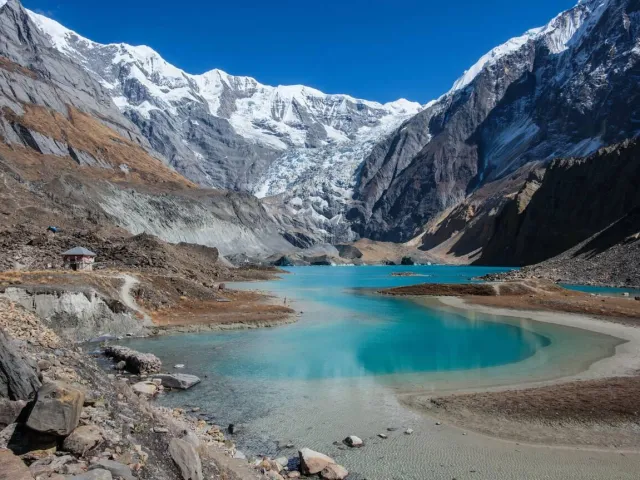
The Annapurna North Base Camp Trekking Package by Asiana Treks and Tours is a unique and off-the-beaten-path journey for adventure seekers aiming to explore the untouched northern side of the majestic Annapurna range. Unlike the popular southern base camp route, this trek takes you through remote villages, scenic valleys, and dramatic landscapes leading up to the base of Annapurna I (8,091m) from the north side. With a perfect blend of culture and nature, trekkers will experience rural life, traditional Magar villages, and panoramic mountain views rarely seen by mainstream trekkers. This package includes full support from professional guides, accommodation in local lodges, and transport arrangements from Kathmandu to Pokhara and onwards. It is ideal for seasoned trekkers who seek solitude, authenticity, and the raw beauty of the Himalayas. Asiana Treks and Tours ensures safety, sustainability, and an enriching cultural encounter. Highlights: Rare and scenic northern route to Annapurna I Local village homestays and cultural immersion Fully guided with logistics and transportation includedAnnapurna North Base Camp Trek Itinerary:The Annapurna North Base Camp Trek Itinerary is a carefully curated 15-day plan that balances trekking, acclimatisation, and cultural exploration. Starting from Kathmandu, the journey continues to Pokhara, then a scenic drive to Ulleri. The trail progresses through Ghorepani, the famous Poon Hill viewpoint, and onward through less-travelled villages like Narchang, Sandhikharka, and Hum Khola before reaching the serene Annapurna North Base Camp (4,190m).After enjoying the base camp's surreal beauty, the return trail retraces through Sandhikharka and Narchang, then takes a drive to Tatopani, where trekkers can relax in the natural hot springs. The trek ends with a drive to Beni, and finally back to Pokhara and Kathmandu. The itinerary allows time for rest, acclimatisation, and photo opportunities, making it ideal for moderately experienced trekkers. Trek Itinerary Snapshot:Day and PlaceAltitude (Meters / Feet) Distance (Km / Miles) Day 1: Pokhara - Upper Narchang 1,160 m / 3,805 ft 98 km / 60.8 mi Day 2: Upper Narchyang -Chotepur 2,369 m / 7,772 ft 14.5 km / 9 mi (approx) Day 3: Chhotepur to Sandhi Kharka ,165 m / 10,384 ft 10 km / 6.2 mi Day 4: Sandhi Kharka -ANBC 4,190 m / 13,747 ft 7 km / 4.3 mi Day 5: Return to Sandhi Kharka 3,165 m / 10,384 ft 7 km / 4.3 mi Day 6: Sandhi Kharka - Thulo Bugin 3,500 m / 11,482 ft 8 km / 5 mi Day 7: Trek to Lete 2,010 m / 6,594 ft 12 km / 7.5 mi Day 8: Drive from Lete to Pokhara 822 m / 2,697 ft 123 km / 76.4 mi Annapurna North Base Camp Trek Distance:The Annapurna North Base Camp Trek typically covers approximately 55 to 65 kilometres (34 to 40 miles). This distance may vary slightly based on your exact starting and ending points, chosen campsites, and any side trails taken. Due to its remote location and limited infrastructure, the trail remains relatively less trodden, adding to the journey's uniqueness.Distance Overview in Points:The trek begins after a drive from Pokhara to Tatopani (98 km).From Tatopani, trekkers gradually ascend through Upper Narchyang, Chhotepa, and Sandhi Kharka, and finally reach the Annapurna North Base Camp at 4,190 meters.The return route descends via Thulo Bugin and Lete, concluding with a 127 km drive back to Pokhara.Tatopani to Upper Narchyang (Trek) – Approx. 5–6 kmUpper Narchyang to Chhotepa – 9 km / 5.5 milesChhotepa to Sandhi Kharka – 10 km / 6.2 milesSandhi Kharka to Annapurna North Base Camp – 7 km / 4.3 milesReturn route via Thulo Bugin to Lete – Approx. 20–25 km (12–15 miles) combinedLete to Pokhara (Drive) – 123 km / 76.5 milesAnnapurna North Base Camp Trekking Cost 2026/2027:Trekking to the remote and pristine Annapurna North Base Camp is a unique Himalayan adventure. With Asiana Treks and Tours, the trekking cost for the 2026/2027 season ranges between USD 1,200 $1,450 per person, depending on the group size, customisation level, and selected service inclusions.This is a fully supported camping trek, offering exceptional value with personalised logistics and services that cater to comfort, safety, and cultural immersion in a remote environment.This Annapurna North Base Camp Trek package includes all accommodations in Star Hotels in Kathmandu and Pokhara, traditional village homestays, and fully supported Tents. Trekkers receive three nutritious meals per day during the trek, prepared by our private cook. The cost also covers all required permits, including ACAP and TIMS. A dedicated team of licensed trekking guides, a cook, a kitchen boy, porters, and helpers ensures your safety and comfort. High-quality camping gear and cooking equipment are provided to support this remote adventure. Additionally, round-trip ground transportation from Kathmandu to Pokhara and to Tatopani or Lower Narchang is included to ensure a smooth, worry-free trekking experience.Trekking Cost Breakdown for Annapurna North Base Camp Trek: Group sizeTrek cost Per Person in US$Inclusion 1 Person (Solo Trekker) $1,555 Private guide, solo logistics, full support, Camping 2–4 Persons $1,350 Shared services, guided & supported camping 5+ Persons $1,225 Group rate with full logistical support Annapurna North Base Camp Trek Price: Asiana Treks and Tours provide the Annapurna North Base Camp Trek. This gives trekkers a clear understanding of where their money goes and what to expect in terms of cost planningEstimate the price of the North Base Camp Trek: Annapurna Conservation Area Permit (ACAP) and TIMS card.Transportation Kathmandu to Pokhara, Pokhara to Tatopani, continuing to Lower Narchang and back to Kathmandu Via Lete Covers bus/private jeep from Kathmandu to Pokhara and transfers to Ulleri and back via Beni/Tatopani.Necessary Guide & Porter Wages Includes wages, insurance, meals, and accommodations for the trekking crew.Lodges and basic teahouse stays along the trail (shared or private, based on availability).Full board meals during the trek, including tea/coffee, varying by altitude and remoteness.Miscellaneous Emergency Fund and emergency buffer.Annapurna North Base Camp Trek Altitude Guide:The Annapurna North Base Camp Trek features gradual altitude gain, which supports safe acclimatisation. Starting at Tatopani (1,160m), the trail steadily ascends through peaceful villages like Upper Narchyang, forested areas like Chhotepa, and high alpine camps like Sandhi Kharka, before reaching the maximum altitude of 4,190m at Annapurna North Base Camp. This trek minimises the risk of Acute Mountain Sickness (AMS) due to its moderate daily elevation gain. On the return route, trekkers descend via Thulo Bugin and Lete, which helps in a smooth transition back to lower altitudes. This route combines scenic diversity, cultural immersion, and safe altitude transitions—perfect for trekkers seeking an off-the-beaten-path Himalayan adventure.Key Altitude Points – In BriefThe trek starts at Tatopani (1,200 m) and gradually climbs to Annapurna North Base Camp (4,190 m).The trail allows natural altitude adjustment due to steady elevation gain.Acclimatisation-friendly with overnight stays at increasing elevations.The highest sleeping point is typically below 4,200 meters, reducing the risk of altitude sickness.The trek descends via Lete and Tatopani, offering relief after the summit.High-altitude guide meter and fit, Altitude Meter gain and loss of Annapurna North Base Camp Trek: Name of the placeAltitude in meters/ FitAltitude Gain/LossTatopani1,200 m / 3,937 ft +378 m / +1,240 ft from Pokhara Lower Nanchang1,900 m / 6,233 ft +700 m / +2,296 ft Upper Narchang2,200 m / 7,217 ft +300 m / +984 ft Chotepa2,650 m / 8,694 ft +450 m / +1,476 ft sandhikharka3,300 m / 10,827 ft +650 m / +2,133 ft Annapurna North (Base Camp4,190 m / 13,747 ft +390 m / +1,280 ft (highest point) Tholo Bugin3,800 m / 12,467 ft +500 m / +1,640 ft Lete2,480 m / 8,136 ft -1,710 m / -5,610 ft Pokhara822 m / 2,697 ft -378 m / -1,240 ft Why Choose Annapurna North Base Camp Trek? The Annapurna North Base Camp Trek is a rare gem in the world of Himalayan trekking, offering an exclusive path to the less-visited north face of Annapurna I (8,091m). Unlike the crowded southern base camp route, this trek leads you through untouched valleys, peaceful forests, and authentic Magar and Gurung villages. It’s perfect for trekkers looking to escape the popular circuits and explore the remote beauty of central Nepal. Asiana Treks and Tours specialises in guiding travellers through this pristine landscape with safety, cultural depth, and environmental responsibility in mind.With panoramic views of the Annapurna range, peaceful trails, and warm local hospitality, this route offers both physical challenge and emotional reward. The journey includes visits to Pokhara, Ghorepani, Poon Hill, Narchang, and the awe-inspiring Annapurna North Base Camp at 4,190m. Why Choose This Trek: Less crowded and more authentic route Panoramic Himalayan views from both Poon Hill and Base Camp Guided by experienced locals with full logistics support Cultural immersion in the Magar and Gurung communities Preparing for the Annapurna North Base Camp Trek:Preparation is key for a successful trek to the Annapurna North Base Camp, especially considering the varied terrain, remote paths, and high-altitude conditions. Trekkers should aim for a moderate to high level of fitness, with emphasis on endurance and cardiovascular training at least 4–6 weeks before departure. Hikes with loaded backpacks, stair climbing, and long walks will help condition your body for daily treks of 6–7 hours.Gear selection is equally important. A solid pair of trekking boots, warm clothing layers, a quality sleeping bag, rain gear, trekking poles, and a first-aid kit are essential. Asiana Treks and Tours provides a complete packing checklist and conducts a pre-departure briefing to ensure you're fully prepared. Travel insurance that covers emergency evacuation is mandatory due to the route's remoteness. Preparation Checklist: Train with cardio, stair climbs, and endurance hikes Invest in proper trekking boots and layers Ensure travel insurance covers high altitude Pack essentials: headlamp, water purifier, snacks, personal meds Use the complete gear guide provided by Asiana Treks and Tours What to Expect on the 8–11-Day Annapurna North Base Camp Adventure:The 8–11-day Annapurna North Base Camp trek is a blend of natural wonder, cultural encounters, and trekking adventure. Starting in Kathmandu, the journey continues to Pokhara and then climbs through traditional mountain villages like Ulleri and Ghorepani, culminating at the famous sunrise viewpoint of Poon Hill. From there, you leave the mainstream trails behind and head deeper into the wilderness toward Narchang, Sandhikharka, and Hum Khola.The final destination is the spectacular Annapurna North Base Camp (4,190m), where trekkers are rewarded with jaw-dropping views of Annapurna I's north face and surrounding peaks. The return path retraces through scenic villages, then includes a drive from Tatopani to Beni, and finally back to Pokhara and Kathmandu. Expect rustic accommodations, ever-changing landscapes, and heartwarming interactions with locals, all guided by the experienced team at Asiana Treks and Tours. Trek Highlights: Visit iconic locations like Ghorepani and Poon Hill Experience remote villages and untouched trails Explore diverse ecosystems from lowland forests to alpine meadows Witness Annapurna I’s dramatic north face up close Relax in Tatopani’s natural hot springs before heading home Oxygen Levels on the Annapurna North Base Camp Trail:Trekking to Annapurna North Base Camp (4,190m) involves ascending to high altitudes where oxygen levels naturally decrease. At sea level, oxygen saturation is 100%, but at base camp, it drops to around 60–65%, making it essential for trekkers to acclimatise gradually. The itinerary by Asiana Treks and Tours is specifically designed to allow for safe altitude gain, with overnight stays at villages such as Ghorepani (2,850m), Sandhikharka (3,300m), and Hum Khola (3,700m) before reaching base camp.To adapt to lower oxygen, trekkers are advised to maintain a slow pace, stay hydrated, and avoid alcohol. AMS (Acute Mountain Sickness) symptoms, such as headache, nausea, or dizziness, can occur if altitude is gained too quickly. Asiana Treks and Tours' guides are trained in high-altitude first aid and carry oximeters to monitor your oxygen levels regularly. Quick guides: Oxygen level at 4,190m is ~60–65% of sea level Acclimatisation days are built into the itinerary Guides carry pulse oximeters and altitude medicine Hydration and slow ascent are key to safety Major Villages and Scenic Viewpoints on the Annapurna North Route:The Annapurna North Base Camp Trek is rich in authentic Himalayan culture and stunning scenery. The route takes you through picturesque villages like Ulleri, known for its long stone staircase and Magar community, and Ghorepani, a bustling trekkers’ hub. From Poon Hill (3,210m), trekkers witness a magical panorama of the Annapurna and Dhaulagiri ranges during sunrise, making it one of the most memorable moments of the trek.As the trail veers off the main route, you'll encounter Narchang, a peaceful hamlet near waterfalls, and Sandhikharka, a secluded village offering breathtaking views of Mt. Nilgiri and the Annapurna Massif. The final highlight is Annapurna North Base Camp, where towering peaks surround you in a dramatic amphitheater of rock and ice. These spots provide insight into local life while showcasing Nepal’s diverse mountain terrain. Key Villages & Viewpoints: Ulleri: Gateway village with scenic terraced fields Poon Hill: Iconic sunrise viewpoint at 3,210m Narchang & Sandhikharka: Remote, cultural, and scenic Base Camp (4,190m): Panoramic views of Annapurna I’s north face Flora and Fauna of the Annapurna North Base Camp Trail:The Annapurna North Base Camp trail is a biodiversity hotspot, with ecological zones ranging from lush subtropical forests to alpine tundra. The lower regions around Ulleri and Ghorepani are covered in vibrant rhododendron forests, especially stunning during spring (March–April). Ferns, orchids, pine, and oak trees thrive in the mid-hills, while higher elevations near Hum Khola and base camp support hardy alpine vegetation such as dwarf junipers and medicinal herbs.Wildlife along this route includes Himalayan Tahr, langurs, musk deer, and, if you're lucky, glimpses of the elusive snow leopard or red panda in the more secluded forest areas. Birdwatchers will also enjoy spotting species such as the Himalayan Monal (Nepal’s national bird), eagles, and Himalayan vultures. Asiana Treks and Tours emphasises eco-friendly trekking practices to help preserve this delicate ecosystem for future generations. Wildlife & Flora Highlights: Rhododendron blooms and alpine meadows Musk deer, Himalayan Monal, and langurs Snow leopard habitats are in higher elevations Diverse forest ecosystems from subtropical to alpine Festivals and Local Culture Route:The Mristi Khola Route, leading to Annapurna North Base Camp, offers a unique cultural journey through lesser-known villages such as Narchang, Sandhikharka, and Hum Khola. These settlements are predominantly inhabited by Magar and Gurung communities, whose rich traditions and colourful festivals bring the trail to life. Throughout the year, trekkers might witness traditional celebrations such as Maghe Sankranti (harvest festival), Tihar (festival of lights), or Losar (Tibetan New Year), depending on the season of travel.Cultural elements are visible in the architecture of stone houses, the use of local costumes, and the rhythm of folk songs and dances. As you travel along this quiet Himalayan corridor, Asiana Treks and Tours ensures respectful engagement with local communities. They often organise homestays or village tours that allow trekkers to share meals and learn customs directly from the people. Cultural Highlights: Experience Magar and Gurung traditions first-hand Attend seasonal festivals if visiting during festival months Participate in homestays and local village life Traditional dances, foods, and rituals along the trail Why Book with Asiana Treks and Tours for Annapurna North Base Camp:Booking your Annapurna North Base Camp Trek with Asiana Treks and Tours means choosing professionalism, safety, and deep local knowledge. Unlike generic agencies, Asiana specialises in off-the-beaten-path Himalayan routes, offering fully supported treks through remote areas such as Mristi Khola, Sandhikharka, and Hum Khola, which require specialised logistical planning. Their team consists of licensed, experienced local guides who know the terrain, culture, and emergency protocols.Asiana also offers custom itineraries based on your pace and interests, with full transparency in pricing. From the moment you arrive in Kathmandu, the company takes care of permits, lodging, meals, transport, and porter services—allowing you to focus solely on the journey. Their commitment to eco-tourism and community support ensures your trek benefits both the environment and the people you meet. Why Choose Asiana Treks and Tours:Experienced in remote routes like Annapurna North Trusted, government-licensed guides and porters Custom itineraries and transparent pricing Strong focus on safety, sustainability, and local benefit How to Book the Annapurna North Base Camp Trek:Booking your Annapurna North Base Camp Trek with Asiana Treks and Tours is straightforward and can be done either online or in person upon arrival in Kathmandu. Their website offers an easy-to-use booking form that lets you select the trekking season, group size, and additional services such as private porter support or accommodation upgrades. A small deposit typically confirms your spot, with the remaining balance due before the trek begins.Once booked, you’ll receive a pre-departure information pack containing a gear checklist, itinerary, and travel advice. If needed, Asiana Treks can also assist with hotel reservations in Kathmandu or Pokhara, airport pickups, and even flight bookings. Their responsive team is available by email or phone to answer any questions and assist with visa requirements or insurance recommendations. Booking Process: Book online or in person at the Kathmandu office Flexible dates with guaranteed departures for small groups Deposit required to confirm, balance paid before the Trek Get a full briefing, packing list, and travel assistance after bookingAnnapurna Region Trekking: Guides, Tips & Himalayan AdventuresDiscover the beauty of Nepal’s Annapurna region with Asiana Treks & Tours. Explore breathtaking mountain landscapes, authentic local culture, popular trekking routes, and practical tips to help you plan an unforgettable Himalayan adventure.Annapurna Base Camp vs Everest Base Camp: The Best TrekTrekking Equipment List for Asiana Treks & ToursTrekking Permit Requirements for Different Regions in NepalBest Sunrise and Sunset Destinations in NepalTop Successful Trek for Beginners – Annapurna Base CampMost Popular Trek with High Success Rate – Annapurna Base Camp Trek (ABC) TrekHow to Prepare for the Annapurna Base Camp Trek (Gear, Fitness & Tips)Ghorepani Poon Hill Trek GatewayTop 26 Annapurna Region Trekking Packages in Nepal – The Ultimate GuideTadapani Diaries: One Magical Night in the MountainsDiscovering Ghandruk: A Peaceful Village in the Heart of NepalTrekking the Best of Annapurna: Poon Hill to Mardi HimalWhy Chhomrong is the Heart of the Annapurna Base Camp TrekAnnapurna Base Camp (ABC) & Machhapuchhre Base Camp (MBC) Trek: Two Base Camps, One Incredible JourneyExploring Sinuwa on the Annapurna TrailDeurali: A Peaceful Mountain Village on the ABC TrailBamboo: A Hidden Gem of the ABC TrekDovan Nepal: Peaceful Stopover on the Annapurna Base Camp TrailHimalaya Village: A Quiet Haven on the Way to Annapurna Base CampDhampus Village – Annapurna Classical Alternative GatewayPothana: The Alternative Gateway to Annapurna Base Camp and Mardi HimalBest Camping and Overnight Stays: Australian Camp & Mardi Himal TrekList of Hotel in Mardi Himal Base Camp TrekTrekking to Low Camp: A Peaceful Path to Mardi HimalForest Camp Adventures: Exploring the Mardi Himal Trek in NepalHigh Camp on the Mardi Himal Trek | Views, Altitude & Trekking GuideDiscovering the Magic of Mardi Himal ViewpointTop Highlights of the Mardi Himal Trek in NepalBest Time to Trek Mardi Himal: Tips for Perfect ViewsA Beginner’s Guide to the Mardi Himal Trek in NepalSurprising Facts About the Mardi Himal TrekEssential Guide to Mardi Himal Trekking Permits in NepalMardi Himal Trek Info: Elevation, Altitude, Height and WeatherMardi Himal Trek Accommodation and Food TipsBest Time to Trek Annapurna Base Camp in NepalTop Highlights of the Annapurna Base Camp TrekFood and Accommodation on the ABC Trek: What It’s Really LikeAltitude Tips for a Safe Annapurna Base Camp TrekAnnapurna Base Camp Permits: Costs, Process, and RequirementsTop Tips and Facts for Trekking to Annapurna Base CampAnnapurna Base Camp Trek: Elevation, Height & Temperature GuideDobato Stopover: Experiencing the Heart of the Khopra Danda RouteUpper Chistibung: What to Expect on the Way to Khopra DandaExploring Khopra Danda Ridge and Khayar LakeDiscover Swanta’s Beauty on the Khopra Danda TrailAmazing Facts About Khayar Lake in the Annapurna RegionBayeli Kharka Adventure: From Khopra Danda with Stunning ViewsKhopra Danda Trekking Guide: Cost, Permits, Meals, Lodging and Best SeasonExploring Mardi Himal, ABC, and Khopra Ridge in One Epic JourneyKhopra Khair Lake with Annapurna Base Camp Trek: A Complete JourneyKhopra Khair Lake with ABC Trek: Nature, Culture, and MountainsComplete Guide to Mohare Danda Trekking in NepalSunrise Views from Mohare Danda: What to ExpectTop Highlights of Poon Hill and Mardi Himal TrekExploring Poon Hill and Mardi Himal: A Beginner’s GuideExploring the Ghorepani Dhampus Circuit Trek in NepalAn Amazing Hike from Galeshwor to Nangi via Bans Kharka : Mohare Danda TrekkingLandruk: Gateway to the Stunning Mardi Himal ViewsMardi Himal Adventure: Exploring Badal Danda on the Siding TrekSunrise Views from Poon Hill and Mulde ViewpointsDhaulagiri Annapurna Trail: A New Alternative Trek in NepalBest Nepal Tour Packages: Adventure, Honeymoon, Senior Tours, Himalayan Highlights, Triangle & Sunrise Hill Station ToursIs It Possible to Cycle the Annapurna Circuit in Nepal?Besisahar – The Heart of Lamjung District: Gateway to the HimalayasExploring Jagat During the Annapurna Circuit TrekDharapani Village in Nepal: Where the Manaslu Circuit and Annapurna Circuit Trails Meet PointChame Village: A Peaceful Stop on the Annapurna Circuit TrekDiscover Upper Pisang: A Hidden Gem on the Annapurna CircuitExploring Lower Pisang: A Gateway on the Annapurna CircuitManang: The Heart of the Annapurna Circuit TrekYak Kharka (4,020m): A Must-Stop Village on the Annapurna CircuitThorong Phedi: Final Preparation Before Thorong La PassCrossing Thorong La Pass (5,416 m): The Highest Point of the Annapurna CircuitMuktinath in Mustang: A High-Altitude Spiritual Journey on the Annapurna CircuitJomsom (2,743 m): The Windy Valley That Connects Annapurna and Upper Mustang


 (2)
(2)  100% recommend (0)
 (0)
(0)