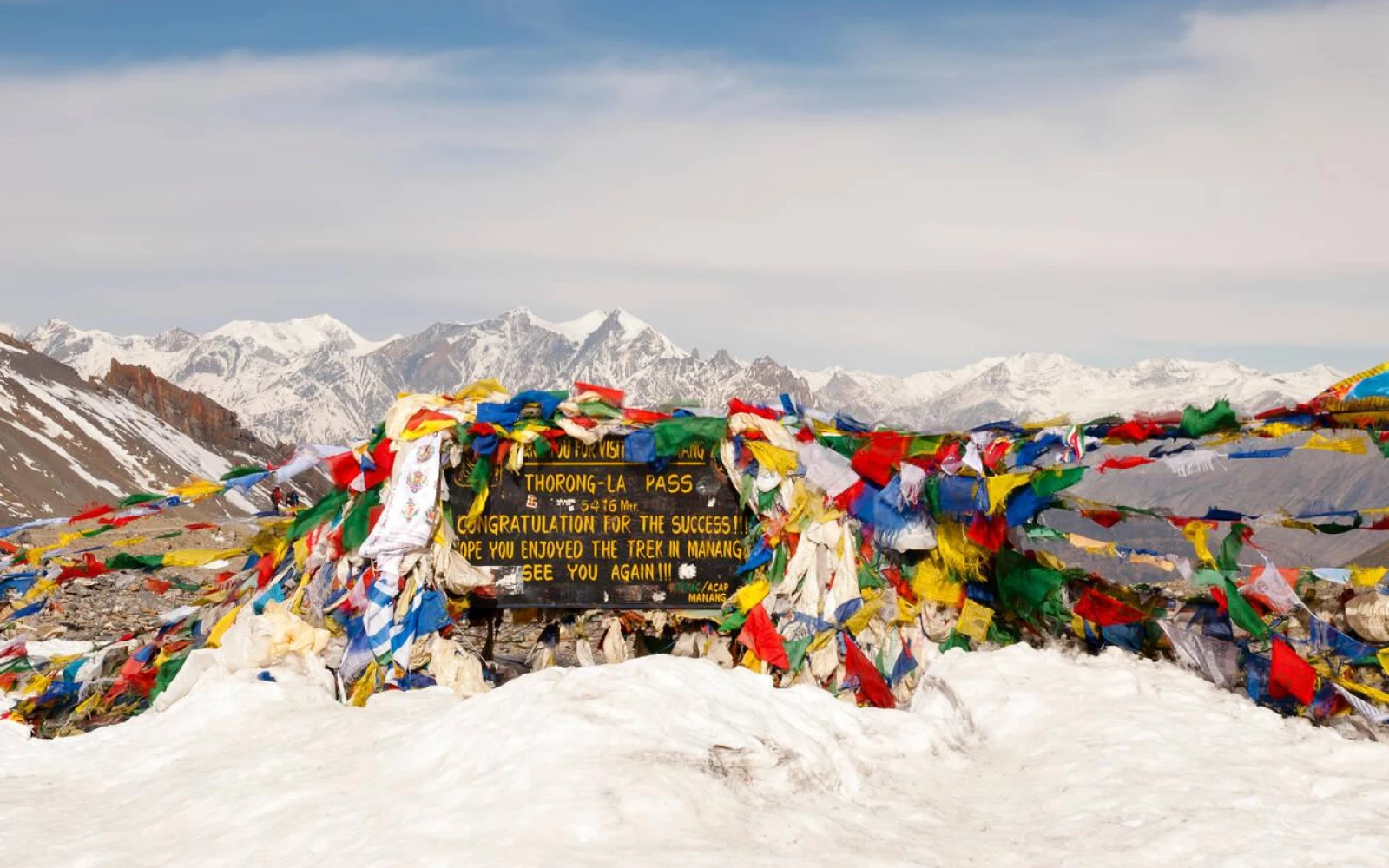
Crossing Thorong La Pass is considered one of the most thrilling achievements for trekkers visiting Nepal. Standing at an elevation of 5,416 meters (17,769 feet), Thorong La Pass is the highest point of the world-famous Annapurna Circuit Trek. The pass forms a natural connection between the beautiful Manang Valley in the east and the dry, mystical landscapes of Mustang in the west. Every year, thousands of trekkers challenge themselves to cross this high Himalayan pass and experience one of Nepal’s most iconic trekking adventures.
The journey across Thorong La Pass is not just about reaching a high altitude; it is about experiencing dramatic changes in landscapes, culture, climate, and mountain scenery. Trekkers begin in lush green valleys filled with forests and waterfalls before gradually ascending into alpine terrain surrounded by snow-covered peaks. The crossing rewards travelers with breathtaking panoramic views of the Annapurna Range, Dhaulagiri, Nilgiri, and surrounding Himalayan giants.
Asiana Treks and Tours offers professionally guided Annapurna Circuit trekking experiences with proper acclimatization schedules, experienced local guides, and personalized support to ensure a safe and unforgettable Himalayan adventure.
Highlights of Crossing Thorong La Pass
Thorong La Pass is one of the highest trekking passes in the world and a major highlight of the Annapurna Circuit Trek in Nepal. Located in the heart of the Himalayas, the pass attracts trekkers from around the globe who seek adventure, natural beauty, and cultural exploration. The crossing is physically demanding, but it remains a non-technical trek, meaning no climbing equipment or mountaineering skills are required.
The journey to the pass usually begins from Thorong Phedi or High Camp early in the morning, often before sunrise. Trekkers ascend gradually through steep rocky trails while dealing with cold temperatures and thin air. Although the hike is challenging, the sense of accomplishment upon reaching the top is extraordinary. Colorful prayer flags, snow-covered peaks, and dramatic Himalayan vistas create a truly unforgettable moment at the summit.
The importance of proper acclimatization cannot be overstated. Because oxygen levels are significantly lower at high altitude, trekkers must spend extra time adapting to the elevation, especially in Manang. Asiana Treks and Tours carefully designs itineraries that prioritize safety, acclimatization, and comfort throughout the journey.
Important Facts About Thorong La Pass
Thorong La Pass is located in central Nepal within the Annapurna Conservation Area, one of the country’s most protected and scenic trekking regions. The pass lies between Manang District and Mustang District, acting as a high-altitude gateway connecting two culturally distinct Himalayan valleys. On the eastern side, trekkers experience the fertile and Tibetan-influenced villages of Manang, while the western side opens into the dry, desert-like landscapes of Mustang.
The Annapurna Circuit route passes through diverse geographical regions, making Thorong La one of the most geographically fascinating trekking destinations in Nepal. The route features dense forests, deep river gorges, suspension bridges, alpine meadows, glaciers, and barren mountain deserts. This incredible diversity is one of the main reasons why the Annapurna Circuit is regarded as one of the best trekking routes in the world.
Trekkers generally approach Thorong La Pass after spending several days ascending through villages such as Chame, Pisang, and Manang. After crossing the pass, the trail descends toward the sacred pilgrimage site of Muktinath, an important destination for both Hindus and Buddhists.
Geographic Highlights
Thorong La Pass is famous among trekkers because it offers one of the most rewarding high-altitude trekking experiences in the Himalayas. The combination of physical challenge, breathtaking mountain scenery, cultural immersion, and personal achievement makes the crossing truly special. For many adventure travelers, reaching the summit of Thorong La Pass is a lifelong dream and a major milestone in Himalayan trekking.
Another reason for the pass’s popularity is the incredible diversity experienced throughout the Annapurna Circuit. Trekkers witness dramatic changes in landscapes, climate, vegetation, and local culture within just a few days of walking. The route also provides opportunities to interact with local Gurung, Thakali, and Tibetan-influenced communities, offering rich cultural experiences alongside natural beauty.
The panoramic mountain views from the top of the pass are among the best in Nepal. Trekkers can see Annapurna, Dhaulagiri, Nilgiri, and several surrounding Himalayan peaks stretching across the horizon. Combined with colorful prayer flags and the emotional satisfaction of completing the crossing, the summit experience becomes unforgettable.
Asiana Treks and Tours provides experienced guides, customized trekking packages, and full logistical support to help trekkers safely enjoy this world-renowned Himalayan crossing.
Reasons Why Trekkers Love Thorong La Pass
The Annapurna Circuit Trek is one of the most legendary trekking routes in Nepal and among the finest long-distance treks in the world. This spectacular Himalayan journey circles the Annapurna Massif, offering trekkers a combination of dramatic mountain landscapes, traditional villages, ancient monasteries, and diverse cultural experiences. The highlight of the trek is crossing Thorong La Pass at 5,416 meters (17,769 feet), the highest point of the Annapurna Circuit.
The trek passes through a remarkable variety of landscapes ranging from subtropical forests and terraced farmlands to alpine meadows and high-altitude deserts. Trekkers experience changing climates, local cultures, and breathtaking mountain views every day. The eastern side of the trail is greener and heavily influenced by Tibetan Buddhist culture, while the western side near Mustang features dry, rugged terrain with ancient Himalayan traditions.
Asiana Treks and Tours offers carefully designed Annapurna Circuit trekking packages that combine adventure, safety, cultural exploration, and unforgettable Himalayan scenery. Our professional guides and support team ensure that trekkers enjoy a comfortable and memorable trekking experience.
Annapurna Circuit Trek Highlights
Crossing Thorong La Pass requires both physical preparation and proper acclimatization. Although the trek does not involve technical climbing, the high altitude, long walking hours, and cold temperatures make the crossing physically demanding. Trekkers should prepare several weeks before the trek by improving cardiovascular fitness, endurance, and leg strength through hiking, walking, running, or cycling.
Mental preparation is equally important for a successful crossing. The trek includes long uphill ascents, early morning starts, and changing weather conditions. Maintaining a steady pace, staying hydrated, and listening to the guide’s instructions are essential for avoiding altitude-related problems. Proper trekking gear, such as warm clothing, trekking boots, gloves, down jackets, and sleeping bags, is highly recommended for comfort and safety.
Asiana Treks and Tours provides professional guidance on trekking equipment, altitude safety, physical preparation, and acclimatization schedules to help trekkers prepare confidently for the adventure.
Essential Preparation Tips
The best seasons to cross Thorong La Pass are spring (March to May) and autumn (October to November). During these months, the weather is generally stable, the skies are clearer, and the mountain views are spectacular. The temperatures are also more manageable compared to winter, making trekking conditions safer and more enjoyable.
The spring season brings blooming rhododendron forests, mild temperatures, and colorful mountain scenery. Autumn offers crystal-clear mountain views, dry trails, and comfortable trekking weather after the monsoon season. Both seasons are ideal for photography, trekking, and cultural experiences along the Annapurna Circuit.
Winter crossings can be dangerous due to heavy snowfall, freezing temperatures, and icy trails. Similarly, the monsoon season often brings rain, landslides, slippery paths, and poor visibility. Trekkers are advised to avoid crossing the pass during severe weather conditions unless accompanied by experienced trekking professionals.
Best Seasons for Trekking
Acclimatization is one of the most important parts of crossing Thorong La Pass successfully. Since the pass rises above 5,400 meters, oxygen levels are significantly lower than at sea level. Rapid altitude gain can lead to Acute Mountain Sickness (AMS), which can become dangerous if ignored. Common symptoms include headache, nausea, dizziness, fatigue, and shortness of breath.
To reduce the risk of altitude sickness, trekkers must ascend gradually and include acclimatization days within the itinerary. Manang is the most common acclimatization stop on the Annapurna Circuit because it allows the body to adjust before continuing toward higher elevations. Proper hydration, rest, slow walking, and avoiding alcohol are essential for safe acclimatization.
Asiana Treks and Tours prioritizes safety by designing trekking itineraries with sufficient acclimatization time and experienced guides trained in altitude awareness and emergency procedures.
Common Altitude Challenges
Acclimatization Tips
The journey to Thorong La Pass follows the classic Annapurna Circuit route through beautiful Himalayan villages, forests, and mountain valleys. Trekkers gradually gain elevation over several days, allowing the body to adjust to higher altitudes while enjoying incredible scenery and local culture.
The crossing day itself is the most challenging part of the trek. Most trekkers start before dawn from Thorong Phedi or High Camp to avoid strong afternoon winds and changing weather conditions. After reaching the summit of Thorong La Pass, the trail descends steeply toward the sacred temple town of Muktinath before continuing to Jomsom.
Typical Annapurna Circuit Itinerary
Before crossing Thorong La Pass, trekkers must decide whether to stay overnight at Thorong Phedi or continue higher to High Camp. Both locations serve as important resting points before the challenging summit push, but each offers different advantages depending on a trekker’s fitness, acclimatization, and personal preference.
Thorong Phedi, located at approximately 4,540 meters, is the lower and safer option for overnight accommodation. Many trekkers prefer staying here because sleeping at a slightly lower altitude helps reduce the risk of altitude sickness. The lodges at Thorong Phedi are generally more comfortable, and trekkers often sleep better due to the higher oxygen level compared to High Camp.
High Camp, situated at around 4,880 meters, is about one hour above Thorong Phedi. Staying at High Camp shortens the summit day and reduces the total climbing distance on the morning of the pass crossing. However, because of the higher elevation, some trekkers experience headaches, poor sleep, or symptoms of Acute Mountain Sickness (AMS). Weather conditions can also feel colder and windier at High Camp.
Asiana Treks and Tours helps trekkers choose the most suitable overnight stop based on weather conditions, physical condition, and acclimatization progress. Our experienced guides always prioritize safety and comfort before the Thorong La crossing.
Thorong Phedi Advantages
High Camp Advantages
Important Considerations
The crossing of Thorong La Pass usually begins very early in the morning, often between 3:00 AM and 4:30 AM. Starting before sunrise is essential because weather conditions in the high Himalayas become increasingly dangerous later in the day. Strong winds, snowfall, and cloud buildup are more common during the afternoon, making early departures much safer.
Trekkers use headlamps to navigate the dark mountain trail while slowly ascending through steep switchbacks and rocky terrain. The climb is physically demanding due to the altitude, freezing temperatures, and reduced oxygen levels. Most trekkers walk slowly with frequent short breaks to conserve energy and maintain proper breathing.
As the sun rises over the Himalayan peaks, the surrounding mountains begin glowing with golden light, creating one of the most unforgettable moments of the Annapurna Circuit Trek. Reaching the summit of Thorong La Pass after several hours of steady climbing brings an incredible sense of achievement and emotional reward.
Asiana Treks and Tours ensures that trekkers are fully prepared for the summit push with experienced guides, proper pacing, weather monitoring, and altitude safety support throughout the crossing day.
What Happens During Summit Day
Why Early Starts Are Important
Standing at 5,416 meters above sea level is a completely different experience from trekking at lower elevations. At Thorong La Pass, oxygen levels are nearly half compared to sea level, making even simple physical activities feel exhausting. Trekkers often notice slower breathing, reduced energy, and increased fatigue while walking uphill.
Despite the physical challenge, reaching the summit is one of the most emotional and rewarding moments of the Annapurna Circuit Trek. Surrounded by colorful prayer flags and towering Himalayan peaks, trekkers experience a unique combination of relief, excitement, pride, and awe. The dramatic mountain scenery creates a powerful sense of accomplishment that stays in memory forever.
The weather at the summit can be extremely cold, especially during early mornings. Strong winds and freezing temperatures make warm clothing essential. Many trekkers spend only a short time at the summit for photographs and celebration before beginning the long descent toward Muktinath.
Asiana Treks and Tours carefully plans acclimatization schedules and crossing strategies to help trekkers safely experience the incredible feeling of standing at one of Nepal’s highest trekking passes.
Common Feelings at High Altitude
Summit Experience Highlights
Weather conditions at Thorong La Pass can change rapidly and unpredictably. Clear mornings may suddenly turn windy, snowy, or cloudy within a few hours. Temperatures often drop below freezing, especially before sunrise and during the winter season. Because of the harsh mountain environment, trekkers must be prepared for cold winds, icy trails, and occasional snowfall even during peak trekking seasons.
The trail to Thorong La Pass is considered physically demanding but technically non-climbing. Trekkers do not need ropes or mountaineering equipment, but the long ascent, steep terrain, and thin air make the crossing challenging. The trail from Thorong Phedi to the pass involves continuous uphill climbing over rocky paths and snow-covered sections, depending on the season.
Descending from the pass toward Muktinath can also be difficult because the downhill route is steep and physically tiring on the knees and legs. Weather, altitude, and exhaustion combine to make crossing day the toughest part of the Annapurna Circuit Trek.
Asiana Treks and Tours closely monitors weather forecasts and trail conditions to ensure trekkers cross the pass during the safest possible conditions.
Weather Challenges
Trail Difficulty Factors
Recommended Gear
Safety should always be the highest priority when crossing Thorong La Pass. Proper acclimatization, hydration, pacing, and weather awareness are essential for avoiding altitude-related problems and ensuring a successful crossing. Trekkers should never rush the ascent and must pay close attention to any symptoms of Acute Mountain Sickness (AMS).
Hiring experienced local guides significantly improves trekking safety. Guides monitor weather conditions, assess trekkers’ physical condition, and provide assistance in emergencies. Trekking with a reputable company like Asiana Treks and Tours ensures proper planning, logistical support, and emergency preparedness throughout the journey.
Trekkers should also carry essential gear, maintain regular hydration, and eat enough food to sustain energy at high altitude. It is important to start early, stay warm, and avoid overexertion during the crossing day. In difficult weather conditions, flexibility and patience are critical for safe decision-making.
Essential Safety Tips
Signs of Altitude Sickness
Why Choose Asiana Treks and Tours
Cross Thorong La Pass safely and confidently with Asiana Treks and Tours and experience one of Nepal’s most unforgettable Himalayan adventures.
Altitude sickness, also known as Acute Mountain Sickness (AMS), is one of the biggest challenges trekkers may face while crossing Thorong La Pass. Because the pass rises to 5,416 meters (17,769 feet), oxygen levels become significantly lower, making it harder for the body to function normally. Even experienced trekkers can experience altitude-related symptoms if they ascend too quickly or fail to acclimatize properly.
The symptoms of altitude sickness can range from mild discomfort to serious medical emergencies. Early warning signs often include headaches, dizziness, nausea, loss of appetite, unusual fatigue, and difficulty sleeping. If symptoms become severe, trekkers may experience breathing difficulties, confusion, loss of coordination, or chest tightness. Ignoring these warning signs can be dangerous at high altitude.
Proper acclimatization, slow trekking pace, hydration, and rest are the best ways to reduce the risk of AMS. Trekkers should immediately inform their guide if they begin feeling unwell. Asiana Treks and Tours prioritizes altitude safety by including acclimatization days, experienced guides, and emergency response planning in every Annapurna Circuit itinerary.
Common Symptoms of Altitude Sickness
Serious Warning Signs
How to Prevent AMS
Packing properly for Thorong La Pass is essential because weather conditions in the high Himalayas can change rapidly. Trekkers must prepare for freezing temperatures, strong winds, intense sunlight, and possible snowfall. Layered clothing is highly recommended because temperatures can vary significantly between daytime trekking and cold mountain nights.
Comfortable trekking gear is equally important for long walking days and high-altitude conditions. Waterproof boots, thermal clothing, gloves, and a warm sleeping bag help protect trekkers from cold temperatures and harsh weather. Trekking poles can also provide extra stability on steep and rocky trails during both ascent and descent.
Asiana Treks and Tours provides trekkers with a complete packing checklist before departure to ensure every traveler is fully prepared for the Annapurna Circuit and Thorong La Pass crossing.
Essential Clothing
Trekking Equipment
Personal Essentials
The Annapurna Circuit is well known for its network of tea houses that provide food, accommodation, and basic services for trekkers throughout the journey. Local families operate these mountain lodges and offer a warm, welcoming atmosphere even in remote Himalayan villages. Tea houses become more basic as the altitude increases, but they remain an important part of the trekking experience.
Trekkers can enjoy a variety of meals along the route, including traditional Nepali dal bhat, noodles, soups, fried rice, potatoes, pasta, pancakes, and Tibetan bread. Hot drinks such as ginger tea, lemon tea, garlic soup, and coffee are especially popular at higher elevations because they help provide warmth and hydration.
Clean drinking water is essential during high-altitude trekking. Trekkers should avoid untreated water and use water purification tablets, filters, or boiled water provided by tea houses. Staying hydrated helps reduce the risk of altitude sickness and supports physical performance during the trek.
Asiana Treks and Tours carefully selects reliable tea houses with good hygiene, comfortable accommodations, and nutritious meals to ensure trekkers stay healthy and energized throughout the Annapurna Circuit.
Common Foods Along the Route
Popular Hot Drinks
Important Hydration Tips
The Annapurna Circuit and Thorong La Pass offer some of the most spectacular photography opportunities in the Himalayas. From lush valleys and traditional villages to dramatic snow-covered peaks, the trek constantly presents breathtaking landscapes. Every section of the route provides unique scenery, making the trek a dream destination for photographers and nature lovers.
One of the most iconic photography moments occurs at the summit of Thorong La Pass. Colorful prayer flags flutter against the backdrop of towering Himalayan mountains, creating unforgettable panoramic views. Sunrise during the summit push often paints the mountains in golden and pink colors, producing extraordinary conditions for landscape photography.
Other remarkable photography locations include Upper Pisang, Manang, Yak Kharka, Muktinath, and the Kali Gandaki Valley. Trekkers can capture views of Annapurna, Dhaulagiri, Nilgiri, Gangapurna, and other majestic Himalayan peaks throughout the journey.
Asiana Treks and Tours helps trekkers maximize their mountain experience by planning itineraries that allow time for scenic exploration, photography, and cultural interaction.
Best Photography Spots
Mountains Visible During the Trek
Photography Tips
The Annapurna Circuit is not only famous for mountain scenery but also for its rich cultural diversity. The trekking route passes through traditional villages inhabited by Gurung, Thakali, and Tibetan-influenced communities who have preserved their customs, architecture, and mountain lifestyles for generations.
Trekkers experience colorful Buddhist monasteries, prayer wheels, mani walls, and fluttering prayer flags throughout the route. In villages like Manang and Muktinath, Tibetan Buddhist traditions are deeply rooted in daily life. Local hospitality, traditional food, and cultural practices make the trekking experience far more meaningful than simply crossing a mountain pass.
The sacred temple of Muktinath is one of the most spiritually important locations on the Annapurna Circuit. Both Hindus and Buddhists visit this pilgrimage site for worship and spiritual purification. Visiting local monasteries and interacting with villagers offers trekkers a deeper understanding of Himalayan culture and traditions.
Asiana Treks and Tours believes that cultural experiences are an essential part of Himalayan travel. Our local guides help trekkers connect respectfully with local communities while learning about the history, traditions, and spiritual significance of the Annapurna region.
Cultural Highlights
Ethnic Communities Along the Route
Cultural Experiences
Experience the perfect combination of adventure, culture, and Himalayan beauty with Asiana Treks and Tours while crossing Thorong La Pass on the unforgettable Annapurna Circuit Trek.
After successfully crossing Thorong La Pass at 5,416 meters, trekkers begin the long descent toward the sacred village of Muktinath at 3,810 meters. Although reaching the summit is a major achievement, the descent can be equally challenging due to steep downhill trails, rocky terrain, and physical exhaustion after several hours of climbing. Many trekkers experience tired legs and knee strain during this section of the journey.
The trail descending from Thorong La Pass offers spectacular mountain views and dramatic changes in landscape. Snow-covered terrain gradually transforms into the dry and windswept valleys of Mustang. As trekkers descend, oxygen levels increase, making breathing easier and helping the body recover from the high altitude. The feeling of relief and accomplishment becomes stronger with every step toward Muktinath.
Muktinath is one of the most sacred pilgrimage sites in Nepal for both Hindus and Buddhists. Trekkers often visit the famous Muktinath Temple and surrounding monasteries before continuing toward Jomsom. The peaceful atmosphere, mountain scenery, and spiritual importance of the area create a memorable ending to the most difficult day of the Annapurna Circuit Trek.
Asiana Treks and Tours carefully plans the descent itinerary to ensure trekkers have enough time for rest, recovery, and cultural exploration after crossing the pass.
Highlights of the Descent
Challenges During the Descent
Important Tips
Crossing Thorong La Pass is a rewarding adventure, but many trekkers make avoidable mistakes that can affect their safety, health, and overall trekking experience. One of the most common mistakes is ascending too quickly without proper acclimatization. Ignoring altitude adaptation can lead to Acute Mountain Sickness (AMS), which is one of the biggest risks on the Annapurna Circuit.
Another common mistake is underestimating the weather and packing insufficient clothing. Temperatures at high altitude can become extremely cold, especially during early morning summit pushes. Trekkers who fail to carry proper thermal layers, gloves, or waterproof gear may struggle with freezing conditions and sudden weather changes.
Some trekkers also push themselves too hard physically, trying to walk too fast or skip rest days. Maintaining a slow and steady pace is essential for conserving energy and reducing altitude-related stress on the body. Poor hydration, lack of sleep, and inadequate nutrition can also negatively affect performance during the crossing.
Asiana Treks and Tours helps trekkers avoid these common mistakes through experienced guides, proper acclimatization schedules, weather planning, and personalized trekking support.
Common Trekking Mistakes
How to Avoid Problems
The Annapurna Circuit Trek can be completed either independently or with a professional trekking guide, but guided trekking has become increasingly recommended for safety, logistics, and local support. Crossing Thorong La Pass involves high altitude, unpredictable weather, and physically demanding conditions, making experienced guidance extremely valuable for many trekkers.
Solo trekking offers flexibility and personal freedom, allowing trekkers to travel at their own pace and make independent decisions along the route. Some experienced hikers enjoy the solitude and personal challenge of navigating the trail alone. However, solo trekkers are fully responsible for route planning, accommodation management, weather decisions, and emergencies.
Guided trekking provides additional safety, cultural knowledge, and logistical convenience. Local guides assist with navigation, altitude monitoring, accommodation booking, transportation, and communication with tea house owners and local communities. In case of bad weather or medical emergencies, experienced guides can make important decisions quickly and efficiently.
Asiana Treks and Tours offers professional licensed guides who are experienced in high-altitude trekking, local culture, and emergency response procedures, ensuring trekkers enjoy a safer and more enjoyable Annapurna Circuit experience.
Benefits of Guided Trekking
Challenges of Solo Trekking
Why Choose Asiana Treks and Tours
Trekkers planning to complete the Annapurna Circuit and cross Thorong La Pass must obtain the required trekking permits before entering the Annapurna region. These permits help regulate tourism, support environmental conservation, and improve trekking safety throughout the protected mountain areas.
The two essential permits are the Annapurna Conservation Area Permit (ACAP) and the Trekkers Information Management System (TIMS) Card. The ACAP permit is mandatory because the trek passes through the Annapurna Conservation Area, one of Nepal’s largest protected regions. The TIMS Card helps authorities track trekkers and improve rescue coordination in case of emergencies.
Permit checkpoints are located throughout the Annapurna Circuit, and trekkers must carry their permits at all times. Without valid permits, entry into the conservation area may be denied.
Asiana Treks and Tours assists trekkers in arranging all required permits, transportation, guides, accommodations, and trekking logistics for a hassle-free Himalayan adventure.
Required Permits
Permit Costs
Why Permits Are Important
The total cost of crossing Thorong La Pass and completing the Annapurna Circuit Trek depends on several factors, including trekking duration, transportation choices, guide services, accommodation standards, and personal spending habits. Trekkers can choose budget-friendly tea house trekking or more comfortable guided packages, depending on their preferences.
Major expenses typically include permits, transportation, accommodations, meals, guide and porter services, travel insurance, trekking equipment, and optional domestic flights. Tea house accommodations along the route are generally affordable, but prices increase at higher elevations due to transportation difficulties and remote mountain conditions.
Hiring a professional guide and porter adds additional cost but significantly improves safety, convenience, and overall trekking experience. Many trekkers also choose optional flights between Jomsom, Pokhara, and Kathmandu to save time and reduce long road journeys.
Asiana Treks and Tours offers affordable and customizable Annapurna Circuit trekking packages designed to suit different budgets, travel styles, and trekking goals.
Typical Trekking Costs
Optional Additional Costs
Budgeting Tips
Experience the adventure of crossing Thorong La Pass with confidence, safety, and expert local support through Asiana Treks and Tours, your trusted Himalayan trekking partner in Nepal.
Crossing Thorong La Pass is more than just completing a trek; it is a deeply personal and emotional journey through the heart of the Himalayas. Many trekkers describe the experience as physically exhausting yet mentally rewarding. The early morning climb through freezing temperatures, thin mountain air, and silent snow-covered trails creates a unique sense of adventure that few places in the world can offer.
As the trail slowly climbs toward the summit, every step feels heavier due to the altitude. Breathing becomes slower, and the cold mountain wind adds to the challenge. However, the incredible mountain scenery and the determination to reach the top keep trekkers motivated. Watching the sunrise over the Annapurna and Dhaulagiri ranges while colorful prayer flags flutter at the summit is a truly unforgettable moment.
For many travelers, standing at 5,416 meters is a life-changing achievement. The feeling of accomplishment, relief, excitement, and gratitude becomes overwhelming after days of trekking through remote Himalayan landscapes. The journey teaches patience, resilience, and appreciation for nature’s power and beauty.
Asiana Treks and Tours helps trekkers create these unforgettable Himalayan memories with professional guidance, personalized support, and carefully planned trekking experiences designed for safety and adventure.
Memorable Experiences During the Crossing
Emotional Rewards of the Trek
For adventure lovers and trekking enthusiasts, Thorong La Pass is absolutely worth the effort. The crossing combines dramatic mountain scenery, physical challenge, rich cultural experiences, and personal accomplishment into one unforgettable Himalayan adventure. Few trekking routes in the world offer such incredible diversity in landscapes, climate, culture, and altitude within a single journey.
The Annapurna Circuit is famous not only because of Thorong La Pass itself, but because of the entire trekking experience leading to it. Trekkers walk through lush forests, alpine valleys, Tibetan-influenced villages, sacred temples, and high-altitude deserts while surrounded by some of the highest mountains on Earth. Every day on the trail brings new scenery and new experiences.
Although the trek can be physically demanding, proper preparation and acclimatization make the journey achievable for most healthy and determined trekkers. The sense of accomplishment after reaching the summit and descending safely into Mustang makes every difficult moment worthwhile.
Asiana Treks and Tours believes Thorong La Pass is one of Nepal’s greatest trekking experiences and provides expert guidance to help travelers enjoy the adventure safely and comfortably.
Why Thorong La Pass Is Worth It
Challenges That Make It Rewarding
Crossing Thorong La Pass is a journey that challenges the body, inspires the mind, and rewards the soul. The Annapurna Circuit offers far more than a trekking route; it is an immersive Himalayan experience filled with adventure, culture, spirituality, and natural beauty. Every village, mountain view, monastery, and trail section contributes to a once-in-a-lifetime adventure.
For trekkers seeking a meaningful and unforgettable challenge, Thorong La Pass represents one of the most iconic trekking achievements in Nepal. The combination of towering mountains, ancient Himalayan culture, and the personal satisfaction of completing the crossing creates memories that last forever.
The trek also teaches valuable lessons about patience, resilience, teamwork, and respect for nature. Many travelers return home with a deeper appreciation for simple mountain life and a stronger connection to the outdoors. Whether you are an experienced trekker or a first-time Himalayan adventurer, the Annapurna Circuit has the power to inspire and transform.
Asiana Treks and Tours is proud to guide travelers through this extraordinary Himalayan journey with professionalism, local expertise, and a strong commitment to safety and authentic cultural experiences.
Inspiration for Future Trekkers
Why Trek with Asiana Treks and Tours
How difficult is crossing Thorong La Pass?
Crossing Thorong La Pass is considered physically demanding due to the high altitude and long trekking hours. However, it is a non-technical trek and does not require mountaineering experience. Proper acclimatization and physical preparation are essential for success.
Quick Facts
What is the best time to cross Thorong La Pass?
The best seasons are spring (March to May) and autumn (October to November). During these months, weather conditions are generally stable, and mountain views are clearer.
Best Seasons
Do I need a guide for the Annapurna Circuit?
Hiring a licensed guide is strongly recommended for safety, navigation, altitude management, and local support. Guided trekking also makes logistics easier and improves the overall trekking experience.
Benefits of a Guide
What permits are required for the trek?
Trekkers need the Annapurna Conservation Area Permit (ACAP) and the TIMS Card before starting the trek.
Permit Costs
How cold does Thorong La Pass get?
Temperatures at the pass can drop well below freezing, especially during early mornings and winter months. Wind chill can make conditions feel even colder.
Recommended Clothing
Can beginners cross Thorong La Pass?
Yes, beginners with good physical fitness and proper preparation can successfully complete the trek. A slow pace, acclimatization, and professional guidance are very important.
Beginner Tips
How long is the Annapurna Circuit Trek?
The full Annapurna Circuit Trek usually takes around 12 to 20 days, depending on the route, acclimatization schedule, and transportation options.
Typical Duration
Why choose Asiana Treks and Tours?
Asiana Treks and Tours provides professional trekking services with experienced guides, personalized itineraries, strong safety standards, and deep local knowledge of Nepal’s Himalayan regions.
Company Advantages
Begin your unforgettable Himalayan journey with Asiana Treks and Tours and experience the incredible adventure of crossing Thorong La Pass, the highest point of the Annapurna Circuit Trek.

Manang is one of the most spectacular Himalayan destinations in Nepal and an iconic highlight of the world-famous Annapurna Circuit trek. Located at an altitude of approximately 3,540 meters, Manang serves as the cultural and geographical center of the Annapurna region. Surrounded by snow-capped peaks, rocky cliffs, glacial rivers
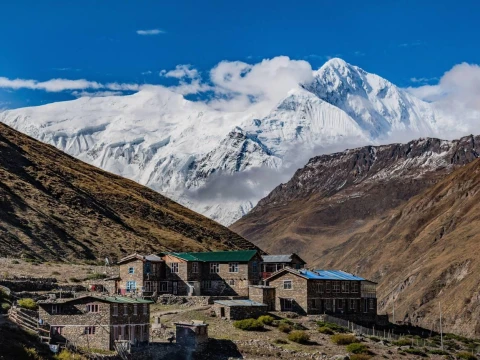
Yak Kharka is one of the most important overnight stops on the legendary Annapurna Circuit Trek. Sitting at an elevation of 4,020 meters (13,189 feet), this peaceful alpine settlement acts as a transitional point between the lower villages of the Annapurna region and the high-altitude crossing of Thorong La Pass. Trekkers traveling through
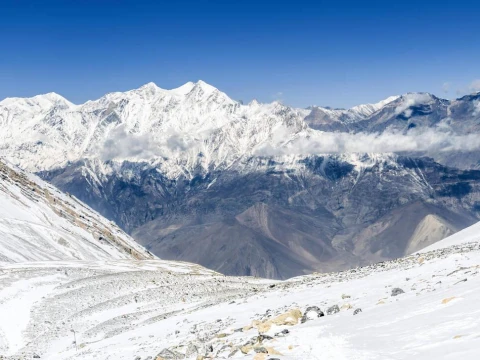
Thorong Phedi is widely regarded as the final major acclimatization stop before crossing the high Himalayan barrier of Thorong La Pass. Sitting at around 4,540 meters, it serves as a crucial staging point on the Annapurna Circuit for trekkers preparing for one of the highest and most demanding mountain passes in the world.


 (2)
(2)  100% recommend (0)
 (0)
(0)