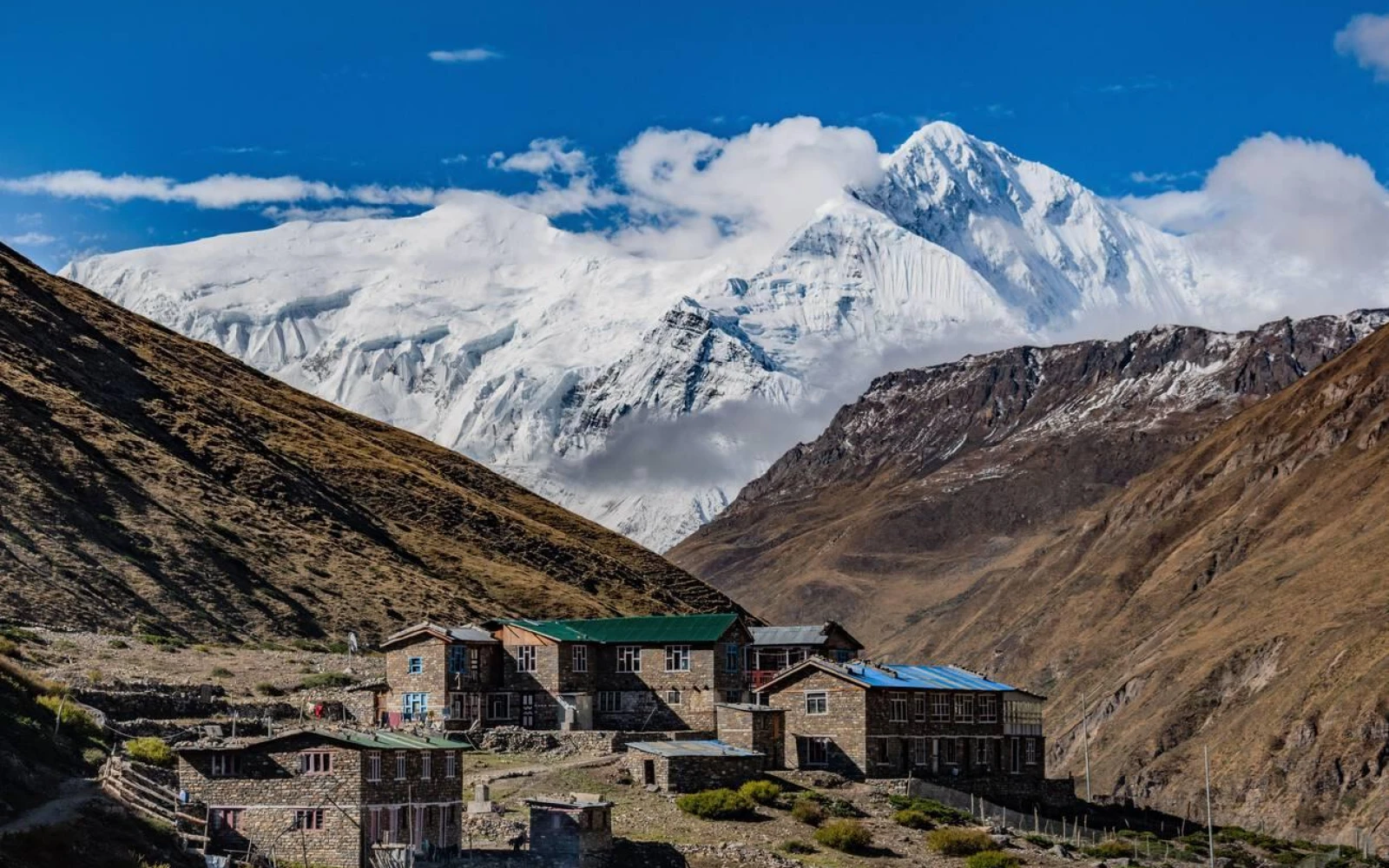
Yak Kharka is one of the most important overnight stops on the legendary Annapurna Circuit Trek. Sitting at an elevation of 4,020 meters (13,189 feet), this peaceful alpine settlement acts as a transitional point between the lower villages of the Annapurna region and the high-altitude crossing of Thorong La Pass. Trekkers traveling through the circuit often spend a night here to help their bodies acclimatize before ascending further toward Thorong Phedi and the challenging mountain pass ahead.
The name “Yak Kharka” translates to “Yak Grazing Ground,” perfectly describing the landscape surrounding the village. Wide open meadows, rocky slopes, and grazing yaks create a raw Himalayan atmosphere that feels both remote and authentic. Despite its small size, Yak Kharka offers comfortable teahouses and lodges where trekkers can rest, warm up, and enjoy spectacular mountain scenery after a demanding day on the trail.
The village is also admired for its calm environment and dramatic natural beauty. Snow-covered peaks rise in every direction, while the cold mountain air and quiet trails provide a true high-altitude trekking experience. Many trekkers describe Yak Kharka as one of the most memorable overnight stops on the Annapurna Circuit, thanks to its unique combination of isolation, scenery, and adventure.
Highlights of Yak Kharka
Yak Kharka is a small but essential Himalayan settlement that welcomes trekkers making their way around the Annapurna Circuit. After leaving Manang, the trail gradually climbs into a more rugged alpine environment, and Yak Kharka becomes the perfect resting point before entering higher elevations. The journey to the village is filled with dramatic scenery, suspension bridges, dry mountain valleys, and panoramic views of snow-capped Himalayan peaks.
Although Yak Kharka is primarily known as a trekking stop, it also reflects the traditional mountain lifestyle of Nepal’s high-altitude communities. Yaks and horses are commonly seen grazing in nearby pastures, while local lodge owners provide warm hospitality to travelers from around the world. The atmosphere is simple, peaceful, and deeply connected to the Himalayan wilderness.
Trekkers often appreciate Yak Kharka for allowing them to slow down and properly acclimatize. At this altitude, moving gradually is extremely important to reduce the risk of altitude sickness. Spending time here helps trekkers prepare physically and mentally for the demanding climb toward Thorong La Pass, one of the highest trekking passes in the world.
What Makes Yak Kharka Special?
Yak Kharka is located in the Manang District of Gandaki Province in northern Nepal. The village lies along the upper section of the Annapurna Circuit Trek, one of the world’s most famous trekking routes. Positioned between Manang and Thorong Phedi, Yak Kharka serves as a strategic resting and acclimatization point for trekkers heading toward Thorong La Pass.
The hike from Manang to Yak Kharka generally takes around 3 to 5 hours, depending on fitness level, weather conditions, and acclimatization pace. The distance is approximately 10.4 kilometers, with gradual elevation gain throughout the trail. As trekkers climb higher, the landscape changes noticeably from green forests and villages to dry alpine terrain and rocky mountain scenery.
Yak Kharka’s remote location gives it a unique charm. The area is surrounded by rugged Himalayan peaks, open grazing fields, and dramatic valleys carved by ancient glaciers. Because of its altitude and isolated setting, communication services such as Wi-Fi and mobile networks can be unreliable. Most trekkers rely on lodge connections, satellite phones, or limited internet services available in some teahouses.
Location Details
Yak Kharka plays a critical role in helping trekkers safely adapt to high altitude during the Annapurna Circuit Trek. As trekkers gain elevation beyond Manang, the oxygen level decreases significantly, increasing the risk of altitude sickness. Spending a night at Yak Kharka allows the body to gradually adjust before climbing even higher toward Thorong Phedi and Thorong La Pass.
Acclimatization is one of the most important aspects of high-altitude trekking, and Yak Kharka provides the perfect elevation for this process. Many trekkers choose to walk slowly and conserve energy while enjoying the peaceful atmosphere and mountain views. The village offers enough comfort to rest properly while still maintaining the authentic experience of trekking in the Himalayas.
Beyond its practical importance, Yak Kharka is also valued for its breathtaking natural beauty. The surrounding landscape features open meadows, rocky cliffs, snow-covered peaks, and grazing yaks that create a classic Himalayan trekking environment. The peaceful setting gives trekkers an unforgettable opportunity to connect with nature before tackling the most challenging section of the Annapurna Circuit.
The lodges and teahouses in Yak Kharka also provide essential support for trekkers. Visitors can enjoy warm meals, hot drinks, comfortable dining rooms, and basic accommodation facilities at high altitude. Some lodges even offer bakeries, gas showers, and limited charging services, making the stay more comfortable despite the remote mountain setting.
Why Trekkers Stop at Yak Kharka
The journey from Manang to Yak Kharka is one of the most scenic and rewarding sections of the famous Annapurna Circuit Trek. As trekkers leave the traditional village of Manang behind, the trail gradually climbs into a more rugged and alpine environment. The route follows narrow mountain paths, crosses suspension bridges, and passes through dry Himalayan landscapes shaped by centuries of wind and glacier activity. Along the way, trekkers are treated to breathtaking views of snow-covered peaks, deep valleys, and dramatic rocky cliffs.
The trek generally takes around 3 to 5 hours, depending on trekking pace, weather conditions, and acclimatization needs. Although the distance is relatively short, the increasing altitude makes the hike more physically demanding. Trekkers are advised to walk slowly, stay hydrated, and allow their bodies enough time to adjust to the thinner air. The peaceful trail and gradual ascent make this section ideal for acclimatization before heading higher toward Thorong Phedi and Thorong La Pass.
One of the highlights of this trek is the changing landscape. Green vegetation slowly disappears as the trail climbs higher into barren alpine terrain. The crisp mountain air, scattered yak pastures, and panoramic Himalayan scenery create an unforgettable trekking experience. Many trekkers consider this route one of the most beautiful stretches of the Annapurna Circuit because of its remote atmosphere and stunning natural surroundings.
Trek Highlights from Manang to Yak Kharka
Yak Kharka sits at an altitude of 4,020 meters (13,189 feet), making it one of the most important acclimatization stops on the Annapurna Circuit. At this elevation, oxygen levels are significantly lower compared to lower trekking regions, and the body requires time to adapt. Spending a night in Yak Kharka helps trekkers prepare for the more demanding ascent toward Thorong La Pass, which rises above 5,400 meters.
Acclimatization is essential for preventing altitude sickness, a common challenge faced by trekkers in high-altitude environments. Symptoms such as headaches, dizziness, nausea, and fatigue can occur if climbers ascend too quickly without proper rest. Yak Kharka provides an ideal stopping point because the elevation gain from Manang is gradual enough to support safe acclimatization. Trekkers often spend time resting, hydrating, and walking slowly around the village to help their bodies adjust naturally.
The cold temperatures and thinner air at Yak Kharka also give trekkers a real sense of Himalayan adventure. Nights can become extremely chilly, especially during autumn and winter trekking seasons. Despite the harsh environment, the calm atmosphere and beautiful mountain surroundings make acclimatization more enjoyable and rewarding.
Professional trekking operators like Asiana Treks and Tours carefully design itineraries that include proper acclimatization stops, such as Yak Khark, a to ensure both safety and comfort for trekkers exploring the Annapurna region.
Importance of Acclimatization at Yak Kharka
Yak Kharka is surrounded by some of the most dramatic mountain scenery in the Nepalese Himalayas. The area features wide alpine meadows, rugged cliffs, rocky slopes, and snow-covered peaks stretching across the horizon. As trekkers arrive in Yak Kharka, they immediately notice the peaceful beauty of the high-altitude landscape and the sense of remoteness that defines this part of the Annapurna region.
The panoramic mountain views from Yak Kharka are truly unforgettable. Trekkers can witness magnificent Himalayan giants rising above the valleys, especially during sunrise and sunset when golden light reflects off the snowy peaks. The dry alpine terrain contrasts beautifully with the white mountains and blue skies, creating breathtaking scenery perfect for photography and nature lovers.
Another remarkable feature of the area is its silence and untouched atmosphere. Unlike busy urban destinations, Yak Kharka offers complete immersion in nature. The fresh mountain air, grazing yaks, and endless mountain vistas create a peaceful environment where trekkers can fully appreciate the beauty of the Himalayas.
Trekkers traveling with Asiana Treks and Tours often enjoy guided experiences that help them better understand the geography, culture, and natural beauty of the Annapurna region while trekking through Yak Kharka.
Scenic Features Around Yak Kharka
The name Yak Kharka comes from the Nepali words “Yak” and “Kharka,” meaning “Yak Grazing Ground.” The village earned this name because of the large alpine pastures surrounding the area where local herders traditionally graze yaks and other livestock during warmer seasons. These hardy mountain animals are an essential part of Himalayan life and are perfectly adapted to survive in harsh high-altitude conditions.
Yaks are commonly seen around Yak Kharka carrying supplies, grazing in open meadows, or resting near trekking trails. Their thick fur and strong build allow them to thrive in cold mountain climates where other animals struggle to survive. For many trekkers, seeing these iconic Himalayan animals up close becomes one of the most memorable experiences of the Annapurna Circuit Trek.
The region around Yak Kharka also supports a variety of mountain wildlife. Trekkers may occasionally spot Himalayan birds, blue sheep, and other alpine species living among the rocky hillsides. The untouched natural environment creates a rich ecosystem that adds even more beauty and authenticity to the trekking experience.
The connection between local communities and yak herding reflects the traditional mountain culture of the Annapurna region. Trekking companies such as Asiana Treks and Tours often introduce travelers to these cultural traditions while guiding them through remote Himalayan villages.
Wildlife and Yak Pasture Highlights
Despite its remote high-altitude location, Yak Kharka offers several comfortable teahouses, lodges, and guesthouses for trekkers on the Annapurna Circuit. These accommodations provide essential rest and shelter before trekkers continue toward Thorong Phedi and Thorong La Pass. Most lodges are simple but welcoming, built to serve trekkers traveling through the challenging Himalayan environment.
The dining halls inside Yak Kharka’s teahouses are usually warm and cozy, often heated by traditional stoves that create a relaxing atmosphere during cold evenings. Trekkers can enjoy hot meals, tea, coffee, soups, noodles, rice dishes, and bakery items while socializing with fellow travelers from around the world. Some lodges even offer gas-powered hot showers, charging facilities, and limited Wi-Fi services, although internet connectivity can be unreliable due to the remote location.
Accommodation in Yak Kharka focuses more on comfort and practicality than luxury. Rooms are generally basic with twin beds, blankets, and shared bathrooms. However, after a long day of trekking in the mountains, these simple facilities provide valuable warmth and rest. The hospitality of local lodge owners also adds a memorable personal touch to the trekking experience.
Trekkers booking their Annapurna Circuit adventure through Asiana Treks and Tours benefit from organized accommodations, experienced guides, and carefully planned itineraries that ensure a safe and enjoyable stay in Yak Kharka.
Accommodation Features in Yak Kharka
Yak Kharka may be a small alpine settlement, but it offers a surprisingly satisfying range of food and dining options for trekkers traveling along the Annapurna Circuit Trek. The teahouses and lodges in the village are specially designed to serve travelers who need warm meals and energy-rich food before continuing toward higher elevations. After a long day of trekking through rugged mountain trails, the cozy dining halls of Yak Kharka provide a welcoming atmosphere where trekkers can relax, socialize, and recover.
Most lodges serve traditional Nepali dishes alongside basic international trekking meals. Dal Bhat, Nepal’s famous rice and lentil meal, is one of the most popular choices because it provides excellent nutrition and unlimited refills in many teahouses. Trekkers can also enjoy noodles, fried rice, soups, pasta, pancakes, eggs, potatoes, Tibetan bread, and hot drinks such as tea, coffee, ginger honey lemon, and hot chocolate. Some lodges even have small bakeries offering fresh bread, apple pie, and pastries at high altitude.
Dining in Yak Kharka is not only about food but also about comfort and warmth. The dining halls often feature central heating stoves where trekkers gather in the evening to escape the cold mountain temperatures. These communal spaces create a friendly trekking culture where travelers from different countries share stories and trekking experiences.
Trekkers traveling with Asiana Treks and Tours can enjoy well-organized trekking arrangements, including guidance on safe food choices and comfortable accommodation throughout the Annapurna region.
Popular Food and Drinks in Yak Kharka
Yak Kharka experiences cold alpine weather throughout the year because of its high elevation of 4,020 meters. Temperatures can change rapidly, especially during the afternoon and nighttime hours. Days are generally cool and sunny during peak trekking seasons, while nights often drop below freezing. Strong mountain winds and sudden weather changes are also common at this altitude, making proper preparation extremely important for trekkers.
The best time to visit Yak Kharka is during the spring season (March to May) and autumn season (September to November). These months offer the clearest skies, stable weather conditions, and the best mountain views. During spring, trekkers can enjoy colorful rhododendron forests at lower elevations before reaching the alpine landscapes of Yak Kharka. Autumn is equally popular because of dry trails, comfortable trekking temperatures, and excellent visibility across the Himalayas.
Winter trekking between December and February can be extremely cold, with heavy snowfall occasionally blocking trails toward Thorong La Pass. The monsoon season from June to August brings rain, slippery paths, and cloudy mountain views, making trekking more challenging. However, experienced trekkers seeking quieter trails may still choose these off-season periods with proper preparation.
Professional trekking operators such as Asiana Treks and Tours help trekkers select the ideal trekking season and prepare for changing mountain weather conditions during the Annapurna Circuit journey.
Best Seasons to Visit Yak Kharka
Spending a night in Yak Kharka is an unforgettable experience for trekkers exploring the Annapurna Circuit. Because of the high altitude and remote location, the overnight stay feels very different from lower trekking villages. The atmosphere is peaceful, quiet, and surrounded by dramatic Himalayan scenery. As the sun sets behind the mountains, temperatures drop quickly, and the village becomes calm under the clear alpine sky.
Accommodation in Yak Kharka is generally simple but comfortable enough for trekkers. Most teahouses offer basic twin-sharing rooms with beds, pillows, and blankets. Bathrooms are usually shared, and facilities become more limited compared to lower elevations. Electricity and Wi-Fi may be available in some lodges, but connectivity is often unreliable due to the harsh mountain environment.
Evenings are usually spent inside warm dining halls where trekkers gather around heating stoves, enjoy hot meals, and prepare for the next day’s journey toward Thorong Phedi. Many trekkers also experience mild effects of altitude during the night, such as headaches or difficulty sleeping, which is normal at elevations above 4,000 meters. Staying hydrated and resting properly are important parts of acclimatization.
Trekkers booking with Asiana Treks and Tours receive professional support and guidance to ensure safe overnight stays and proper acclimatization during the high-altitude trek.
What Trekkers Can Expect Overnight
The trail from Yak Kharka to Thorong Phedi is one of the more physically demanding sections of the Annapurna Circuit Trek. As trekkers climb higher into the Himalayas, the oxygen level decreases further, making even moderate uphill walking feel exhausting. The route passes through steep rocky paths, landslide-prone sections, and exposed mountain terrain that requires careful footing and steady pacing.
Although the trekking distance is not extremely long, altitude becomes the biggest challenge. Many trekkers experience fatigue, shortness of breath, headaches, or mild altitude-related symptoms during this section. Walking slowly, drinking plenty of water, and taking regular breaks are essential for maintaining energy and preventing serious altitude sickness before crossing Thorong La Pass.
Weather conditions can also create difficulties on the route to Thorong Phedi. Strong winds, freezing temperatures, and occasional snowfall may affect trekking conditions, particularly during winter and early spring. Trails can become icy or slippery, increasing the need for proper trekking gear and caution.
Experienced trekking companies such as Asiana Treks and Tours provide trained guides who monitor trekkers’ health, pace, and acclimatization while navigating this challenging high-altitude section safely.
Main Trekking Challenges
Packing properly for Yak Kharka is extremely important because conditions at high altitude can change quickly. Trekkers need warm clothing, reliable trekking equipment, and essential personal items to remain safe and comfortable during the journey. Since temperatures often fall below freezing at night, layering clothes becomes the best strategy for adapting to changing mountain weather.
A good-quality down jacket, thermal base layers, gloves, woolen hats, and insulated socks are highly recommended for staying warm at 4,020 meters. Waterproof trekking boots with a strong grip are also essential because trails can become rocky, muddy, or icy depending on the season. Sunglasses, sunscreen, and lip balm help protect against strong ultraviolet rays and dry mountain air at high altitude.
Trekkers should also carry reusable water bottles, water purification tablets, energy snacks, and personal medications. Because charging facilities may be limited, power banks and extra camera batteries are useful additions. Sleeping bags rated for cold temperatures provide extra comfort during overnight stays in high-altitude teahouses.
Professional trekking organizers like Asiana Treks and Tours often provide detailed packing guidance and trekking preparation support to help travelers enjoy a safe and comfortable Himalayan adventure.
Essential Packing Checklist
Yak Kharka offers trekkers a unique opportunity to experience the traditional mountain culture of the Nepalese Himalayas. Although the village is small and primarily serves trekkers on the Annapurna Circuit Trek, the lifestyle here remains deeply connected to nature, livestock, and high-altitude survival. Local families living in the region have adapted to the harsh mountain environment for generations, relying heavily on yak herding, seasonal trade, and tourism to support their livelihoods.
The culture of Yak Kharka reflects the traditions of the Manang region, where Tibetan Buddhist influence is strongly present. Trekkers may notice prayer flags fluttering in the mountain wind, stone mani walls engraved with Buddhist prayers, and small chortens along the trekking trail. The peaceful atmosphere and spiritual surroundings add a special cultural dimension to the trekking experience, making the journey more meaningful beyond its physical adventure.
Daily life in Yak Kharka is simple yet resilient. Local lodge owners work hard to provide food, shelter, and hospitality despite the difficult conditions at high altitude. Yaks and horses remain essential for transporting supplies through the mountain trails where vehicles cannot reach. During trekking seasons, the village becomes lively with travelers from around the world, creating a unique cultural exchange between locals and international trekkers.
Trekkers exploring the Annapurna region with Asiana Treks and Tours often gain deeper insight into the local Himalayan culture through experienced guides and authentic trekking experiences.
Cultural Highlights in Yak Kharka
Yak Kharka is a paradise for photography lovers and adventure travelers seeking dramatic Himalayan landscapes. The village is surrounded by rugged alpine scenery, snow-covered peaks, rocky valleys, and wide yak pastures that create endless opportunities for breathtaking photographs. Every section of the trail around Yak Kharka offers unique views that capture the raw beauty of Nepal’s high mountain environment.
Sunrise and sunset are especially magical times for photography in Yak Kharka. Early morning light paints the surrounding mountains in golden colors, while sunsets create dramatic shadows and glowing snow peaks across the horizon. The contrast between the barren alpine terrain and the bright Himalayan sky produces stunning visual compositions for landscape photographers.
Wildlife and local culture also add richness to photography opportunities in the area. Grazing yaks, traditional stone teahouses, colorful prayer flags, and trekkers moving along mountain trails create authentic Himalayan scenes that perfectly represent the spirit of the Annapurna Circuit Trek. During clear nights, the remote location of Yak Kharka also provides excellent conditions for astrophotography and capturing star-filled skies.
Trekkers traveling with Asiana Treks and Tours often receive guidance on the best viewpoints and photography locations throughout the Annapurna region.
Best Photography Features in Yak Kharka
Trekking to Yak Kharka requires proper preparation because of the high altitude and demanding mountain environment. At 4,020 meters, the risk of altitude sickness becomes much more serious, especially for trekkers ascending too quickly. The most important safety tip is to walk slowly, stay hydrated, and allow enough time for acclimatization before continuing toward Thorong La Pass.
Trekkers should pay close attention to symptoms of altitude sickness, such as headaches, nausea, dizziness, fatigue, or breathing difficulties. If symptoms become severe, descending to a lower altitude is often the safest solution. Resting properly, avoiding alcohol, eating nutritious meals, and maintaining a steady trekking pace are essential for staying healthy during the journey.
Weather conditions in Yak Kharka can also be unpredictable. Sudden snowfall, freezing temperatures, and strong mountain winds may affect trekking safety, especially during winter and early spring. Wearing layered clothing, carrying proper trekking equipment, and checking weather conditions regularly help reduce risks in the high Himalayas.
Professional trekking agencies like Asiana Treks and Tours provide experienced guides who monitor trekkers’ health, manage acclimatization schedules, and assist in emergencies during the Annapurna Circuit Trek.
Important Health and Safety Tips
Yak Kharka is a remote high-altitude settlement, so internet and communication services are limited compared to lower trekking villages. Some teahouses and lodges offer Wi-Fi services for trekkers, but connections are often slow, unstable, or unavailable because of weather conditions and the isolated mountain location. Trekkers should not expect strong or reliable internet access while staying in Yak Kharka.
Electricity is available in many lodges, usually powered by solar energy or small local systems. Charging phones, cameras, and electronic devices is possible in some teahouses, although extra fees may apply for charging services. Because electricity can be limited, trekkers are advised to carry power banks and conserve battery usage whenever possible.
Mobile phone coverage may work intermittently, depending on the network provider and weather conditions. In emergencies, some lodges maintain satellite phones or landline communication systems for essential contact. However, many trekkers actually appreciate the limited connectivity because it allows them to disconnect from daily distractions and fully enjoy the peaceful Himalayan environment.
Trekkers joining organized trips with Asiana Treks and Tours receive practical advice about communication options, charging facilities, and connectivity expectations while trekking in remote mountain regions.
Connectivity and Utility Information
Yak Kharka plays a crucial role in helping trekkers safely acclimatize before crossing the challenging Thorong La Pass, one of the highest trekking passes in the world at 5,416 meters. As trekkers move beyond Manang and enter higher elevations, oxygen levels decrease significantly, making it more difficult for the body to function normally. Spending a night at Yak Kharka allows trekkers to gradually adjust to the thinner air before ascending toward Thorong Phedi and the pass itself.
Acclimatization is one of the most important factors for a successful Annapurna Circuit Trek. Rapid altitude gain without proper rest can lead to Acute Mountain Sickness (AMS), which may cause headaches, dizziness, nausea, breathing problems, and extreme fatigue. Yak Kharka’s elevation of 4,020 meters makes it an ideal location for the body to slowly adapt to high-altitude conditions while minimizing the risk of serious health issues.
Trekkers are encouraged to walk slowly, drink plenty of water, eat nutritious meals, and avoid overexertion while staying in Yak Kharka. Many trekkers also take short acclimatization walks around the nearby hills and pastures before returning to the lodge for rest. This gradual approach helps improve oxygen adaptation and increases the chances of safely crossing Thorong La Pass in the following days.
Experienced trekking companies such as Asiana Treks and Tours carefully include Yak Kharka in their trekking itineraries to ensure proper acclimatization, safety, and overall trekking success for travelers exploring the Annapurna region.
Why Yak Kharka is Important for Acclimatization
Yak Kharka is commonly included as a key overnight destination in most Annapurna Circuit trekking itineraries. Because of its strategic location between Manang and Thorong Phedi, the village provides trekkers with the perfect balance of gradual elevation gain and proper acclimatization before reaching the highest section of the trek.
A typical trekking itinerary includes several days of gradual ascent through villages, forests, and alpine landscapes before arriving at Yak Kharka. Trekkers usually spend one night here before continuing toward Thorong Phedi or High Camp. This carefully planned pacing helps improve safety and allows trekkers to fully enjoy the breathtaking Himalayan scenery without rushing.
The itinerary below represents one of the most popular Annapurna Circuit trekking schedules used by professional trekking companies like Asiana Treks and Tours, ensuring a comfortable and properly acclimatized journey through the Himalayas.
Suggested Annapurna Circuit Itinerary with Yak Kharka
Benefits of Including Yak Kharka in the Itinerary
Yak Kharka is far more than a simple overnight stop on the Annapurna Circuit Trek. While many trekkers initially view the village as an important acclimatization point before Thorong La Pass, Yak Kharka offers much more than practical trekking benefits. Its peaceful alpine atmosphere, breathtaking mountain scenery, and authentic Himalayan lifestyle create a memorable experience that stays with trekkers long after the journey ends.
The village represents the true spirit of high-altitude trekking in Nepal. Surrounded by rugged mountain landscapes, grazing yaks, prayer flags, and snow-covered peaks, Yak Kharka allows trekkers to fully immerse themselves in the natural beauty and culture of the Himalayas. The slower pace of life, warm hospitality of local teahouses, and quiet mountain environment provide a refreshing escape from the modern world.
For many travelers, Yak Kharka becomes one of the emotional highlights of the Annapurna Circuit. It is a place where trekkers rest, reflect, connect with fellow adventurers, and mentally prepare for the challenge ahead. The experience of spending a night at over 4,000 meters in such a remote and beautiful setting creates a deep appreciation for the Himalayan trekking lifestyle.
Trekkers choosing Asiana Treks and Tours for their Annapurna Circuit adventure benefit from experienced guides, carefully planned itineraries, and authentic Himalayan experiences that make destinations like Yak Kharka truly unforgettable.
Why Yak Kharka is Special
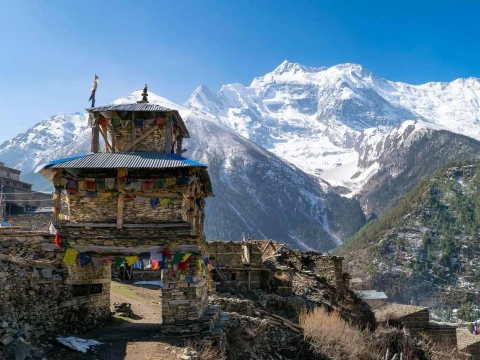
Upper Pisang is one of the most beautiful and culturally preserved villages along Nepal’s legendary Annapurna Circuit trekking route. Located at an altitude of 3,300 meters (10,826 feet) in the Manang District, this traditional Himalayan settlement sits on a hillside above Lower Pisang and offers breathtaking panoramic views of Annapurna II
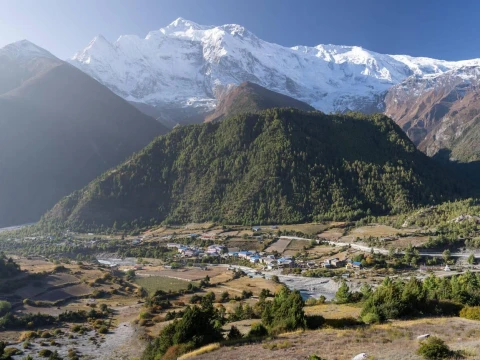
Lower Pisang is one of the most memorable settlements along the world-famous Annapurna Circuit trekking route. Situated at an elevation of 3,200 meters (10,500 feet), this beautiful Himalayan village welcomes trekkers with dramatic mountain scenery, traditional culture, and comfortable resting points before entering the higher alpine

Manang is one of the most spectacular Himalayan destinations in Nepal and an iconic highlight of the world-famous Annapurna Circuit trek. Located at an altitude of approximately 3,540 meters, Manang serves as the cultural and geographical center of the Annapurna region. Surrounded by snow-capped peaks, rocky cliffs, glacial rivers


 (2)
(2)  100% recommend (0)
 (0)
(0)