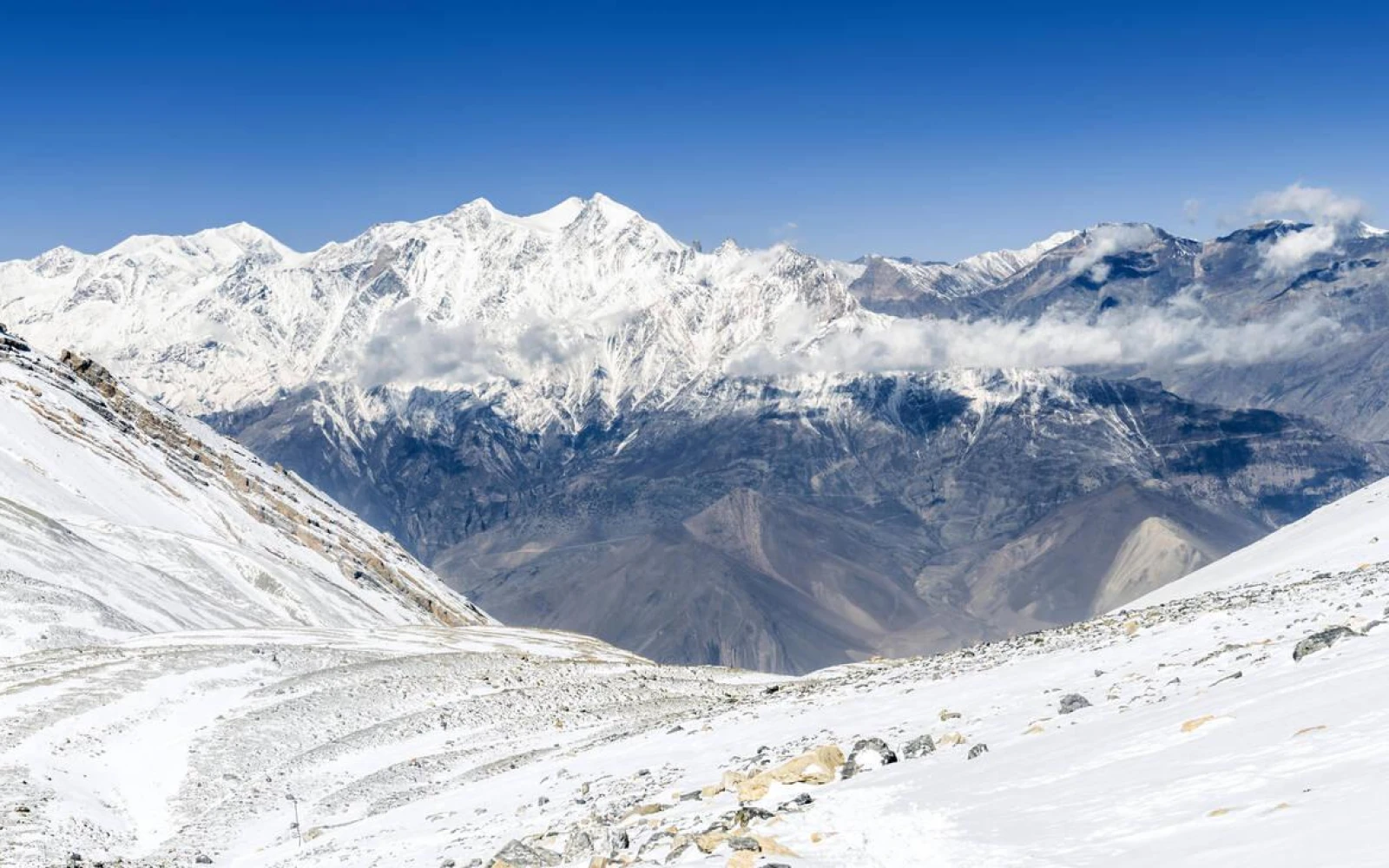
Thorong Phedi is widely regarded as the final major acclimatization stop before crossing the high Himalayan barrier of Thorong La Pass. Sitting at around 4,540 meters, it serves as a crucial staging point on the Annapurna Circuit for trekkers preparing for one of the highest and most demanding mountain passes in the world.
At this altitude, the environment becomes noticeably harsher, with thinner air, colder temperatures, and more unpredictable weather. Trekkers often arrive here physically tired but mentally focused, knowing that the next day will involve a long, pre-dawn ascent. For many organized groups like those with Asiana Treks and Tours, this stop is strategically planned to balance safety, acclimatization, and readiness.
Thorong Phedi feels like the final moment of relative safety before entering the high-altitude challenge of Thorong La. Trekkers often describe it as a “pressure point” of the journey, where excitement and anxiety meet. The atmosphere in the teahouses is filled with anticipation, as nearly everyone shares the same goal: a successful pass crossing the next morning.
This stop is not just a resting place—it is a psychological checkpoint. The journey up to here from lower villages like Yak Kharka gradually prepares trekkers for thinner air and colder conditions, but Thorong Phedi is where the reality of high altitude fully sets in.
With Asiana Treks and Tours, trekkers are encouraged to use this time wisely: hydrate, rest, and mentally prepare for the early start and demanding climb ahead.
Key highlights:
Thorong Phedi lies in a narrow Himalayan valley beneath steep, rugged slopes prone to rockfall and landslides. Its name literally refers to the “foot of the hill,” which reflects its position at the base of the final ascent route to Thorong La Pass.
At approximately 4,540 meters, oxygen levels are significantly reduced, making even simple activities feel more demanding. The settlement is small, with only a handful of teahouses serving trekkers moving along the Annapurna Circuit. Despite its remoteness, it plays a vital logistical role in high-altitude trekking.
Most trekking itineraries with Asiana Treks and Tours schedule an overnight stay here rather than pushing further to higher camps, prioritizing safety and better sleep quality before summit day.
Key highlights:
The approach to Thorong Phedi begins well before you actually arrive at this high-altitude outpost. Most trekkers pass through Manang and gradually gain elevation while moving through alpine villages like Yak Kharka. This section of the Annapurna Circuit is where the landscape shifts dramatically from forested valleys to stark, high Himalayan terrain.
By the time trekkers reach Thorong Phedi, the journey has already tested endurance, breathing capacity, and mental focus. The air becomes noticeably thinner after Manang, and even short climbs feel more demanding. This gradual exposure is intentional, allowing the body to adapt before the major challenge of crossing Thorong La Pass.
For groups trekking with Asiana Treks and Tours, this stage is carefully paced with scheduled rest days in Manang and controlled daily altitude gains to reduce risk and improve summit success.
Key highlights:
The trek from Yak Kharka to Thorong Phedi is one of the final short but significant sections before reaching the high mountain crossing of Thorong La Pass. Although it typically takes only 2–3 hours, the route demands careful attention due to altitude, terrain, and exposure.
The trail follows a rugged Himalayan river valley with steady elevation gain. While the distance is not long, the increasing altitude makes breathing more difficult and slows down walking pace. The final stretch becomes steeper and more exposed, requiring trekkers to stay focused and maintain a consistent rhythm rather than rushing.
A key challenge of this section is the unstable terrain near the approach to Thorong Phedi. The path narrows and passes through areas prone to rockfall, especially during windy conditions or late in the day. Trekkers are advised to avoid stopping in exposed zones and to move in groups whenever possible for safety. Asiana Treks and Tours guides usually set a controlled pace to ensure safe arrival.
Key highlights:
At 4,540 meters, Thorong Phedi becomes a critical acclimatization checkpoint before attempting Thorong La Pass. The body is now operating in a low-oxygen environment where recovery takes longer, and physical effort feels significantly harder.
Spending the night here allows trekkers to stabilize their breathing, hydrate properly, and rest before the demanding early-morning ascent. Even though the stay is short, it plays a major role in reducing the risk of Acute Mountain Sickness (AMS). Many trekkers experience mild headaches or fatigue at this stage, making proper rest essential.
Asiana Treks and Tours emphasizes monitoring symptoms, maintaining hydration, and avoiding unnecessary exertion upon arrival to ensure the body is fully prepared for summit day.
Key highlights:
The weather at Thorong Phedi is highly unpredictable and often harsh, especially during summit day. Temperatures can drop well below freezing at night, and strong winds frequently develop after sunrise at higher elevations near Thorong La Pass.
Trekkers must prepare for a wide range of conditions, including freezing pre-dawn starts, snow patches, and sudden wind gusts. Even if conditions appear calm at night, the weather can change rapidly in the Himalayas, making preparation more important than prediction.
Teams like Asiana Treks and Tours always brief trekkers in advance about starting early to avoid stronger winds later in the day, which can make the pass crossing significantly more difficult.
Key highlights:
Before leaving Thorong Phedi for the ascent to Thorong La Pass, a thorough gear check is essential. Conditions in the early morning are extremely cold and dark, requiring trekkers to be fully prepared before stepping outside.
Essential gear includes layered clothing, insulated jackets, gloves, hats, and a reliable headlamp for pre-dawn navigation. Trekking poles are highly recommended to maintain stability on steep, icy, or rocky terrain. Hydration systems and high-energy snacks should also be easily accessible to maintain energy during the long climb.
Asiana Treks and Tours guides usually advise arranging everything the night before to avoid confusion during the 3:00 AM departure.
Key highlights:
The stop at Thorong Phedi is not only a physical rest point but also a crucial mental checkpoint before the demanding climb to Thorong La Pass. At this altitude, many trekkers begin to feel a mix of excitement, nervousness, and self-doubt as the reality of the upcoming pre-dawn ascent sets in.
Mentally preparing here means accepting that the next day will be slow, cold, and physically challenging. The key is to break the journey into small sections rather than focusing on the entire climb at once. Guided teams such as Asiana Treks and Tours often encourage trekkers to focus on steady pacing, breathing rhythm, and short-term goals rather than speed.
Key highlights:
At Thorong Phedi, managing food and rest properly is essential for a successful summit attempt. The body is already under stress due to low oxygen levels, so even simple nutrition and sleep become critical recovery tools before the long ascent.
Meals at this altitude are typically high in carbohydrates to maximize energy reserves. Trekkers are encouraged to eat well despite reduced appetite caused by altitude. Sleep may not be perfect due to excitement and thin air, but resting as much as possible still helps the body recover. Asiana Treks and Tours advises avoiding alcohol, staying hydrated, and prioritizing warm meals to maintain energy levels.
Key highlights:
The early departure from Thorong Phedi toward Thorong La Pass usually begins around 3:00 AM. This timing is not random—it is a carefully planned strategy to ensure safer and more stable climbing conditions.
Starting before dawn helps trekkers avoid strong afternoon winds that commonly develop at high altitude. It also allows enough time to complete the ascent and descent in daylight, reducing navigation risks on snowy or rocky terrain. Asiana Treks and Tours consistently schedules early starts to maximize safety and summit success rates.
Key highlights:
One of the most common mistakes at Thorong Phedi is overexertion before summit day. Some trekkers push too hard on the final approach or fail to rest properly, which can significantly reduce energy reserves for the climb to Thorong La Pass.
Another major issue is underestimating altitude effects. Dehydration, skipping meals, and rushing can increase the risk of altitude sickness. Some trekkers also fail to prepare gear the night before, leading to delays and stress during the early-morning departure. Asiana Treks and Tours strongly emphasizes discipline, preparation, and slow, steady pacing to avoid these mistakes.
Key highlights:
Summit day from Thorong Phedi to Thorong La Pass is the most demanding and anticipated stage of the entire Annapurna Circuit. The journey begins very early, usually around 3:00 AM, when trekkers set out in darkness to take advantage of stable weather and reduced wind conditions.
The ascent is long, slow, and physically intense due to extreme altitude, low oxygen levels, and freezing temperatures. Reaching the pass typically takes 4–6 hours, followed by a long descent on the other side. Proper pacing, hydration, and mental discipline are essential to complete this stage safely. Asiana Treks and Tours guides emphasize steady movement rather than speed to ensure safe arrival.
Key highlights:
Accommodation at Thorong Phedi is basic but serves a very important purpose: recovery before the summit push. Teahouses offer simple twin-sharing rooms with minimal facilities, designed primarily for rest rather than comfort or luxury.
Most lodges include a heated communal dining area where trekkers eat hot meals, share experiences, and prepare mentally for the next day. Charging facilities may be available for a fee, but power is limited and unreliable due to the remote location. Asiana Treks and Tours advises trekkers to fully charge devices earlier in the trek and focus on rest at this stage.
Key highlights:
The weather at Thorong Phedi is cold throughout the year, with nighttime temperatures often dropping well below freezing. Wind chill becomes a major factor, especially during the early morning ascent toward Thorong La Pass.
Proper preparation is essential for safety and success. Trekkers should carry insulated layers, down jackets, thermal clothing, gloves, hats, and trekking poles. A headlamp is mandatory for pre-dawn travel, and carrying snacks or a packed breakfast helps maintain energy during the climb. Hydration remains critical despite reduced thirst in cold conditions. Asiana Treks and Tours strongly recommends organizing all gear the night before departure.
Key highlights:
One important decision trekkers face near Thorong Phedi is whether to stay at Phedi or continue to Thorong High Camp, located higher at around 4,880 meters. High Camp reduces summit-day walking time but increases exposure to altitude and colder, windier conditions.
While some experienced trekkers prefer High Camp for a shorter ascent, it carries a higher risk of altitude sickness and poor sleep quality. Most guided groups, including Asiana Treks and Tours, choose Thorong Phedi as the safer and more stable overnight option, prioritizing rest and acclimatization.
Key highlights:
Before leaving Thorong Phedi, trekkers usually receive a final briefing from guides outlining the route to Thorong La Pass. This includes timing, pacing strategy, weather expectations, and safety reminders for the long ascent and descent.
The briefing is also a mental preparation moment, helping trekkers understand that the climb will be slow, cold, and physically demanding. Visibility conditions, rest points, and emergency protocols are discussed in detail. Asiana Treks and Tours ensures that every trekker is fully informed before the early morning departure.
Key highlights:
Thorong Phedi represents the final turning point before crossing into the rain-shadow region of Mustang via Thorong La Pass. It is where trekkers transition from a long Himalayan journey into one of the highest and most challenging mountain crossings in the world.
With proper acclimatization, preparation, and professional guidance from Asiana Treks and Tours, this stage becomes a controlled and achievable challenge rather than a risky push. Reaching Thorong La from Phedi is not just a physical achievement—it is the defining moment of the entire Annapurna Circuit journey.
Key highlights:
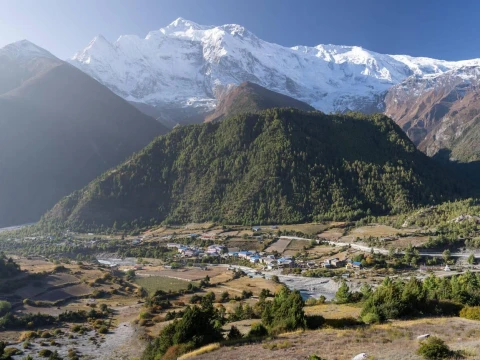
Lower Pisang is one of the most memorable settlements along the world-famous Annapurna Circuit trekking route. Situated at an elevation of 3,200 meters (10,500 feet), this beautiful Himalayan village welcomes trekkers with dramatic mountain scenery, traditional culture, and comfortable resting points before entering the higher alpine

Manang is one of the most spectacular Himalayan destinations in Nepal and an iconic highlight of the world-famous Annapurna Circuit trek. Located at an altitude of approximately 3,540 meters, Manang serves as the cultural and geographical center of the Annapurna region. Surrounded by snow-capped peaks, rocky cliffs, glacial rivers
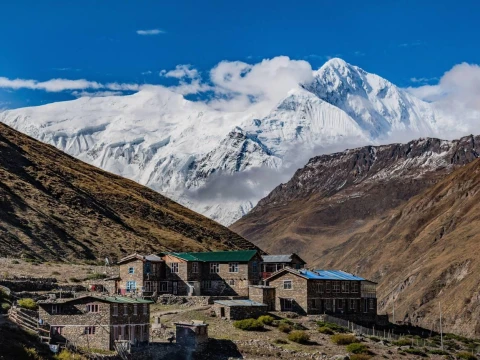
Yak Kharka is one of the most important overnight stops on the legendary Annapurna Circuit Trek. Sitting at an elevation of 4,020 meters (13,189 feet), this peaceful alpine settlement acts as a transitional point between the lower villages of the Annapurna region and the high-altitude crossing of Thorong La Pass. Trekkers traveling through


 (2)
(2)  100% recommend (0)
 (0)
(0)