

Syala, located about 3,500 meters above sea level in Nepal’s spectacular Manaslu region, is a remarkable Himalayan village known for its dramatic mountain scenery, traditional way of life, and peaceful natural surroundings. Surrounded by towering peaks, rugged hills, alpine forests, and open mountain valleys, Syala offers visitors an opportunity to experience the authentic beauty of the Himalayas away from busy tourist destinations. Its elevated location offers breathtaking views of the surrounding mountains and creates a memorable atmosphere for trekkers exploring the Manaslu Circuit.
Exploring Syala is not only about enjoying magnificent scenery but also about discovering the cultural heritage and everyday life of Himalayan communities. The village reflects the traditional Tibetan-influenced culture of the region, where local customs, Buddhist traditions, and close relationships with nature remain important parts of daily life. Asiana Treks and Tours offers travelers an opportunity to discover the natural and cultural attractions of Syala while experiencing the unique charm of mountain life in the Manaslu region.
Syala is a beautiful Himalayan settlement in the Manaslu region of northern Nepal, offering a fascinating combination of natural beauty, traditional culture, and mountain hospitality. Located at approximately 3,500 meters, the village provides a distinctive high-altitude experience for travelers seeking to explore the quieter and less commercialized areas of the Himalayas. Its surroundings feature open meadows, rugged mountain slopes, traditional settlements, and magnificent views that change with the seasons and weather conditions.
The village is also an important place to appreciate the cultural identity of the communities living in the Manaslu region. Local people maintain traditions influenced by Tibetan Buddhism, including prayer flags, mani walls, monasteries, and religious practices that reflect generations of Himalayan heritage. Visitors can observe the simplicity of village life, learn about traditional livelihoods, and experience the warmth of local hospitality. With Asiana Treks and Tours, travelers can explore Syala while gaining a deeper understanding of its cultural significance and the natural environment that shapes life at high altitude.
What makes Syala special?
Syala lies in the Manaslu region of the Gorkha District in north-central Nepal, within the mountainous landscape surrounding Mount Manaslu, the eighth-highest mountain in the world. The settlement is associated with the upper Budhi Gandaki trekking corridor and is commonly visited by trekkers exploring the Manaslu Circuit. Its remote location, surrounded by steep mountain terrain and traditional Himalayan settlements, makes Syala an appealing destination for travelers who want to experience the region beyond its most familiar viewpoints.
Reaching Syala generally involves traveling through the Manaslu trekking route, passing rural villages, suspension bridges, river valleys, forests, and increasingly dramatic mountain scenery. The village's location offers a valuable opportunity to observe the transition from lower Himalayan landscapes to the colder and more rugged high-altitude environment. Because the area lies within a restricted trekking region, international visitors generally need the required permits and must follow applicable regulations, including the rules concerning licensed guides and trekking arrangements. Asiana Treks and Tours can help travelers organize the necessary logistics and plan a responsible journey through this remarkable part of Nepal.
Important geographical features of Syala include:
The journey to Syala is an unforgettable part of exploring the Manaslu region. Trekkers follow winding mountain trails that pass through traditional villages, terraced fields, forested slopes, river valleys, and suspension bridges. As the trail gradually gains elevation, the scenery becomes more dramatic, with rugged cliffs, distant snow-covered peaks, and deep valleys creating a spectacular Himalayan setting. Each section of the journey offers a different perspective on the natural environment and the traditional settlements that have developed along the trekking route.
As trekkers approach Syala, the landscape opens into a more expansive mountain environment where impressive Himalayan peaks and broad valleys become prominent features. The changing vegetation, cooler temperatures, and increasingly rugged terrain highlight the transition into higher elevations. Walking at a comfortable pace, taking regular breaks, and allowing sufficient time for acclimatization are essential for enjoying the journey safely. Asiana Treks and Tours can assist travelers with itinerary planning, experienced guide arrangements, accommodation coordination, and practical advice for trekking through the Manaslu region.
Experiences along the journey include:
Syala is surrounded by some of the most impressive natural scenery in the Manaslu region, making it a memorable destination for mountain lovers, photographers, and trekkers. The landscape combines towering Himalayan peaks, rocky ridges, broad valleys, green hillsides, and open alpine terrain. On clear days, the surrounding mountains create a spectacular backdrop, while shifting clouds and changing sunlight add depth and atmosphere to the scenery. These natural features make Syala an excellent place to appreciate the scale and beauty of the Nepalese Himalayas.
The mountain environment around Syala also reveals the remarkable diversity of the Manaslu region. Lower slopes may feature forests and patches of vegetation, while higher elevations become increasingly rocky and exposed. Seasonal changes transform the scenery, from fresh greenery during warmer months to snow-dusted landscapes in colder periods. Trekkers can enjoy quiet walks, scenic viewpoints, and photography opportunities while observing the relationship between local communities and their mountain surroundings. Asiana Treks and Tours encourages travelers to explore these landscapes responsibly, respect local customs, and help preserve the natural beauty of the region.
Mountain landscape highlights include:
Life in Syala at approximately 3,500 meters is shaped by the challenges and opportunities of the high-altitude Himalayan environment. The air contains less available oxygen than at lower elevations, temperatures can change quickly, and strong winds or sudden snowfall may affect daily activities. The growing season is generally shorter, and the surrounding landscape offers fewer opportunities for conventional agriculture than lower valleys. Local communities have adapted to these conditions through traditional building techniques, seasonal routines, and livelihoods suited to the mountain environment.
Daily life in a high-altitude village often involves a close relationship with the surrounding land, local resources, and established cultural traditions. Depending on the household and season, residents may engage in livestock keeping, small-scale farming, tourism-related work, and other activities that support mountain life. Traditional houses, warm communal spaces, and local food practices reflect the need to manage cold temperatures and limited resources. For trekkers, understanding these conditions is important for both cultural appreciation and personal safety. Asiana Treks and Tours recommends gradual acclimatization, adequate hydration, suitable clothing, and a flexible trekking schedule when visiting Syala and other high-altitude destinations.
Key aspects of life at 3,500 meters include:
Exploring Syala provides a meaningful opportunity to discover the relationship between Himalayan landscapes, traditional culture, and high-altitude living. With its remarkable scenery, welcoming communities, and peaceful atmosphere, the village offers a memorable experience for travelers exploring the Manaslu region. Asiana Treks and Tours is committed to helping visitors experience this unique destination through thoughtful trekking arrangements, cultural awareness, and responsible travel practices.
Traditional life in Syala, located at approximately 3,500 meters in Nepal’s Manaslu region, reflects the deep connection between Himalayan communities, their cultural heritage, and the surrounding natural environment. Daily routines are influenced by the mountain climate, seasonal changes, and the practical demands of living in a remote settlement. Families maintain strong community relationships, preserve traditional customs, and share responsibilities that support village life. The peaceful atmosphere, traditional homes, and spectacular mountain surroundings provide visitors with an authentic glimpse into the cultural identity of the Manaslu region.
Visitors exploring Syala can observe how local traditions continue to shape everyday activities, from preparing meals and caring for livestock to welcoming guests and participating in community gatherings. Tibetan-influenced cultural practices, Buddhist values, and respect for nature are important features of life in many communities throughout this region. Although tourism has introduced new opportunities and influences, traditional ways of living remain an important part of the village's identity. Asiana Treks and Tours encourages travelers to discover these cultural experiences respectfully by interacting with local residents, supporting community businesses, and learning about the customs that make Syala unique.
Highlights of traditional life in Syala:
Tibetan Buddhist heritage plays an important role in the cultural identity of many villages in the Manaslu region, including communities around Syala. Prayer flags fluttering in the mountain breeze, mani stones engraved with sacred inscriptions, and Buddhist symbols along trekking trails reflect the spiritual traditions that have been preserved across generations. These religious features are more than decorative elements; they represent prayers for peace, compassion, good fortune, and the well-being of all living beings. The surrounding Himalayan landscape also contributes to the spiritual atmosphere, creating a strong sense of connection between faith, nature, and everyday life.
During a visit to Syala, travelers may encounter prayer walls, small shrines, chortens, or other Buddhist cultural features along village paths and nearby trails. Religious practices and ceremonies vary between communities and families, but Buddhist teachings often influence local values, hospitality, and respect for living beings. Visitors should approach sacred places with consideration, follow local guidance, and ask permission before photographing people or religious ceremonies. Asiana Treks and Tours helps travelers appreciate the spiritual heritage of the Manaslu region while encouraging respectful behavior and cultural understanding.
Key features of Buddhist heritage in the region:
Traditional houses in Syala reflect the practical knowledge and building traditions developed by Himalayan communities over generations. Constructed to withstand cold temperatures, strong winds, and challenging mountain conditions, these homes often feature stone walls, wooden elements, and compact designs that help provide shelter in the high-altitude environment. Their appearance blends naturally with the surrounding mountain landscape, creating a distinctive village atmosphere. The use of locally available materials demonstrates how residents have adapted their homes to the geography, climate, and resources of the Manaslu region.
The layout and appearance of traditional homes can vary according to household needs, available materials, and modern influences. Some houses incorporate storage spaces for agricultural supplies, livestock-related equipment, or household goods, while living areas are arranged to provide warmth and comfort during cold weather. Wood, stone, and other locally sourced materials contribute to the character of the village, while newer construction methods may also be visible. For visitors, observing traditional architecture offers valuable insight into the relationship between local culture and the demands of mountain living. Asiana Treks and Tours encourages travelers to appreciate village architecture while respecting private homes and community spaces.
Architectural features to notice in Syala:
Agriculture and livestock keeping have traditionally supported many Himalayan households in the Manaslu region. At elevations around 3,500 meters, farming is influenced by a short growing season, cool temperatures, limited arable land, and changing weather conditions. Families may cultivate suitable crops in small plots where conditions allow, while livestock can provide milk, meat, manure, and other useful resources. The specific activities carried out in and around Syala vary according to the season, household circumstances, and availability of land and pasture.
Everyday life often involves balancing household responsibilities, livestock care, food preparation, and other activities necessary for living in a remote mountain community. Tourism has also become an important source of income for some families, creating opportunities through teahouses, accommodation, guiding support, and other local services. This combination of traditional livelihoods and newer economic activities illustrates how communities adapt to changing circumstances while maintaining their cultural identity. Through responsible travel, Asiana Treks and Tours helps visitors appreciate the work, knowledge, and resilience required to sustain life in the high Himalayas.
Important aspects of mountain livelihoods:
Food in Syala reflects the practical needs of high-altitude living, local agricultural traditions, and the broader culinary influences of the Himalayan and Tibetan cultural regions. Meals commonly available to trekkers in the Manaslu region include dal bhat, a traditional combination of rice, lentil soup, vegetables, and accompanying dishes. Other foods may include noodles, soups, potatoes, flatbreads, and simple vegetable preparations. In some households and local establishments, Tibetan-influenced dishes such as tsampa, thukpa, or Tibetan-style bread may also be part of the food culture, although availability varies between families and teahouses.
Eating in a mountain village is an opportunity to experience the simplicity and warmth of Himalayan hospitality. Meals are often prepared using practical ingredients that can be stored, transported, or produced locally, depending on the season and the household. Hot soups, cooked vegetables, rice, and other carbohydrate-rich foods can be especially welcome after a long day of trekking in cold conditions. Visitors should remember that food options may be more limited in remote settlements than in larger towns, and menus can change according to supply and weather. Asiana Treks and Tours recommends enjoying local dishes, communicating dietary requirements in advance, and supporting village teahouses and other local food providers.
Popular foods and dining experiences to look for:
Exploring the traditional life of Syala offers more than a scenic trekking experience. Its cultural customs, Buddhist heritage, distinctive architecture, mountain livelihoods, and local food traditions help visitors understand how communities have adapted to life in the Himalayas. With Asiana Treks and Tours, travelers can explore these cultural dimensions while respecting local traditions, supporting community livelihoods, and appreciating the remarkable relationship between people and the mountain environment.
The people of Syala, a traditional Himalayan village located at approximately 3,500 meters in Nepal’s Manaslu region, are an essential part of the area’s cultural identity and charm. Life in this mountain settlement is shaped by strong family relationships, community cooperation, and a close connection with the surrounding natural environment. Local residents have adapted to the challenges of high-altitude living through traditional knowledge, seasonal practices, and a lifestyle influenced by Himalayan and Tibetan cultural traditions. Their daily activities reflect the importance of cooperation, resilience, and maintaining a harmonious relationship with the mountains.
Hospitality is an important part of the trekking experience in the Manaslu region. Visitors may meet local families, stay in village teahouses, enjoy freshly prepared meals, and learn about traditional customs while traveling through the area. Friendly greetings, shared meals, and conversations about village life can create meaningful connections between travelers and local communities. These interactions also help visitors understand how tourism contributes to local livelihoods. Asiana Treks and Tours encourages travelers to approach these experiences with respect, curiosity, and appreciation for the people who preserve Syala’s cultural heritage.
Highlights of community life in Syala:
The Manaslu region is famous for its spectacular Himalayan landscapes, and Syala offers travelers an opportunity to appreciate this remarkable mountain environment. Located at approximately 3,500 meters, the village is surrounded by rugged hillsides, dramatic ridgelines, broad valleys, and towering Himalayan peaks. The scenery changes throughout the day as sunlight moves across the mountains, creating striking contrasts between illuminated summits and shaded valleys. On clear days, the surrounding landscape provides excellent opportunities for photography, peaceful walks, and enjoying the extraordinary scale of the Himalayas.
Beyond the mountain peaks, the landscape around Syala includes forested slopes, rocky terrain, open alpine areas, and traditional settlements that blend into the natural surroundings. The transition from lower forests to higher mountain environments reveals the ecological diversity of the Manaslu region. Seasonal changes bring different experiences, from green hillsides and clear skies to snow-covered slopes and misty mountain views. Trekkers can enjoy the scenery at a comfortable pace while observing the relationship between the local communities and their environment. Asiana Treks and Tours helps visitors experience these landscapes through carefully planned trekking itineraries and responsible exploration.
Mountain scenery highlights around Syala:
Choosing the right season is important for enjoying Syala’s mountain landscapes, trekking trails, and traditional village life. Spring, from March to May, is generally a favorable period for trekking in the Manaslu region because temperatures become milder, mountain views can be excellent, and vegetation begins to develop at lower elevations. Autumn, from September to November, is another popular season, often offering clearer skies after the monsoon, impressive mountain panoramas, and comfortable conditions for exploring traditional villages. Both seasons provide opportunities to appreciate the scenery and learn about local culture.
Other seasons offer different experiences but may require additional preparation. The summer monsoon, generally from June to August, can bring heavy rainfall, slippery trails, landslides, and reduced visibility at lower elevations. Winter, from December to February, may bring freezing temperatures, snowfall, and difficult trail conditions, particularly at higher elevations. Conditions vary from year to year, so travelers should check current weather forecasts, trail conditions, and permit requirements before departure. Asiana Treks and Tours can help visitors select a suitable travel period, arrange trekking logistics, and prepare for the environmental conditions expected during their visit.
Best seasons for visiting Syala:
For most trekkers seeking a balance of mountain scenery, comfortable walking conditions, and cultural experiences, spring and autumn are the strongest options. However, the best time ultimately depends on individual preferences, trekking experience, and current mountain conditions.
Responsible tourism is essential for protecting Syala’s natural beauty, cultural heritage, and traditional mountain lifestyle. As trekking becomes an important economic activity in the Manaslu region, visitors have opportunities to support local communities while helping minimize environmental and cultural impacts. Choosing locally operated accommodation, eating at village teahouses, hiring qualified local guides, and purchasing locally made products can help distribute tourism income within the region. Respectful travel also involves understanding local customs, asking permission before photographing residents, and treating religious sites and cultural landmarks with care.
Protecting the natural environment is equally important in a high-altitude destination such as Syala. Mountain ecosystems can be sensitive to litter, unmanaged waste, and excessive pressure on local resources. Trekkers should carry reusable water bottles where practical, avoid leaving rubbish behind, minimize single-use plastics, and follow established trails. Respecting wildlife, conserving water, and following local guidance can help preserve the region for future generations. Asiana Treks and Tours promotes responsible trekking practices that prioritize environmental awareness, cultural respect, and meaningful benefits for local communities.
Ways to practice responsible tourism in Syala:
Responsible tourism allows visitors to enjoy Syala’s remarkable landscapes while contributing positively to the people who call this mountain village home. Small actions by individual travelers can help preserve the area's cultural character and natural environment.
Syala is a remarkable destination for travelers seeking an authentic Himalayan experience that combines spectacular mountain scenery with traditional village life. Situated at approximately 3,500 meters in Nepal’s Manaslu region, the village offers a distinctive setting of rugged mountain slopes, broad valleys, traditional homes, and peaceful surroundings. Its location along the Manaslu trekking corridor makes it an appealing place to appreciate the natural beauty of the Himalayas while discovering the cultural traditions that have shaped local communities over generations.
What makes Syala especially memorable is the combination of its landscapes, people, and way of life. Visitors can experience the welcoming atmosphere of Himalayan settlements, observe Tibetan-influenced cultural traditions, learn about mountain livelihoods, and enjoy the impressive scenery of the surrounding region. The journey also provides an opportunity to understand the challenges of high-altitude living and the importance of protecting fragile mountain environments. With thoughtful planning and responsible travel practices, exploring Syala can become a rewarding part of a wider Manaslu trekking adventure.
Why explore Syala with Asiana Treks and Tours?
In conclusion, Syala offers more than impressive mountain views; it provides a meaningful opportunity to connect with the natural and cultural heritage of the Himalayas. From its peaceful village atmosphere to the surrounding alpine scenery, every aspect of the experience reveals something special about life in the Manaslu region. Asiana Treks and Tours invites travelers to discover Syala with curiosity, respect, and an appreciation for the traditions and landscapes that make this destination unique.
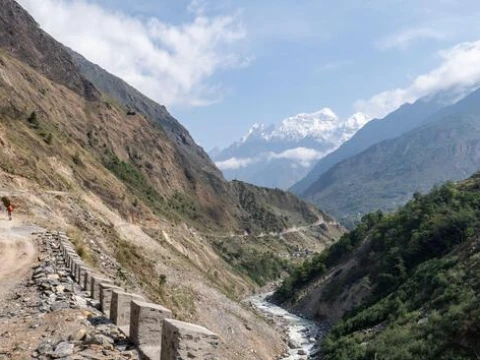
The Manaslu Circuit Trek is one of Nepal’s most rewarding Himalayan adventures, offering spectacular mountain scenery, traditional villages, rich cultural heritage, and peaceful trails away from some of the country’s busier trekking routes. Organized by Asiana Treks and Tours, this remarkable journey takes trekkers through lush green valleys
Deng Village, Nepal, is a peaceful mountain settlement located at approximately 1,860 meters (6,102 feet) above sea level along the spectacular Manaslu Circuit Trek. Surrounded by green hills, dense forests, terraced fields, and the beautiful Budhi Gandaki River valley, Deng offers trekkers a quiet and refreshing place to rest while exploring
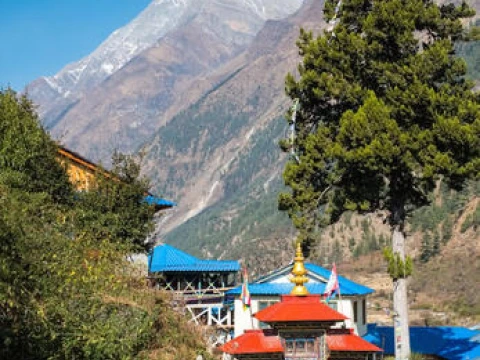
Namrung (2,630 m) is one of the most beautiful traditional mountain villages along the Manaslu Circuit Trek in Nepal. Surrounded by green hills, terraced fields, pine forests, and magnificent Himalayan landscapes, Namrung offers trekkers a wonderful introduction to the high-altitude scenery and Tibetan-influenced culture of the Manaslu region.


 (2)
 100% recommend (0)

 (0)