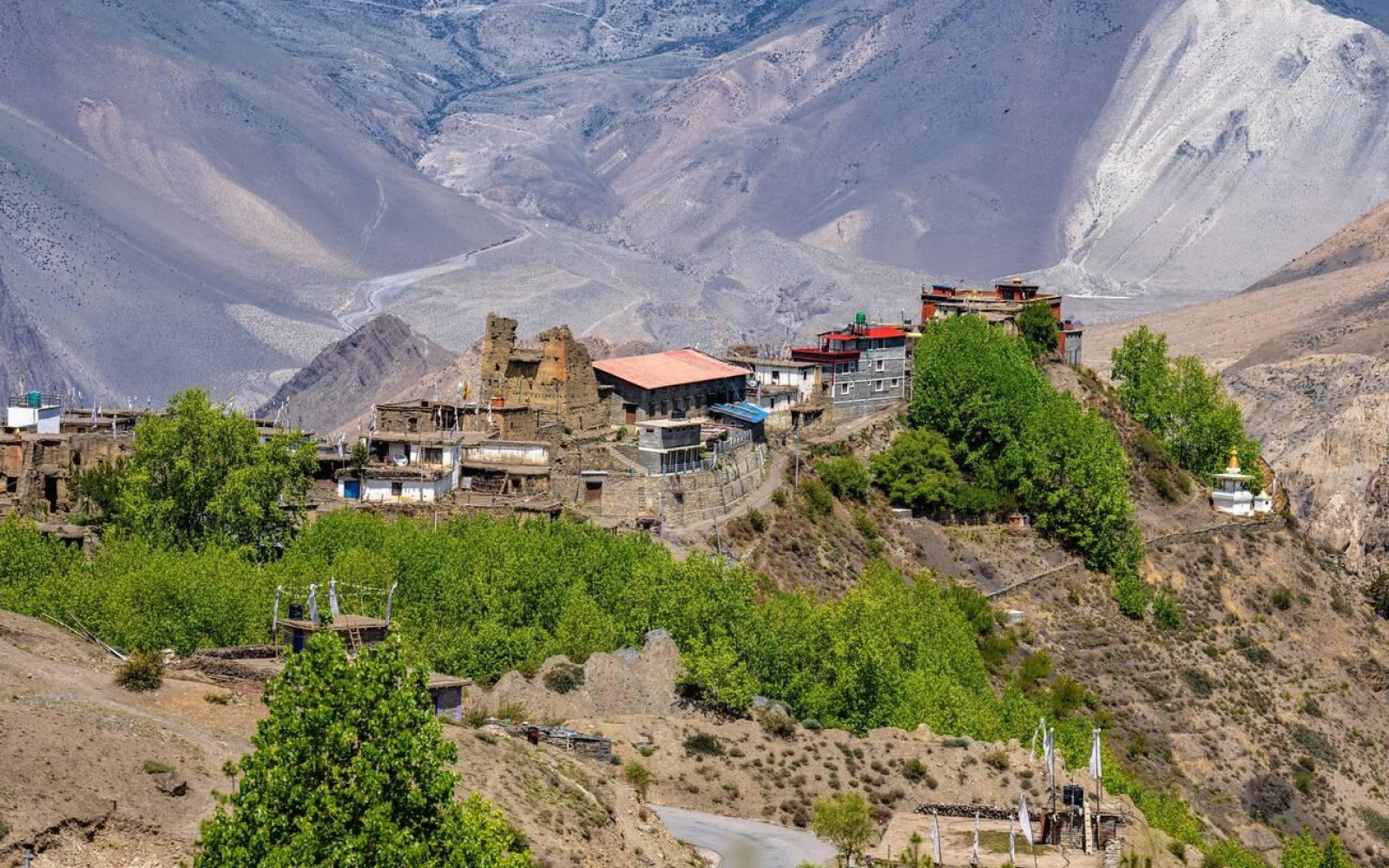
Jomsom is a high-altitude Himalayan town located in the Kali Gandaki Valley of Nepal. Sitting at an elevation of 2,743 meters, it is widely known as the “Windy Valley” due to its strong afternoon winds that sweep through the gorge between massive Himalayan ranges. This unique settlement acts as a vital gateway between the lush landscapes of the Annapurna region and the stark, arid terrain of Upper Mustang.
The town is not only a trekking stopover but also an important cultural and logistical hub. Trekkers passing through the Annapurna Circuit often rest here before continuing toward higher passes or descending toward Mustang. The blend of Tibetan-influenced culture, rugged mountain scenery, and river-cut geography makes Jomsom a distinctive Himalayan experience.
Jomsom is often described as a place where wind defines the rhythm of daily life. From late morning onward, powerful valley winds flow through the Kali Gandaki gorge, shaping travel schedules, farming practices, and even architecture. Despite its remote setting, the town has developed as a comfortable stop for trekkers with lodges, small markets, and an airport connecting it to Pokhara.
For many travelers, Jomsom represents the first encounter with the stark Himalayan trans-Himalayan climate. Managed and guided trekking experiences offered by companies like Asiana Treks and Tours help visitors understand the region’s geography, culture, and trekking routes more safely and meaningfully.
Key points:
Jomsom lies in one of the most dramatic landscapes in the Himalayas, positioned between the lush forests of the Annapurna region and the desert-like cliffs of Upper Mustang. It sits in the Kali Gandaki Valley, one of the world’s deepest river gorges, carved between the towering Annapurna and Dhaulagiri ranges.
This unique positioning makes Jomsom a geographical transition zone. To the south, trekkers experience green hills, waterfalls, and alpine forests, while to the north, the terrain gradually transforms into barren, wind-swept highlands resembling Tibetan landscapes. This contrast is one of the most striking features of the entire trekking experience.
Key points:
At 2,743 meters, life in Jomsom is significantly influenced by altitude. The air is thinner, temperatures fluctuate widely between day and night, and strong winds are a daily occurrence. While the oxygen level is lower than in lowland areas, most travelers acclimatize easily due to the gradual ascent along trekking routes.
The climate is semi-arid, with dry conditions dominating most of the year. Agriculture is limited but adapted to high-altitude conditions, with barley, buckwheat, and apple orchards being common. The winds that define the valley also shape movement patterns—flights often operate in the early morning before winds become too strong.
Key points:
Jomsom is globally known for its powerful daily winds that shape both the environment and lifestyle of the valley. These winds typically begin late morning and intensify through the afternoon, rushing through the narrow Kali Gandaki gorge formed between the towering peaks of Annapurna and Dhaulagiri. The temperature difference between the rising sun on the mountains and the cool valley air creates a natural wind tunnel effect, making Jomsom one of the windiest trekking hubs in Nepal.
Locals and trekkers adapt their routines around this natural force. Early mornings are calm and ideal for travel, while afternoons are often reserved for rest or indoor activities. These winds also influence architecture, agriculture, and transportation schedules, including short-haul flights that must operate within safe morning windows.
Managed trekking experiences by companies like Asiana Treks and Tours help visitors understand how to plan their journeys safely around these conditions, ensuring smooth travel through this unique Himalayan environment.
Key points:
Jomsom serves as a critical gateway for trekkers heading toward the restricted and mystical region of Upper Mustang. This route is often referred to as the “Hidden Kingdom trail,” leading into a culturally preserved Tibetan-influenced area that remained closed to outsiders until the early 1990s. From Jomsom, trekkers either fly or trek further north toward Kagbeni and then deeper into Upper Mustang’s arid landscapes.
The transition from Jomsom to Upper Mustang is dramatic. Vegetation becomes sparse, cliffs turn red and brown, and ancient caves and monasteries begin to appear along the cliffs. The journey is not just physical but also cultural, as travelers move from the more mixed Thakali-influenced valley into deeply Tibetan Buddhist communities.
Trekking agencies like Asiana Treks and Tours provide guided permits, logistics, and cultural insight for this restricted region, ensuring travelers follow regulations and experience the region responsibly.
Key points:
The cultural identity of Jomsom is strongly shaped by the Thakali community, one of Nepal’s most respected mountain ethnic groups. Known for their entrepreneurial spirit and hospitality, the Thakali people have created a rich cultural environment that blends Tibetan traditions with Nepali influences. Their presence is visible in local homes, monasteries, and especially in their famous cuisine.
Food plays a central role in the visitor experience. Traditional Thakali meals, particularly dal bhat sets served with locally grown ingredients, are popular among trekkers. The region is also known for apple farming and apple-based products such as juice and brandy. Hospitality is deeply rooted in the culture, making Jomsom a welcoming stop for travelers.
Companies like Asiana Treks and Tours often highlight local cultural experiences in their itineraries, allowing visitors to engage with traditions, food, and daily mountain life more meaningfully.
Key points:
Jomsom is accessible through multiple travel routes, making it one of the more reachable high-altitude destinations in Nepal. The most common option is a short scenic flight from Pokhara to Jomsom Airport, which operates mainly in the early morning due to strong valley winds. Overland and trekking routes also connect Jomsom with the Annapurna Circuit and surrounding villages.
For adventurous travelers, trekking from Pokhara through the Annapurna Conservation Area offers a gradual and immersive approach. Road access has improved in recent years, though conditions can be rough and seasonal. Each route offers a different perspective of the Himalayan landscape—from aerial views of snow peaks to ground-level cultural immersion.
Travel planners such as Asiana Treks and Tours assist with flights, permits, transportation, and guided trekking arrangements, ensuring a smooth journey through this remote Himalayan region.
Key points:
The region surrounding Jomsom is filled with some of the most spiritually and geographically significant destinations in the Himalayas. One of the most important sites is Muktinath Temple, a sacred pilgrimage destination for both Hindus and Buddhists. Located higher up in the Mustang region, it is believed to bring spiritual liberation, attracting thousands of pilgrims each year. Another key attraction is Kagbeni, a historic village that marks the entry point to Upper Mustang and showcases ancient Tibetan-style architecture and monasteries.
Equally impressive is the Kali Gandaki Gorge, one of the deepest gorges in the world, carved between the towering Annapurna and Dhaulagiri mountain ranges. The landscape around Jomsom also offers breathtaking views of barren cliffs, river valleys, and snow-capped peaks, making it a paradise for photographers and trekkers alike. Managed trekking experiences by Asiana Treks and Tours help visitors explore these attractions safely and with cultural understanding.
Key points:
Jomsom plays a central role in the famous Annapurna trekking ecosystem, especially the Annapurna Circuit. Trekkers often pass through Jomsom as a key acclimatization and transit point while circling the Annapurna massif or continuing toward Mustang. The town provides essential services such as lodging, food, transport, and communication facilities, making it a comfortable stop in an otherwise rugged trekking journey.
Beyond the Annapurna Circuit, Jomsom also connects trekkers to more remote and culturally rich routes such as Upper Mustang and the Dhaulagiri trekking regions. The diversity of terrain—from lush green valleys to dry trans-Himalayan deserts—makes this area one of the most varied trekking experiences in Nepal. Weather conditions, especially strong winds, add both challenge and character to the journey.
Companies like Asiana Treks and Tours design tailored trekking itineraries that include Jomsom as a strategic stop, ensuring proper acclimatization, safety, and cultural exploration.
Key points:
Life in Jomsom is defined by adaptation to harsh environmental conditions, especially strong winds, high altitude, and limited agricultural land. Locals have developed resilient lifestyles that balance traditional practices with modern tourism demands. Most households are involved in tourism, trade, agriculture, or a combination of all three, reflecting the valley’s evolving economy.
Despite environmental challenges, the community maintains a strong cultural identity rooted in Thakali traditions, hospitality, and mountain resilience. Seasonal tourism brings economic opportunities, but also requires careful adaptation to fluctuating visitor numbers and climate conditions. Infrastructure improvements, such as better lodges and air connectivity, have helped improve living standards while preserving cultural heritage.
Travel operators like Asiana Treks and Tours support sustainable tourism practices by promoting responsible travel, local engagement, and environmentally conscious trekking experiences.
Key points:
The best time to visit Jomsom largely depends on weather stability, visibility, and wind conditions in the Kali Gandaki Valley. The most favorable seasons are spring (March–May) and autumn (September–November), when skies are clear, mountain views are sharp, and trekking routes remain open. During these periods, temperatures are moderate, and the strong valley winds—though still present—are more predictable and manageable for travel and trekking activities.
Winter brings cold temperatures and occasional snowfall, which can disrupt flights and make trekking more challenging, though the landscapes become beautifully quiet and dramatic. The monsoon season (June–August) is less ideal due to rain in lower regions and flight delays, although Jomsom itself lies in a rain-shadow area, meaning it receives less rainfall compared to other parts of Nepal. Trekking companies like Asiana Treks and Tours carefully plan itineraries around these seasonal variations to ensure safety and optimal travel experiences.
Key points:
Jomsom is more than just a trekking stop—it is a living crossroads where geography, culture, and climate converge. Positioned between the green valleys of the Annapurna region and the arid landscapes of Upper Mustang, it symbolizes transition and connection. The constant movement of wind through the Kali Gandaki Gorge reflects the dynamic nature of life in this Himalayan settlement, where nature dictates rhythm and resilience defines survival.
For travelers, Jomsom offers a rare blend of spiritual depth, dramatic landscapes, and cultural richness. It is a place where Hindu pilgrimage routes meet Tibetan Buddhist traditions, where modern trekking infrastructure meets ancient mountain lifestyles. Companies such as Asiana Treks and Tours help visitors experience this unique harmony, ensuring journeys that are not only scenic but also meaningful and well-guided.
Key points:
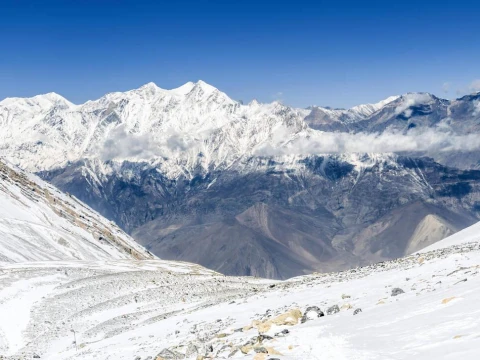
Thorong Phedi is widely regarded as the final major acclimatization stop before crossing the high Himalayan barrier of Thorong La Pass. Sitting at around 4,540 meters, it serves as a crucial staging point on the Annapurna Circuit for trekkers preparing for one of the highest and most demanding mountain passes in the world.
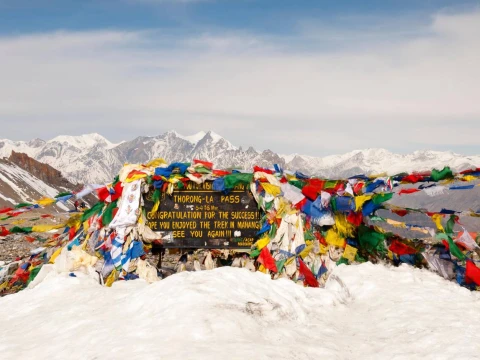
Crossing Thorong La Pass is considered one of the most thrilling achievements for trekkers visiting Nepal. Standing at an elevation of 5,416 meters (17,769 feet), Thorong La Pass is the highest point of the world-famous Annapurna Circuit Trek. The pass forms a natural connection between the beautiful Manang Valley in the east and the dry
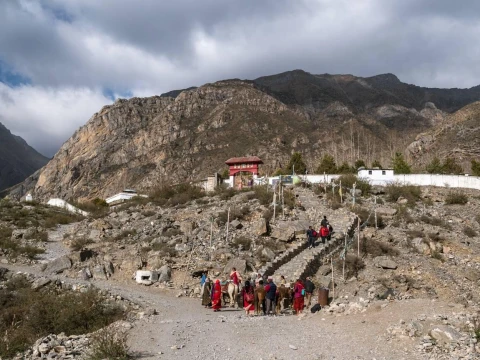
Muktinath, located in the remote Mustang district of Nepal, is one of the most revered pilgrimage destinations in the Himalayas. Sitting at an altitude of around 3,710 meters, it lies along the legendary Annapurna Circuit trekking route and attracts both spiritual seekers and adventure travelers. The site is unique because it blends Hindu and Buddhist


 (2)
(2)  100% recommend (0)
 (0)
(0)