The Manaslu Circuit Trek is one of Nepal’s most rewarding high-altitude trekking routes, combining dramatic mountain scenery, traditional Himalayan villages, diverse landscapes, and the challenging Larkya La Pass. Choosing the right season is important because weather conditions can significantly affect trail accessibility, mountain views, comfort, and safety. For most trekkers, autumn (September to November) and spring (March to May) offer the most favorable conditions.
Asiana Treks and Tours helps trekkers plan their Manaslu Circuit adventure around seasonal weather, trail conditions, and personal trekking preferences. Understanding what each season offers allows you to prepare suitable clothing, equipment, permits, and itinerary plans before beginning the journey.
The Manaslu Circuit Trek takes you around Mount Manaslu, the eighth-highest mountain in the world, while passing through remote Himalayan settlements and changing landscapes. The trail begins in the lower hills and gradually enters alpine terrain, eventually reaching the high Larkya La Pass before descending toward the Annapurna region.
Because the route reaches high elevations, the trekking experience varies considerably throughout the year. Clear mountain views, manageable temperatures, stable trails, and reduced precipitation can make the journey more comfortable, while monsoon rain and winter snowfall can create additional challenges.
Selecting the right trekking season can influence almost every part of the Manaslu Circuit experience. Favorable weather generally provides better visibility of the surrounding mountains and more comfortable walking conditions. Stable conditions are particularly useful when approaching high-altitude areas and crossing Larkya La Pass.
Seasonal planning also affects packing and logistics. During colder months, trekkers need more substantial winter equipment, while the monsoon season can bring wet trails, muddy sections, and reduced mountain visibility. Choosing an appropriate period can therefore make itinerary planning and preparation easier.
The best time to trek the Manaslu Circuit is generally during autumn and spring. These seasons typically provide a favorable combination of relatively stable weather, good visibility, and suitable trekking temperatures. Autumn follows the summer monsoon, while spring comes before the main monsoon period.
September to November is especially popular for clear skies and mountain scenery, while March to May brings warmer temperatures and colorful vegetation at lower elevations. The exact conditions can still vary from year to year, particularly at higher elevations, so trekkers should remain prepared for changing mountain weather.
Autumn is one of the most popular periods for the Manaslu Circuit Trek. After the summer monsoon, the atmosphere is generally clearer, making it an excellent period for viewing Manaslu and the surrounding Himalayan peaks. September can retain some effects of the monsoon in its early weeks, while October and November often provide increasingly dry and clear trekking conditions.
Temperatures are generally comfortable at lower and middle elevations, although nights become colder as the trail climbs higher. Because autumn is a busy trekking season, popular teahouses and accommodation along the route may have higher demand. Booking and planning ahead can therefore be useful.
Spring is another excellent season for the Manaslu Circuit Trek. Temperatures gradually become warmer, particularly at lower elevations, and the hills can become vibrant with blooming rhododendrons and other vegetation. The combination of pleasant daytime temperatures and scenic landscapes makes spring attractive to trekkers.
As the season progresses toward May, temperatures increase, and weather patterns can become less predictable before the summer monsoon arrives. Higher elevations remain cold, and snow can still affect areas around Larkya La Pass earlier in the season. Trekkers should therefore maintain appropriate high-altitude preparation throughout the journey.
Asiana Treks and Tours can help organize the Manaslu Circuit Trek according to the selected season, itinerary requirements, and preparation needs.
The Manaslu Circuit Trek in Autumn is a popular choice for trekkers looking for generally stable weather, clear mountain views, and favorable trail conditions. The season runs from September to November, with October and November often providing particularly clear conditions after the summer monsoon. Asiana Treks and Tours recommends preparing for both warm days at lower elevations and cold conditions at higher elevations.
Autumn also brings strong demand for trekking services along the Manaslu route. Accommodation, guides, transportation, and other services can become busier during this period, so arranging the trek in advance can help ensure smoother logistics.
Autumn weather on the Manaslu Circuit is generally dry and stable, although conditions can vary depending on altitude and the specific month. September may still experience occasional rain, particularly early in the month, while October and November typically become drier. Daytime conditions can be pleasant for walking at lower elevations, but temperatures decrease considerably as the trail approaches the high mountains.
At higher elevations, especially around Larkya La Pass, trekkers should expect freezing temperatures and potentially strong winds. Asiana Treks and Tours advises trekkers to carry layered clothing, warm insulation, gloves, and other appropriate cold-weather equipment.
Autumn can provide excellent opportunities to see Mount Manaslu and the surrounding Himalayan peaks. The clearer atmosphere following the monsoon can improve visibility, making this season particularly appealing for landscape photography and panoramic mountain scenery.
Trail conditions are generally more favorable once the monsoon has ended, although individual sections can still be affected by rain, mud, landslides, or snowfall depending on recent weather. The higher sections around Larkya La require particular attention to snow and changing conditions.
Autumn is one of the busiest trekking periods in Nepal, and the Manaslu Circuit can experience increased numbers of trekkers during this season. The route remains less developed and generally quieter than some of Nepal's most famous trekking areas, but popular teahouses and accommodation can still become busy.
Planning transportation, accommodation, permits, and guide arrangements ahead of time can make the journey more convenient. Asiana Treks and Tours can assist with organizing these essential aspects of the trek before departure.
Spring, from March to May, is another favorable period for the Manaslu Circuit Trek. The season brings gradually warming temperatures, improving conditions at lower elevations, and colorful landscapes throughout the trekking route. The combination of mountain scenery and blooming vegetation makes spring particularly attractive for nature and photography enthusiasts.
Conditions at higher elevations remain cold, especially early in spring, and snow can still be present around Larkya La Pass. Asiana Treks and Tours recommends preparing for a wide range of temperatures because the route passes through several climatic zones as it gains elevation.
Spring temperatures generally become warmer as the season progresses. March can still feel cold, particularly in the morning, evening, and at high elevations. April often provides comfortable daytime trekking conditions, while May becomes warmer at lower elevations before the arrival of the summer monsoon.
Higher sections of the Manaslu Circuit remain significantly colder than the lower valleys. Trekkers crossing Larkya La should be prepared for freezing temperatures, wind, and possible snow regardless of the warmer conditions experienced elsewhere on the route.
One of the highlights of trekking the Manaslu Circuit in spring is the colorful display of rhododendron flowers. Nepal's national flower blooms across many forested areas, adding vibrant red, pink, and other shades to the landscape. The contrast between flowering forests, green hills, and snow-covered Himalayan peaks creates varied scenery throughout the route.
The scenery changes significantly with altitude, from lush forests and traditional villages to rugged alpine terrain. Spring's combination of blooming vegetation and mountain landscapes provides excellent opportunities for nature photography and enjoying the diverse environments encountered along the Manaslu Circuit.
Trail conditions on the Manaslu Circuit Trek vary significantly with altitude and season. During the more favorable trekking months, many sections of the route are generally dry and easier to navigate, although steep ascents, rocky paths, suspension bridges, and uneven terrain remain part of the experience. As the trail climbs toward the high Himalayas, conditions become colder and more demanding.
Asiana Treks and Tours recommends preparing for changing terrain throughout the journey. Lower sections may pass through forests, farmland, and villages, while higher sections feature alpine landscapes, rocky trails, and potentially snow-covered paths. Good trekking shoes, walking poles, layered clothing, and appropriate high-altitude equipment can make the journey more comfortable.
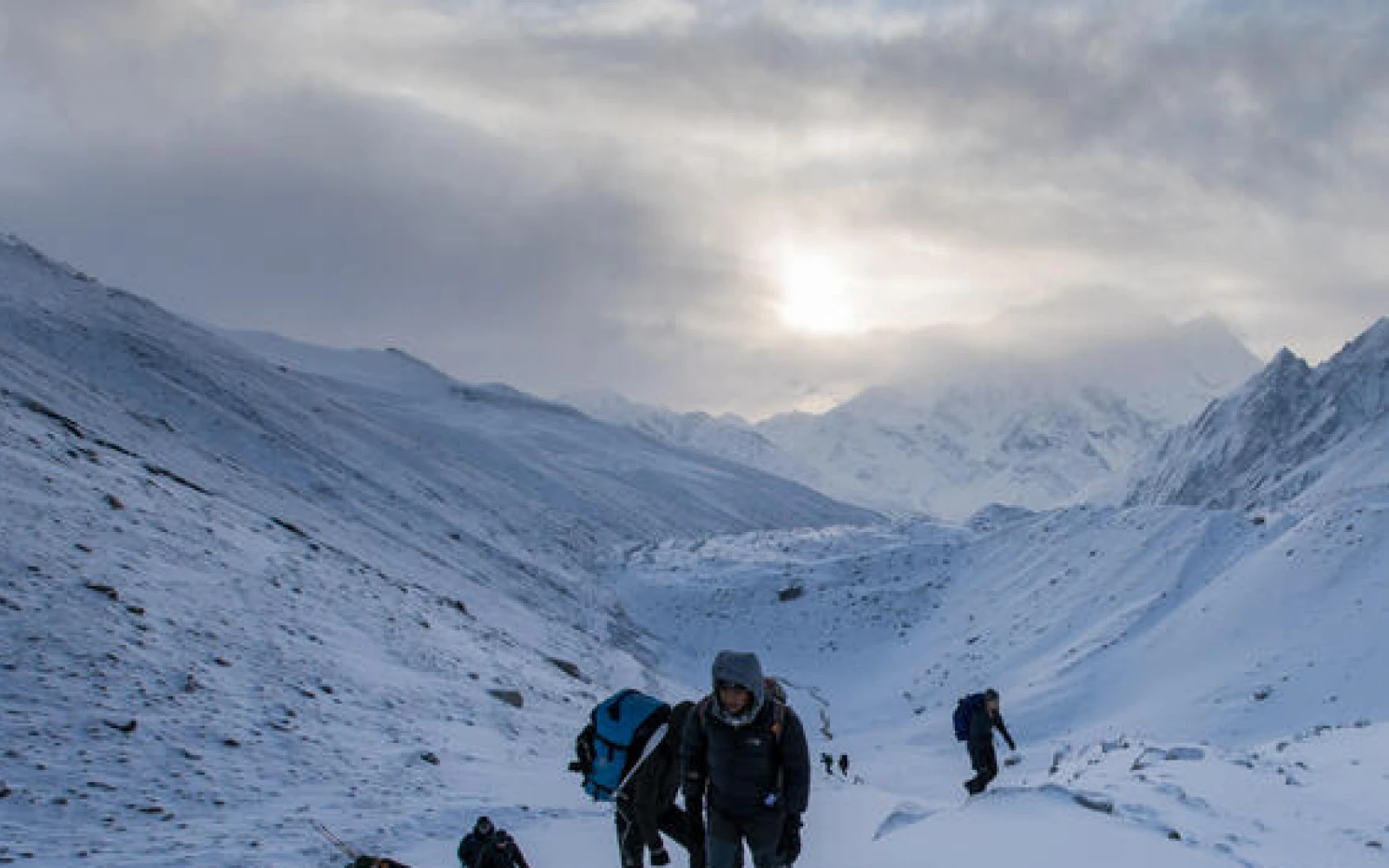
Winter on the Manaslu Circuit Trek generally extends from December through February and brings much colder conditions, particularly above the higher villages. Lower parts of the route can still be accessible, but temperatures drop substantially as the trail gains elevation. Snowfall and freezing conditions can affect the upper sections of the circuit.
For experienced trekkers who are properly equipped and prepared for cold-weather conditions, winter can offer peaceful trails and distinctive snowy landscapes. However, the season requires careful planning because accommodation availability, snow conditions, and access over high passes can be affected by severe weather.
Winter trekking on the Manaslu Circuit means shorter comfortable walking periods, freezing mornings and nights, and potentially challenging conditions at higher elevations. Lower-altitude villages may have more manageable temperatures during sunny daytime hours, but temperatures can fall rapidly after sunset.
Asiana Treks and Tours recommends allowing flexibility in the itinerary during winter. Weather can affect transportation and trail accessibility, while heavy snow may require changes to planned routes. Trekkers should also be prepared for limited services in some higher settlements.
Larkya La Pass is the highest point of the Manaslu Circuit and can become particularly challenging during winter. Snow accumulation, strong winds, and freezing temperatures can make the crossing considerably more demanding. Depending on conditions, the pass may become difficult or temporarily inaccessible.
Trekkers should never assume that the pass will be safe simply because they have a planned itinerary. Asiana Treks and Tours emphasizes checking current local conditions and following the guidance of experienced guides before attempting the crossing.
Winter trekking on the Manaslu Circuit is more suitable for experienced trekkers who understand high-altitude and cold-weather conditions. The season can provide quiet trails, snowy mountain scenery, and a different perspective of the region, but it also involves additional challenges compared with spring and autumn.
Trekkers considering a winter journey should have suitable clothing, reliable equipment, a flexible itinerary, and experienced local support. Asiana Treks and Tours can help assess the seasonal conditions and arrange appropriate trekking services based on the planned route.
The monsoon season generally covers June to August and brings frequent rainfall to many parts of Nepal. On the Manaslu Circuit, rain can make lower-altitude trails wet and muddy, while landslides and swollen streams can affect sections of the route. Cloud cover can also reduce visibility of the surrounding mountains.
Despite these challenges, the Manaslu region can still be appealing during the monsoon because the landscape becomes lush and green. Asiana Treks and Tours recommends considering current weather and trail conditions carefully before planning a monsoon trek, particularly because transportation and trail accessibility can be affected by heavy rainfall.
During the monsoon, rainfall can vary considerably along the Manaslu Circuit because the route passes through different elevations and landscapes. Lower and middle sections can receive frequent rain, making paths wet, slippery, and muddy. Higher areas may receive less direct rainfall at certain times, but cloud, moisture, and changing mountain weather can still affect trekking conditions.
Asiana Treks and Tours recommends allowing extra time when trekking during wetter periods. Some trails can become more difficult after prolonged rainfall, while streams and river crossings may have increased water levels. Waterproof clothing, a reliable rain cover, and suitable trekking footwear are particularly important during this period.
Heavy monsoon rainfall can increase the possibility of landslides and trail erosion in mountainous areas. Some sections of the Manaslu Circuit pass through steep terrain where prolonged rain can loosen soil and rocks. Trail conditions can therefore change quickly, and trekkers should follow the advice of local guides when sections become unstable.
Leeches can also be encountered in warm, wet forest areas during the rainy season, particularly at lower elevations. They are generally more of a nuisance than a serious trekking hazard, but wearing long trousers, suitable socks, and checking footwear and clothing regularly can help reduce discomfort. Asiana Treks and Tours can advise trekkers on practical preparations for wet-season conditions.
The Manaslu Circuit can be trekked during the monsoon, but conditions are generally more challenging than during the main spring and autumn trekking seasons. Rain, muddy paths, landslides, cloud cover, and transportation disruptions can affect the overall experience. Trekkers should therefore be prepared for changes to their planned itinerary.
For those choosing a monsoon trek, careful preparation and local guidance are particularly important. Asiana Treks and Tours can monitor conditions and help organize transportation, accommodation, permits, and itinerary arrangements according to the circumstances on the route.
A month-by-month approach makes it easier to understand how weather and trail conditions can change throughout the year. March, April, May, September, October, and November are commonly considered favorable periods, while winter and monsoon months require additional preparation for cold, snow, rain, or changing trail conditions.
Asiana Treks and Tours can help trekkers select an appropriate travel period based on their preferred scenery, temperature, trail conditions, and tolerance for seasonal challenges. Even during favorable months, conditions in the high Himalayas can change quickly, so preparation remains important.
March marks the beginning of the spring trekking season on the Manaslu Circuit. Temperatures gradually become more comfortable at lower elevations, while higher sections can remain cold and may still contain snow. Early March can feel distinctly wintry, particularly around high-altitude areas and Larkya La Pass.
The landscape begins to change as spring progresses, with vegetation becoming greener and flowers starting to appear in lower and middle elevations. Asiana Treks and Tours recommends carrying warm layers and preparing for both spring conditions in the valleys and winter-like temperatures at higher elevations.
April is one of the popular months for trekking the Manaslu Circuit, offering generally pleasant daytime temperatures and attractive spring scenery. The weather is often suitable for long trekking days, while the forests and hills become increasingly colorful as spring vegetation develops.
Rhododendrons and other flowers can add vibrant colors to sections of the trail, creating a striking contrast with the surrounding Himalayan peaks. Higher elevations remain cold, however, and trekkers crossing Larkya La should continue to prepare for freezing temperatures and changing weather. Asiana Treks and Tours can arrange the trek with appropriate acclimatization and high-altitude preparation.
May is the final month of the main spring trekking season on the Manaslu Circuit. Temperatures are generally warmer at lower elevations, and the landscape remains green and colorful. Early May can provide pleasant trekking conditions, while later in the month the influence of the approaching monsoon may become more noticeable.
At higher elevations, conditions remain considerably colder than in the lower valleys. Larkya La Pass can still have snow depending on the year's weather conditions, so trekkers should maintain proper high-altitude preparation. Asiana Treks and Tours recommends carrying both lightweight clothing for warmer sections and warm layers for the upper trail.
June generally marks the beginning of the summer monsoon period in Nepal. Rainfall becomes increasingly frequent in lower and middle sections of the Manaslu Circuit, while clouds can obscure mountain views. Wet and slippery trails may make some sections more difficult to navigate.
Despite the wetter conditions, the landscape becomes lush and green, creating a different type of trekking experience. Asiana Treks and Tours recommends checking current weather and trail conditions before departure and allowing additional flexibility for transportation or walking delays.
July falls within the main monsoon period, bringing substantial rainfall to many lower sections of the Manaslu Circuit. Trails can become muddy and slippery, while heavy rainfall may increase the risk of landslides and swollen streams. Mountain views are also frequently affected by clouds.
Trekking during July requires careful planning and suitable rain protection. Trekkers should be prepared for changing trail conditions and possible itinerary adjustments. Asiana Treks and Tours can help monitor local conditions and organize the journey with appropriate flexibility.
August is another wet monsoon month on the Manaslu Circuit. Frequent rainfall can affect trails, particularly in lower valleys and forested sections. Transportation to and from the trekking region may also experience weather-related disruptions during periods of heavy rain.
The advantage of August is the lush appearance of the surrounding landscape, with forests, hills, and agricultural areas becoming especially green. For trekkers choosing this month, Asiana Treks and Tours recommends waterproof equipment, flexible scheduling, and regular checks of trail conditions.
September represents a transition from the monsoon toward the autumn trekking season. Early September can still experience rainfall and cloudy weather, while conditions often become progressively drier as the month advances. The exact timing of improved weather can vary from year to year.
As the skies begin to clear, mountain visibility generally improves, and trekking conditions become more comfortable. Asiana Treks and Tours can help plan September departures according to current weather patterns and trail conditions, particularly when choosing dates later in the month.
October is widely regarded as one of the most popular months for the Manaslu Circuit Trek. Following the monsoon, the atmosphere is often clearer, providing favorable opportunities for viewing Manaslu and surrounding Himalayan peaks. Daytime temperatures at many elevations can also be comfortable for trekking.
The high-altitude sections remain cold, particularly in the early morning and evening, and trekkers should carry suitable layers for Larkya La Pass. Since October is a busy trekking period, Asiana Treks and Tours recommends arranging permits, accommodation, guides, and transportation in advance.
November is the final month of the main autumn trekking season and generally offers dry conditions, clear mountain views, and comfortable daytime temperatures at many elevations. The skies are often clearer after the monsoon, making it a favorable period for enjoying the Himalayan scenery along the Manaslu Circuit.
Temperatures begin to fall as the month progresses, particularly at higher elevations. Nights can be very cold around the upper sections and Larkya La Pass, so trekkers should bring suitable thermal layers and warm sleeping equipment. Asiana Treks and Tours can arrange the itinerary and logistics according to the colder late-autumn conditions.
December marks the beginning of winter on the Manaslu Circuit, bringing significantly colder temperatures and an increasing possibility of snow at higher elevations. Lower sections can still provide scenic trekking conditions, particularly on clear days, but the upper part of the route requires careful preparation.
Snow and freezing temperatures can affect the trail around Larkya La Pass and other high-altitude areas. Asiana Treks and Tours recommends checking current conditions before departure and maintaining flexibility in the itinerary, especially when planning to cross high passes during winter.
Weather on the Manaslu Circuit changes considerably throughout the year because the trail travels from lower valleys to high alpine terrain. Spring generally brings gradually warming temperatures and colorful vegetation, while autumn is known for generally dry conditions and good mountain visibility. Summer coincides with the monsoon, bringing more rainfall to many lower sections.
Winter is considerably colder, particularly at higher elevations, with snow potentially affecting the upper trail. Asiana Treks and Tours recommends considering both the season and altitude when preparing clothing and equipment because temperatures can vary substantially during the same trekking day.
For trekkers focused on mountain photography, autumn and spring generally provide favorable opportunities for clear Himalayan scenery. October and November can offer particularly clear post-monsoon skies, while spring provides a combination of mountain views, blooming vegetation, and changing landscapes.
The best photographic conditions can also depend on the time of day and current weather rather than the season alone. Early mornings often provide calmer conditions and clearer mountain views before clouds develop. Asiana Treks and Tours can help structure the itinerary with appropriate acclimatization and walking schedules for enjoying scenic locations along the route.
Larkya La Pass is the highest point of the Manaslu Circuit and requires careful consideration of weather, snow, wind, and visibility. Spring and autumn are generally the main trekking seasons for crossing the pass, although conditions can vary from year to year. October and November can provide favorable post-monsoon conditions, while spring conditions improve as the season progresses.
Snow can still be present at the pass in spring, particularly earlier in the season, and winter can bring substantially more challenging conditions. Asiana Treks and Tours recommends attempting the crossing only when current weather and trail conditions are suitable and following the guidance of experienced local trekking staff.
For beginners, the spring and autumn seasons are generally more manageable because weather conditions are often more favorable than during the monsoon or winter. Stable conditions, better visibility, and relatively comfortable daytime temperatures can make it easier to focus on pacing, acclimatization, and enjoying the trail.
Experienced trekkers may choose a wider range of seasons depending on their preparation and preferences. Winter and monsoon trekking can involve additional challenges such as snow, cold, rain, muddy trails, or changing access conditions. Asiana Treks and Tours can help tailor the itinerary, equipment planning, and support arrangements to the chosen season.
The Manaslu Circuit is generally quieter than some of Nepal's more established trekking routes, but visitor numbers still increase during the main spring and autumn seasons. Trekkers who want a quieter experience can consider the beginning or end of these seasons, while understanding that weather conditions may be less predictable.
Winter can offer quieter trails, but cold temperatures and snow may affect higher sections. Early September or late November can also provide fewer trekkers than the busiest periods, although conditions should be checked before departure. Asiana Treks and Tours can help plan dates according to the desired balance between quieter trails and favorable weather.
Packing for the Manaslu Circuit should reflect both the season and the large changes in altitude. During spring and autumn, trekkers need breathable clothing for lower elevations along with warm layers for higher areas. A waterproof jacket is also useful because mountain weather can change unexpectedly.
Winter requires additional insulation, while monsoon trekking calls for stronger rain protection and waterproof storage. Asiana Treks and Tours recommends using a layered clothing system so that trekkers can adjust their clothing throughout the day as temperatures and weather conditions change.
Choosing the right season depends on what you want from the trek, your experience, and your tolerance for different weather conditions. If clear mountain views and relatively stable trails are priorities, spring and autumn are commonly selected. If you prefer quieter trails, you may consider less busy periods while accepting potentially more variable conditions.
It is also important to consider the condition of Larkya La Pass, accommodation availability, transportation, and your overall itinerary. Asiana Treks and Tours can help evaluate these factors before departure and organize permits, guides, transportation, accommodation, and acclimatization days according to your chosen travel period.
What is the best time for the Manaslu Circuit Trek?
Spring and autumn are generally considered the main favorable trekking seasons. March to May offers warming temperatures and spring scenery, while September to November generally provides clearer post-monsoon conditions and good mountain visibility.
Is October good for the Manaslu Circuit Trek?
October is commonly chosen because it falls within the autumn trekking season. Conditions are often relatively dry and clear, although temperatures at higher elevations can be cold.
Can I trek the Manaslu Circuit in winter?
Winter trekking is possible in some circumstances, but cold temperatures and snow can make the higher sections more challenging. Conditions around Larkya La Pass should be checked carefully before attempting the crossing.
Can I trek the Manaslu Circuit during the monsoon?
Monsoon trekking is possible, but rainfall can create wet and slippery trails, cloud cover, landslides, and transportation difficulties. Flexible planning and appropriate rain protection are particularly important.
Which month is best for mountain photography?
October and November can provide clear post-monsoon mountain views, while April and May combine Himalayan scenery with colorful spring vegetation. Actual visibility depends on the weather on the day.
What should I pack for the Manaslu Circuit?
Packing should include layered clothing, trekking boots, rain protection, warm insulation, sun protection, and suitable equipment for high-altitude conditions. The exact combination should be adjusted according to the trekking season.
How does Asiana Treks and Tours help with seasonal trekking?
Asiana Treks and Tours can assist with itinerary planning, permits, transportation, accommodation, guides, acclimatization arrangements, and seasonal preparation. The company can also help trekkers plan according to the expected weather and trail conditions for their selected travel period.
October and November are among the most popular months for the Manaslu Circuit Trek because they fall within the autumn trekking season. The weather is generally drier after the monsoon, mountain visibility is often good, and daytime conditions can be comfortable for trekking. April is another popular option, offering spring scenery, pleasant temperatures, and blooming vegetation.
The ideal month can depend on your priorities. Asiana Treks and Tours can help you choose dates based on preferred weather, mountain visibility, trail conditions, and the level of activity expected along the route.
Yes, the Manaslu Circuit can be attempted during winter, but December through February brings significantly colder conditions, particularly at higher elevations. Snow can affect upper sections of the route, and conditions around Larkya La Pass can become more demanding.
Winter trekking requires suitable cold-weather equipment, careful itinerary planning, and regular assessment of trail and weather conditions. Asiana Treks and Tours can help arrange appropriate support and advise trekkers according to the prevailing conditions.
The Manaslu Circuit can be trekked during the monsoon months of June, July, and August, but rainfall can make the experience more challenging. Lower sections may become muddy and slippery, while heavy rain can contribute to landslides, swollen streams, and transportation disruptions.
Trekkers choosing the monsoon period should carry reliable waterproof equipment and allow additional flexibility in their itinerary. Asiana Treks and Tours can assist with checking conditions and arranging logistics suitable for a wetter trekking environment.
Temperatures vary considerably because the Manaslu Circuit passes through several elevation zones. Lower valleys can be relatively mild during the daytime, while temperatures drop significantly as the trail approaches the alpine region. At higher elevations, mornings and nights can be below freezing, particularly during winter and the colder parts of autumn and spring.
The area around Larkya La Pass can be especially cold and windy. Asiana Treks and Tours recommends a layered clothing system, including thermal wear and a warm insulated jacket, so trekkers can adjust to changing temperatures throughout the journey.
Spring and autumn are the main trekking seasons for crossing Larkya La Pass. October and November can provide favorable post-monsoon conditions, while April and May offer spring conditions with gradually warming temperatures. Snow can still be present around the pass, particularly earlier in spring.
Conditions at Larkya La can change quickly regardless of the season. Trekkers should cross only after checking current weather and trail conditions and should follow the advice of their experienced trekking team. Asiana Treks and Tours can build appropriate acclimatization and contingency time into the itinerary.
A typical Manaslu Circuit Trek takes around 14 to 18 days, depending on the starting and ending points, walking pace, acclimatization schedule, transportation arrangements, and itinerary design. Longer itineraries can provide additional time for acclimatization and exploration of villages and cultural sites along the route.
Asiana Treks and Tours can customize the duration according to the trekker's schedule and preferences. Because the route reaches high elevations and includes Larkya La Pass, allowing sufficient time for acclimatization and maintaining a reasonable walking pace is an important part of itinerary planning.
The best time for the Manaslu Circuit Trek generally falls during spring and autumn, when conditions are often more favorable for trekking and enjoying Himalayan scenery. October, November, April, and parts of May can offer attractive combinations of weather, mountain views, and trail conditions. Winter and monsoon treks are possible but require additional preparation for cold, snow, rain, and changing trail conditions.
Choosing the right season should also take into account your experience, preferred scenery, available time, and tolerance for changing weather. Asiana Treks and Tours can assist with permits, transportation, accommodation, guides, acclimatization, and seasonal preparation to help you organize your Manaslu Circuit adventure according to your chosen travel period.
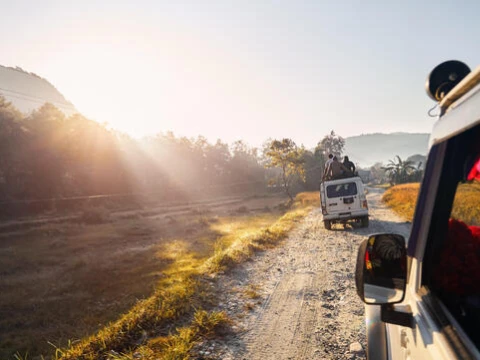
Transportation is an important part of the Manaslu Circuit Trek, as the journey from Kathmandu to the trailhead passes through hilly and sometimes rough road conditions. Trekkers generally travel from Kathmandu toward Soti Khola or Machha Khola, depending on the road conditions, trekking itinerary, and seasonal accessibility.
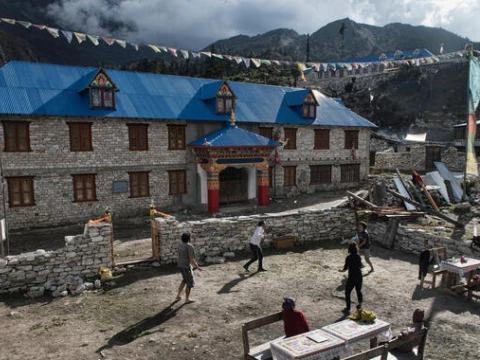
Accommodation is an important part of the Manaslu Circuit Trek experience, offering trekkers practical places to rest, eat, and recover after long days on the trail. Along the route, local tea houses, lodges, and guesthouses provide most accommodation. Facilities become more basic as the trail reaches higher and more remote areas
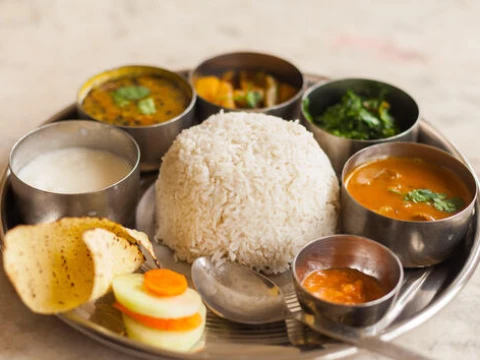
Food is an important part of the Manaslu Circuit Trek, helping trekkers maintain energy throughout long walking days and changing mountain conditions. Along the trail, most meals are served at local teahouses and lodges, where menus generally combine traditional Nepali dishes with familiar international trekking foods.


 (2)
(2)  100% recommend (0)
 (0)
(0)