
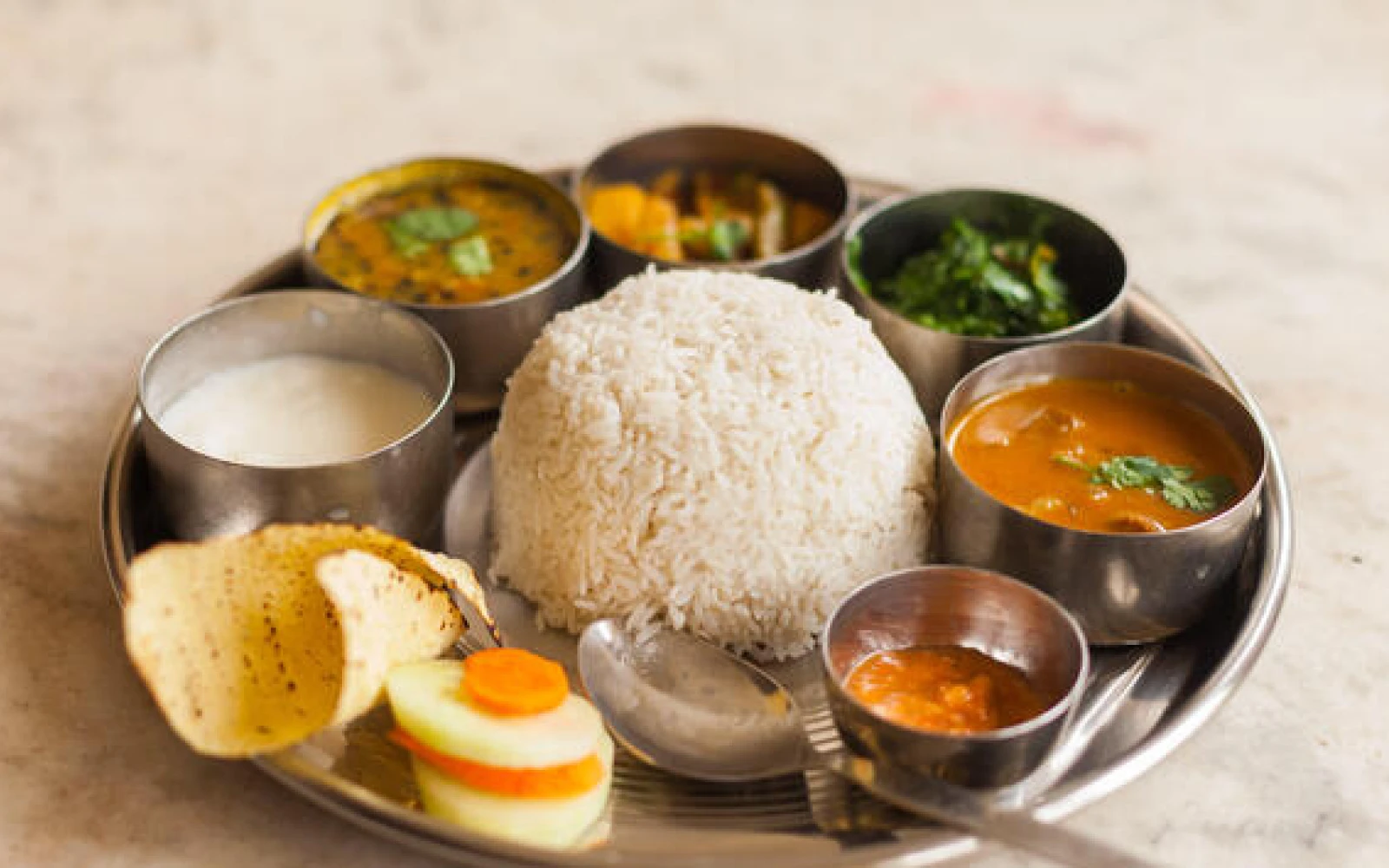
Food is an important part of the Manaslu Circuit Trek, helping trekkers maintain energy throughout long walking days and changing mountain conditions. Along the trail, most meals are served at local teahouses and lodges, where menus generally combine traditional Nepali dishes with familiar international trekking foods. Asiana Treks and Tours helps trekkers understand the available food choices and plan meals according to the demands of the journey.
The food experience on the Manaslu Circuit is also an opportunity to experience local Himalayan culture. Meals are usually simple, filling, and prepared with ingredients that can be transported and stored in remote mountain villages. A balanced combination of carbohydrates, protein, vegetables, and fluids can help support trekkers during gradual altitude gains.
The Manaslu Circuit Trek passes through remote villages where food supplies and menus can become more limited as you gain altitude. Even so, trekkers can generally find a variety of nutritious meals, including rice, lentils, noodles, pasta, soups, potatoes, eggs, vegetables, bread, and Tibetan-influenced dishes. The exact choices can vary depending on the village, season, and availability of ingredients.
At lower elevations, menus may offer more variety, while higher settlements tend to focus on simple meals that are practical to prepare in mountain conditions. Asiana Treks and Tours recommends choosing warm, freshly prepared meals and drinking sufficient fluids throughout the trek.
Trekkers can expect a mixture of traditional Nepali food, Tibetan-influenced dishes, and familiar international meals. Dal bhat, a combination of rice, lentil soup, vegetables, and sometimes curry or pickle, is one of the most popular choices because it is filling and commonly available. Momos, thukpa, Tibetan bread, noodle dishes, and potato-based meals are also common along the route.
International options such as pasta, pizza, pancakes, porridge, fried rice, noodles, sandwiches, and eggs may also appear on teahouse menus. However, the selection can be more limited in remote villages, so it is useful to remain flexible about meal choices.
Breakfast is an important meal before beginning a long day of trekking. Most teahouses serve breakfast early, allowing trekkers to eat before setting out. A good breakfast should provide carbohydrates for sustained energy while including some protein and fluids to help prepare for the day's walking.
Common breakfast choices include porridge, eggs, pancakes, Tibetan bread, toast, cereal, potatoes, and hot drinks. Trekkers can choose a lighter meal at lower elevations if preferred, while a more substantial breakfast may be useful before particularly long or demanding trekking days.
Porridge is a popular breakfast because it is warm, easy to eat, and provides carbohydrates for trekking. Eggs and Tibetan bread are also common choices, particularly for trekkers who prefer a more substantial savory breakfast. Pancakes with honey or jam can provide a convenient source of energy before starting the day's route.
Hot drinks are an important part of breakfast in the Himalayan environment. Tea, coffee, and hot chocolate can provide warmth and fluids during chilly mornings. Asiana Treks and Tours encourages trekkers to combine food and hydration rather than relying only on caffeinated beverages.
Lunch is normally taken at a teahouse or lodge along the trail, depending on the day's itinerary. Since trekking days can involve several hours of walking, lunch should be satisfying without being excessively heavy. Many trekkers choose rice, noodles, soup, dal bhat, or potato dishes because these foods are practical and provide useful energy.
Lunch menus can differ considerably between villages. In remote sections of the Manaslu Circuit, trekkers may have fewer choices than in larger settlements. Asiana Treks and Tours can help trekkers understand the meal options available during different stages of the route and plan appropriately.
Foods rich in carbohydrates are particularly useful during trekking because walking for several hours requires a steady supply of energy. Rice, potatoes, noodles, pasta, bread, and similar foods can form the main part of a trekking lunch. Adding vegetables, lentils, eggs, or another protein source can make the meal more balanced.
Warm soups can also be useful, especially when trekking through colder sections of the circuit. A lunch that is familiar and easy to digest can be preferable to experimenting with unfamiliar or very heavy foods during a demanding trekking day.
Dinner is usually the main recovery meal after a full day on the trail. Trekkers return to their teahouse, warm up, and enjoy a freshly prepared meal before resting. Popular dinner choices include dal bhat, noodles, fried rice, pasta, soups, potatoes, vegetables, and momos, depending on the teahouse menu.
A warm and balanced dinner can help replenish energy used during the day. Because temperatures can become very cold at higher elevations, hot meals and warm drinks are particularly appealing in the evening. Trekkers should also maintain adequate hydration throughout the evening without excessively disrupting sleep.
Dal bhat is among the most familiar dinner choices on the Manaslu Circuit because it is substantial and commonly available. A typical serving combines steamed rice with lentil soup, vegetables, and sometimes curry, pickle, or additional side dishes. Depending on the teahouse, portions may be generous enough to support trekkers after a demanding day.
Other popular dishes include thukpa, chow mein, fried rice, pasta, momos, vegetable curry, and potato dishes. Tibetan-influenced foods are particularly relevant in the Himalayan region, adding variety to the trekking food experience. Asiana Treks and Tours can provide guidance on meal planning and food expectations before and during the trek.
Snacks are useful between meals, particularly during long walking sections or when lunch is still several hours away. Trekkers can carry energy bars, chocolate, nuts, dried fruit, biscuits, and other lightweight foods. These items are convenient because they can be eaten quickly without interrupting the trekking schedule.
Hydration is equally important. Tea, hot lemon, soup, and other warm drinks are commonly available at teahouses, while trekkers should also carry sufficient drinking water. Asiana Treks and Tours recommends preparing snacks before entering more remote sections, where the selection of packaged foods may be smaller.
Eating well during the Manaslu Circuit Trek involves maintaining regular meals, choosing foods that provide sustained energy, and paying attention to hydration. Because appetite can change with altitude, trekkers may find smaller but frequent meals easier to manage. Familiar foods can also be a practical choice when the body is adjusting to higher elevations.
Food hygiene and personal tolerance are important considerations. Choose freshly prepared meals when possible, drink treated or properly purified water, and avoid eating foods that you know may upset your stomach. Asiana Treks and Tours can provide practical guidance on meals, snacks, hydration, and food preparation before departure.
Preparing for the food aspect of the Manaslu Circuit Trek is part of preparing for the entire trekking experience. Trekkers should understand that menus become more basic in remote and higher-altitude areas, while local dishes such as dal bhat, momos, thukpa, and Tibetan bread provide authentic Himalayan dining experiences.
Asiana Treks and Tours can help trekkers prepare for the practical realities of eating on the trail, including meal expectations, snacks, hydration, and dietary considerations. Sharing dietary restrictions or food allergies with the trekking company before departure is especially important so appropriate arrangements can be discussed in advance.
Snacks are an important part of the Manaslu Circuit Trek, especially during long walking days when there may be several hours between meals. Asiana Treks and Tours recommends carrying lightweight snacks that are easy to access while walking, such as energy bars, nuts, dried fruit, biscuits, chocolate, and granola. These foods can provide a quick boost when you feel tired or hungry between breakfast and lunch or during afternoon trekking.
You can also purchase snacks at teahouses and small shops along parts of the route, although choices generally become more limited in remote and higher-altitude villages. Carrying a personal supply is therefore useful. Snacks should complement your regular meals rather than replace them, helping you maintain steady energy throughout the day.
High-energy snacks are particularly useful on steep sections of the Manaslu Circuit, where trekking can require considerable physical effort. Foods containing carbohydrates can provide readily available energy, while nuts, seeds, and nut butters can provide a combination of energy, fats, and protein. Asiana Treks and Tours suggests selecting snacks that you already know you enjoy and can digest comfortably.
Chocolate, trail mix, dried fruit, energy bars, and roasted nuts are convenient because they are lightweight and do not require cooking. It is also useful to divide snacks into small portions so that you can eat them gradually during the day rather than carrying everything in one large package.
The Manaslu Circuit offers trekkers an opportunity to experience traditional Nepali cuisine alongside familiar trekking foods. Meals served at teahouses commonly include rice, lentils, vegetables, potatoes, pickles, and locally prepared breads. Asiana Treks and Tours encourages trekkers to experience local dishes because food is an important part of understanding the culture and lifestyle of Himalayan communities.
The cuisine can also reflect Tibetan and Himalayan influences, particularly as the trail reaches higher villages. Dishes such as momos, thukpa, Tibetan bread, and noodle-based meals are popular choices. Trying different local foods can add another memorable dimension to the trekking experience.
Dal bhat is one of the most recognizable meals in Nepal and is a common choice for trekkers on the Manaslu Circuit. It traditionally combines steamed rice with dal, a lentil soup, along with vegetables, curry, pickles, and other side dishes depending on the teahouse. The combination provides carbohydrates and plant-based protein and can be particularly satisfying after several hours of walking.
One reason dal bhat is popular with trekkers is its simplicity and familiarity throughout Nepal. Portions can vary between teahouses, and additional servings may sometimes be available. Asiana Treks and Tours recommends dal bhat as one of the practical meals to consider during the trek, while also encouraging trekkers to enjoy the other dishes available along the route.
Vegetarian food is widely available on the Manaslu Circuit because many traditional Nepali meals are based on rice, lentils, vegetables, potatoes, and grains. Vegetarian trekkers can usually find dishes such as dal bhat, vegetable curry, fried rice, vegetable noodles, soups, potatoes, and momos with vegetable fillings at teahouses.
Vegan trekkers may need to communicate their requirements clearly because some dishes that appear vegetarian can contain milk, butter, cheese, or eggs. Asiana Treks and Tours recommends informing the trekking team and teahouse staff about your dietary preferences before ordering, particularly in remote villages where ingredients and menu choices may be limited.
Trekkers with specific dietary requirements should communicate their needs to Asiana Treks and Tours before beginning the Manaslu Circuit Trek. Dietary restrictions can include vegetarian, vegan, gluten-free, dairy-free, allergy-related, or other personal requirements. Advance communication makes it easier to discuss practical food choices with the trekking team and accommodation providers.
Food availability can become more limited as the trail moves into remote mountain areas. For this reason, trekkers with strict dietary requirements may benefit from carrying a few supplementary foods that are suitable for their diet. Clear communication is especially important when dealing with serious food allergies.
Staying hydrated is an essential part of trekking the Manaslu Circuit. Walking for several hours, combined with cold and dry mountain conditions, can increase the need to pay attention to fluid intake. Trekkers can obtain drinking water at teahouses and other locations, but water should be treated, filtered, or otherwise appropriately purified before drinking unless it is confirmed safe.
Carrying a reusable water bottle or hydration system makes it easier to drink regularly during the day. Asiana Treks and Tours can provide guidance on water sources and suitable purification practices as part of trek preparation. Trekkers should avoid waiting until they feel very thirsty before drinking.
Tea is one of the most common drinks available along the Manaslu Circuit and is especially welcome during cold mornings and evenings. Black tea, milk tea, lemon tea, and other varieties may be available at teahouses. Coffee and hot chocolate can also be found at many lodges, although choices may become more limited in remote locations.
Warm soups and other hot drinks can also contribute to fluid intake while providing warmth in the mountain environment. Asiana Treks and Tours recommends treating caffeinated drinks as part of your overall beverage intake while continuing to drink sufficient water throughout the day.
Food prices on the Manaslu Circuit generally vary according to location, altitude, transportation access, and the ingredients required to prepare a meal. Prices tend to increase in more remote and higher-altitude areas because supplies are more difficult and expensive to transport. Menu prices can also vary between individual teahouses.
Asiana Treks and Tours can provide current practical information about expected meal costs when preparing your trek. Trekkers should budget for food and drinks separately from other personal expenses and understand that items such as bottled drinks, snacks, hot beverages, and imported products can cost more in remote mountain settlements.
Eating well becomes particularly important as the Manaslu Circuit reaches higher elevations. Some trekkers experience reduced appetite while adjusting to altitude, making it useful to choose familiar, nutritious, and easily digestible foods. Regular meals can help maintain energy even when you do not feel especially hungry.
Warm carbohydrate-rich meals such as dal bhat, potatoes, rice, noodles, porridge, and soup are practical choices in cold mountain conditions. Asiana Treks and Tours recommends listening to your body, eating regularly, and maintaining hydration rather than skipping meals during demanding trekking days.
Packing personal snacks can be particularly useful for the more remote portions of the Manaslu Circuit. Lightweight foods with a good energy-to-weight ratio are ideal because every additional item adds to the load you or your porter carries. Choose foods that can tolerate changes in temperature and do not require refrigeration.
The exact quantity depends on your personal preferences, trek duration, and dietary requirements. Asiana Treks and Tours can help you determine what additional food supplies may be useful. Trekkers with allergies or specialized diets should consider bringing extra suitable snacks in case local menus cannot meet their needs.
Food safety is important throughout the Manaslu Circuit, particularly because the trek passes through remote areas where medical facilities may be limited. Choose freshly prepared and properly cooked meals whenever possible. Be cautious with foods that may have been exposed to unsafe temperatures or poor storage conditions.
Personal hygiene also plays an important role. Wash or sanitize your hands before eating and use properly treated drinking water. Asiana Treks and Tours can provide practical advice about food and water hygiene as part of the trekking preparation process.
Food is an important part of maintaining energy and enjoying the Manaslu Circuit Trek. The trail provides a mixture of traditional Nepali dishes, Tibetan-influenced foods, and familiar international meals, although choices can become simpler at higher elevations. Planning ahead allows you to make the most of the available food while maintaining a balanced diet.
Asiana Treks and Tours recommends approaching meals with flexibility and preparing a small personal supply of high-energy snacks. Eat regularly, drink enough water, choose freshly prepared foods, and communicate dietary requirements in advance. With sensible food planning, meals can become both an important source of trekking energy and a memorable part of the Himalayan experience.
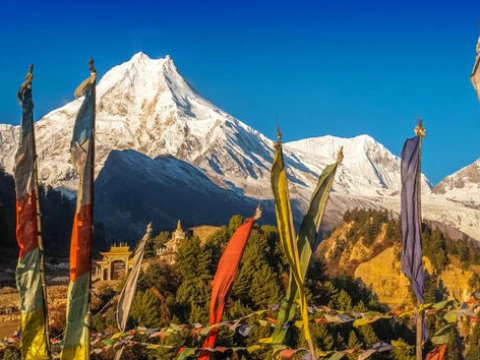
The Manaslu Circuit Trek in 2026 requires several permits because the route passes through the Manaslu Restricted Area and the Manaslu Conservation Area, with the itinerary commonly continuing toward the Annapurna Conservation Area after crossing Larkya La. Trekkers should arrange the required permits before entering the respective areas
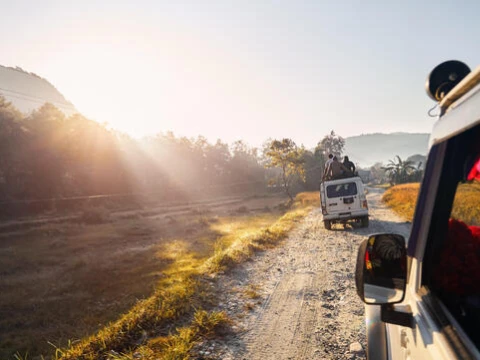
Transportation is an important part of the Manaslu Circuit Trek, as the journey from Kathmandu to the trailhead passes through hilly and sometimes rough road conditions. Trekkers generally travel from Kathmandu toward Soti Khola or Machha Khola, depending on the road conditions, trekking itinerary, and seasonal accessibility.
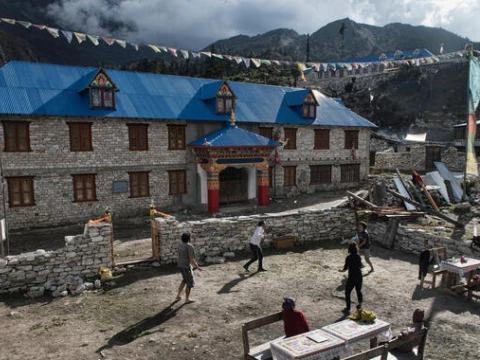
Accommodation is an important part of the Manaslu Circuit Trek experience, offering trekkers practical places to rest, eat, and recover after long days on the trail. Along the route, local tea houses, lodges, and guesthouses provide most accommodation. Facilities become more basic as the trail reaches higher and more remote areas


 (2)
(2)  100% recommend (0)
 (0)
(0)