
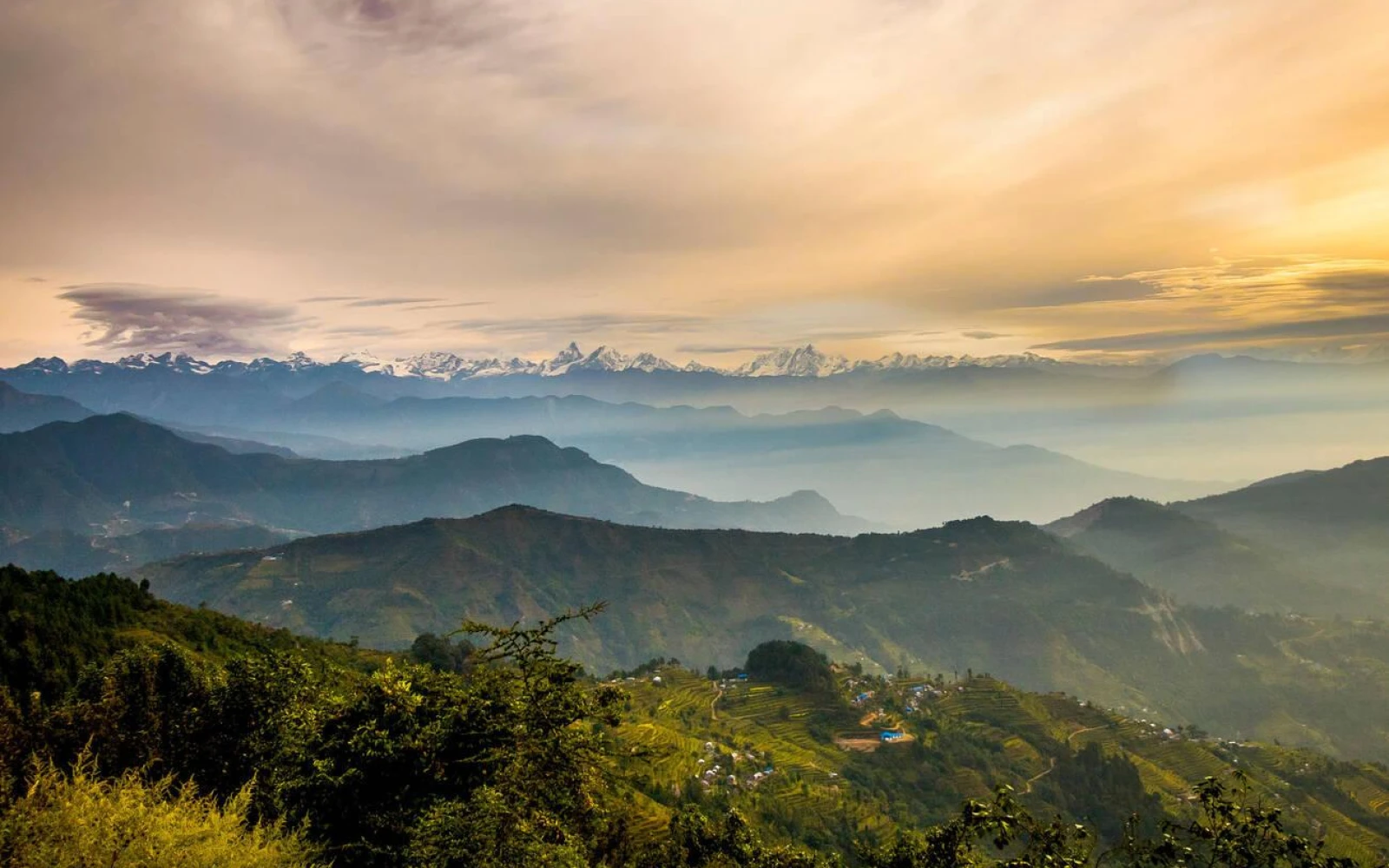
Chisapani stands quietly on the northeastern edge of the Kathmandu Valley, offering a refreshing escape from the city’s bustle without demanding an extreme trek. Nestled within the serene landscapes of Shivapuri National Park, this hill station blends natural beauty, cultural simplicity, and accessible adventure into one rewarding destination. At an elevation of around 2,160 meters, it provides a cool climate and a tranquil atmosphere that feels worlds away from urban life.
What makes Chisapani truly special is its balance—it’s neither too remote nor overly commercialized. Trekkers can enjoy panoramic Himalayan vistas, peaceful forest trails, and authentic village experiences without the crowds found in more famous trekking routes. Whether you’re a first-time hiker or a seasoned traveler looking for a short getaway, Chisapani offers a perfect introduction to Nepal’s natural charm.
Key Points:
Discovering Chisapani feels like uncovering a well-kept secret just beyond Kathmandu’s horizon. The journey itself—whether starting from Sundarijal or via routes like Kutumsang gradually reveals lush forests, ridge-line trails, and quiet settlements that set the tone for the destination ahead. As you walk through rhododendron forests and alongside small streams, the transition from city noise to mountain silence becomes deeply noticeable.
By the time you arrive, Chisapani welcomes you with sweeping views of the Himalayas, including ranges like Langtang and Ganesh Himal. The simplicity of local lodges and the warmth of the community enhance the experience, making it less about luxury and more about connection—with nature and with the rhythm of rural life. Guided experiences with Asiana Treks and Tours ensure that travelers not only reach the destination comfortably but also gain deeper insight into the region’s culture and environment.
Key Points:
Chisapani is located northeast of Kathmandu, positioned on the edge of the Kathmandu Valley and bordering the protected forests of Shivapuri. It lies along popular trekking routes that connect to Nagarkot and even extend toward the Langtang and Gosainkunda regions. Despite its proximity to the capital, the area retains a pristine, untouched feel, making it a favorite among hikers seeking quick yet meaningful outdoor experiences.
The most common approach begins with a short drive to Sundarijal, followed by a 5–6 hour hike through forested trails. Alternatively, longer treks—like the one passing through Kutumsang, Gul Bhanjyang, and Pati Bhanjyang—offer a more immersive journey before reaching Chisapani. Its strategic location makes it both a destination and a gateway, suitable for standalone trips or as part of extended trekking itineraries.
Key Points:
Chisapani earns its reputation as a hidden gem because it offers many of Nepal’s best trekking features without the usual crowds. The panoramic viewpoints provide breathtaking sights of snow-capped peaks, while the surrounding hills and valleys create a layered landscape that changes beautifully with the light. Early mornings and sunsets are particularly magical, often revealing clear Himalayan vistas that rival more famous destinations.
Another reason for its charm is its accessibility, combined with authenticity. Unlike heavily commercialized trekking hubs, Chisapani retains a quiet, rustic feel. Visitors can enjoy peaceful trails, diverse flora and fauna, and a slower pace of life. With thoughtfully organized trips by Asiana Treks and Tours, travelers can experience this hidden treasure comfortably while still preserving the essence of adventure.
Key Points:
Reaching Chisapani can be done through several scenic trekking routes, each offering a different experience depending on your time, fitness level, and adventure goals. The most popular approach begins with a short drive from Kathmandu to Sundarijal, followed by a hike through Shivapuri National Park. This route is widely used for short treks and is often combined with Nagarkot for sunrise views or extended toward the Langtang region.
Another rewarding option is the longer trekking approach through Kutumsang, Gul Bhanjyang, and Pati Bhanjyang, which forms part of the broader Helambu and Langtang-Gosaikunda trekking corridor. This route offers a deeper Himalayan trekking experience and gradually connects trekkers into the famous Langtang Valley and Gosainkunda trail network. Guided support from Asiana Treks and Tours ensures smooth navigation, permits, and cultural insights throughout the journey.
Key Points:
The best time to visit Chisapani is during the spring (March to May) and autumn (September to November) seasons. During these months, the weather is stable, the skies are generally clear, and the Himalayan views are at their most spectacular. Spring brings blooming rhododendrons and lush greenery, while autumn offers crisp air and crystal-clear mountain visibility.
Winter is also possible for trekking, but temperatures can drop significantly, especially at night. Monsoon season (June to August) brings heavy rainfall, slippery trails, and limited mountain visibility, making it less favorable for trekking. However, some experienced trekkers still enjoy the lush greenery and quieter trails during this time with proper preparation and guidance from Asiana Treks and Tours.
Key Points:
Trekking to Chisapani is a moderately easy yet rewarding journey that blends forest trails, ridge walks, and traditional village paths. The route passes through dense forests of oak, pine, and rhododendron inside Shivapuri National Park, where trekkers may encounter birds, wildlife, and peaceful natural surroundings. The gradual ascent ensures a manageable challenge for beginners while still offering a satisfying trekking experience.
As you progress along the trail, you’ll pass small settlements, terraced fields, and ridgelines with occasional panoramic viewpoints. The final stretch toward Chisapani rewards trekkers with sweeping Himalayan vistas and a calm village atmosphere. With support from Asiana Treks and Tours, trekkers benefit from well-planned itineraries, experienced guides, and comfortable overnight arrangements in local lodges.
Key Points:
Chisapani is best known for its breathtaking panoramic views of the Himalayas and surrounding valleys. On clear days, trekkers can see peaks from the Langtang range, Ganesh Himal, and even distant views of the Everest region mountains. Sunrise and sunset are especially magical, as golden light slowly spreads across snow-covered peaks and rolling green hills.
Beyond mountain views, the area is rich in biodiversity and natural beauty. Located within Shivapuri National Park, the region is filled with dense forests, waterfalls, and peaceful walking trails. This combination of mountain scenery and forest landscapes makes Chisapani a perfect retreat for nature lovers, photographers, and trekkers seeking tranquility. Organized journeys with Asiana Treks and Tours ensure travelers experience the best viewpoints and hidden scenic spots safely.
Key Points:
Local Culture and Lifestyle in Chisapani
The local culture in Chisapani reflects the simple, grounded lifestyle of the hill communities living on the edge of the Kathmandu Valley. Most residents are engaged in agriculture, small-scale tourism, and seasonal trekking services. Life here moves at a slower pace, shaped by nature, weather, and traditional practices. Visitors often notice warm hospitality, where locals welcome trekkers with genuine friendliness despite modest living conditions.
Culturally, the region is influenced by a mix of ethnic groups common in the Himalayan foothills. Traditional festivals, local farming routines, and religious practices are still part of daily life. Travelers trekking with Asiana Treks and Tours often get opportunities to interact with villagers, learn about their customs, and experience authentic rural Nepalese culture.
Key Points:
Chisapani lies within the protected ecosystem of Shivapuri National Park, making it an excellent destination for wildlife and nature enthusiasts. The dense forests are home to various species of birds, butterflies, and small mammals, offering a rich biodiversity experience just a short distance from Kathmandu. The peaceful forest trails allow trekkers to feel fully immersed in nature.
The park’s ecosystem includes oak, rhododendron, pine, and mixed hardwood forests, creating a vibrant natural environment throughout the year. Birdwatchers especially enjoy spotting Himalayan species, while nature lovers appreciate the untouched landscapes and fresh mountain air. With guided treks organized by Asiana Treks and Tours, visitors can safely explore deeper forest trails while learning about conservation and ecology.
Key Points:
Accommodation in Chisapani is simple but comfortable, mainly consisting of small family-run lodges and guesthouses. These lodges provide basic rooms with warm bedding, essential facilities, and stunning mountain or valley views. While luxury hotels are not available, the charm lies in the authenticity and warm local hospitality offered by the hosts.
Food options are traditional and freshly prepared, usually including Nepali meals such as dal bhat, noodles, soups, and simple vegetarian or non-vegetarian dishes. Meals are hearty, designed to support trekkers after long walking days. Travelers organized by Asiana Treks and Tours often enjoy pre-arranged meals and trusted lodge stays, ensuring safety, cleanliness, and convenience throughout the journey.
Key Points:
Chisapani is not just a trekking stop—it also offers several relaxing and enriching activities for visitors. One of the most popular experiences is simply enjoying the panoramic sunrise and sunset views over the Himalayas. The peaceful environment makes it an ideal place for meditation, photography, and nature appreciation.
Visitors can also explore nearby village trails, interact with locals, or take short forest walks inside Shivapuri National Park. Birdwatching, stargazing, and cultural observation are other rewarding activities. With guidance from Asiana Treks and Tours, travelers can customize their stay to include photography sessions, village experiences, or extended trekking combinations toward Nagarkot or the Langtang region.
Key Points:
Visiting Chisapani for the first time is a rewarding experience, but a little preparation goes a long way in making the journey smooth and enjoyable. The trails are well-marked, yet they pass through forested and hilly terrain, so maintaining a steady pace and staying hydrated is important. First-time trekkers should also be prepared for changing weather conditions, especially as temperatures can shift quickly in the hills surrounding Kathmandu.
It’s also recommended to start early in the day to make the most of daylight hours and reach Chisapani comfortably before evening. Hiring experienced guides through Asiana Treks and Tours ensures not only safety but also better cultural understanding and route navigation. First-time visitors benefit greatly from guided itineraries, especially when combining routes through Shivapuri National Park or extending toward Nagarkot or Langtang trails.
Key Points:
Packing correctly for Chisapani is essential because the trek combines forest trails, ridge walks, and varying altitudes. Lightweight clothing that can be layered is the best choice, as mornings and evenings can be cool while midday temperatures remain moderate. Good trekking shoes are necessary to handle uneven and sometimes slippery paths, especially inside Shivapuri National Park.
Apart from clothing, trekkers should carry essentials such as a water bottle, snacks, sunscreen, and a first aid kit. A rain jacket or windproof layer is highly recommended, especially during unpredictable weather seasons. Many trekkers rely on organized trips by Asiana Treks and Tours, which often help ensure proper packing guidance and even provide essential gear support if needed.
Key Points:
Chisapani’s charm lies in its untouched natural beauty and peaceful environment, and responsible travel is essential to keeping it that way. As part of the fragile ecosystem within Shivapuri National Park, even small actions like waste disposal and trail respect can significantly impact the environment. Trekkers are encouraged to minimize plastic use and avoid disturbing wildlife or vegetation.
Responsible tourism also includes respecting local culture and supporting community-based tourism. Staying in local lodges, eating locally prepared meals, and hiring local guides helps sustain the economy of mountain communities. Organizations like Asiana Treks and Tours actively promote eco-friendly trekking practices, ensuring that tourism benefits both visitors and residents while preserving natural heritage.
Key Points:
Chisapani is one of the most accessible yet rewarding trekking destinations near Kathmandu, offering a perfect blend of natural beauty, cultural richness, and Himalayan views. Its location within reach of the capital makes it ideal for both short escapes and longer trekking extensions toward Langtang or Nagarkot. Whether you are a beginner or an experienced trekker, Chisapani delivers a refreshing break from urban life.
From peaceful forest walks in Shivapuri National Park to breathtaking mountain panoramas and warm village hospitality, every moment in Chisapani feels meaningful. With professional support from Asiana Treks and Tours, travelers can enjoy a well-organized, safe, and memorable journey into one of Nepal’s most underrated gems.
Key Points:
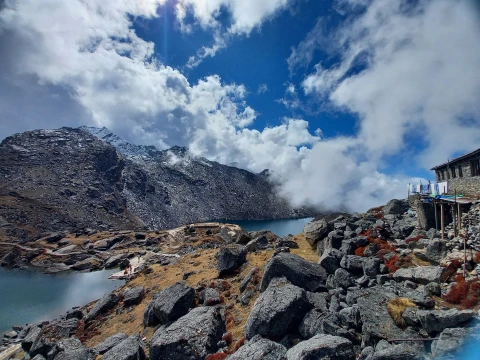
Nestled high in the Himalayas within Langtang National Park, Gosaikunda Lake stands as one of Nepal’s most breathtaking alpine destinations. At an elevation of 4,380 meters, this sacred lake captivates visitors with its pristine turquoise waters, dramatic mountain backdrop, and serene spiritual atmosphere. Surrounded by rugged peaks
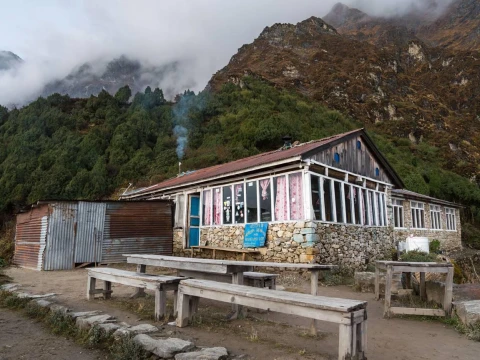
Ghopte is one of those rare Himalayan stops that feels untouched by time and tourism. Perched at an altitude of 3,530 meters inside Langtang National Park, this small cluster of teahouses offers trekkers a quiet refuge amid towering ridgelines, mossy forests, and sweeping alpine views. Unlike more popular trekking destinations in Nepal, Ghopte
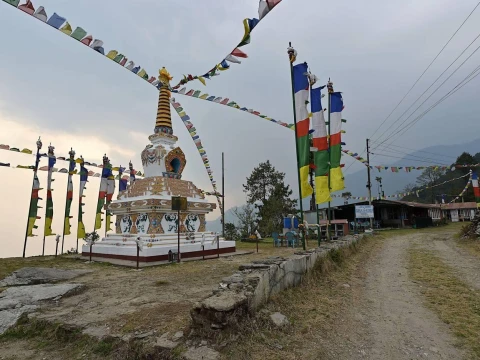
Kutumsang is one of those places that quietly surprises trekkers. Sitting at around 2,470 meters in Nepal’s Langtang Helambu region, it offers a balance of accessibility and an authentic mountain experience. Unlike the more crowded trekking hubs, Kutumsang retains a peaceful charm, where nature and culture still feel largely untouched.


 (2)
(2)  100% recommend (0)
 (0)
(0)