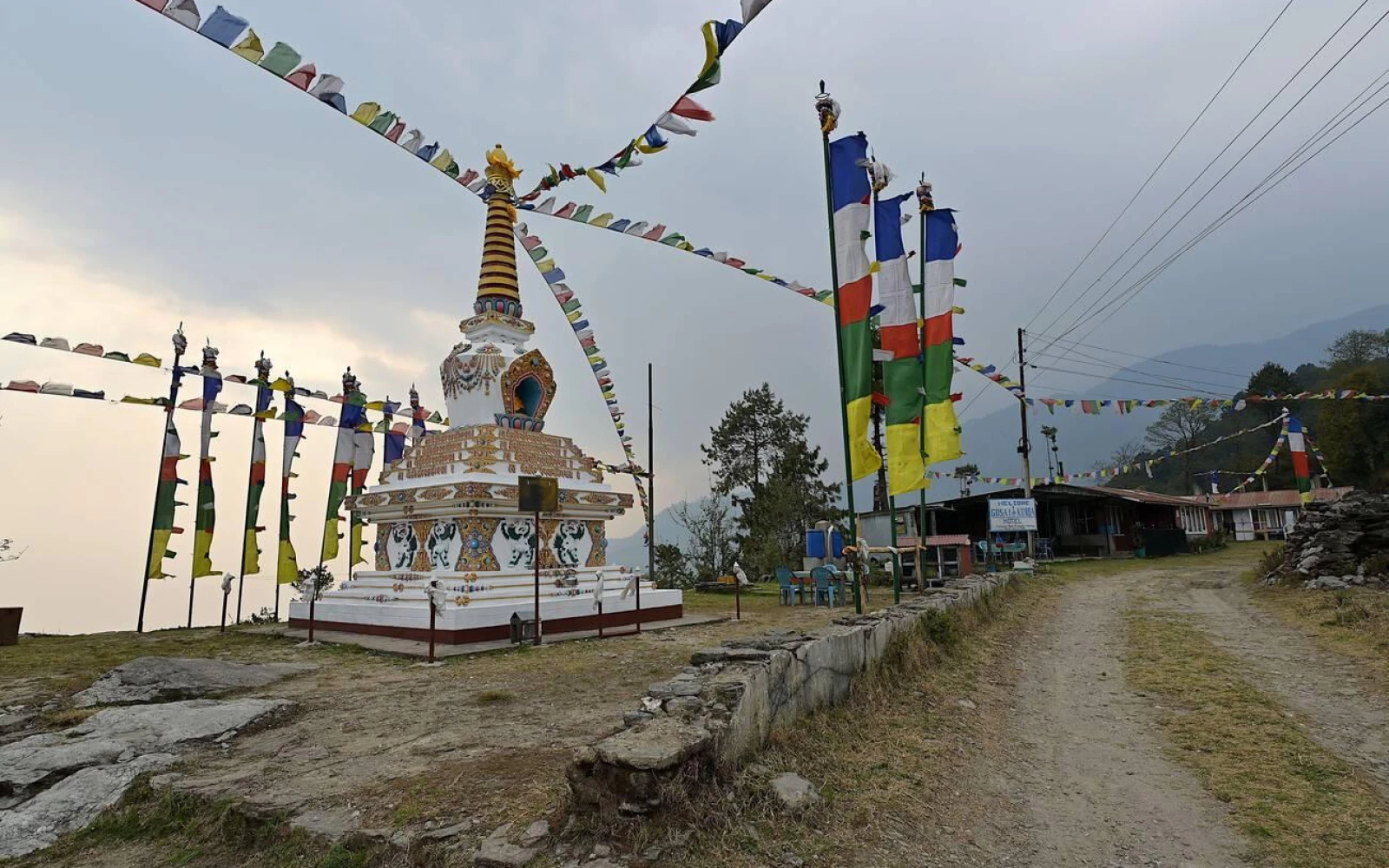
Kutumsang is one of those places that quietly surprises trekkers. Sitting at around 2,470 meters in Nepal’s Langtang Helambu region, it offers a balance of accessibility and an authentic mountain experience. Unlike the more crowded trekking hubs, Kutumsang retains a peaceful charm, where nature and culture still feel largely untouched. The village sits along a scenic ridge, offering sweeping views of surrounding hills and distant Himalayan peaks.
For trekkers traveling with Asiana Treks and Tours, Kutumsang often becomes a memorable highlight, not just a stopover, but a place to pause and absorb the rhythm of mountain life. The surrounding trails pass through forests of rhododendron, pine, and juniper, creating a constantly changing landscape that feels immersive rather than overwhelming. The atmosphere here is calm, making it ideal for acclimatization and reflection.
Key Highlights:
Kutumsang is more than just a geographic location; it’s an introduction to the cultural and natural richness of Nepal’s mid-hills. As trekkers move away from the bustling energy of Kathmandu, Kutumsang provides a gentle transition into the quieter, more traditional lifestyle of the region. Stone houses, terraced fields, and warm local hospitality define the village experience.
With Asiana Treks and Tours, travelers are guided not only through the trails but also through the stories of the region. The Helambu area is known for its unique cultural identity, influenced by the Tamang and Hyolmo communities. Spending time in Kutumsang allows trekkers to observe daily life, taste local food, and experience a slower pace that contrasts sharply with urban life.
What Makes It Special:
Kutumsang lies in the Sindhupalchok district, northwest of Kathmandu, within the Langtang National Park region. Though relatively close to the capital, it feels worlds apart due to its elevated terrain and remote setting. It is typically reached after trekking through Chisapani and other mid-hill settlements, making it a natural progression into higher altitudes.
Trekkers choosing Asiana Treks and Tours benefit from well-planned itineraries that position Kutumsang as a strategic and scenic stop. Its location on the Helambu trail makes it a key junction for routes leading toward Tharepati, Ama Yangri, and even connections to the Gosaikunda Pass trek. Despite its accessibility, it remains less commercialized, preserving its raw beauty.
Location Details:
The trek to Kutumsang is as rewarding as the destination itself. Starting from lower elevations like Sundarijal or Chisapani, the trail gradually ascends through dense forests and open ridges. Along the way, trekkers pass through groves of rhododendron, pine, and juniper, often accompanied by birdsong and glimpses of distant peaks. The terrain is moderately challenging, making it suitable for both beginners and experienced hikers.
With Asiana Treks and Tours, the journey is carefully paced to ensure both comfort and enjoyment. As trekkers approach Kutumsang, the landscape opens up, revealing wide mountain vistas and rolling hills. The first impression of the village is its serenity—quiet lodges, fresh mountain air, and a sense of isolation that feels refreshing rather than remote.
Trail Experience:
Kutumsang is a visual delight for trekkers who appreciate diverse landscapes within a relatively short trekking distance. The area is surrounded by dense forests of rhododendron, pine, and juniper, which change character with the seasons. In spring, the rhododendron blooms transform the hills into a vibrant palette of reds and pinks, while autumn offers crystal-clear skies and uninterrupted mountain views. The rolling hills around the village create a layered landscape that feels both expansive and intimate.
As you trek with Asiana Treks and Tours, the route toward Tharepati reveals some of the most stunning scenery in the Helambu region. From ridgelines and open meadows to forested descents, every section of the trail offers something unique. On clear days, trekkers are rewarded with breathtaking views of peaks like Gangchempo and Dorje Lakpa, making Kutumsang a perfect blend of natural serenity and Himalayan grandeur.
Natural Highlights:
Kutumsang offers a genuine glimpse into the traditional lifestyle of the Tamang community, one of the prominent ethnic groups in the Langtang region. The village is characterized by stone-built houses, terraced farming, and a strong sense of community. Daily life revolves around agriculture, livestock, and small-scale tourism, creating a simple yet fulfilling way of living that has remained largely unchanged over generations.
Traveling with Asiana Treks and Tours allows visitors to engage more deeply with local culture. Trekkers often have the opportunity to interact with villagers, taste homemade meals, and learn about customs, festivals, and religious practices influenced by Tibetan Buddhism. Prayer flags, small monasteries, and chortens along the trail add spiritual depth to the journey, making it as culturally enriching as it is scenic.
Cultural Experiences:
Choosing the right time to visit Kutumsang can significantly enhance the trekking experience. The two most popular seasons are spring (March to May) and autumn (September to November). During spring, the trails come alive with blooming rhododendrons and moderate temperatures, making it ideal for nature lovers. Autumn, on the other hand, offers stable weather, clear skies, and the best mountain visibility, which is perfect for photography and panoramic views.
With Asiana Treks and Tours, itineraries are carefully planned according to seasonal conditions to ensure safety and enjoyment. Winter (December to February) can be quite cold, with occasional snowfall at higher elevations, while the monsoon season (June to August) brings lush greenery but also slippery trails and limited visibility. Each season has its own charm, but proper preparation is key to making the most of your trek.
Seasonal Guide:
Kutumsang serves as a vital link within the Helambu and Langtang trekking network. It is commonly reached after Chisapani and acts as a stepping stone toward higher destinations like Tharepati, Ama Yangri, and even connections to the Gosaikunda Pass. The trails are well-established yet less crowded, offering a more peaceful trekking experience compared to other popular routes in Nepal.
When trekking with Asiana Treks and Tours, routes are designed to balance scenic beauty, cultural exposure, and physical challenge. From Kutumsang, the trail continues through forests and ridges, passing through places like Magen Goth and Kuala Bhanjyang before ascending or descending toward other key destinations. This flexibility makes Kutumsang an excellent base for exploring multiple trekking options within the Langtang region.
Route Highlights:
Kutumsang lies within a biologically rich zone of the Langtang region, where changing altitudes create a wide variety of ecosystems. As trekkers move through the trails, they encounter dense forests filled with rhododendron, oak, pine, and juniper. These forests not only add beauty to the journey but also play a crucial role in maintaining the ecological balance of the region. In spring, the blooming rhododendrons bring vibrant color to the hills, while moss-covered trees and shaded paths create a magical atmosphere year-round.
With Asiana Treks and Tours, trekkers are guided through these natural corridors with an appreciation for both scenery and biodiversity. The region is home to various bird species, making it a rewarding destination for birdwatchers. While larger wildlife like deer or langurs may occasionally be spotted, the quieter presence of nature—rustling leaves, distant bird calls, and fresh mountain air—defines the trekking experience. The diversity here makes every step feel connected to a thriving natural world.
Flora and Fauna Highlights:
Accommodation in Kutumsang is simple yet comfortable, reflecting the authentic mountain lifestyle of the region. Most trekkers stay in locally run teahouses or lodges, which provide basic amenities such as clean rooms, shared bathrooms, and warm communal dining areas. The hospitality of the local hosts is often a highlight, with friendly service that makes visitors feel at home despite the remote setting.
Traveling with Asiana Treks and Tours ensures that accommodation is well-organized and suited to your needs. Meals are typically hearty and designed to fuel trekkers for long days on the trail. Common dishes include dal bhat (rice, lentils, and vegetables), noodles, soups, and Tibetan-style bread. While options may be limited compared to cities, the food is fresh, filling, and often made with locally sourced ingredients.
Accommodation & Food Overview:
Kutumsang stands out as an ideal destination for travelers seeking tranquility away from crowded trekking routes. Unlike more commercialized areas in Nepal, this village offers a slower pace of life where visitors can truly disconnect and enjoy the natural surroundings. The quiet trails, minimal tourist traffic, and open landscapes create a sense of calm that is increasingly rare in popular trekking regions.
With Asiana Treks and Tours, this peaceful experience is enhanced through thoughtfully designed itineraries that allow time for rest, exploration, and cultural connection. Whether it’s enjoying a quiet sunrise over the hills, listening to the sounds of nature, or sharing stories with locals, Kutumsang provides moments of genuine stillness. It’s a place where trekking becomes not just a physical journey, but a mental and emotional retreat.
Why It’s Ideal for Peaceful Travel:
Preparing well for a trek to Kutumsang can make the difference between a challenging trip and a truly enjoyable experience. Although the altitude of around 2,470 meters is considered moderate, proper acclimatization is still important—especially if you plan to continue towards higher points like Tharepati. Gradual ascent, hydration, and listening to your body are key to avoiding altitude-related discomfort. Packing smart is equally essential, as weather conditions can shift quickly in the hills.
When traveling with Asiana Treks and Tours, much of the logistical planning is handled professionally, allowing trekkers to focus on the experience. However, personal preparation remains important. Bringing layered clothing, good trekking boots, and basic medical supplies ensures comfort throughout the journey. Since Kutumsang is relatively remote, it's also wise to carry essentials like snacks, water, and power banks.
Travel Tips:
Kutumsang’s charm lies in its untouched landscapes and authentic culture, and preserving this beauty requires responsible travel practices. Trekkers play an important role in minimizing environmental impact by avoiding littering, using reusable items, and respecting local resources. The forests and trails around Kutumsang are delicate ecosystems, and even small actions can contribute to their long-term protection.
With Asiana Treks and Tours, responsible tourism is a core value. The company encourages eco-friendly trekking practices and supports local communities by promoting locally owned accommodations and services. Respecting local customs, traditions, and religious sites is equally important. By being mindful travelers, visitors help ensure that Kutumsang remains a pristine and welcoming destination for future generations.
Responsible Travel Practices:
Kutumsang offers a unique blend of natural beauty, cultural richness, and quiet mountain life that is increasingly rare in today’s travel landscape. Its scenic trails, welcoming community, and breathtaking views make it a rewarding destination for trekkers of all levels. Whether you are seeking adventure, relaxation, or cultural exploration, Kutumsang provides a well-rounded experience without the crowds of more commercial trekking routes.
Choosing Asiana Treks and Tours ensures that your journey to Kutumsang is not only well-organized but also meaningful. With expert guidance, thoughtfully designed itineraries, and a commitment to responsible tourism, your trek becomes more than just a travel; it becomes a memorable connection with the Himalayas. Kutumsang is not just a stop along the way; it is a destination worth experiencing in its own right.
Why Visit Kutumsang:
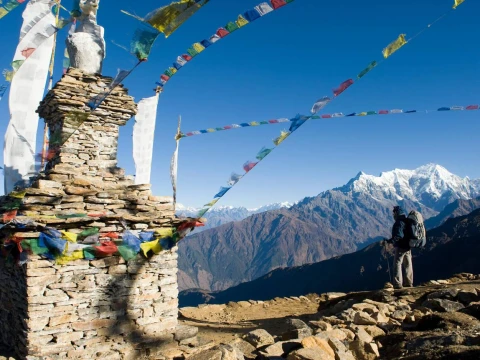
Lauri Binayak (also spelled Lauribinayak) and the nearby Lauribina La Pass together form one of the most rewarding high-altitude experiences in Nepal’s Langtang region. Sitting at elevations ranging from about 3,660 meters to 4,610 meters, this area serves as both a scenic ridge viewpoint and a vital crossing point along the Langtang
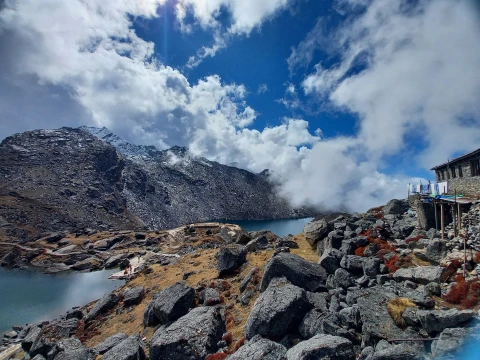
Nestled high in the Himalayas within Langtang National Park, Gosaikunda Lake stands as one of Nepal’s most breathtaking alpine destinations. At an elevation of 4,380 meters, this sacred lake captivates visitors with its pristine turquoise waters, dramatic mountain backdrop, and serene spiritual atmosphere. Surrounded by rugged peaks
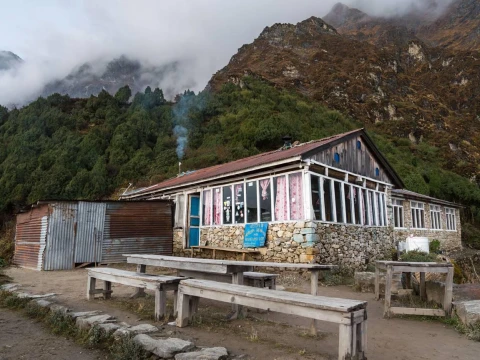
Ghopte is one of those rare Himalayan stops that feels untouched by time and tourism. Perched at an altitude of 3,530 meters inside Langtang National Park, this small cluster of teahouses offers trekkers a quiet refuge amid towering ridgelines, mossy forests, and sweeping alpine views. Unlike more popular trekking destinations in Nepal, Ghopte


 (2)
(2)  100% recommend (0)
 (0)
(0)