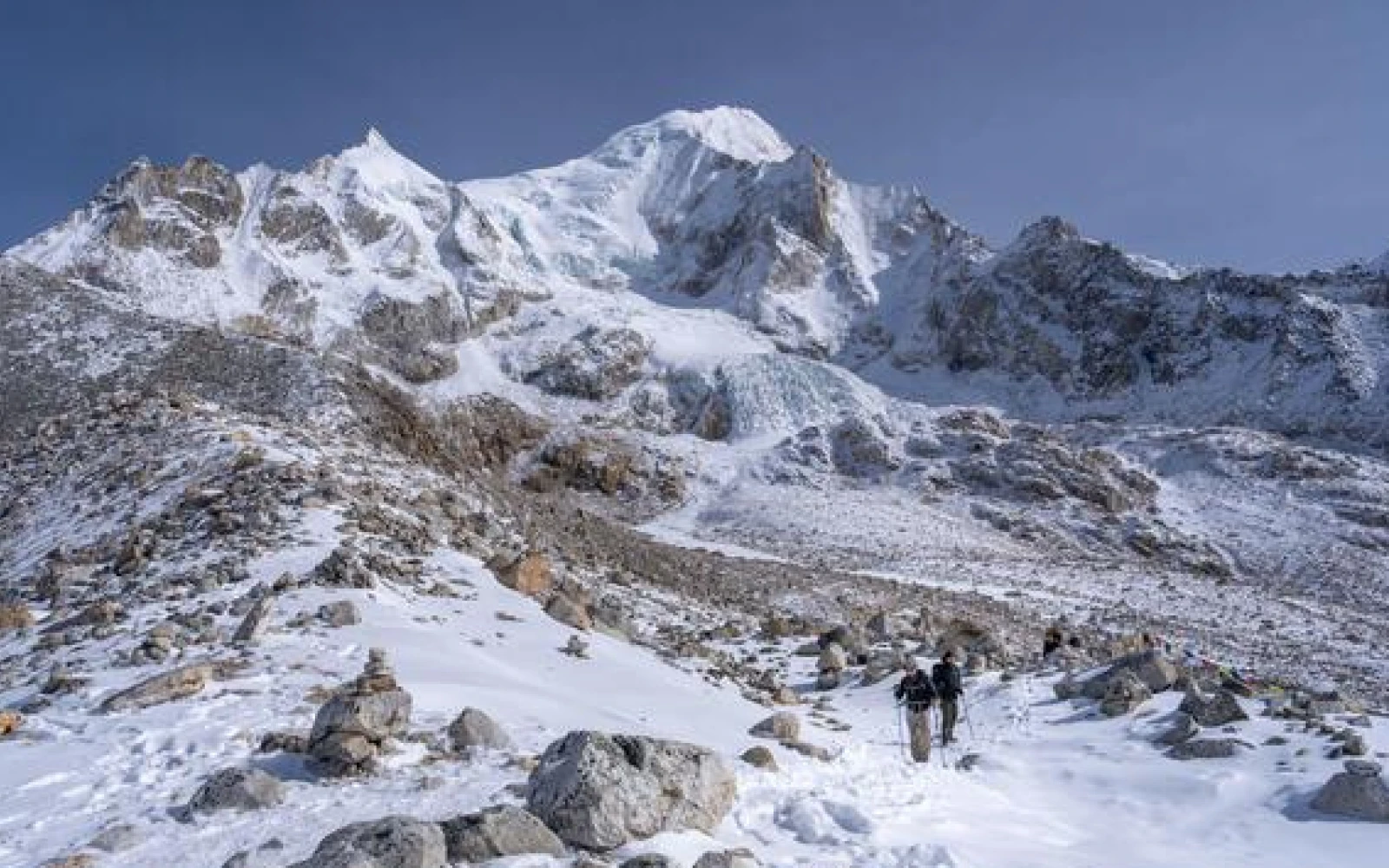
The Manaslu Circuit Trek is a spectacular high-altitude trekking journey in Nepal that circles Mount Manaslu, the world’s eighth-highest mountain at 8,163 meters. The trek combines dramatic Himalayan scenery, remote mountain villages, Buddhist culture, suspension bridges, and challenging high mountain terrain. One of the most important aspects of completing the trek safely is understanding the gradual increase in altitude and allowing your body enough time to adapt.
At Asiana Treks and Tours, we emphasize responsible trekking practices, gradual acclimatization, proper preparation, and awareness of altitude-related symptoms. The highest point of the classic Manaslu Circuit is Larkya La Pass at around 5,106 meters, making altitude management a major consideration throughout the journey.
The Manaslu Circuit Trek takes trekkers through the remote valleys and mountain landscapes surrounding Mount Manaslu. The route generally begins in the lower hills and gradually enters increasingly higher Himalayan terrain. Along the way, trekkers pass through traditional villages, forests, rivers, alpine meadows, and rugged mountain landscapes before crossing the Larkya La Pass.
The changing elevation is one of the defining features of the trek. Because the route rises from relatively low elevations to more than 5,000 meters, trekkers need to approach the journey with patience and appropriate acclimatization. Asiana Treks and Tours can structure the itinerary to include suitable rest and acclimatization periods while providing guidance on pacing, hydration, and altitude awareness.
Altitude changes significantly during the Manaslu Circuit Trek. The journey starts at a relatively low elevation and gradually climbs through the Budhi Gandaki Valley. As trekkers move higher, the landscape changes from subtropical forests to alpine environments, and the amount of available oxygen decreases.
Trekkers may begin noticing the effects of altitude as they move above approximately 2,500 meters, although individual responses vary. Higher elevations can make walking more physically demanding, even when the trail distance is relatively short. Near Larkya La, the combination of high elevation, cold temperatures, wind, and steep terrain can make the crossing particularly challenging.
The elevation profile of the Manaslu Circuit Trek generally follows a steady upward progression, although the trail includes numerous ascents and descents. From the lower starting point, the route climbs through villages such as Jagat, Deng, Namrung, and Samagaon before reaching the higher areas around Samdo and Dharamsala. This gradual progression gives trekkers an opportunity to become accustomed to increasing altitude.
The final approach to Larkya La represents the most significant elevation gain. Trekkers typically cross the pass and then descend toward the lower valleys. Careful pacing is especially important during the high-altitude section because the combination of elevation gain, steep trails, cold temperatures, and reduced oxygen can increase physical strain.
Approximate elevation progression:
Exact elevations and daily distances can vary depending on the itinerary and route conditions.
As altitude increases, atmospheric pressure decreases, meaning less oxygen is available with each breath. Your body responds by increasing breathing and heart rate, and you may initially experience tiredness, headaches, reduced appetite, disturbed sleep, or mild shortness of breath. These effects can occur even in physically fit trekkers.
Altitude-related illness can become serious if symptoms worsen or a trekker continues ascending despite significant problems. Symptoms such as severe or worsening headache, repeated vomiting, confusion, difficulty walking normally, breathlessness at rest, or extreme weakness require immediate attention. The safest response to serious altitude symptoms is to stop ascending and descend to a lower elevation, with emergency assistance when necessary.
Acclimatization is an essential part of the Manaslu Circuit Trek because the route reaches elevations above 5,000 meters at Larkya La Pass. As you ascend, the air becomes thinner, and your body needs time to adapt to the lower oxygen availability. A gradual ascent with properly planned rest days can help reduce the risk of altitude-related problems and make the trek more comfortable.
At Asiana Treks and Tours, acclimatization is considered an important part of responsible high-altitude trekking. Trekkers are encouraged to walk at a steady pace, stay hydrated, avoid unnecessary rapid elevation gains, and pay attention to how they feel each day. Acclimatization is an individual process, so the itinerary may need to be adjusted according to weather, trail conditions, and the health of the trekking group.
A well-planned Manaslu Circuit itinerary normally includes acclimatization before reaching the highest sections of the route. Samagaon, at approximately 3,500 meters, is commonly used as an important acclimatization location. Trekkers can spend an additional night there and take a short hike to a higher elevation before returning to the village to sleep.
Another important consideration is the elevation gained after Samagaon. The route continues toward Samdo and Dharamsala before the Larkya La crossing, so maintaining a conservative pace becomes increasingly important. Asiana Treks and Tours can arrange the itinerary with appropriate acclimatization and rest periods rather than treating the trek simply as a race to reach the pass.
Altitude sickness can affect trekkers regardless of their age or fitness level. Mild symptoms can include headache, tiredness, dizziness, reduced appetite, nausea, and difficulty sleeping. These symptoms should not automatically be ignored because they may indicate that the body is having difficulty adapting to the increasing altitude.
More serious symptoms require immediate attention. Severe headache, repeated vomiting, confusion, difficulty walking, unusual weakness, or breathlessness while resting can indicate a potentially serious altitude-related condition. If symptoms become severe or continue to worsen, continuing upward is unsafe; descent to a lower elevation and appropriate medical assistance may be necessary.
The most important way to reduce the risk of Acute Mountain Sickness (AMS) is to ascend gradually and give your body sufficient time to adapt. There is no guaranteed method of completely preventing AMS, but sensible acclimatization, appropriate pacing, hydration, adequate rest, and avoiding unnecessary rapid altitude gain can reduce the risk.
During the Manaslu Circuit Trek, trekkers should communicate openly with their guide about any symptoms. Asiana Treks and Tours guides can monitor the group's condition and help determine whether a trekker should rest, remain at the same elevation, or descend. Medication for altitude illness should only be used according to appropriate medical advice.
Maintaining adequate hydration is particularly important during the Manaslu Circuit because cold, dry mountain air and physical exertion can increase fluid loss. Trekkers should drink regularly throughout the day rather than waiting until they become very thirsty. However, excessive water consumption is not necessary and can also create problems, so a balanced approach is appropriate.
A nutritious diet provides the energy required for long days on the trail. Meals containing carbohydrates, protein, healthy fats, and easily digestible foods can help support sustained activity. At higher elevations, appetite may decrease, making it useful to eat smaller meals and snacks regularly. Asiana Treks and Tours can help trekkers maintain practical eating and drinking routines throughout the journey.
Walking slowly and consistently is one of the most useful strategies for managing physical exertion on the Manaslu Circuit. High-altitude trekking is not only about physical strength; the reduced oxygen availability means that even familiar uphill walking can feel considerably harder. A comfortable pace allows the body to work efficiently while reducing unnecessary exhaustion.
Asiana Treks and Tours encourages trekkers to follow the guide's recommended pace and take appropriate short breaks during demanding sections. The final approach to Larkya La requires particular care because the high elevation, cold conditions, and steep terrain can make the crossing physically demanding. Conserving energy throughout the trek is more useful than pushing hard during the early stages.
Crossing Larkya La Pass at approximately 5,106 meters is one of the most demanding sections of the Manaslu Circuit Trek. The crossing usually involves an early start, a long day of walking, cold temperatures, and steep or snow-covered sections depending on the season. Trekkers should move at a steady pace and conserve energy rather than trying to reach the pass quickly.
At Asiana Treks and Tours, trekkers are encouraged to follow their guide's instructions carefully during the pass crossing. Weather can change rapidly at high altitude, so appropriate clothing, sufficient water, snacks, and protection from wind and cold are essential. If conditions become unsafe, Samagaon, Samdo, and Dharamsala become significantly colder. Near Larkya La, temperatures can drop below freezing, particularly during the early morning hours when trekkers the trekking team should prioritize safety over completing the planned route.
Weather conditions on the Manaslu Circuit vary considerably as the trail gains elevation. Lower sections can be relatively warm, while higher areas around Samagaon, Samdo, and Dharamsala become significantly colder. Near Larkya La, temperatures can drop below freezing, particularly during the early morning hours when trekkers normally begin the pass crossing.
Mountain weather can change quickly regardless of the season. Rain, snowfall, strong winds, clouds, and reduced visibility can affect trekking conditions. Asiana Treks and Tours monitors local conditions as part of trip planning, but trekkers should also be prepared for changing weather throughout the journey.
Packing correctly is an important part of preparing for the Manaslu Circuit Trek. Because the journey passes through several climate zones, trekkers need clothing that can be layered according to changing temperatures. Warm layers, a waterproof outer layer, suitable trekking boots, gloves, and a warm hat become increasingly important at higher elevations.
Safety equipment and personal essentials should also be kept easily accessible. A headlamp, water bottle or hydration system, sunglasses, sunscreen, personal medications, basic first-aid supplies, and navigation or communication equipment can be valuable on remote sections of the trail. Asiana Treks and Tours can provide additional packing guidance based on the season and itinerary.
Knowing when to stop ascending is an essential part of high-altitude safety. Mild symptoms such as headache, tiredness, dizziness, nausea, or poor appetite should be reported to your guide rather than ignored. If symptoms are not improving or become worse, continuing to gain altitude can increase the risk of serious altitude illness.
Severe headache, confusion, difficulty walking, repeated vomiting, unusual weakness, or shortness of breath while resting are important warning signs requiring immediate action. In such circumstances, descent to a lower elevation may be necessary, even if it means changing the planned itinerary. Asiana Treks and Tours places health and safety above completing a scheduled trekking day.
Experienced guides play an important role in maintaining safety during the Manaslu Circuit Trek. They can help trekkers follow the route, maintain an appropriate pace, recognize changing trail conditions, and respond to unexpected situations. Their knowledge of local terrain and mountain conditions can be particularly valuable in remote and high-altitude sections.
Porters also contribute significantly to the trekking experience by carrying designated loads, allowing trekkers to conserve energy for walking. At Asiana Treks and Tours, guides and porters are an important part of the trekking team. Trekkers should communicate openly with the team about fatigue, illness, weather concerns, or any difficulty they experience during the journey.
Travel insurance is an important consideration for the Manaslu Circuit Trek because the route reaches remote and high-altitude areas where medical facilities may be limited. Trekkers should carefully check that their policy covers high-altitude trekking to the maximum elevation included in their itinerary and provides appropriate emergency evacuation coverage.
Before departure, travelers should understand their insurance procedures and keep important policy information accessible. It is also useful to provide emergency contact details to family members or a trusted person. Asiana Treks and Tours can provide practical trip-planning guidance, but travelers should confirm the exact terms and exclusions of their own insurance policy.
A safe Manaslu Circuit Trek depends on preparation, gradual acclimatization, appropriate equipment, and good communication. Trekkers should avoid treating the journey as a competition and instead focus on maintaining a sustainable pace. Listening to your body and informing your guide about problems early can help prevent small issues from becoming serious.
With Asiana Treks and Tours, trekkers can prepare for the journey with guidance on itinerary planning, acclimatization, equipment, and high-altitude trekking practices. Conditions can vary from one trekking season to another, so flexibility is important. A willingness to adjust the itinerary when necessary can contribute significantly to a safer and more enjoyable experience.
The Manaslu Circuit Trek offers an exceptional Himalayan experience, but its increasing elevation and remote terrain require careful preparation. Understanding altitude, allowing adequate time for acclimatization, recognizing altitude-sickness symptoms, and preparing for rapidly changing mountain weather are all essential parts of a responsible trek.
Asiana Treks and Tours focuses on helping trekkers approach the Manaslu Circuit with appropriate preparation and safety awareness. By pacing yourself, using suitable equipment, listening to your trekking team, and responding promptly to warning signs, you can better manage the challenges of high-altitude trekking while enjoying the landscapes, culture, and mountain environment of the Manaslu region.
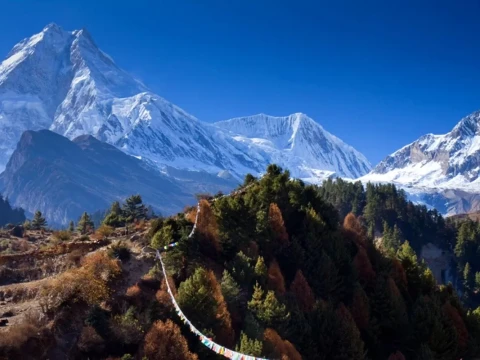
The Manaslu Circuit Trek is one of Nepal’s most rewarding high-altitude trekking adventures, combining dramatic Himalayan landscapes, remote mountain villages, rich Tibetan-influenced culture, and the challenging Larkya La Pass at 5,160 meters. The journey takes trekkers around Mount Manaslu, the eighth-highest mountain in the world
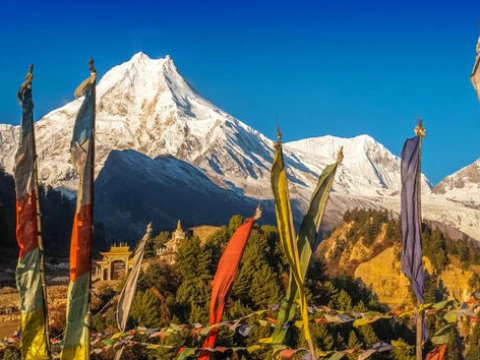
The Manaslu Circuit Trek in 2026 requires several permits because the route passes through the Manaslu Restricted Area and the Manaslu Conservation Area, with the itinerary commonly continuing toward the Annapurna Conservation Area after crossing Larkya La. Trekkers should arrange the required permits before entering the respective areas
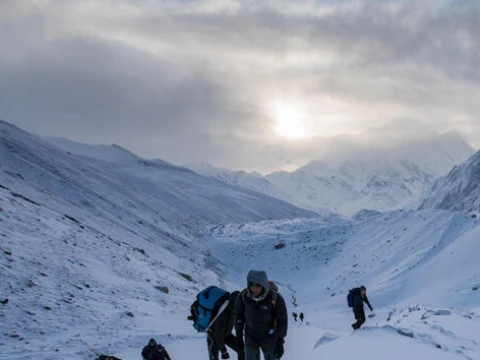
The Manaslu Circuit Trek is one of Nepal’s most rewarding high-altitude trekking routes, combining dramatic mountain scenery, traditional Himalayan villages, diverse landscapes, and the challenging Larkya La Pass. Choosing the right season is important because weather conditions can significantly affect trail accessibility, mountain views, comfort, and safety.


 (2)
(2)  100% recommend (0)
 (0)
(0)